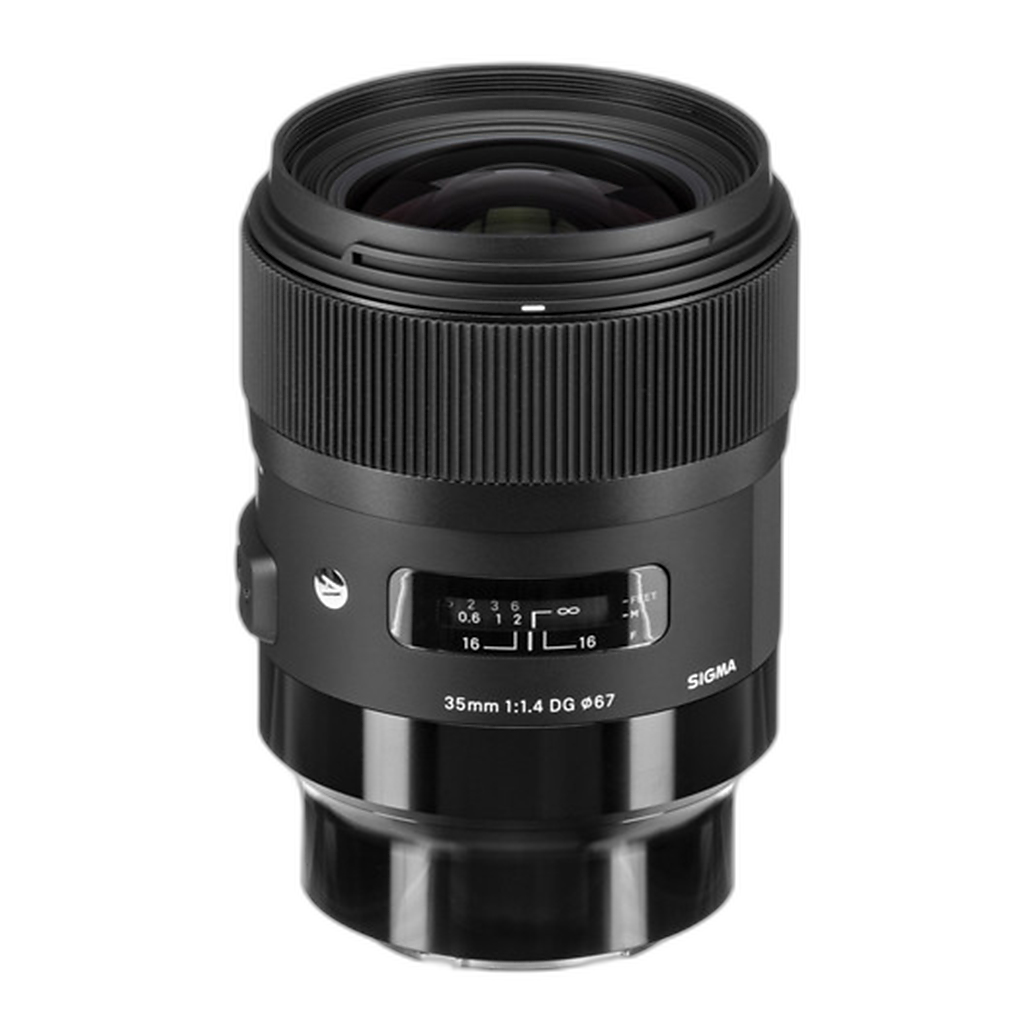
When Sigma introduced the 35mm f/1.4 DG HSM Art on September 17, 2012, it did more than announce another fast wide-angle prime. It introduced the first lens in what would become Sigma’s Global Vision system, a new way of organizing and presenting its interchangeable-lens lineup under the Art, Contemporary, and Sports banners. In hindsight, this 35mm occupies a pivotal place in modern lens history. At launch, it arrived with an ambitious goal: to deliver premium optical performance, a refined user experience, and a clear statement that Sigma intended to compete at the very top tier of lens design.
For photographers in the early 2010s, the timing was significant. Full-frame digital bodies were becoming more widely adopted, and 35mm was already one of the most useful focal lengths in photography. It could tell stories in tight spaces, serve as an environmental portrait lens, handle street work naturally, and provide a familiar, documentary-style perspective without feeling either too wide or too narrow. Pair that versatility with a bright f/1.4 maximum aperture, and Sigma had the makings of a lens that would attract wedding photographers, photojournalists, portrait shooters, and enthusiasts alike.
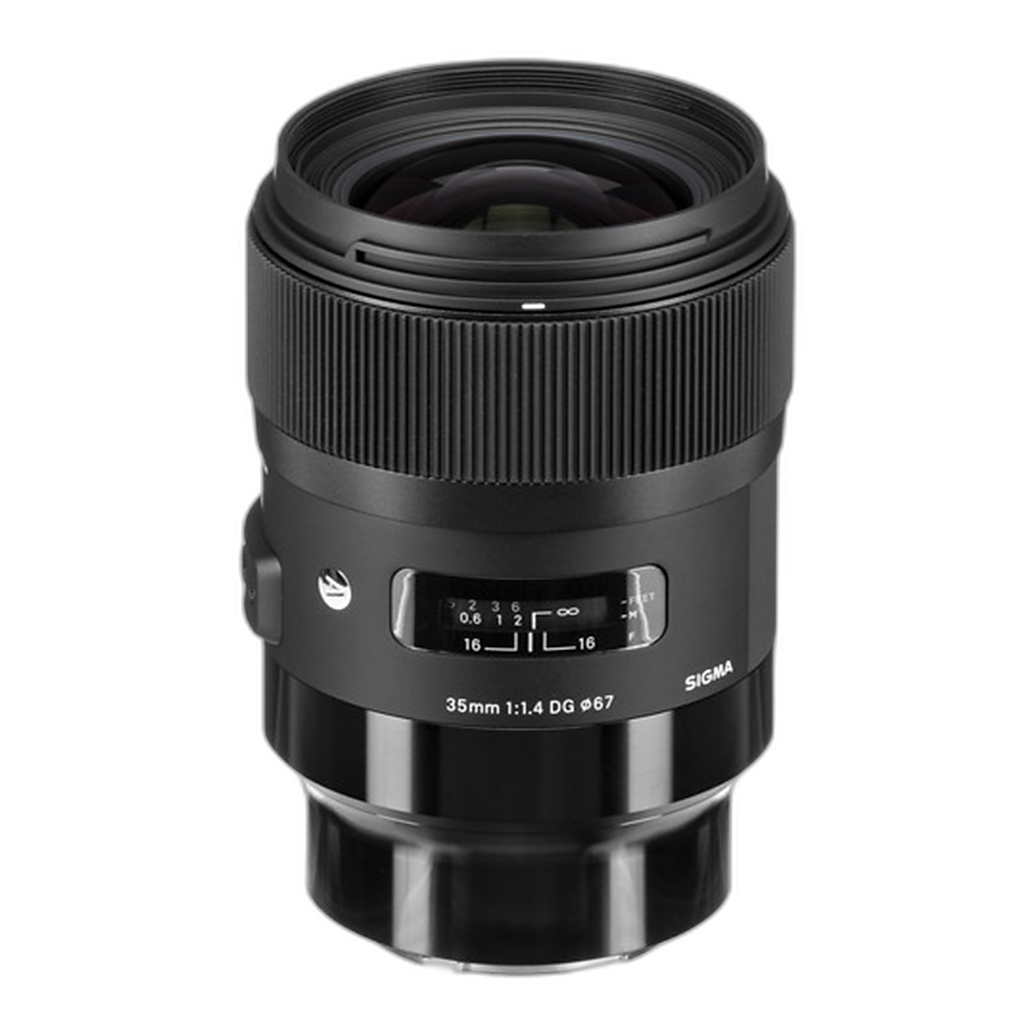
A Landmark Release for Sigma
The significance of the Sigma 35mm f/1.4 Art cannot be separated from the broader Global Vision concept. Before this period, Sigma was already well known as an independent lens maker with a wide catalog, but this launch marked a deliberate repositioning. The company gave its lens families clearer identities, with Art emphasizing expressive optical performance, Contemporary focusing on portability and balance, and Sports targeting durability and action-oriented use.
As the first Art lens in this era, the 35mm f/1.4 had to carry unusual weight. It needed to establish what “Art” meant in practical terms. That meant not just speed, but image quality and finish that conveyed seriousness. It also meant delivering a lens that could stand in direct conversation with long-established 35mm f/1.4 offerings from major camera manufacturers. The launch price of $899 made that statement even more striking. In the market context of 2012, that pricing placed the lens in a highly competitive position for photographers seeking premium performance without stepping into the very highest price brackets.
Why 35mm Matters
There are few focal lengths as central to photography as 35mm. On a full-frame camera, it sits in a sweet spot that feels broad but still intimate. It allows the photographer to include context while keeping a subject visually prominent, making it especially popular for reportage, travel, weddings, and everyday documentary work.
A fast 35mm lens expands those strengths. At f/1.4, photographers can work in available light, isolate subjects with shallow depth of field, and preserve atmosphere in dim interiors or evening scenes. The 35mm focal length also has a long creative pedigree, associated with generations of photographers who preferred to work close to their subjects and let the environment remain part of the story. That made Sigma’s decision to introduce its new flagship concept through a 35mm prime especially astute. It was not a niche choice. It was a lens for a very broad photographic audience.
The Art Identity Begins
The word Art in Sigma’s new naming system carried a specific promise. Rather than emphasizing compactness or rugged specialization, the Art line was positioned around image-making priorities: high optical performance, bright apertures, and a design philosophy intended for photographers who placed rendering and sharpness at the center of their lens choices.
The 35mm f/1.4 DG HSM Art embodied that mission from day one. Even in the release period, it was immediately understood as a lens designed to prove Sigma could deliver a modern premium prime on its own terms. The designation DG identified it as a lens intended for full-frame digital cameras, while still being usable in other compatible systems depending on mount. The inclusion of HSM, Sigma’s Hyper Sonic Motor branding, underscored its autofocus credentials at a time when speed and refinement in focus performance were central considerations for professionals evaluating third-party lenses.
A New Chapter in Third-Party Lens History
Historically, third-party lens makers often had to battle assumptions as much as optical challenges. Photographers might view them as value alternatives rather than first-choice tools. The Sigma 35mm f/1.4 Art helped change that conversation. It was one of those products that made photographers reconsider the category itself.
What made this lens historically important was not simply that it was good. It was that it arrived as a declaration of confidence. Sigma was no longer presenting itself merely as a maker of alternatives. It was presenting a lens intended to lead with performance and design, and to be judged directly against established favorites. That shift in perception would become one of the defining stories of Sigma’s next decade.
In that sense, the 35mm f/1.4 Art stands as a watershed product. Many later Sigma lenses would expand and reinforce the Global Vision concept, but this was the lens that first had to convince the market. For photographers looking back at the period, it is difficult to overstate how much of Sigma’s modern reputation traces back to this moment.
Who This Lens Spoke To in 2012
Wedding and Event Photographers
A 35mm f/1.4 is one of the classic event lenses. It can handle preparation rooms, receptions, dance floors, and portraits that include a sense of place. The bright aperture offers flexibility in low light, and the focal length encourages immersive storytelling.
Photojournalists and Documentary Shooters
For journalists and documentary photographers, 35mm has long been a practical standard. It lets the photographer stay close enough for immediacy without exaggerating perspective too dramatically. A fast aperture can also be invaluable when working in available light under time pressure.
Portrait and Lifestyle Photographers
Although 35mm is not a traditional headshot focal length, it is beloved for environmental portraiture. Used thoughtfully, it can place subjects in context while still offering separation at f/1.4. For editorial, family, and lifestyle work, that visual balance is often exactly the point.
Enthusiasts Wanting a Premium Prime
The $899 launch price made the lens especially noteworthy for advanced amateurs and serious enthusiasts. It represented a way to step into the world of high-speed, premium full-frame primes with a product that felt like a major release rather than a compromise pick.
The Broader Legacy
Looking back from a historical standpoint, the Sigma 35mm f/1.4 Art now reads as a turning point both for the company and for the lens market more generally. It helped normalize the idea that an independent manufacturer could set the pace in optical design and industrial presentation rather than simply following camera-brand roadmaps.
It also gave the Art line an immediate identity. The success and visibility of this 35mm helped establish the visual and conceptual language that would define later Art lenses: ambitious apertures, premium aspirations, and a confidence that photographers would respond to lenses designed first and foremost around image quality and creative intent.
That is why the phrase “the lens that started the Global Vision revolution” is more than just a catchy title. Historically, it is a fair description. This was the opening statement, the first proof point, and the lens that had to succeed for the rest of the system to resonate.
Conclusion
The Sigma 35mm f/1.4 DG HSM Art remains one of the most important lens introductions of its era. Released on 2012-09-17, with a versatile 35mm focal length, a bright f/1.4 aperture, and a launch price of $899, it marked the beginning of Sigma’s Art story and the broader Global Vision strategy. More than a new lens, it was a statement about where Sigma was headed and about what photographers could expect from an ambitious independent lens maker in the digital age.
For photographers, collectors, and anyone interested in the history of modern lens design, the 35mm f/1.4 Art deserves its place as a landmark release. To explore Sigma lenses, shop current gear, or learn more about photographic equipment history, visit Unique Photo.