Introduction: Choosing the Right Contest Stage for Your Photography
For photographers looking to grow their visibility, test their work against peers, and build confidence, photo contests can be a valuable step. But one of the biggest questions is whether to start with local competitions or aim straight for international exposure. The answer depends on your goals, budget, experience level, and how ready your portfolio is for broader scrutiny.
In practical terms, local contests often offer accessibility, community recognition, and a lower-pressure environment, while international contests can deliver prestige, career momentum, and wider audience reach. Neither path is automatically better. The smarter choice is usually the one that matches your current stage as a photographer and the kind of feedback or exposure you want next.
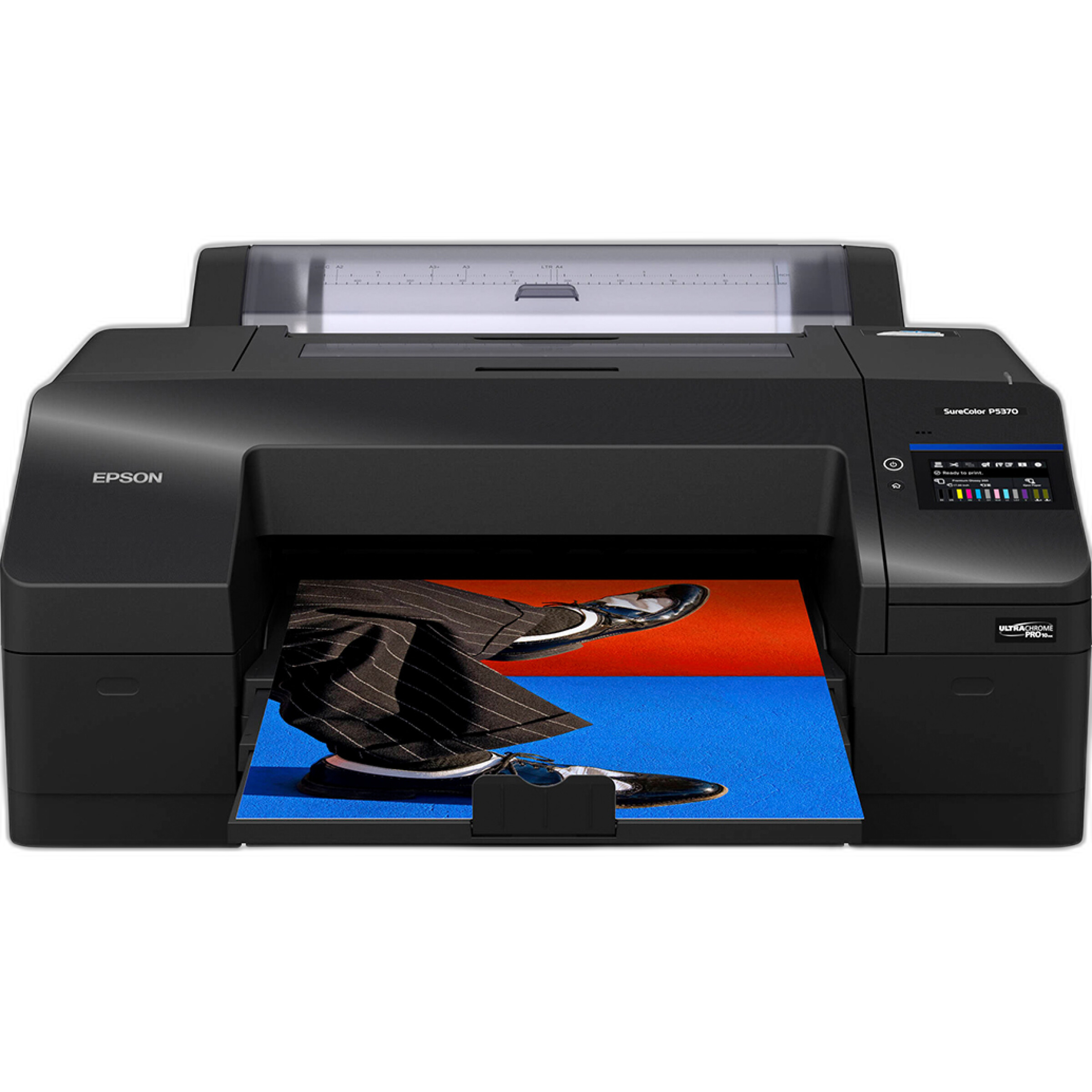
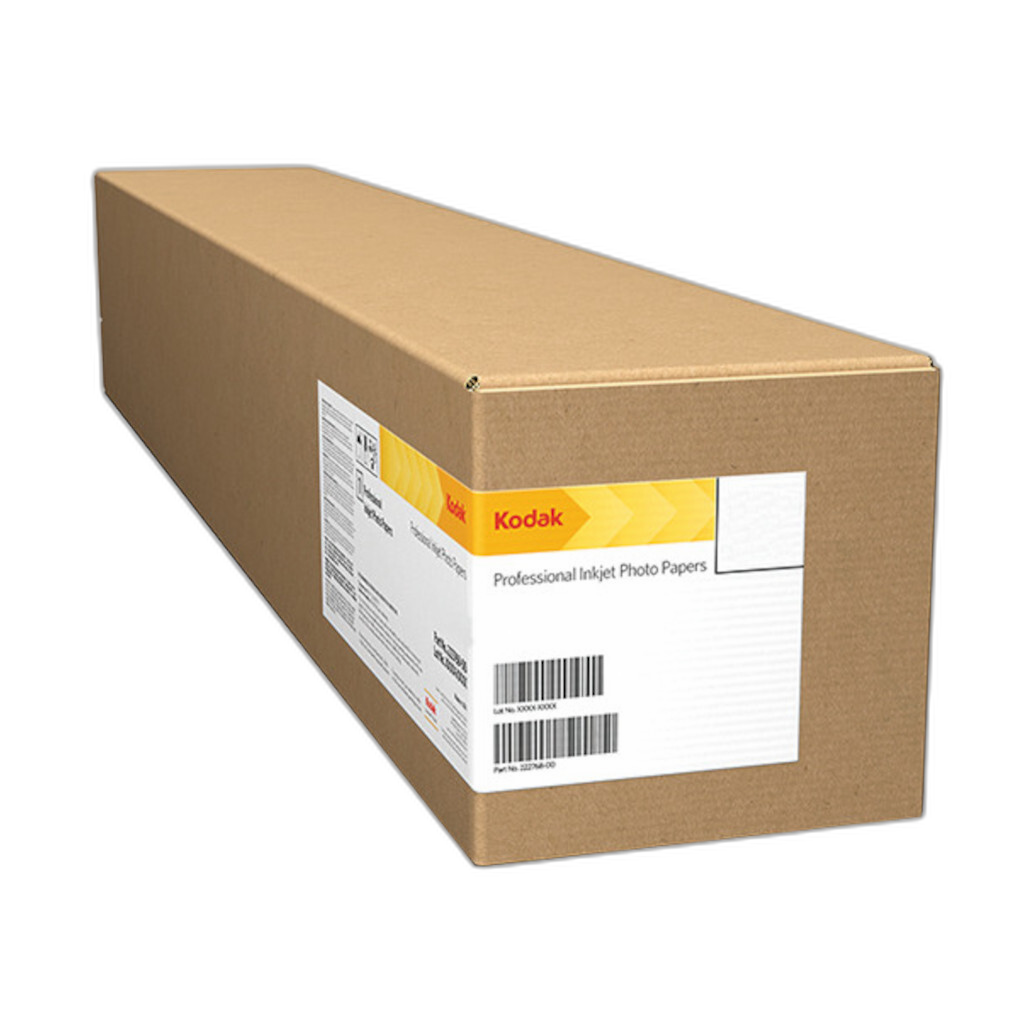
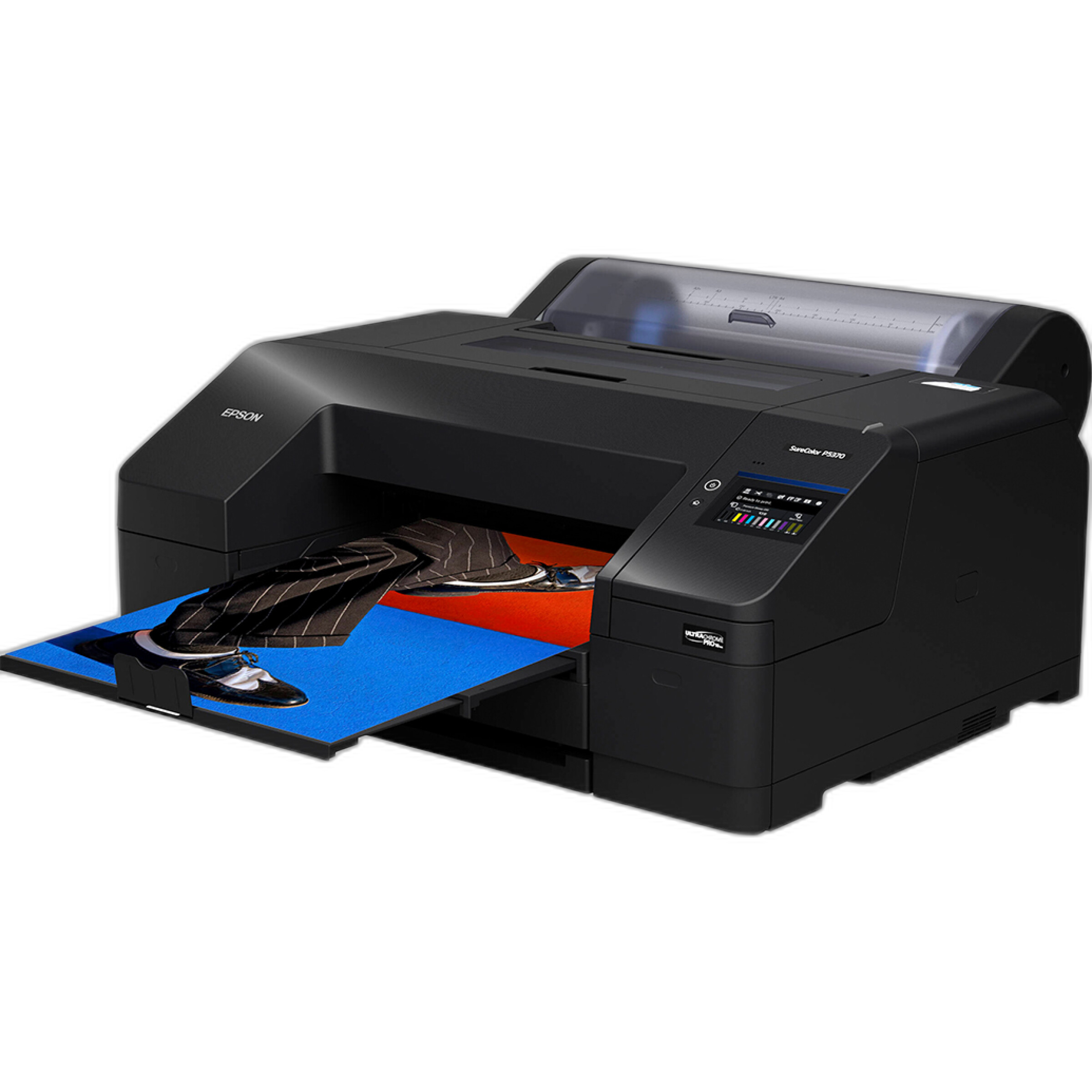
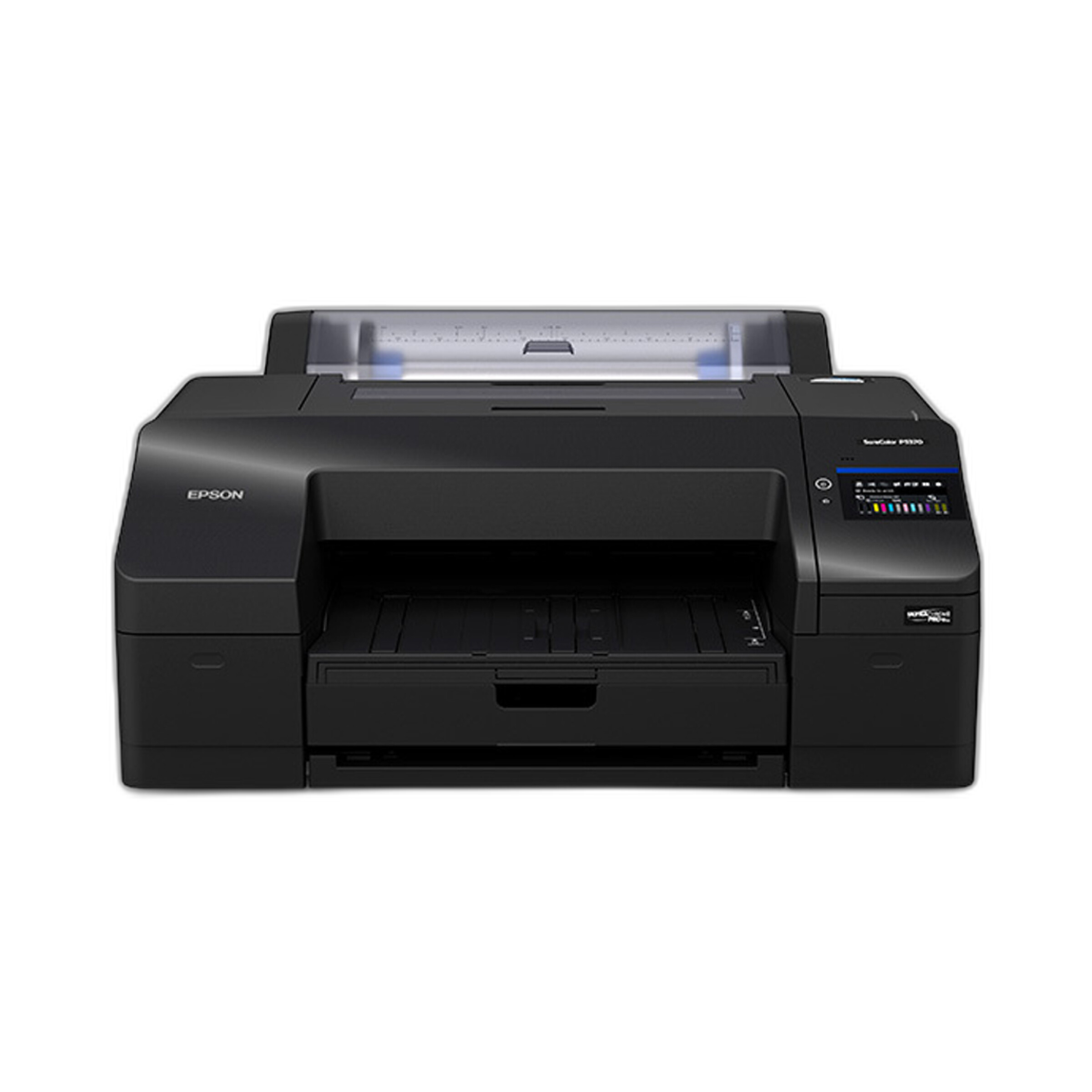
Preparing for contests also means presenting your images well, whether in print or portfolio form. Products like the Epson SureColor P5370 professional printer and Kodak Professional Metallic Photo Inkjet Paper can help serious entrants create exhibition-worthy submissions, while albums can help organize a body of work for review and selection.
Local Photo Contests: The Best Starting Point for Many Photographers
Local photo contests are often underrated. They may not carry the glamour of major international awards, but they can be extremely useful for photographers who are still refining their voice, building confidence, or trying to establish a name in their region.
Pros of Entering Local Contests
More accessible competition: Local contests usually attract smaller pools of entrants, which can improve your odds of being noticed. This is especially helpful for emerging photographers.
Lower cost of entry: Many regional competitions have affordable submission fees, and some are free through clubs, community arts organizations, or local galleries.
Relevant networking: Winning or placing locally can connect you with gallery owners, event organizers, local publications, and nearby creative communities.
Constructive growth environment: Local judging panels may be more approachable, and some contests provide feedback that is useful for improving future submissions.
Portfolio building: Even a shortlist or honorable mention can become a meaningful credential on your website or CV.
Cons of Entering Local Contests
Limited reach: Recognition often stays within your geographic area, so the long-term exposure may be modest.
Variable judging quality: Some smaller contests have inconsistent criteria or less experienced juries.
Fewer career-changing opportunities: Local wins can be encouraging, but they do not always translate into national representation, publication, or major commercial opportunities.

International Photo Contests: Higher Stakes, Bigger Visibility
International contests appeal to photographers who want their work seen on a much larger stage. These competitions can carry serious prestige, attract respected judges, and place your images in front of editors, curators, agencies, and brands around the world.
Pros of Entering International Contests
Global exposure: A strong result in an international contest can substantially raise your profile and bring your work to a broader audience.
Prestige and credibility: Major contest placements can strengthen your professional reputation and support grant, exhibition, and client applications.
Better prizes and opportunities: International contests often offer publication, exhibitions, gear, cash awards, residencies, or industry introductions.
Benchmarking at a high level: Competing globally can help you understand where your work stands in relation to current international trends and standards.
Cons of Entering International Contests
Extremely competitive: You may be competing against established professionals with strong production values and highly polished portfolios.
Higher costs: Entry fees can add up quickly, especially across multiple categories or image submissions.
Rights and usage concerns: Some contests include unfavorable licensing terms, so photographers must read rules carefully before entering.
Lower odds of feedback: Many international contests do not provide personalized comments, making it harder to learn from rejection.
Key Features to Consider Before You Enter
Your Experience Level
If you are newer to contests, local competitions are often the better fit. They help you test image selection, captions, printing choices, and submission workflows without the pressure of elite international standards. More advanced photographers with a refined style and stronger portfolio cohesion may benefit more from international exposure.
Your Budget
Contest costs are not limited to entry fees. They may also include printing, framing, shipping, travel, and time spent preparing files. If budget matters, local contests are generally the more sustainable path. If you are investing in premium presentation, a printer like the Epson SureColor P5370 can support repeat submissions and fine-art print control in-house.
Your Career Goals
If your aim is community engagement, local exhibitions, and networking nearby, local contests make excellent sense. If you want publication, broad recognition, or a stronger credential for the professional market, international contests can be worth the risk and cost.
Your Readiness to Present a Cohesive Body of Work
Many photographers rush into contests with individually strong photos but no consistent voice. Organizing your work in a simple album or edit sequence can reveal whether your images truly belong together. A product such as the Pioneer 4 x 6 memo album can be a practical tool for reviewing sequencing, caption notes, and thematic consistency before submission.
Pros and Cons Summary
Local Contests
- Pros: Lower cost, better odds of recognition, community networking, good learning environment, ideal for emerging photographers
- Cons: Smaller audience, less prestige, potentially inconsistent judging, fewer large-scale opportunities
International Contests
- Pros: Greater exposure, stronger prestige, larger prizes, meaningful career visibility, industry recognition
- Cons: Higher fees, intense competition, possible rights concerns, limited feedback, greater pressure
Review Perspective: Which Path Is Better?
As a practical recommendation, local contests are the better starting point for most photographers. They offer a manageable environment to learn how your work performs, how juries respond, and how well you can prepare a strong submission. They are especially useful if you are still developing consistency in style or subject matter.
International contests become more worthwhile once you have a distinctive body of work, understand contest strategy, and are willing to be selective about where your money goes. The key is not entering the biggest contest possible. It is entering the right contest for your current level and goals.
For photographers serious about improving their contest presentation, investing in tools that support output and organization matters. The Epson SureColor P5370 and Kodak Professional Metallic Photo Inkjet Paper stand out as strong options for polished prints, while a straightforward album solution can help with editing and selection. These are all products worth considering from Unique Photo when preparing your next submission.
Verdict and Recommendation
If you are asking whether to enter local or international photo contests, the best answer is: start local, then scale up strategically. Local contests provide valuable confidence, experience, and community traction. International contests offer prestige and wider reach, but they demand stronger work, more investment, and more careful research.
For most photographers, the smartest progression is to use local contests to refine your portfolio and submission process, then target a small number of respected international competitions once your work is truly ready. And if you want to present that work at its best, Unique Photo is an excellent place to buy the printing and portfolio tools needed to compete more confidently.