Expired film can be unpredictable, frustrating, and wonderfully rewarding all at once. Whether you are loading a vintage 35mm body, experimenting with old peel-apart sheets, or comparing aged stock to a fresh box, shooting expired film is really about managing variables while leaving a little room for happy accidents. If you are curious about what to expect and how to improve your odds of getting usable results, these tips will help you start with confidence.
Start With Realistic Expectations
1. Understand what expiration actually changes
As film ages, sensitivity, contrast, and color response can shift. You may see fogging, muted tones, color casts, lower shadow detail, or a general loss of punch. Black-and-white film often remains more forgiving than color film, which is one reason many photographers like testing old stock with monochrome emulsions first. If you come across specialty material like the Expired New55 PN400 400 ISO Black and White Film 5 Sheets - As is, treat every sheet as an experiment rather than a guaranteed result.
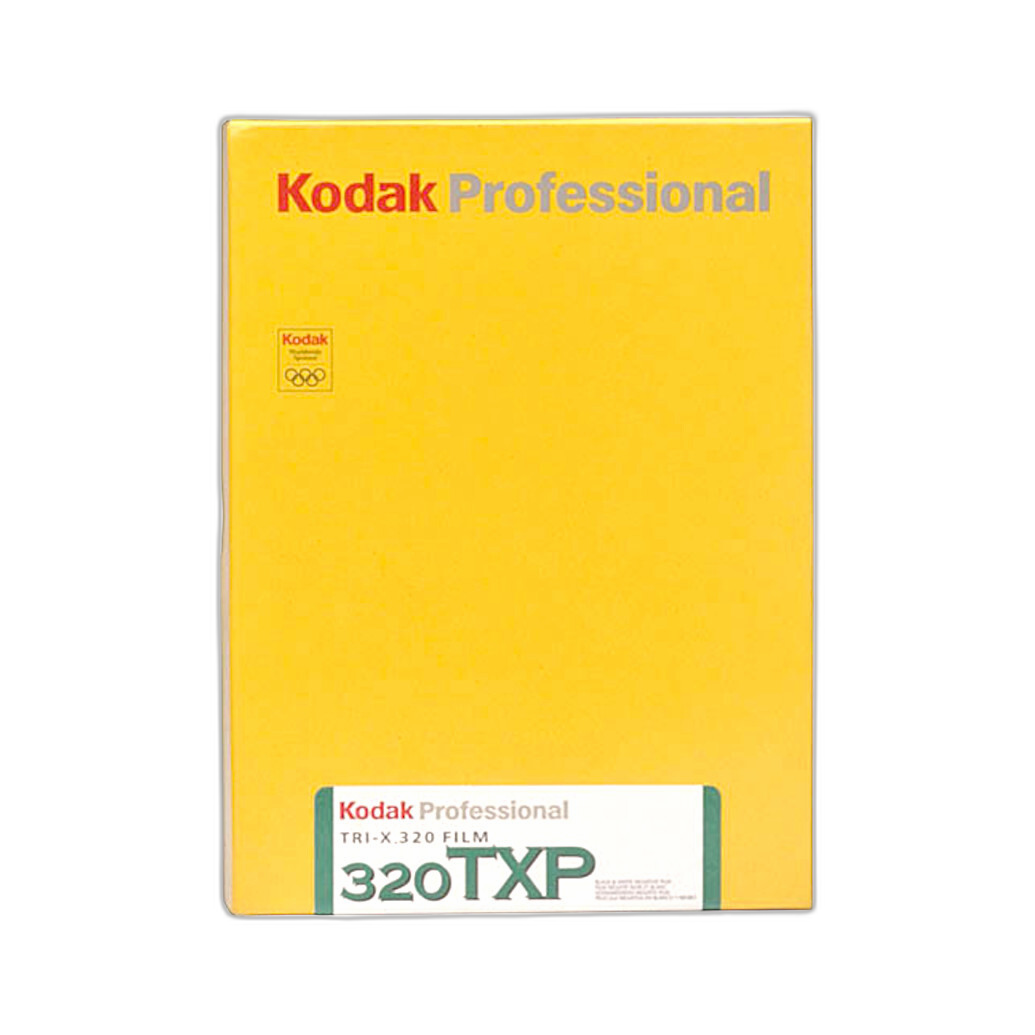
For a useful baseline, it helps to know what fresh film should look like. A current option such as Kodak Professional Tri-X 320 Black and White Negative Film (8x10in, 10 Sheets) gives you a strong reference for classic black-and-white tonality when comparing aged large format film against something reliable.
Rate Expired Film More Generously
2. Overexpose old film to compensate for age
A common rule of thumb is to add about one stop of exposure for every decade past expiration, especially for color negative film. It is not a perfect formula, but it is a practical starting point. If an expired ISO 400 roll is decades old, you might try metering it at ISO 200 or even ISO 100 depending on how it was stored.
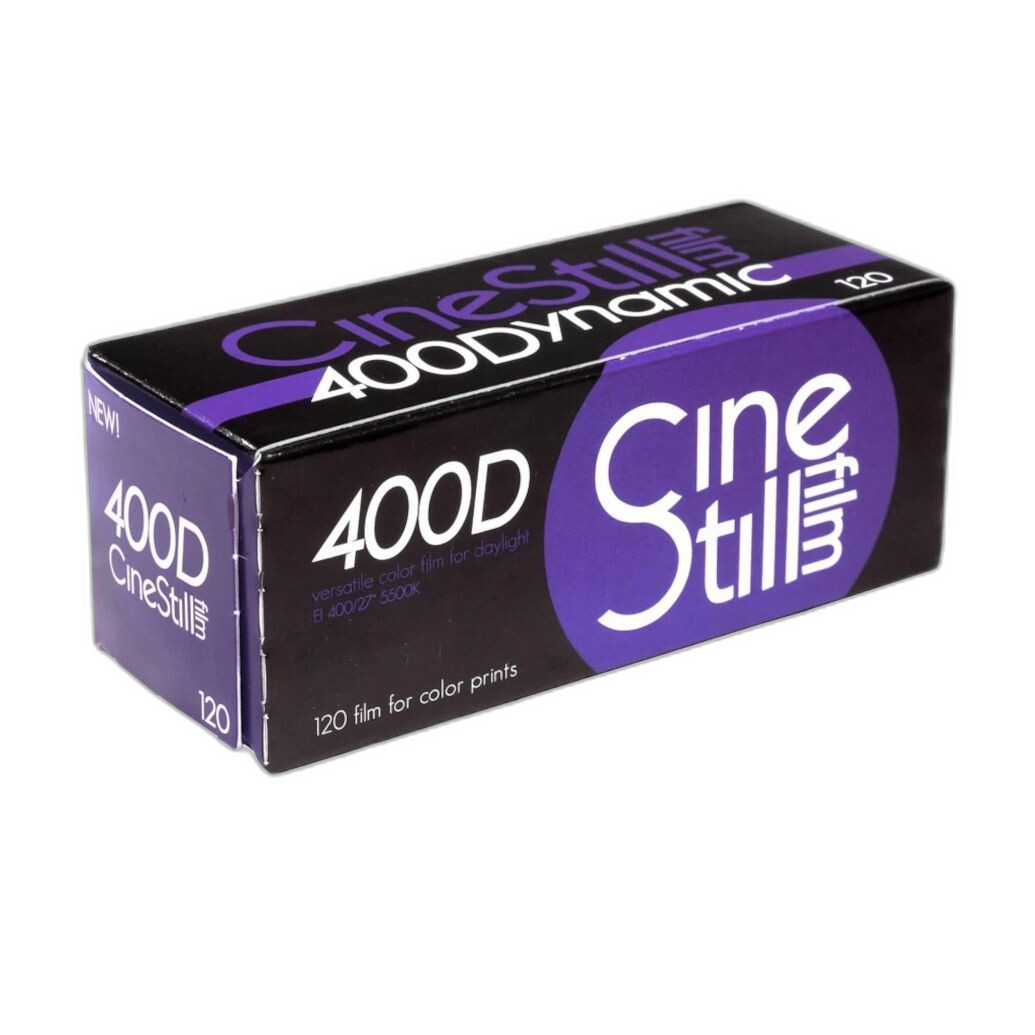
If you are shooting medium format and want to compare old stock behavior against a fresh contemporary emulsion, CineStill Film 400D Dynamic Color Negative Film (120 Roll Film) can be a helpful control. Shoot a fresh roll under similar lighting, then compare density, contrast, and color shifts with your expired film scans.
Use a Camera That Gives You Exposure Control
3. Manual control makes testing easier
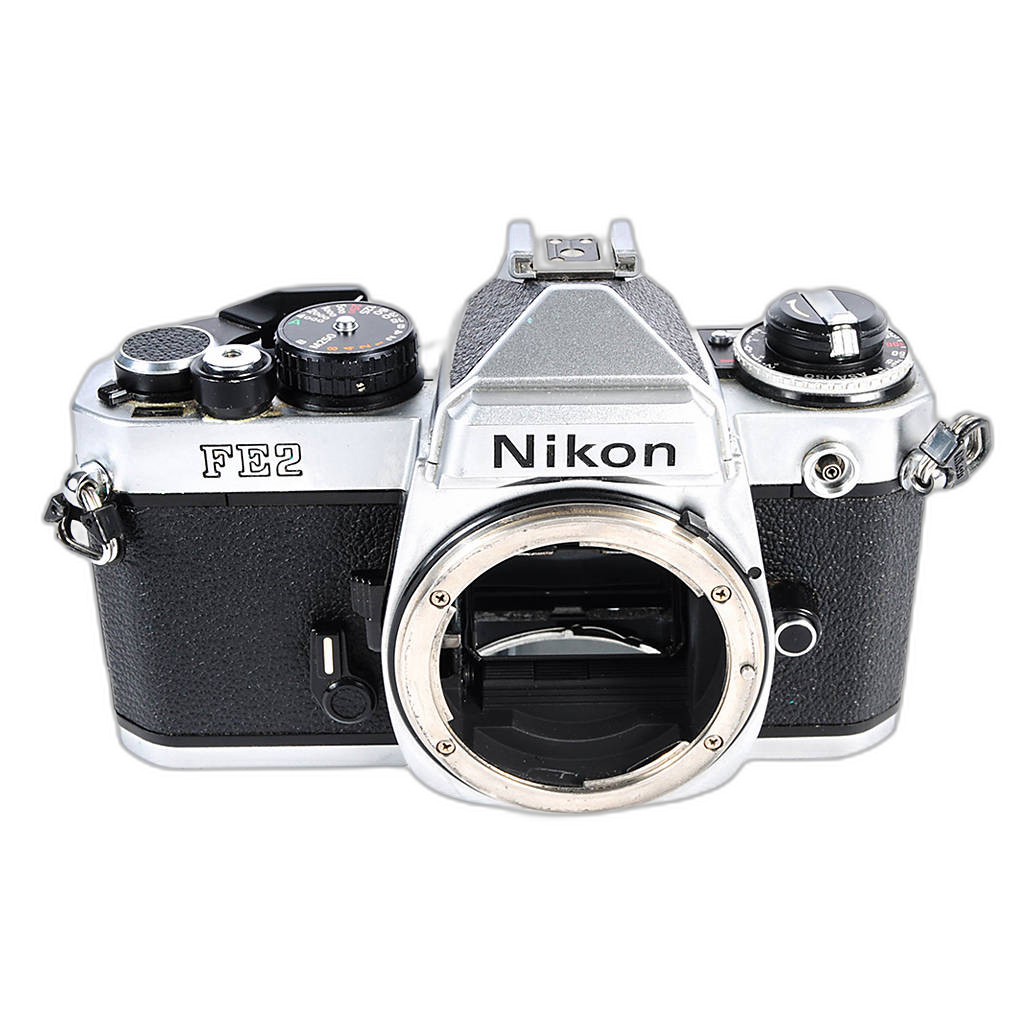
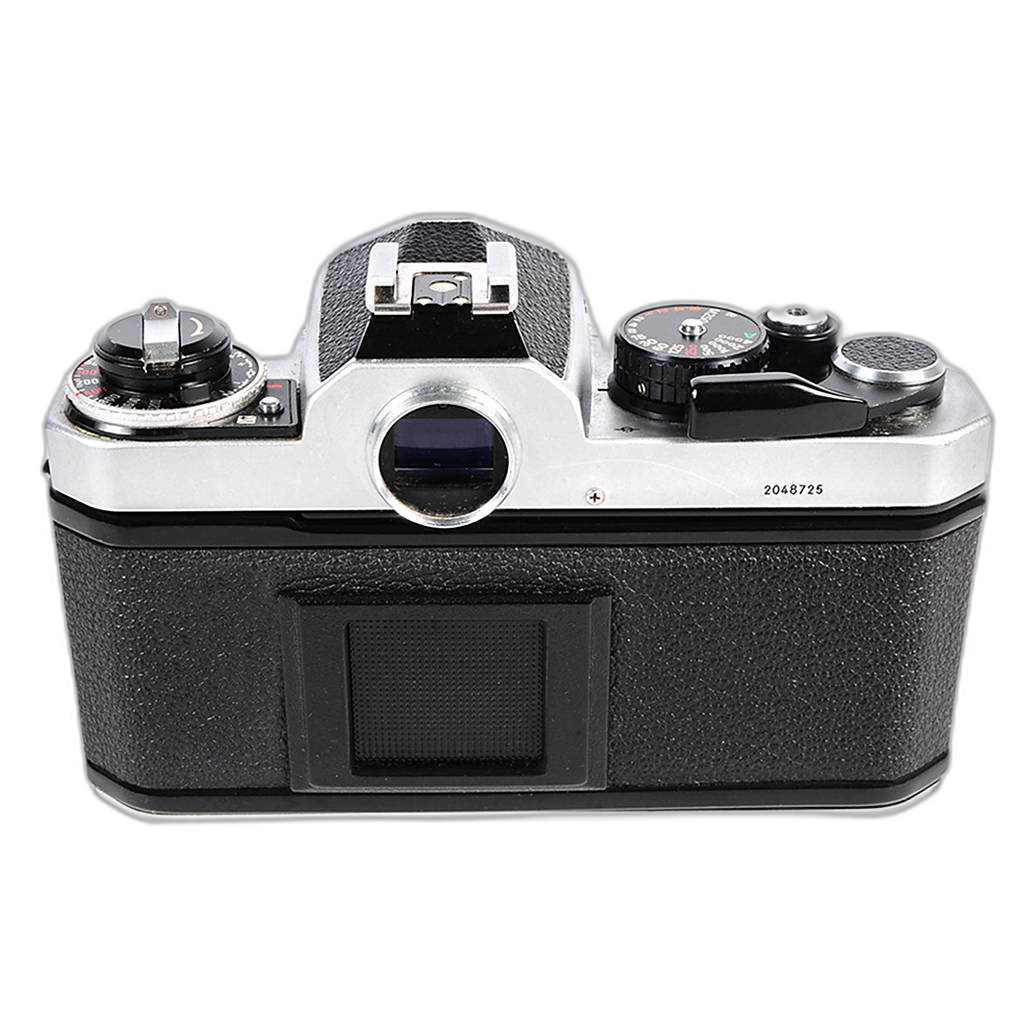
Expired film rewards careful metering and repeatable settings, so a camera with dependable manual control is ideal. A body like the Used Nikon FE2 35mm Film SLR Body Only (Silver) - Good is a great match for this kind of work because it lets you deliberately adjust shutter speed and exposure rather than relying entirely on automation.
Bracketing is especially useful here. Shoot one frame at your chosen rating, one frame over by a stop, and one more over by two stops if the scene matters. That extra insurance can save a roll when the film is older than expected or poorly stored.
Prioritize Simpler Lighting
4. Give expired film scenes with moderate contrast
Because old film may lose shadow detail and overall latitude, it usually performs better in soft daylight, open shade, or evenly lit interiors than in harsh noon sun or high-contrast night scenes. Start with subjects that do not demand perfect color accuracy or extreme dynamic range.
This applies to sheet film too. If you are testing old 4x5 material such as Expired New55 Instant 4x5 Film Black and White ISO 50 5 Sheets - As Is, choose a subject with clean, simple lighting so you can better judge what the film itself is doing.
Know When Fresh Film Is the Better Choice
5. Save important work for dependable stock
Expired film is excellent for personal projects, creative uncertainty, and one-off experiments. It is less ideal for paid assignments, once-in-a-lifetime portraits, or scenes you cannot reshoot. If the image truly matters, fresh film is still the smart move.
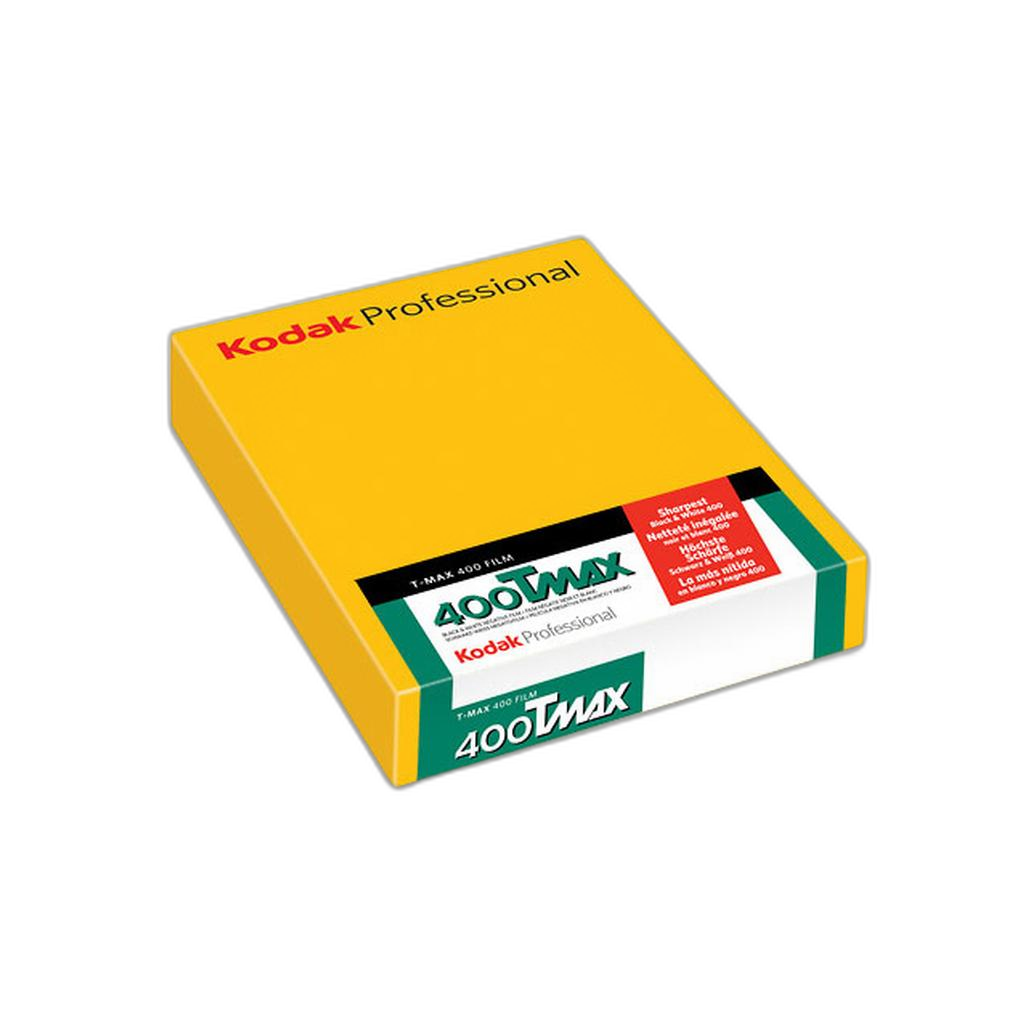
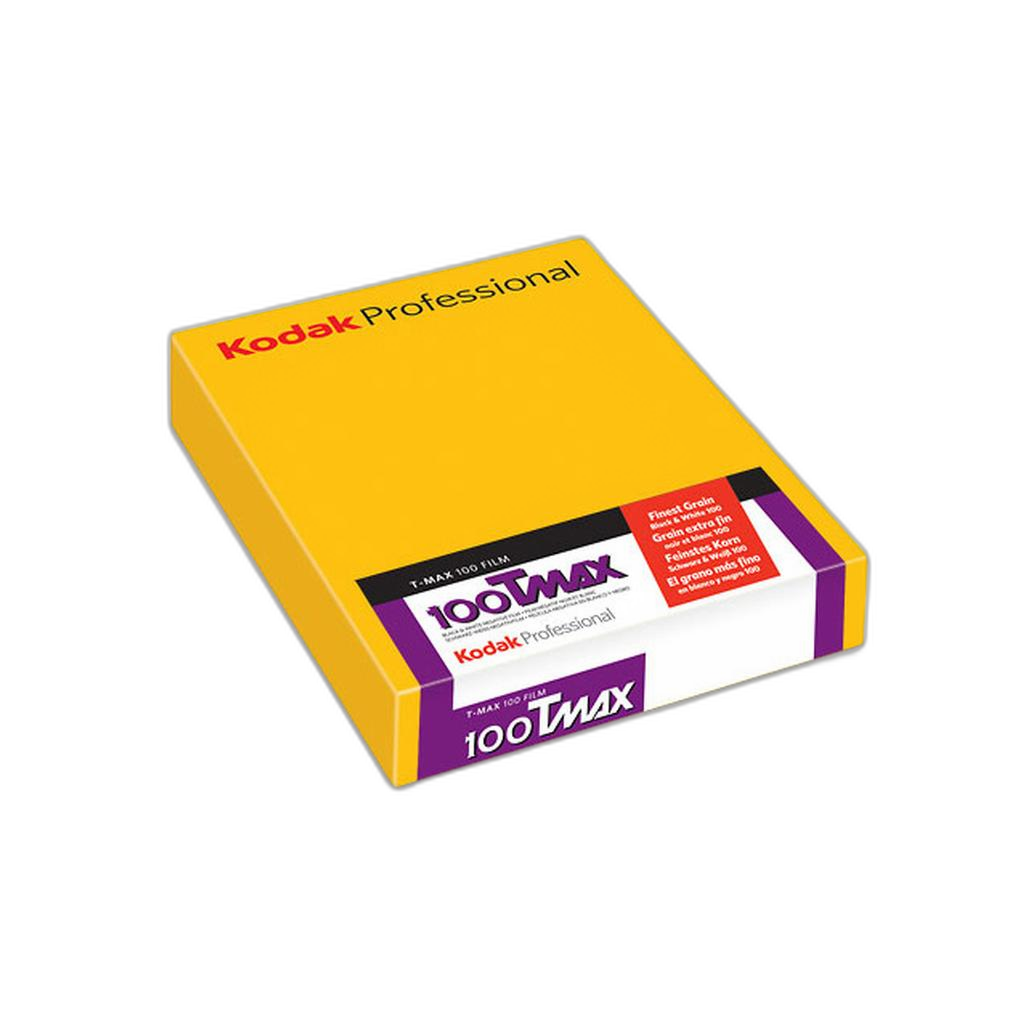
For large format photographers, dependable options like Kodak T-Max 4x5 400ASA (50 Sheets) or Kodak TMX 4x5 100ASA (50) offer consistency that expired boxes cannot promise. T-Max 400 is useful when you need speed and flexibility, while TMX 100 is a strong choice for fine grain and controlled tonality.
Expect Bigger Variables With Specialty and Instant Film
6. Older instant and niche emulsions can be especially unpredictable
Expired specialty materials often show the most dramatic behavior. Chemical pods may fail, negatives may be uneven, and sensitivity can drift far from the labeled ISO. That does not make them unusable, but it does mean you should lower expectations and work slowly.
If you enjoy unusual processes and tangible one-of-a-kind results, old New55 stock can still be fascinating to test. Just make sure your process is methodical: shoot notes, exposure notes, development notes, and storage notes all matter.
Keep Good Notes
7. Treat your first roll or box as a test
Write down the film name, expiration date, storage history if known, your chosen exposure index, lighting conditions, and lab results. This is one of the fastest ways to turn random experimentation into repeatable technique. Even a few notes can reveal whether your old film likes extra light, lower contrast scenes, or specific processing choices.
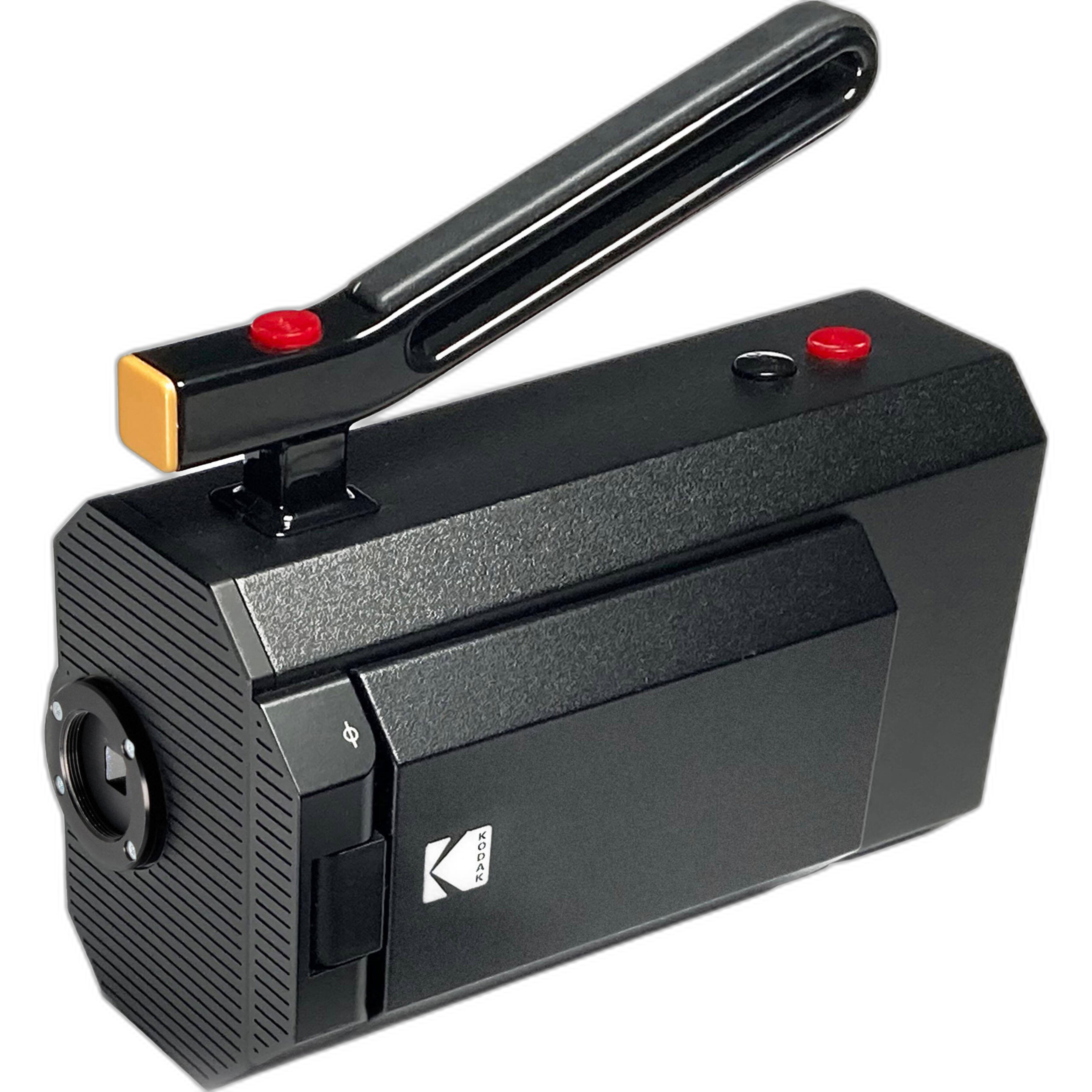
This matters even more if you are branching into motion formats. For example, if you are exploring aged movie stock or simply enjoying the analog look with a modern body like the Kodak Super 8 Camera (Black), keeping a record of exposure assumptions and scan results will make your next cartridge much easier to judge.
Work With a Lab That Understands Experimental Film
8. Communicate clearly about what you are sending in
Tell your lab that the film is expired and mention how you rated it. That helps them interpret thin negatives, unusual color, or dense frames more accurately. If you scan at home, avoid over-correcting everything at once. Sometimes the strange palette or elevated fog is part of the charm.
Conclusion
Shooting expired film is part technique and part adventure. The more carefully you meter, bracket, and document your results, the better your chances of getting images you love. At the same time, the unexpected is part of the fun, and that is exactly why many film photographers keep a few old rolls or boxes around. If you are ready to experiment with expired stock or compare it against fresh film and classic cameras, Unique Photo is a great place to start building your kit.