If you are building your first camera kit, one of the smartest upgrades you can make is choosing a sharper lens rather than jumping immediately to a more expensive camera body. For beginners, the sharpest budget lenses for entry-level DSLRs and mirrorless cameras often deliver a bigger improvement in image quality than a body upgrade alone. At Unique Photo, many first-time photographers discover that a well-chosen affordable lens can improve detail, background blur, low-light performance, and overall confidence behind the camera.
Whether you shoot portraits, travel, street photography, family moments, or everyday content creation, there are excellent low-cost lenses that produce crisp results without stretching your budget. In this guide, we will cover what makes a budget lens sharp, which focal lengths are worth prioritizing, and how entry-level camera kits can help you get started with sharp optics right away.
What Makes a Budget Lens Sharp?
When photographers search for the best sharp budget lens, they are usually looking for strong center detail, good corner performance, pleasing contrast, and consistent results at practical apertures. Sharpness is not only about resolution charts. In real-world shooting, a lens feels sharp when it delivers clear details on eyes, hair, textures, architecture, and fine patterns without looking soft or hazy.
Several factors affect lens sharpness:
- Optical design: Better lens formulas usually control softness, distortion, and chromatic aberration more effectively.
- Maximum aperture: Many affordable prime lenses are sharpest when stopped down slightly, but still outperform kit zooms in low light.
- Autofocus accuracy: A sharp lens is only useful if focus lands where you want it.
- Sensor compatibility: Entry-level mirrorless cameras can get excellent results from modern compact lenses designed specifically for APS-C sensors.
For most beginners, the best value comes from lightweight primes and surprisingly capable kit zooms paired with modern mirrorless bodies. Unique Photo carries entry-friendly camera systems that make that path especially practical.
Are Kit Lenses Sharp Enough for Beginners?
A common search query is whether kit lenses are sharp enough. The short answer is yes, many modern kit lenses are much better than older photographers remember. While bargain prime lenses often win on edge-to-edge detail and low-light flexibility, current kit zooms can be very sharp in the center and are excellent for learning composition, focal length preferences, and everyday shooting.
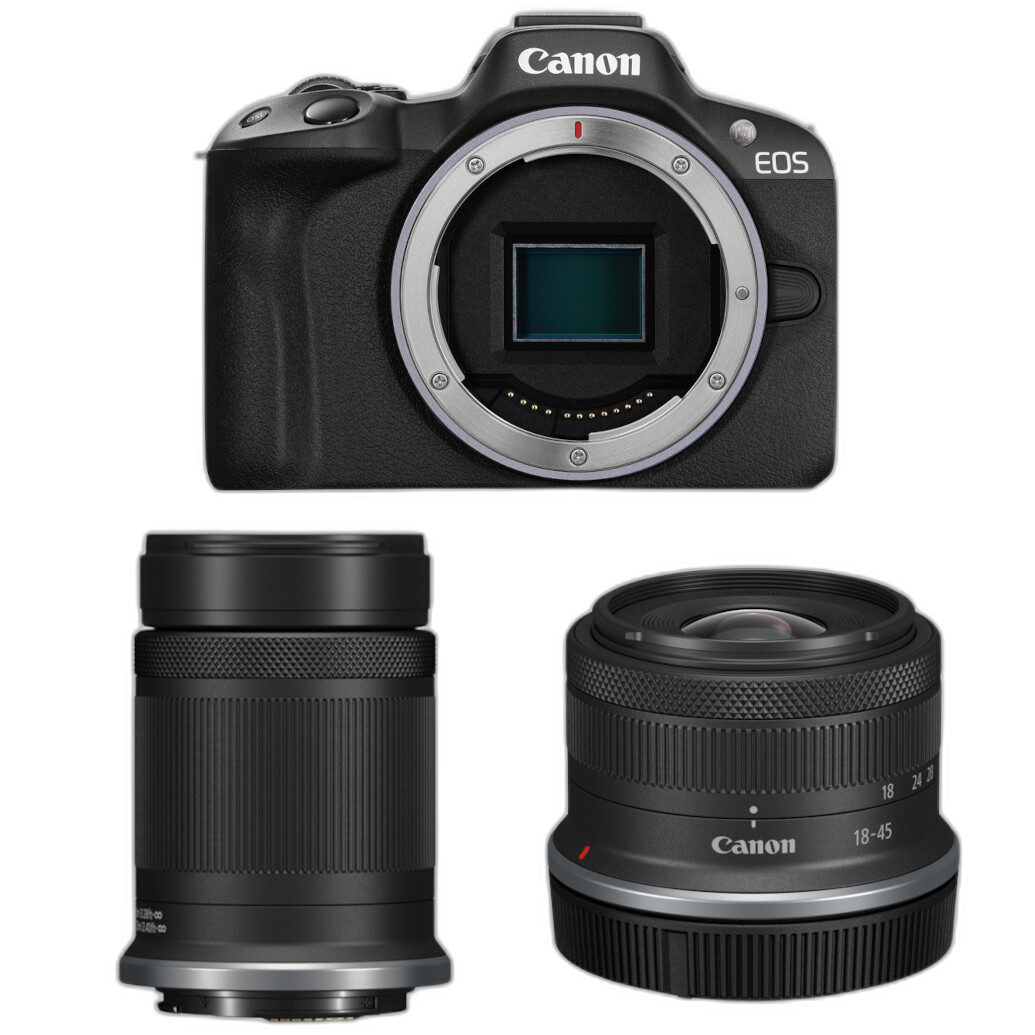
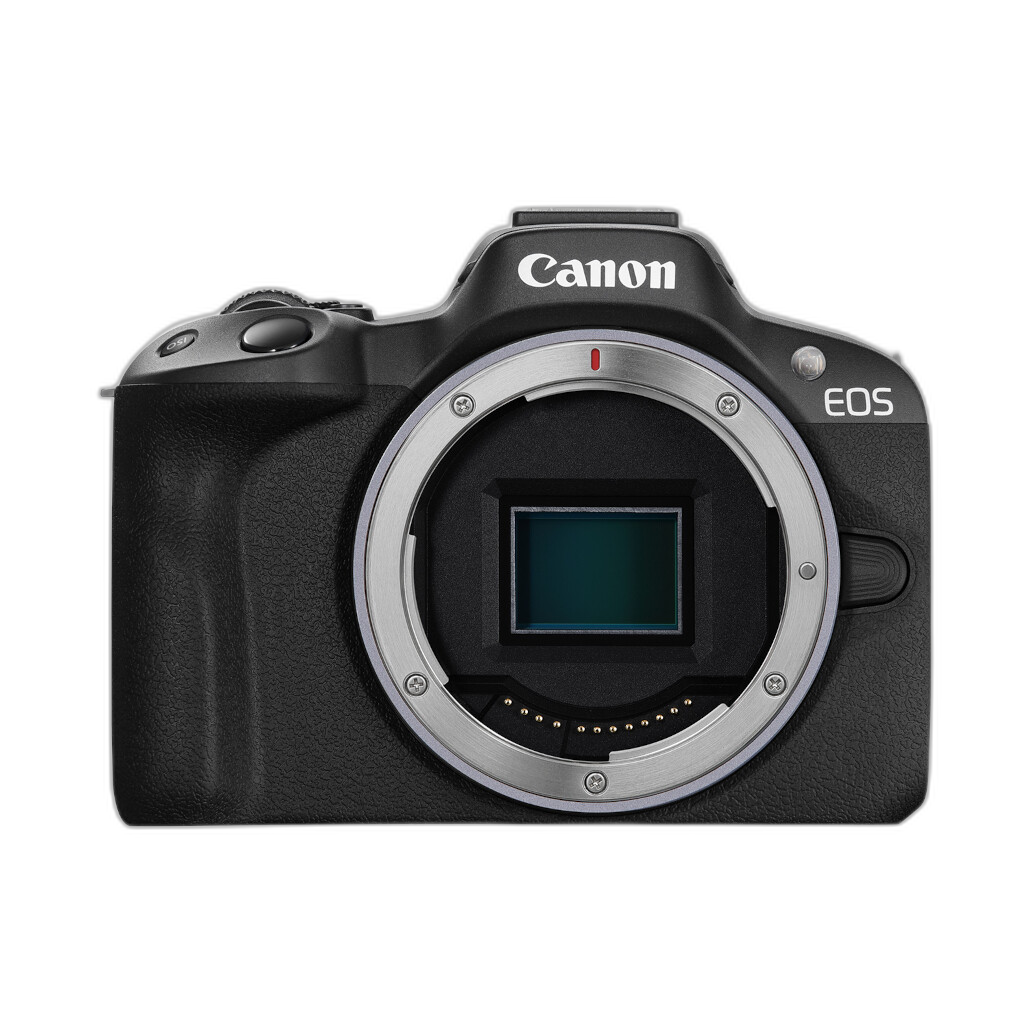
For example, a modern APS-C mirrorless kit like the Canon EOS R50 Mirrorless Camera (Black) with RF-S 18-45mm and 55-210mm Lenses gives new photographers a very usable wide-to-telephoto range in one affordable bundle. That makes it easier to explore landscapes, portraits, pets, travel, and sports before deciding which dedicated sharp budget lens to add next.
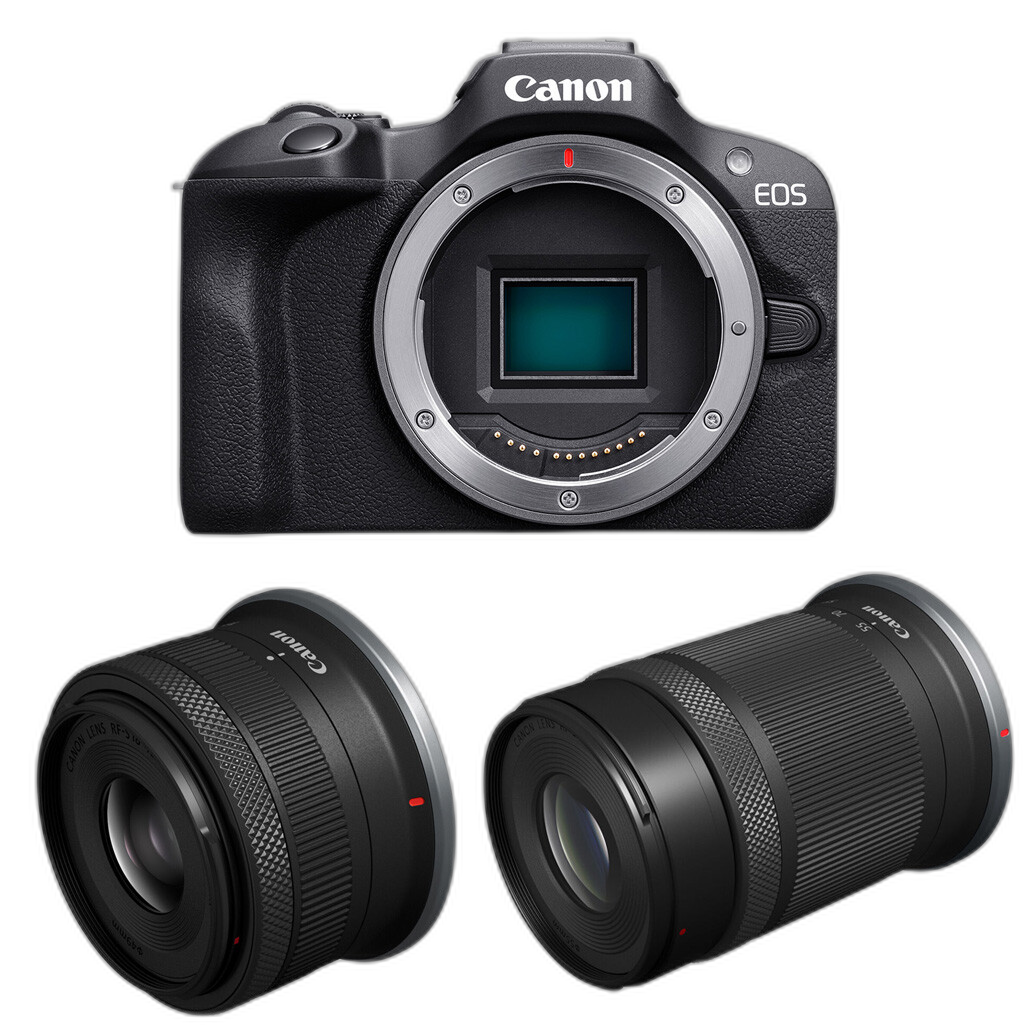
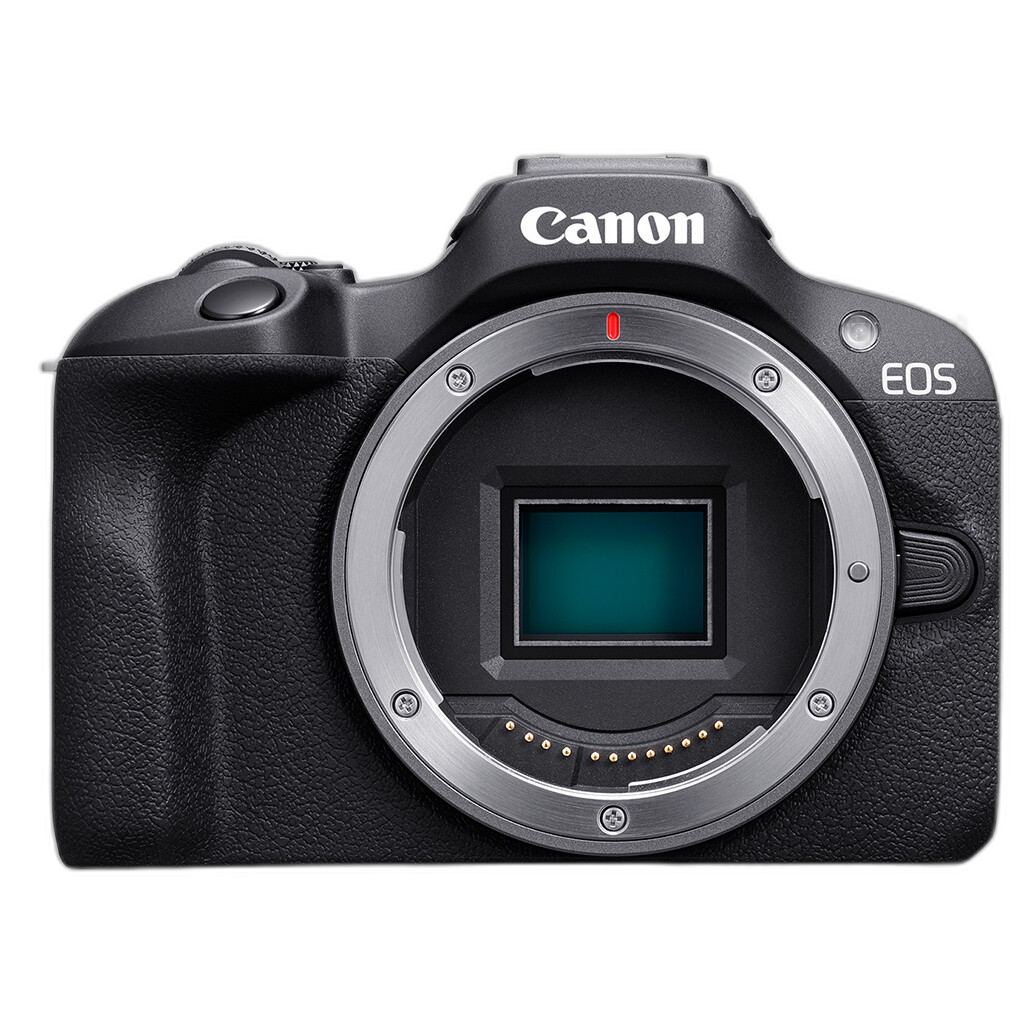
The same applies to the Canon EOS R100 Mirrorless Camera with RF-S 18-45mm and RF-S55-210mm Lenses, which is a practical choice for beginners who want a lightweight mirrorless setup with flexible focal lengths. Both kits available at Unique Photo can serve as a strong starting point for photographers focused on value and image quality.
Sharpest Budget Lens Types for Entry-Level Cameras
If you want the sharpest inexpensive lens for your first interchangeable-lens camera, it helps to think by lens type rather than by brand alone. These categories are usually where the best performance-per-dollar lives.
1. Affordable 50mm Prime Lenses
The classic budget recommendation is the 50mm prime. On entry-level DSLRs, a 50mm lens is often one of the sharpest and least expensive options available. It works well for portraits, detail shots, food photography, and general everyday shooting. Many photographers buy a 50mm as their first serious lens because it produces crisper images and smoother background blur than a standard kit zoom.
On APS-C cameras, 50mm behaves more like a short telephoto, which is flattering for portraits. If you use an entry-level DSLR from Canon or Nikon, this is often the best cheap sharp lens to buy first.
2. Budget 35mm Prime Lenses
A 35mm prime is another favorite because it feels more natural for everyday photography. On APS-C bodies, it gives a field of view that is close to what many people consider normal vision. These lenses are often sharp, compact, and useful for street photography, family events, indoor shooting, and travel.
If you want one budget lens that stays on the camera most of the time, a 35mm prime is one of the strongest options.
3. APS-C Mirrorless Pancake and Compact Primes
Many entry-level mirrorless systems now offer small primes built for portability and affordability. These lenses are ideal for newer photographers who want better sharpness without adding much weight. Compact primes often produce noticeably cleaner detail than retractable kit zooms, especially in lower light or at wider apertures.
For creators using lightweight Canon mirrorless cameras from Unique Photo, this kind of lens upgrade can make a major difference in daily shooting comfort and image quality.
4. Telephoto Kit Zooms with Surprising Sharpness
Not every sharp budget lens has to be a prime. Some entry-level telephoto zooms offer impressive sharpness for wildlife in the backyard, youth sports, portraits, and travel details. While they may not match premium pro telephotos, they can deliver excellent results in good light and are often included in value-oriented two-lens bundles.
Best Budget Lens Focal Lengths for Different Photography Styles
One of the best ways to choose a sharp affordable lens is by matching focal length to your most common subject matter.
- Portraits: 50mm or 85mm-equivalent options are typically ideal for flattering facial features and soft backgrounds.
- Street photography: 24mm, 28mm, or 35mm lenses are often preferred for fast, natural compositions.
- Travel: A sharp compact zoom or a lightweight 35mm prime is versatile and easy to carry all day.
- Food and product photography: 50mm primes are often crisp and affordable, with strong subject isolation.
- Landscapes: Wide kit zooms can be very good when stopped down to apertures like f/8.
- Kids and pets: A moderate telephoto or sharp standard zoom gives flexibility when subjects move unpredictably.
At Unique Photo, beginners often start with a kit zoom, then add a prime lens once they know what they shoot most. That approach helps stretch your budget while still moving toward sharper results.
Mirrorless vs DSLR: Where Do You Get the Sharpest Budget Lens Options?
For years, entry-level DSLRs had the advantage when it came to cheap sharp prime lenses, especially 50mm options. That is still true in many cases, particularly on the used market. However, entry-level mirrorless systems now offer stronger autofocus, lighter bodies, and increasingly good budget-native lenses.
For a new buyer starting from scratch, mirrorless often makes more sense because:
- Modern autofocus systems help beginners get more shots in focus.
- Compact camera-and-lens combinations are easier to carry.
- Newer lens designs are often optimized for digital sensors.
- Many systems include sharp enough starter lenses to delay extra purchases.
That is one reason cameras like the Canon EOS R50 and Canon EOS R100 kits sold by Unique Photo are attractive entry points. They provide a modern platform with enough image quality to learn, improve, and add sharper lenses over time.
How to Get Sharper Photos from Affordable Lenses
Even the sharpest cheap lens can produce disappointing images if technique is overlooked. If your goal is crisp results from a budget setup, these habits matter just as much as the gear.
- Stop down slightly: Many affordable lenses are sharper at f/2.8, f/4, or f/5.6 than wide open.
- Use a fast enough shutter speed: Motion blur is often mistaken for poor lens sharpness.
- Focus carefully on the eye: For portraits, accurate eye focus matters more than lens specs.
- Keep ISO reasonable when possible: Noise reduction can smear fine detail.
- Stabilize your camera: Use proper handholding technique or a tripod for static subjects.
- Clean the front element: Smudges can reduce contrast and make images appear softer.
Unique Photo is a helpful resource if you are still dialing in technique, since beginners often benefit from pairing their first lens upgrade with advice on settings and shooting style.
Should Beginners Buy a Prime Lens or a Zoom Lens First?
This is one of the most common lens questions. If sharpness is the top priority, a budget prime lens is often the winner. Prime lenses generally offer better optical quality for the price, wider apertures, and lighter weight. A 35mm or 50mm prime can be transformative for beginners who want sharper portraits, cleaner indoor images, and more background separation.
If flexibility matters more than maximum sharpness, a zoom lens is still a smart choice. A two-lens kit can cover wide-angle to telephoto shooting and help you discover what focal lengths you actually use before investing in a prime. For many shoppers at Unique Photo, the ideal path is to start with a mirrorless kit and then add one affordable prime once their preferences are clear.
Best Budget Camera Kits That Set You Up for Sharp Images
While this article focuses on lenses, some camera kits stand out because they include useful lenses with strong beginner value.
Canon EOS R50 Mirrorless Camera (Black) with RF-S 18-45mm and 55-210mm Lenses
This kit is a strong option for new photographers who want a capable autofocus system, compact design, and flexible focal length coverage. The included lenses make it easy to learn what subjects you enjoy most before buying a dedicated prime.
Canon EOS R100 Mirrorless Camera with RF-S 18-45mm and RF-S55-210mm Lenses
This is another affordable path into mirrorless photography. It gives entry-level users room to shoot landscapes, portraits, travel scenes, and distant subjects without immediately needing another lens purchase.
These kinds of kits at Unique Photo are especially appealing for budget-conscious creators because they cover a lot of shooting scenarios right away while leaving room to add a sharper prime later.
What to Avoid When Shopping for Cheap Sharp Lenses
Low price alone does not guarantee value. If you are searching for the sharpest budget lenses for entry-level DSLRs and mirrorless cameras, keep an eye out for a few common mistakes.
- Buying based only on maximum aperture: A very fast lens is not automatically sharp.
- Ignoring autofocus performance: A sharp lens that misses focus will frustrate beginners.
- Overlooking system growth: Choose a lens mount with room to expand.
- Assuming every third-party lens is a bargain: Some are excellent, but sample variation and compatibility can matter.
- Skipping practical focal lengths: The sharpest lens is not useful if it does not fit how you shoot.
Shopping with a trusted retailer like Unique Photo can make the process easier because it is simpler to compare beginner-friendly camera systems and lens upgrade paths in one place.
Are There Sharp Budget Options Beyond Digital?
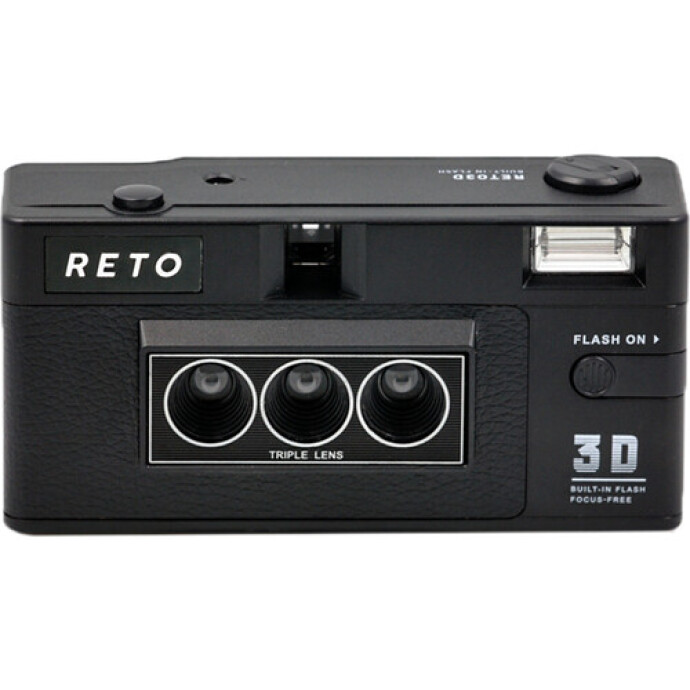
Although most shoppers researching sharp budget lenses are focused on digital DSLRs and mirrorless cameras, some beginners are also exploring affordable film photography. For a fun alternative, Unique Photo also carries products like the Reto 3D Film camera with three lenses and built-in flash. It is not a direct substitute for a sharp digital lens system, but it shows how accessible creative photography can be at different price points. For photographers interested in experimenting beyond standard digital capture, budget-friendly film gear can add another layer of inspiration.
Final Thoughts on the Sharpest Budget Lenses for Beginners
The sharpest budget lens for your entry-level DSLR or mirrorless camera depends on what you shoot most, but a few patterns hold true. Prime lenses usually offer the best sharpness-per-dollar, modern kit zooms are often better than expected, and mirrorless camera bundles can be a smart way to start without overspending. For many beginners, the winning formula is simple: start with a flexible kit, learn your preferred focal length, and then add an affordable prime to boost sharpness and low-light performance.
Unique Photo is a great place to begin that journey, especially if you want an approachable camera kit now and the flexibility to upgrade your lens lineup later. If you are planning your next step, consider exploring internal category pages and related resources such as mirrorless cameras, Canon EOS R system cameras, beginner camera kits, telephoto zoom lenses, and affordable prime lenses. Those links can help readers move naturally from research to the right gear choice.