Getting film negatives into a digital workflow is one of the most important steps in modern film photography. Whether you're archiving family rolls, sharing medium format work online, or making prints, the scanner you choose has a huge impact on sharpness, speed, and overall image quality. The big question is simple: should you use a flatbed scanner or invest in a dedicated film scanner? Below are practical tips to help you decide, along with a few smart ways to round out your film-to-print workflow.
Understand What Flatbeds Do Best
1. Choose a flatbed when you need versatility
Flatbed scanners are popular because they can handle more than just film. They’re useful for scanning prints, contact sheets, documents, and in many cases larger film formats. If you shoot medium format on a classic camera like the Used Voigtlander Perkeo I 6x6 120 Film Camera - Good, a flatbed can be a practical entry point because it gives you access to bigger negatives without requiring a highly specialized setup.
Flatbeds are especially appealing for photographers who want one device for multiple jobs. They tend to be a great fit for archiving, proofing, and general-purpose scans where convenience matters as much as ultimate detail.
2. Expect good results, but not always maximum sharpness
A quality flatbed can produce pleasing scans, especially for medium format and larger originals, but 35mm users often notice the limits more quickly. Dedicated film scanners usually pull finer detail from small negatives because they are designed specifically for that task. If your goal is web sharing, small prints, or quick archive files, a flatbed may be more than enough. If you want to extract every bit of grain and edge detail from 35mm, that’s where dedicated film scanners pull ahead.
Know Where Dedicated Film Scanners Shine
3. Pick a dedicated scanner for 35mm quality and consistency
If you shoot a lot of 35mm film, a dedicated scanner often makes the most sense. These scanners are optimized for smaller film formats and usually deliver better sharpness, improved film flatness, and more precise focus. For photographers who care deeply about preserving detail, tonal separation, and clean enlargement potential, dedicated units are hard to beat.
They’re also ideal if you scan often and want a repeatable workflow. Once dialed in, a dedicated scanner can be a reliable tool for batch archiving your negatives with fewer compromises.
4. Consider your film format before buying
The best scanner depends heavily on what you actually shoot. Medium format photographers may lean toward flatbeds because of frame size compatibility and flexibility. That matters if you’re working with 120 negatives from a camera like the Used Voigtlander Perkeo I 6x6 120 Film Camera - Good. On the other hand, 35mm shooters usually get more value from a dedicated scanner built around that format.
In short: the smaller the negative, the more valuable scanner precision becomes.
Think Beyond Resolution Numbers
5. Don’t judge a scanner by DPI alone
It’s easy to focus on advertised resolution, but real-world performance is about more than DPI. Lens quality, sensor design, film holder alignment, dynamic range, and software all affect your final scan. A scanner with impressive specs on paper can still underperform if it struggles with dense shadows or doesn’t keep the negative properly flat.
What matters most is the usable detail in the file, not just the number on the box. Look for clean shadow separation, accurate color, and a workflow that doesn’t fight you.
6. Dynamic range matters for dense negatives
If you scan contrasty black-and-white negatives or color film with dense shadow areas, dynamic range becomes crucial. Dedicated scanners often do better here, especially with difficult 35mm frames. Flatbeds can still perform well, but if your negatives are challenging, expect to spend more time fine-tuning exposure and post-processing.
Build a Better Scanning Workflow
7. Keep your film and workspace clean
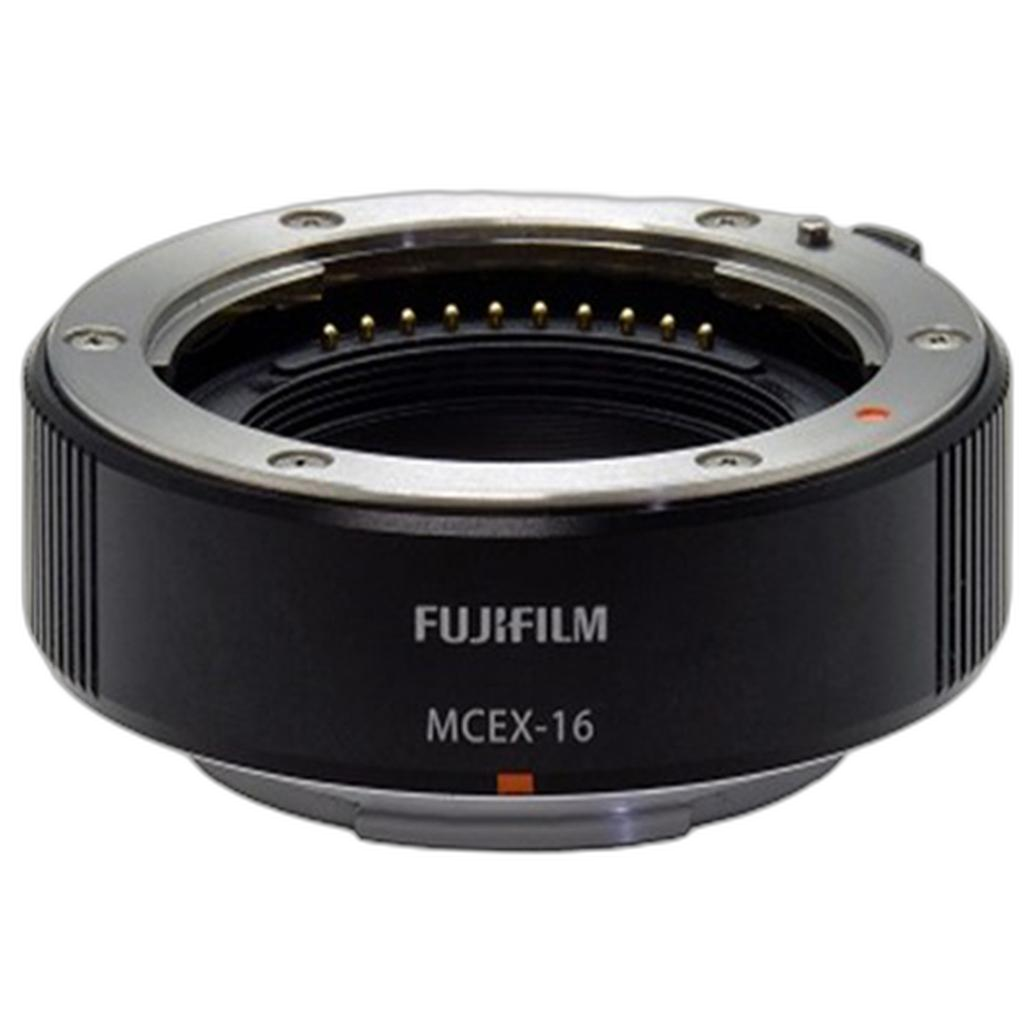
Dust is one of the biggest enemies of film scanning. No matter which scanner you use, clean negatives save editing time. Handle film carefully, store it well, and keep your scanning area organized. Small accessories and protective habits make a difference throughout a film workflow, just as keeping gear capped with something like the Tamron RMC-FUJI Rear Lens Cap for Fujifilm X Mount helps protect equipment between uses.
8. Consider camera scanning as a third option
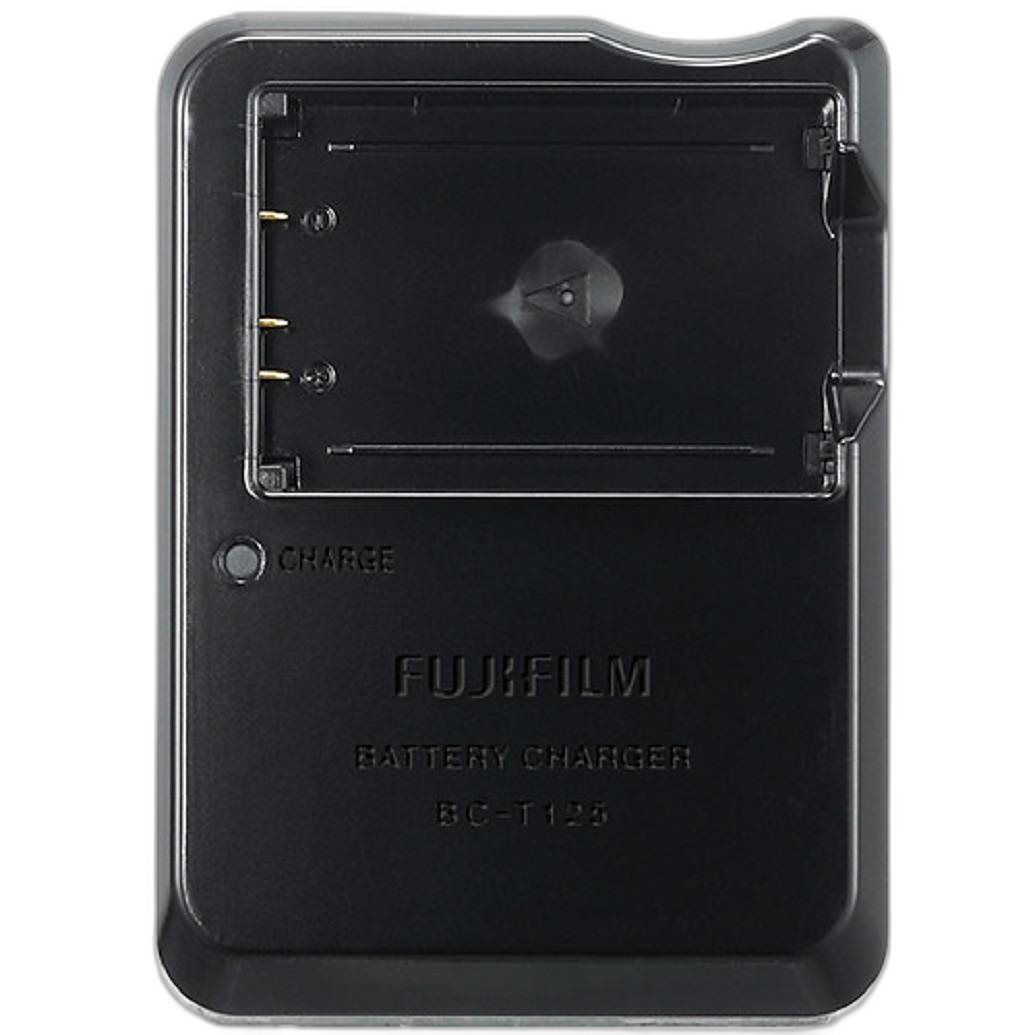
While this comparison focuses on flatbeds and dedicated scanners, camera scanning has become a serious alternative. A digital camera with a macro-capable setup can be incredibly fast and sharp when used correctly. Accessories such as the Fujifilm MCEX-16 16mm Extension Tube for Fujifilm X-Mount can be part of a close-up workflow, depending on your lens choice and reproduction setup.
For photographers already invested in a digital system, this approach can be appealing for speed and flexibility. It won’t replace every scanner workflow, but it’s worth considering if you scan large volumes of negatives.
9. Plan for output, not just capture
Your scanner choice should reflect what happens after the scan. If your images are headed to print, consistency and color management become even more important. For photographers producing physical output, having dependable print materials on hand can help complete the process. Products like Fujifilm DIGITAL PRO 12X354 GLOSSY and Fujifilm Paper Super Type Cn 4x610 NBP Matte are reminders that scanning is often just one part of a larger image-making chain.
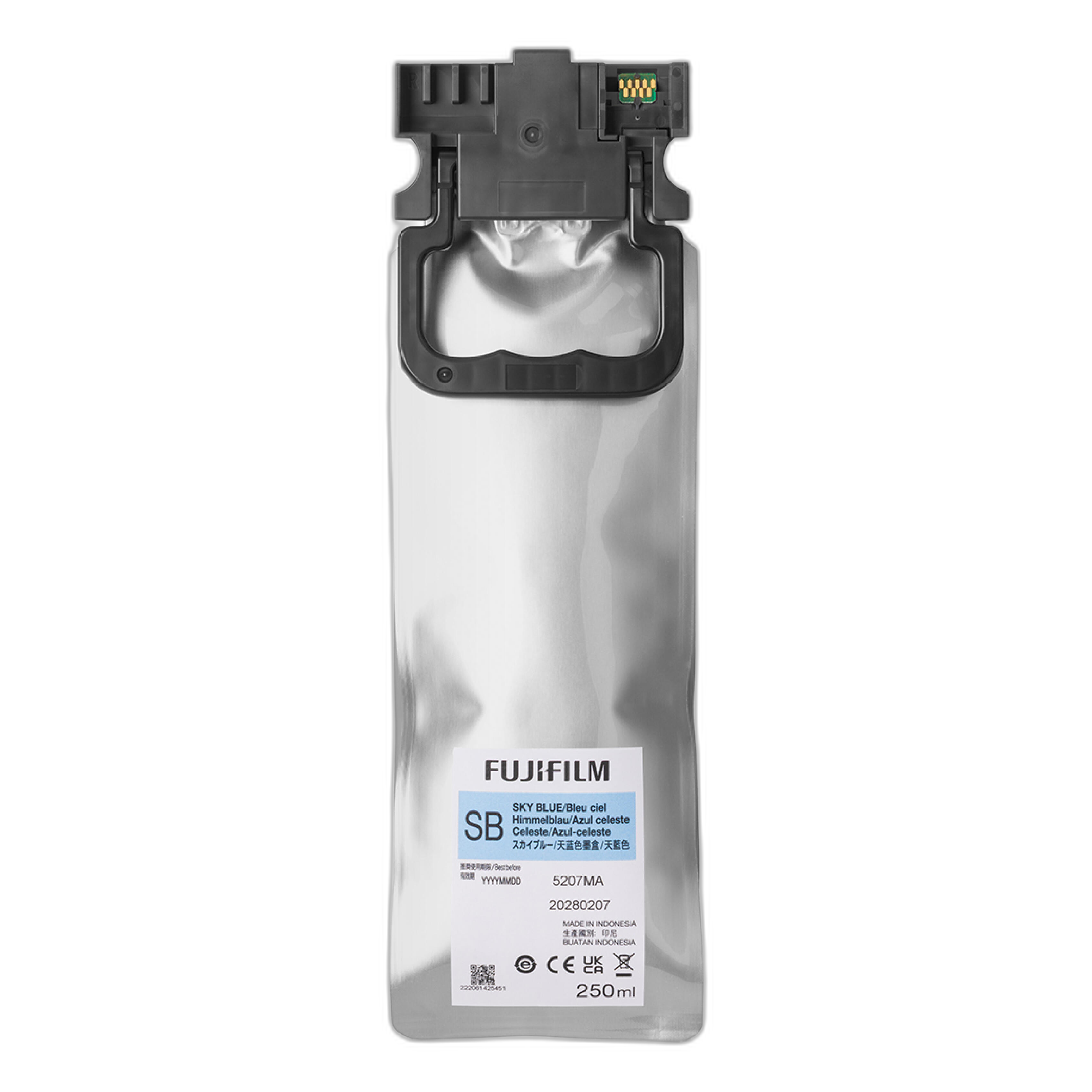
And for print workflows tied to Fujifilm systems, consumables like Fujifilm Sky Blue Ink for DX400W can be part of maintaining reliable output quality in a studio or lab environment.
Match the Scanner to Your Goals
10. Choose based on how you actually work
- Choose a flatbed if you shoot medium format, want to scan prints and documents too, or need a flexible all-around solution.
- Choose a dedicated film scanner if you primarily shoot 35mm and care most about extracting maximum detail and consistency.
- Consider camera scanning if you want speed and already own compatible digital gear.
There’s no universal winner—only the best choice for your negatives, your output, and your workflow.
Conclusion
Flatbeds and dedicated film scanners both have real strengths, and the right option depends on your format, quality expectations, and how much scanning you do. If you’re building out a film workflow—from capture to scanning to printing—it helps to choose tools that support the way you actually shoot. Explore film cameras, accessories, and print supplies at Unique Photo to keep your analog process moving from negative to finished image with confidence.