Overview
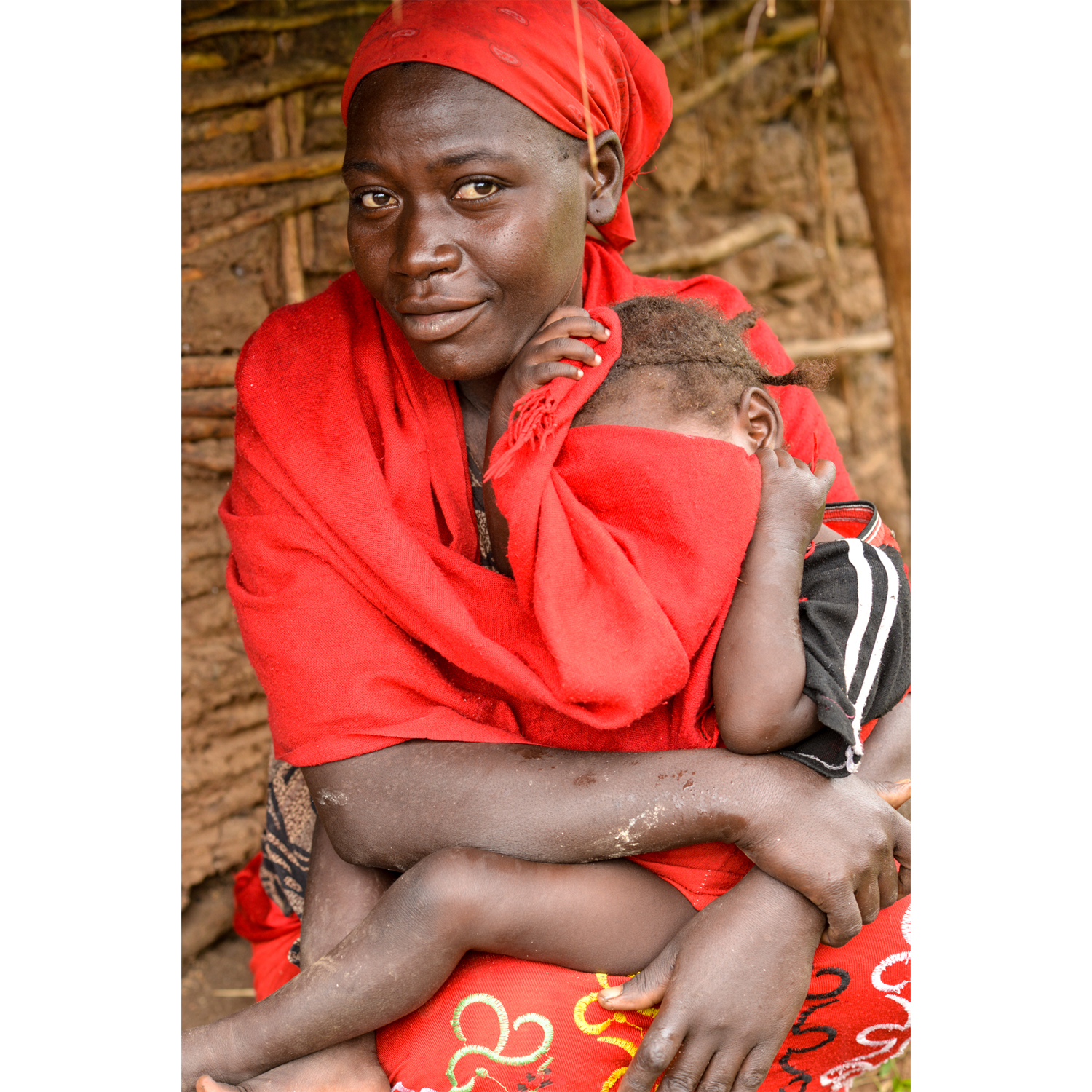
Dynamic environmental portraits live at the intersection of story, place, and personality—and that’s exactly where Unique Photo’s NJCS: Travel Portraits with Bobbi Lane (Fujifilm and Profoto) shines. This workshop is designed for photographers who want to elevate on-location portraits beyond headshots, balancing the authenticity of ambient light with refined direction and supplemental flash. Whether you’re gearing up for street portraits on your next trip, building editorial narratives, or simply looking to inject more context and energy into your people photography, this class distills field-tested techniques into a clear, repeatable workflow.
Bobbi Lane’s approach blends craft and communication: how to read a scene, quickly assess light, choose focal length and angle to honor the environment, and direct subjects with confidence. Demonstrations utilize Fujifilm camera systems and Profoto lighting, but the concepts translate to any brand. The result is a pragmatic, travel-ready toolkit for portraits that feel alive—without weighing you down.
Key Features and Takeaways
Story-First Composition
Environmental portraits succeed when the setting supports the subject. The workshop emphasizes foreground/background layering, clean edges, and perspective choices that amplify narrative. Expect clear guidance on when to step back with a 35–50mm equivalent for context, and when to compress with an 85–135mm for a tighter, cinematic feel.
- Build frames with three planes: foreground interest, subject, and background story.
- Use leading lines and natural frames (doorways, arches, signage) to guide the viewer’s eye.
- Mind the edges: eliminate mergers and distractions to keep attention on your subject.
Mastering Mixed Light
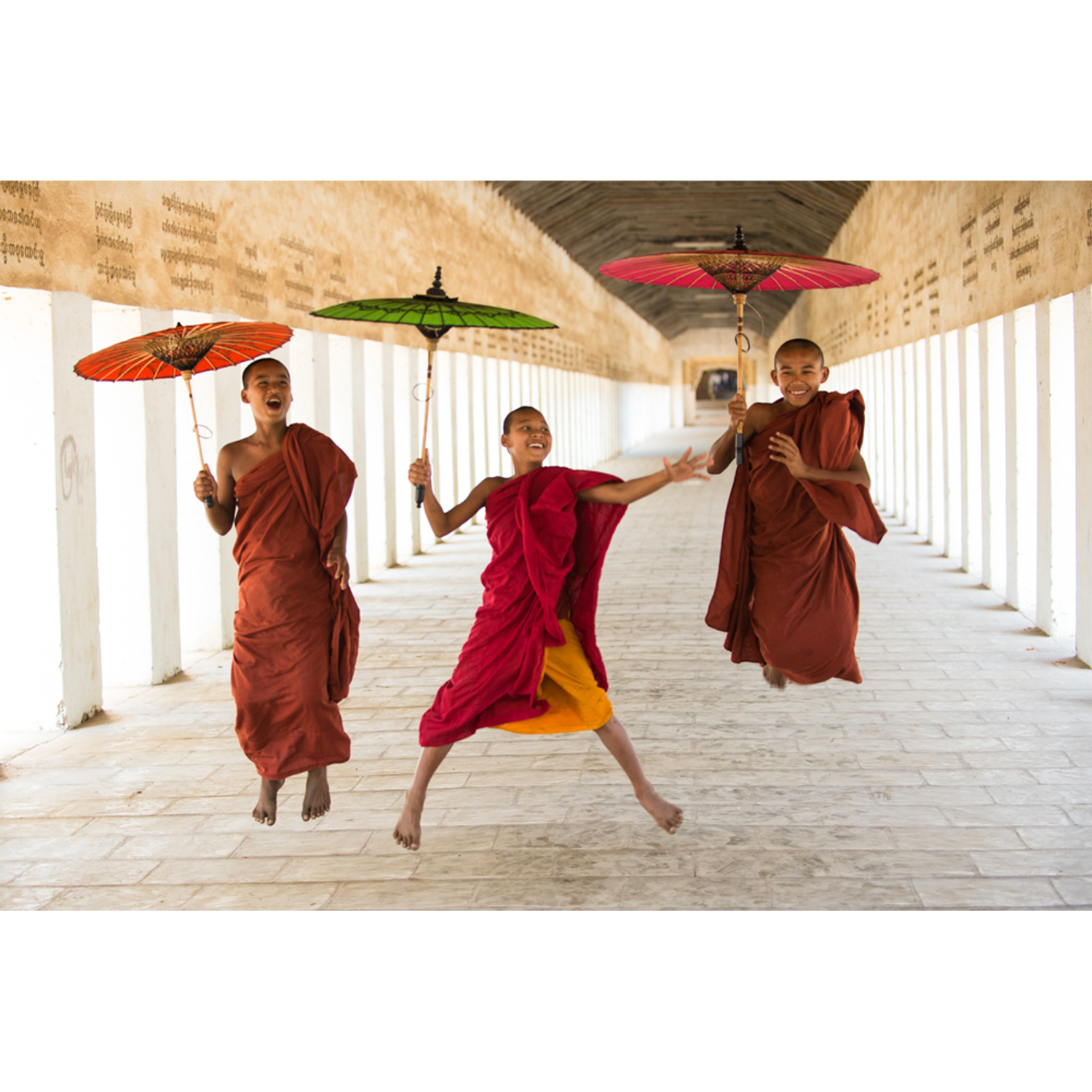
Dynamic doesn’t have to mean chaotic. You’ll learn how to balance sun, shade, and ambient practicals with portable flash. Profoto demos illustrate fast, consistent output and TTL-to-manual transitions, but the balancing act is universal: match ambient exposure first, then add a kiss of light for shape and separation.
- Set ambient foundation: expose for background mood (often -1 to -2 EV from meter for richer tone).
- Add flash as key or kicker; use feathering and distance for natural falloff.
- Drag shutter when you want motion blur in the environment while keeping faces tack sharp.
Scouting, Rapport, and Ethics
Great environmental portraits start before you lift the camera. The session covers quick location assessment, gaining permission, and directing without over-staging. You’ll practice reading your subject’s comfort level and collaborating to create portraits that feel authentic and respectful—crucial when working in unfamiliar places.
- Open with conversation; make a micro-connection before posing.
- Offer quick, positive feedback to build confidence and ease.
- When in doubt, simplify the background and refine pose one step at a time.
Lightweight, Travel-Ready Workflow
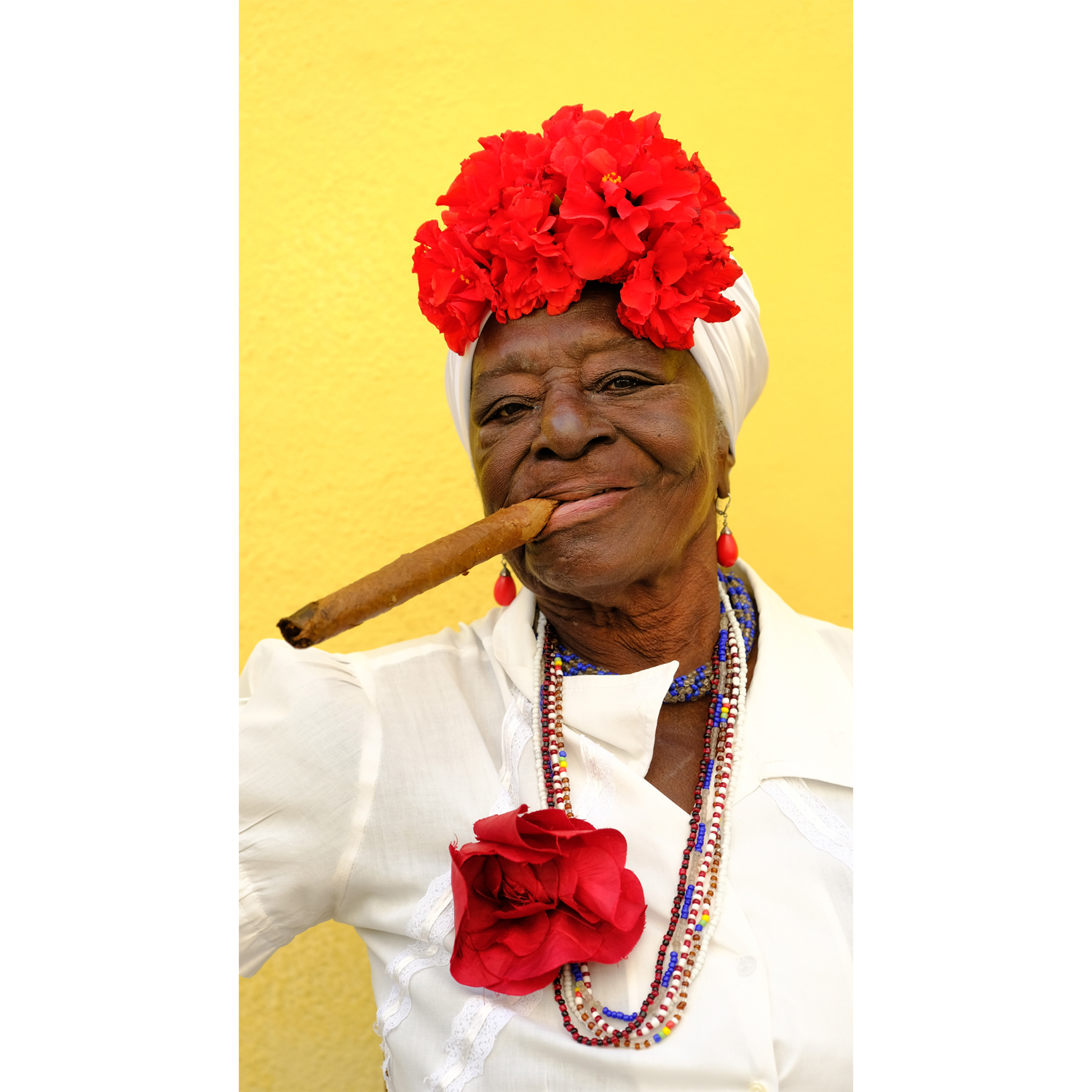
You’ll get practical packing guidance: a two-lens kit, compact modifiers, and a small stand can go a long way. The emphasis is agility—arrive light, work fast, and keep your subject comfortable while still achieving polished results.
- Prime or short zoom plus a telephoto for compression gives you creative range without bulk.
- Collapsible reflectors and small softboxes provide soft, directional light on the go.
- Use high-speed sync or an ND when you want shallow depth in bright conditions.
Hands-On Demos and Feedback
Expect real-time demonstration and critique that connect theory to practice. Seeing how minor changes in pose, angle, or fill ratio transform a frame is invaluable—and you’ll leave with a repeatable checklist for fast, confident execution in the field.
Performance in the Field
As a learning experience, this workshop excels at taming real-world variables: shifting light, busy streets, and time-limited interactions. The instruction breaks down complex decisions—exposure balancing, subject placement, and timing—into a clean sequence. With Fujifilm’s film simulations used for color intent and Profoto’s consistency for shaping, the demos remain brand-agnostic in principle but precise in practice. The upshot: portraits that feel intentional and dynamic, even when you only have 90 seconds with your subject.
Pros and Cons
- Pros:
- Clear, actionable framework for location-based portraiture.
- Strong emphasis on storytelling, not just technicals.
- Practical lighting tactics that translate to any gear ecosystem.
- Ethical guidance for approaching and directing real people on the street.
- Travel-friendly gear recommendations and workflows.
- Cons:
- Beginners may wish for more time on camera fundamentals before diving into mixed light.
- Fast-paced sections can feel dense; taking notes is highly recommended.
- Those seeking studio-only techniques may find the focus too location-centric.
Who Is It For?
- Travel and street photographers aiming to add human stories to cityscapes.
- Wedding, elopement, and lifestyle shooters seeking stronger environmental context.
- Editorial and brand photographers who need agile, on-location lighting solutions.
- Enthusiasts ready to move from “nice portraits” to story-driven, portfolio-grade work.
Tips We Took Away for Dynamic Environmental Portraits
- Pre-visualize the story: identify the background element that defines place, then place your subject in relation to it.
- Set ambient first; add flash at low power to shape without announcing itself.
- Use negative fill (flag or black side of a reflector) to carve cheekbones in flat light.
- Shutter for environment, aperture for subject isolation, ISO to taste—then adjust flash power to taste.
- Leverage backlight for glow; bring exposure back with a small, off-axis fill.
- Pose in micro-steps: feet first, then hips, shoulders, chin—clean hands, watch for mergers.
- When the scene is busy, shoot lower and longer to compress and simplify.
- Drag the shutter 1/15–1/30 sec for ambient motion; keep subject sharp with flash or steady stance.
Verdict and Recommendation
NJCS: Travel Portraits with Bobbi Lane is a standout learning experience for anyone serious about dynamic environmental portraits. It goes beyond tricks to deliver a coherent philosophy: honor the environment, respect your subject, and use light to sculpt story—not to overpower it. If you’re ready to craft portraits that feel lived-in and cinematic, this class delivers the tools and the confidence to execute.
Available through Unique Photo’s Unique University, this workshop is an easy recommendation for travel shooters, portraitists, and hybrid creatives alike. Book it at Unique Photo and bring home portraits that look as good as they felt in the moment.