Lighting Techniques for On-Location Feature Photography — A Review of CS: Key Lighting Methods with Mark Raker (Nanlite)
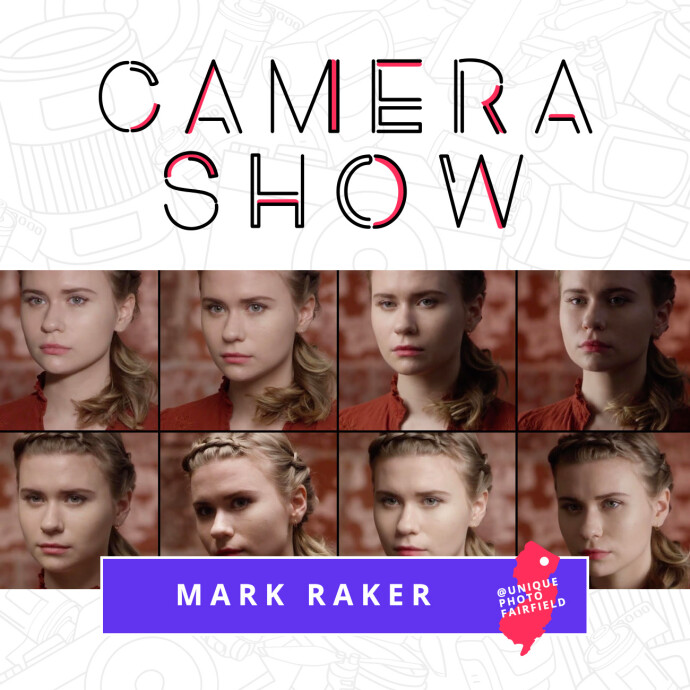
On-location feature photography lives and dies by how well you shape the key light. From environmental portraits to editorial features in mixed, unpredictable spaces, the difference between a snapshot and a spread-worthy image is often a matter of placement, quality, and control of that primary source. Unique Photo’s “CS: Key Lighting Methods with Mark Raker (Nanlite)” zeroes in on that crucial skill set, translating studio fundamentals into portable, real-world solutions you can deploy anywhere. If you’re building a reliable lighting toolkit for features and location portraits, this class is positioned as a focused, practice-forward way to refine your approach.
What This Class Aims to Do
This session emphasizes the art and strategy of the key light—how to choose it, shape it, and balance it with ambient sources on location. While the program highlights Nanlite solutions, the concepts translate across lighting systems and are especially relevant for editorial shooters who need repeatable results in tight, varied spaces.
Key Features and Takeaways
1) Location-First Key-Light Strategy
Expect a strong focus on identifying your subject’s story and then designing the key light to support it—whether you’re shaping contrast for a dramatic environmental portrait or keeping things clean and contemporary for a corporate feature. The emphasis on a primary source keeps your setup agile and intentional instead of gear-heavy.
2) Quality, Direction, and Control
The class underscores the fundamentals that matter most on location: angle, height, distance, and modifier choice. Techniques such as feathering, negative fill, and edge control are presented as practical tools that help you finesse shape and separation without turning a small room into a light stand forest.
3) Working with LEDs for Editorial Workflows
By focusing on continuous LED lighting, the instruction aligns well with hybrid stills/video needs and fast-paced editorial environments. Continuous light makes it easy to see your ratios in real time and communicate intent with subjects and clients—an advantage when time is tight.
4) Balancing Ambient and Mixed Light
On location, you often inherit color temperatures and sources you can’t control. This course addresses how to evaluate ambient, decide when to overpower versus complement it, and maintain consistent color for clean skin tones and faithful hues.
5) Repeatable Setups for Real-World Constraints
The techniques aim for reliability: compact rigs, quick adjustments, and setups that pack down easily. That’s exactly what feature and editorial photographers need when moving from office to factory floor to hotel lobby.
In the Field: Why It Matters for Feature Photography
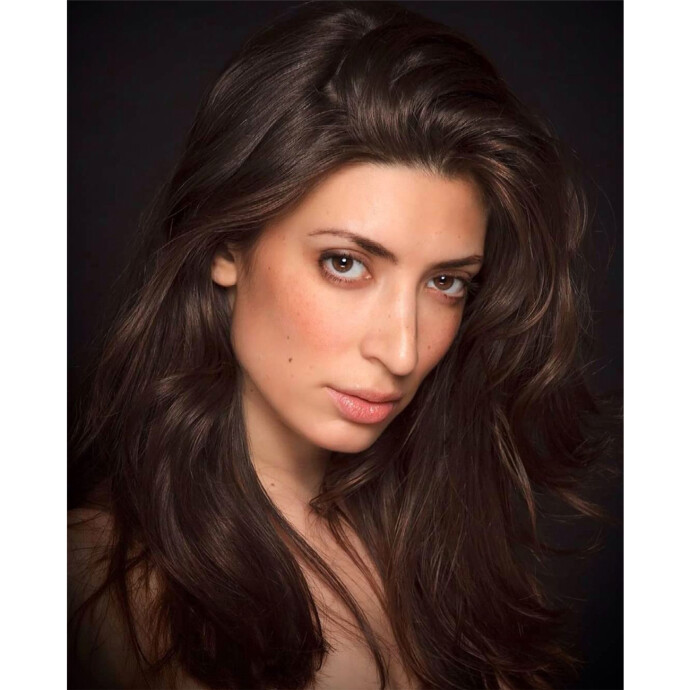
Feature assignments frequently pair a strong subject with a challenging location. The principles emphasized here—precise placement of the key, control of spill, and thoughtful balance with ambient—translate directly to cleaner, more intentional portraits. Even small tweaks, such as shifting from frontal to slightly off-axis key or introducing subtle negative fill, can lift an image from serviceable to editorial-grade.
Who It’s For
• Editorial and corporate portrait shooters who need fast, repeatable location setups
• Wedding and event photographers looking to level up single-source subject lighting
• Hybrid creators who want a unified approach to stills and video key light control
Pros and Cons
- Pros
- Tight focus on the most important light you’ll use—the key—makes the lessons easy to apply on location.
- Continuous LED methodology supports hybrid workflows and rapid decision-making in mixed lighting.
- Emphasis on placement and control over brute-force output encourages portable, efficient setups.
- Concepts are system-agnostic: you can translate techniques to other brands or strobes.
- Cons
- If your work is strictly studio-based, the location-centric approach may feel less essential.
- Those seeking a broad, multi-week lighting deep dive may find the scope intentionally narrow.
- Brand-specific gear references (Nanlite) could require adaptation if you use different systems.
How It Compares and Complements
Want a portrait-focused perspective on lighting style? Consider “Portrait Lighting Made Easy with Joel Grimes,” which leans into creative portrait aesthetics. Need event-specific solutions? “Posing and Lighting Bootcamp: Reception Lighting w. Magda and Simon” zeroes in on reception environments. The Mark Raker session sits neatly in between—grounded in fundamentals but tuned for real-world, editorial-style locations.

Verdict
CS: Key Lighting Methods with Mark Raker (Nanlite) is a sharp, practical class that demystifies the single most important element in on-location feature photography. By emphasizing repeatable setups, real-time evaluation with LEDs, and smart control over spill and shape, it equips shooters to deliver consistent, publication-ready results under pressure. If your assignments range from office editorials to environmental portraits, this is a highly recommended addition to your lighting education.
Where to Buy / Enroll
CS: Key Lighting Methods with Mark Raker (Nanlite), SKU UUUCS8310, is available at Unique Photo. Enroll through Unique Photo’s Unique University to level up your on-location feature lighting workflow.