Introduction: Choosing the Right Short-Film Camera Setup
For short filmmakers, the biggest gear question today is not whether image quality is good enough—it absolutely is across much of the market—but whether a purpose-built cinema camera gives you more practical value than a flagship mirrorless body. On paper, high-end mirrorless cameras can look irresistible: compact size, strong autofocus, impressive internal codecs, and hybrid appeal for both stills and video. But once you move from spec sheets to an actual short-film set, the conversation changes quickly.
The Canon EOS C70 Cinema Camera with RF 24-105mm f/2.8 L IS USM Z Lens Kit positions itself as a serious answer for filmmakers who want a camera built around production workflow rather than hybrid convenience. It sits in a sweet spot: more accessible than larger cinema rigs, but much more film-set-ready than many flagship mirrorless options.
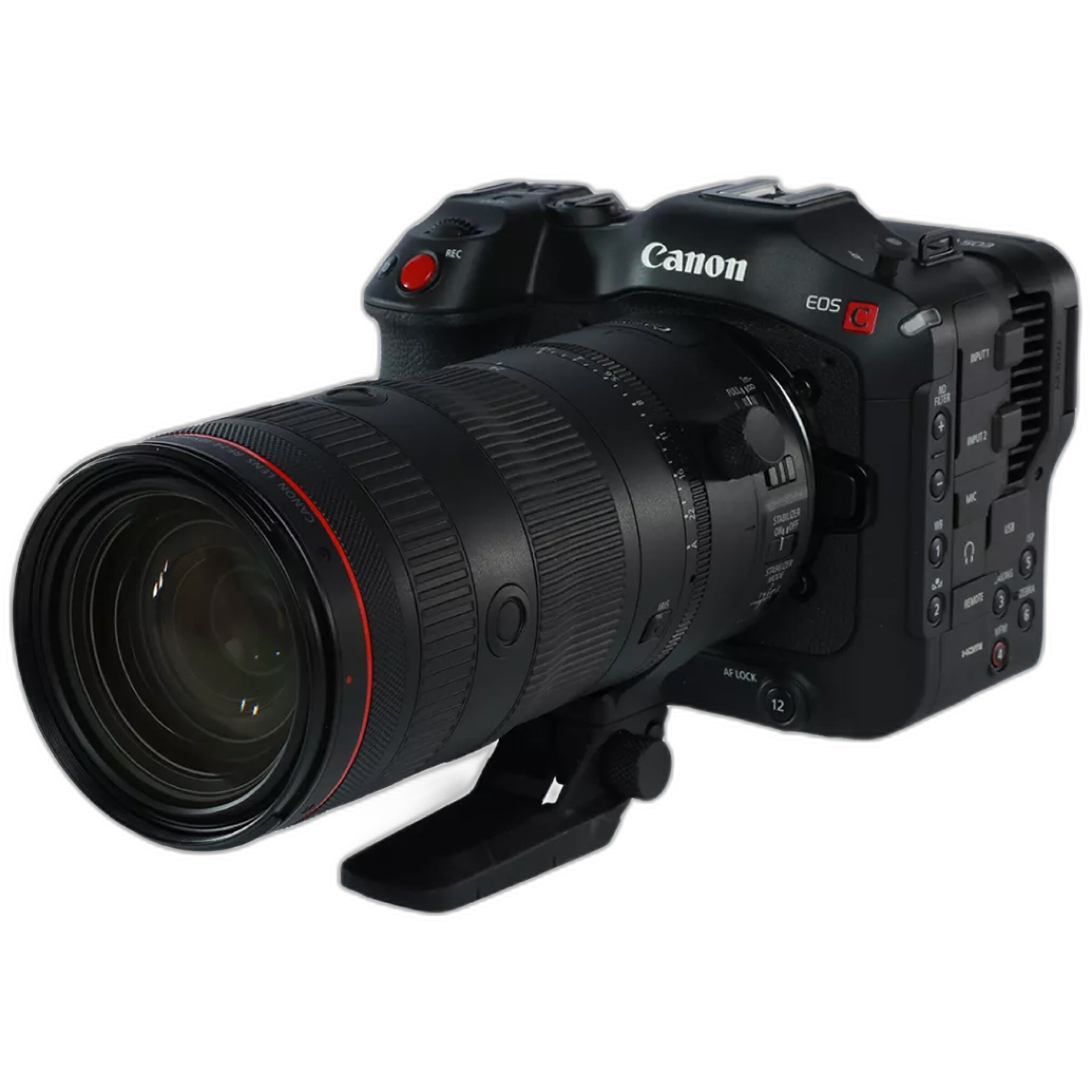
If your goal is to shoot narrative shorts, branded mini-docs, music videos, or festival-ready independent work, the C70 kit is less about chasing the latest hype and more about delivering dependable cinema-first performance. That distinction matters. A short film often asks for longer takes, better audio handling, easier rigging, more robust codecs, and a workflow that stays stable throughout production days. In those areas, a true cinema camera still holds a meaningful edge.
Product Positioning: Where the Canon EOS C70 Kit Fits
The Canon EOS C70 is one of the most compelling entry points into real cinema-camera operation without forcing filmmakers into a bulky shoulder system or a deeply fragmented rig. Paired here with the RF 24-105mm f/2.8 L IS USM Z lens, it becomes a versatile production package that can cover interviews, handheld scenes, controlled interiors, gimbal work, and run-and-gun inserts with minimal compromise.
Compared with flagship mirrorless bodies, the C70 is designed from the ground up for video capture. That means ergonomics that make more sense on set, pro-friendly exposure tools, better physical layout for video operation, internal ND filters, and the kind of connectivity and menu logic that save time when you are trying to make the day.
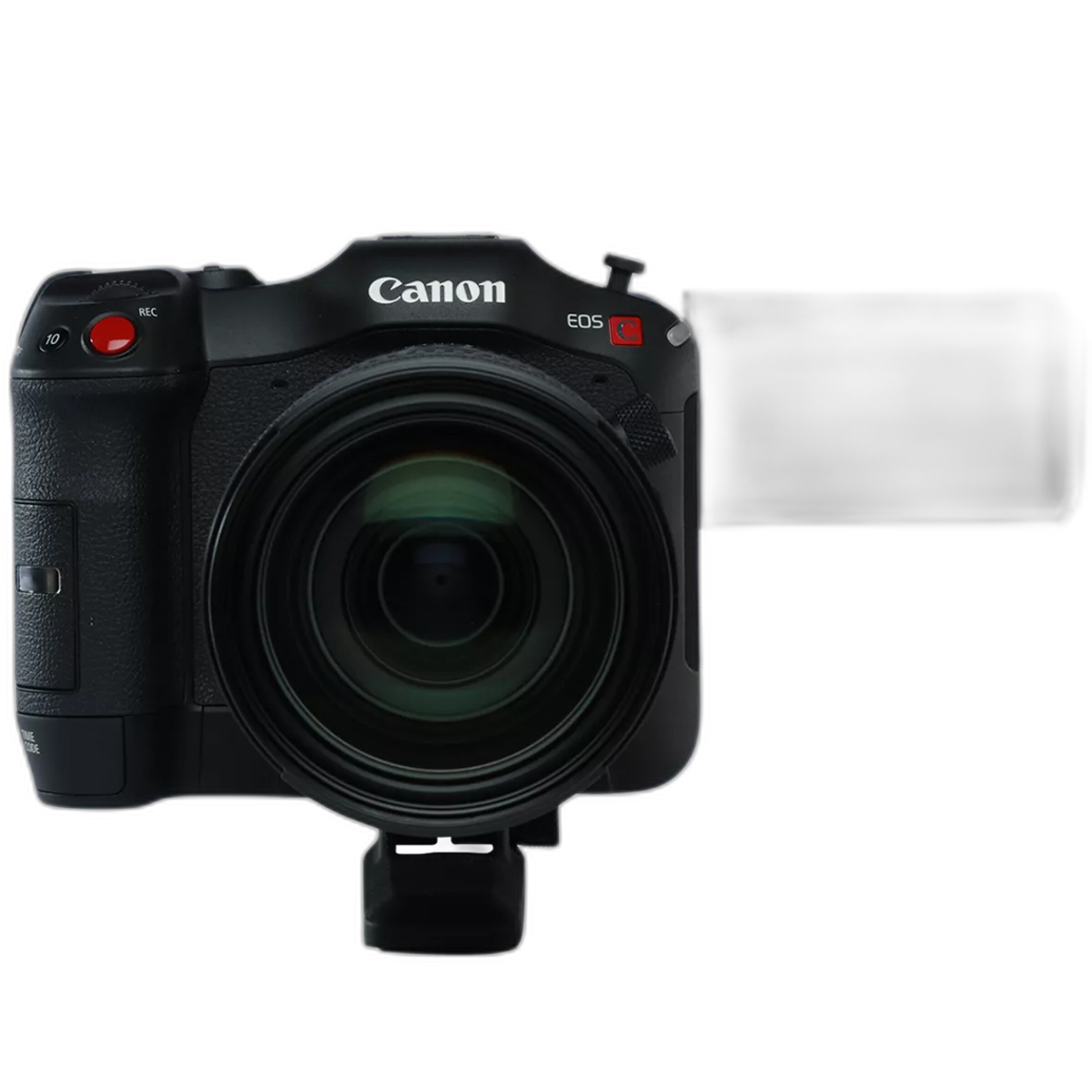
By contrast, flagship mirrorless cameras often excel when you need one body to do everything. They are fantastic for creators who split time between still photography, travel content, commercial video, and occasional narrative shooting. But for filmmakers prioritizing short films, the C70 often feels like the more focused and less compromised creative tool.
Key Features
Cinema-First Ergonomics That Matter on Real Sets
The biggest advantage an entry-level cinema camera has over a flagship mirrorless model is not just image quality—it is usability under production pressure. The Canon EOS C70 is built to be operated as a video camera first. Physical controls, body shape, and monitoring features all support faster adjustment while rolling or between takes.
On a short-film set, that means less dependence on cages and accessory workarounds just to achieve a comfortable base configuration. Mirrorless cameras can certainly be rigged into capable systems, but they often need add-ons for audio, power, monitoring, and handling before they feel set-ready. The C70 starts much closer to that point right out of the box.
Internal ND Filters: A Major Cinema Advantage
One of the clearest quality-of-life wins for the C70 over flagship mirrorless bodies is built-in neutral density filtering. For narrative shooters, this is huge. When moving between interior and exterior scenes, adjusting exposure while maintaining your preferred shutter and aperture is much easier with internal NDs than with screw-on filters or matte box additions.
This alone can speed up production and reduce friction for solo filmmakers or small crews. It is also one of those features that sounds modest on paper but becomes indispensable once you have used it in real shooting conditions.
Professional Video Workflow and Codec Confidence
Short films demand more than pleasing color. They require files that hold up under grading, scene matching, and delivery. The C70 has long appealed to filmmakers because its recording options and cinema-oriented processing provide more confidence in post-production than many hybrid cameras built primarily to satisfy broad consumer and creator audiences.
That does not mean flagship mirrorless cameras are weak here—far from it. Many are excellent. But cinema cameras tend to be designed with sustained video use and editing flexibility as a core priority, not as one feature among many. For short films that involve controlled lighting, multiple setups, and deliberate grading, that can be a meaningful distinction.
The Included RF 24-105mm f/2.8 L IS USM Z Lens Adds Real Production Flexibility
The included lens makes this kit especially attractive. A 24-105mm range is one of the most practical focal spans for short-form filmmaking. It covers wide establishing frames, mid shots, tighter portrait work, and documentary-style punch-ins without constant lens swaps. For smaller productions, that can keep momentum up and simplify gear decisions.
The constant f/2.8 aperture also gives the kit a more premium production feel than slower all-purpose zooms. It supports subject separation, better low-light flexibility, and more visual consistency across the zoom range. In practice, that means fewer compromises when you are trying to move quickly while maintaining a polished cinematic look.
Better Long-Form Reliability Than Many Hybrid Bodies
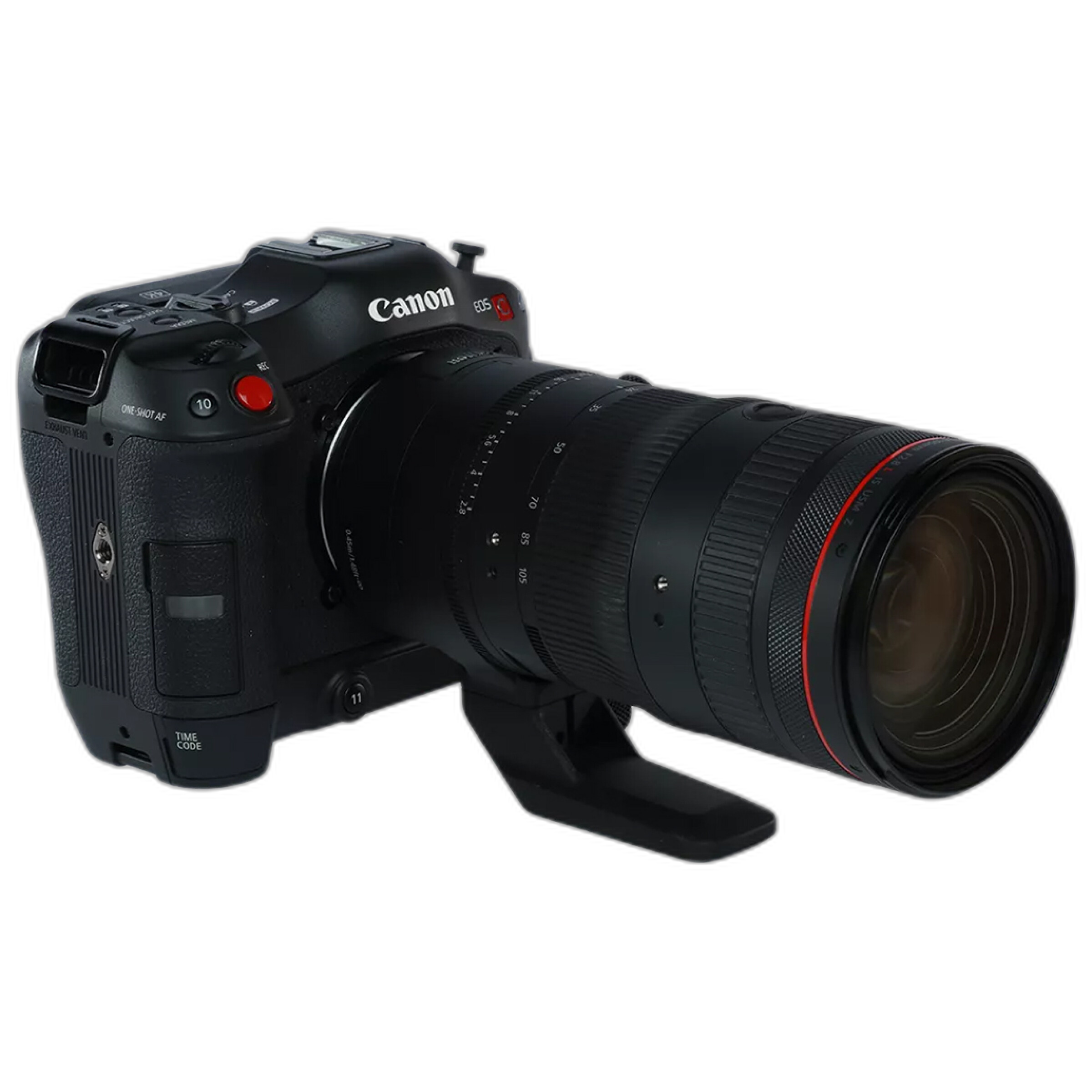
Short films do not always mean short takes. Rehearsals, alternate performances, extended interview segments, behind-the-scenes pickups, and repeated rolling during coverage all favor a system that feels comfortable as a dedicated motion platform. Cinema cameras typically inspire more confidence in these scenarios than mirrorless bodies, which may prioritize compactness over thermal headroom, port layout, or sustained operational comfort.
The C70 is especially compelling here because it keeps the footprint manageable while still behaving like a real cinema tool. For indie filmmakers, that balance is a big part of its appeal.
Lens Ecosystem Considerations for Mirrorless Users
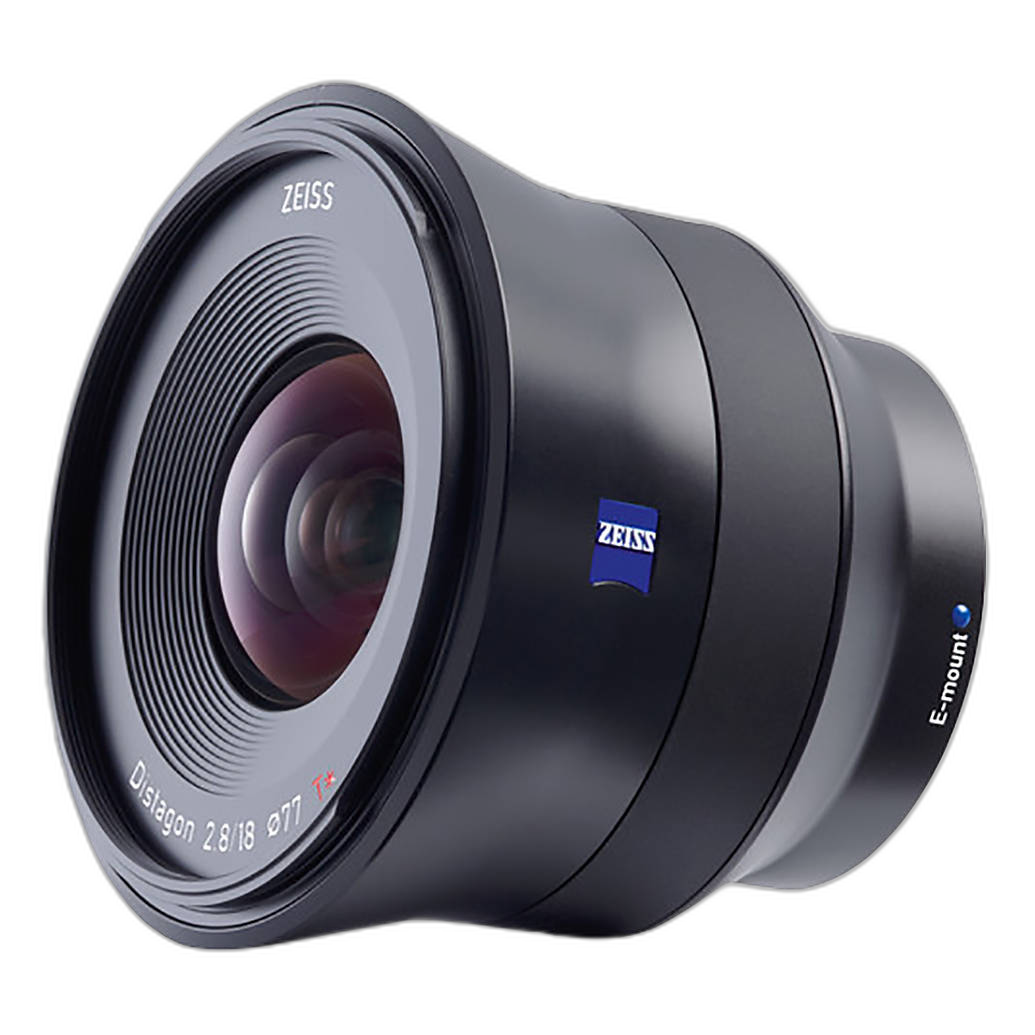
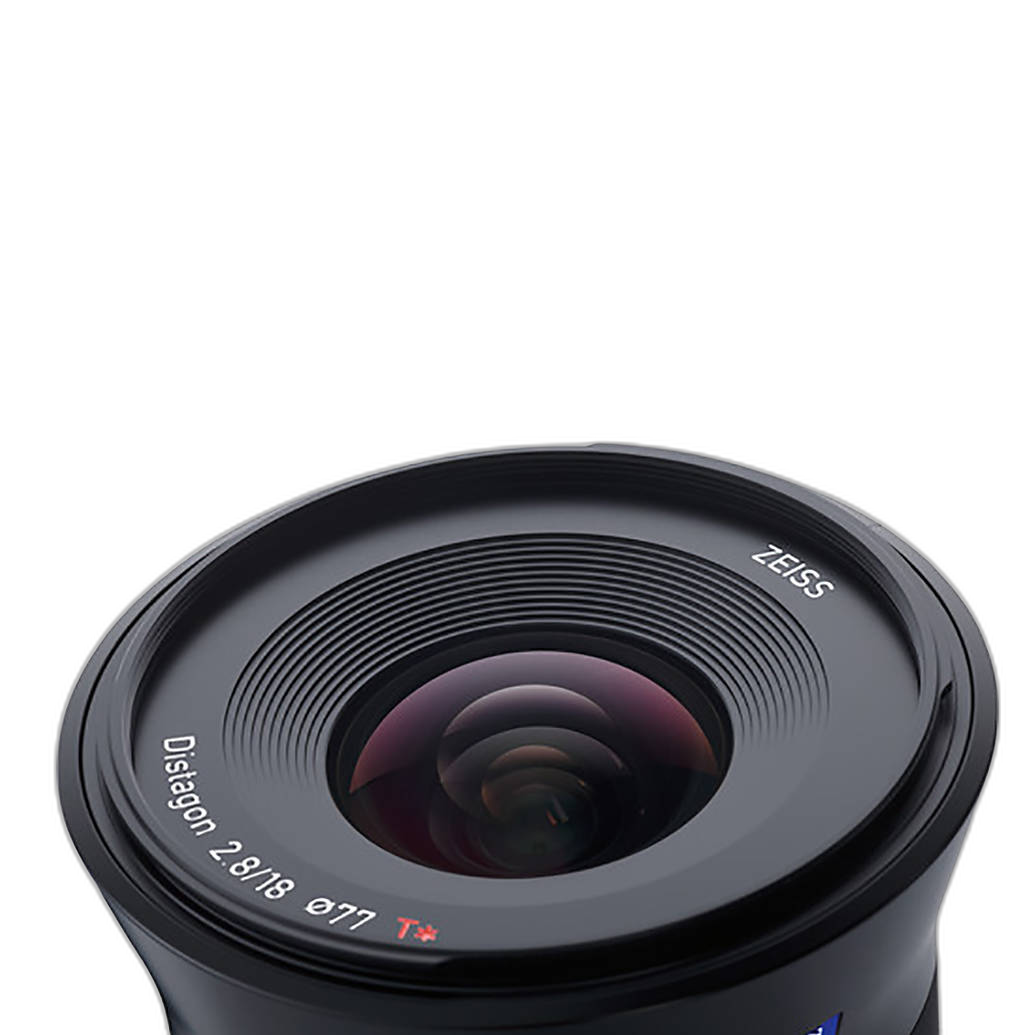
A common argument in favor of flagship mirrorless cameras is lens flexibility, and that is fair. Sony shooters, for example, have access to excellent glass such as the Zeiss Batis 18mm f/2.8 AF lens for Sony Full Frame E-Mount Cameras, which would be a strong choice for dramatic wide shots, location work, and environmental framing on a mirrorless-based short-film setup.
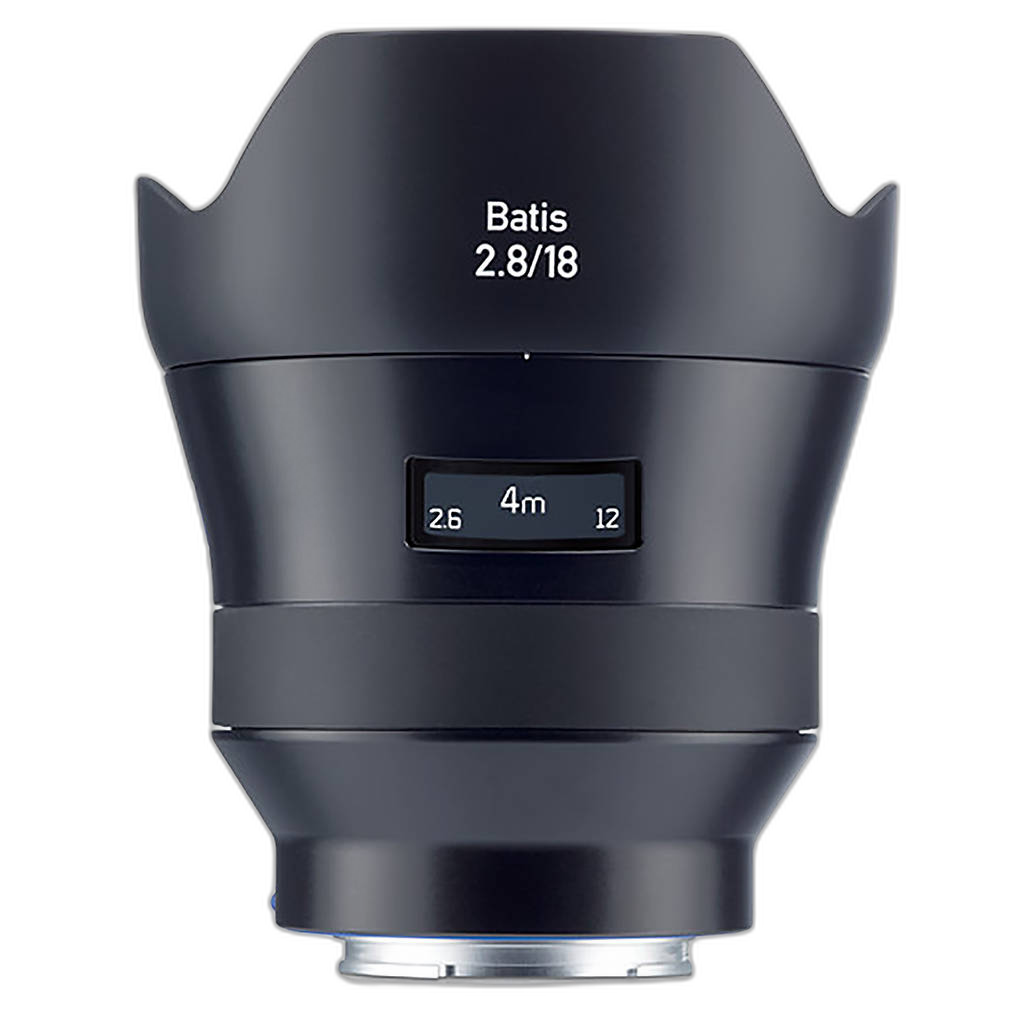
The Zeiss Batis 18mm offers the kind of wide-angle perspective many narrative shooters like for establishing shots and dynamic interior blocking, and it highlights one of mirrorless cameras' strengths: deep lens catalog support. That said, a great lens ecosystem does not erase the operational advantages of a cinema body. In many cases, it simply means flagship mirrorless can be a very strong alternative for filmmakers who already own compatible lenses and accessories.
Short Films: Entry-Level Cinema Camera vs. Flagship Mirrorless
When comparing categories rather than just specs, the difference comes down to priorities.
Choose a flagship mirrorless camera if:
- You also need a high-end stills camera.
- You value the smallest possible footprint.
- You already own a mirrorless lens ecosystem.
- You are building a hybrid content business, not just shooting shorts.
Choose an entry-level cinema camera like the Canon EOS C70 if:
- Your main focus is narrative, documentary, or commercial video production.
- You want built-in ND filters and cinema-oriented controls.
- You need a body that feels closer to production-ready without extensive rigging.
- You prioritize workflow, reliability, and ease of operation on set.
For short films specifically, the C70 often wins because it reduces the number of compromises filmmakers have to manage during production. It is not necessarily the absolute cheapest route, but it can be the more efficient route—creatively and operationally.
Practical Accessories and Ownership Considerations
Power and Support Gear Still Matter
No matter which route you choose, power strategy is critical. Filmmakers working with Blackmagic systems, for instance, know how important dedicated accessories can be, and products like the Blackmagic Design Power Supply for Pocket Cinema Camera illustrate how cinema-oriented workflows often depend on reliable support gear.
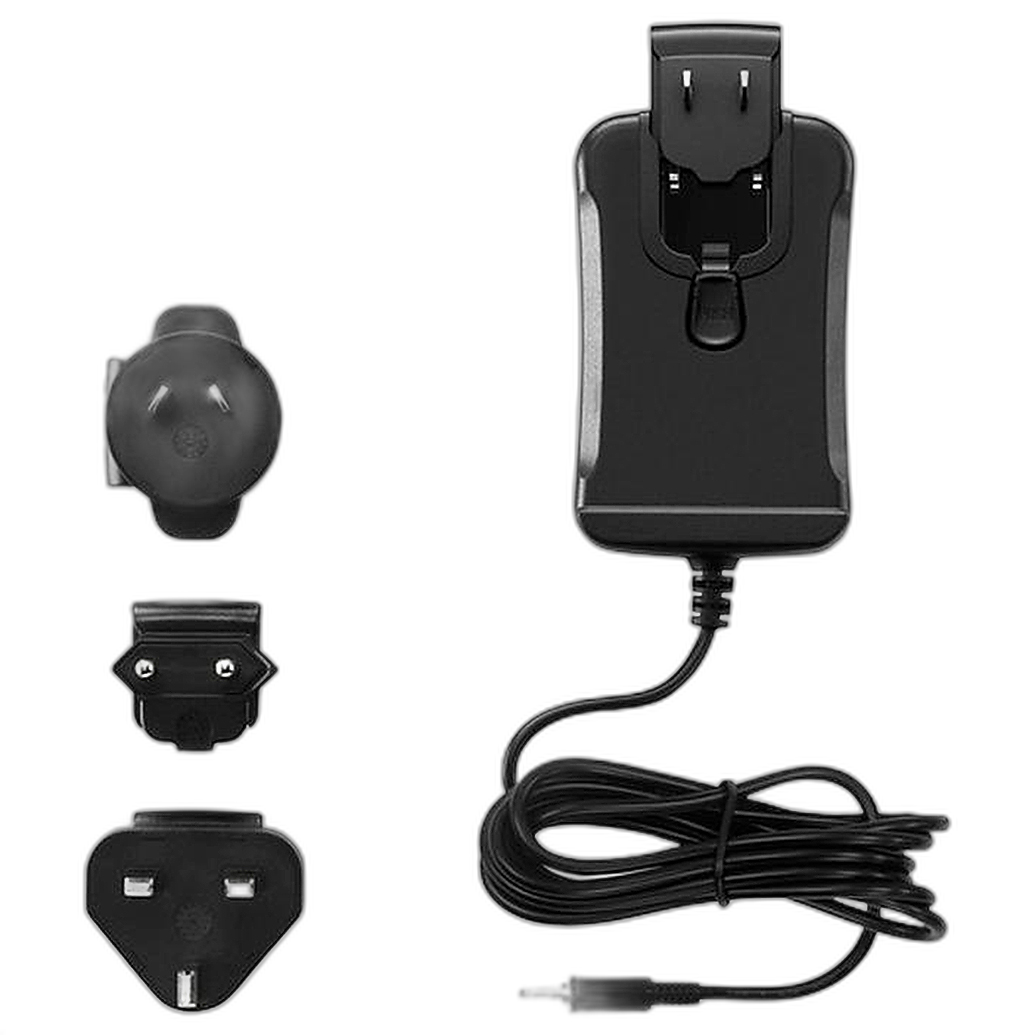
While this accessory is specific to another ecosystem, it underscores a useful buying lesson: cinema shooting is not only about the camera body. It is about powering, protecting, and supporting a production-ready setup over long days.
Protection for a Serious Investment
For buyers stepping into a cinema-camera workflow, warranty coverage is worth thinking about from day one. Canon users looking at higher-value cinema gear should pay attention to support options like the Canon CarePAK PRO EOS Cinema Cameras - 4000-5499.99 - 2 year warranty.

With production equipment, downtime can cost more than repair bills alone. Extended protection can make particular sense for filmmakers using gear professionally, renting it to collaborators, or planning demanding location shoots.
Pros and Cons
Pros
- Purpose-built cinema ergonomics are better suited to short-film production than most mirrorless bodies.
- Built-in ND filters provide a major real-world speed and convenience advantage.
- The included RF 24-105mm f/2.8 L IS USM Z lens is highly versatile for narrative work.
- Strong workflow and production usability reduce the need for heavy rigging.
- Compact for a cinema camera while still feeling set-ready.
- Excellent fit for filmmakers who prioritize video over hybrid stills/video use.
Cons
- Less ideal than flagship mirrorless cameras if still photography is equally important.
- Higher upfront cost than some hybrid alternatives.
- Flagship mirrorless systems may offer broader lens/accessory ownership advantages for users already invested in another mount.
- Some shooters may still prefer the smallest possible body for travel or ultra-light gimbal work.
Verdict: Which Is Better for Short Films?
If your primary goal is making short films—not balancing stills, social content, and occasional video jobs—the Canon EOS C70 Cinema Camera with RF 24-105mm f/2.8 L IS USM Z Lens Kit is the more filmmaker-centric choice. It delivers the operational strengths that matter on set: cinema-focused handling, built-in ND, dependable workflow, and a highly practical lens package that can carry a large percentage of narrative shooting needs.
Flagship mirrorless cameras remain incredibly capable, and for hybrid creators they can absolutely be the smarter buy. But for directors, cinematographers, and serious indie filmmakers who want a dedicated motion tool without stepping into a much larger cinema rig, the C70 kit stands out as a stronger platform for short-film production.
For filmmakers ready to invest in a camera system built for actual video work rather than hybrid compromise, this kit is easy to recommend. You can buy the Canon EOS C70 kit and supporting accessories from Unique Photo, a trusted source for cinema, mirrorless, lenses, and production gear.