Introduction: A Creative Film Technique Worth Trying
Push/pull processing is one of the most useful and misunderstood tools in film photography. Although the phrase sounds technical, the idea is simple: you intentionally rate your film differently from its box speed, then compensate during development. In practice, pushing usually means exposing film at a higher ISO than rated and extending development to recover density, while pulling means exposing at a lower ISO and reducing development to control highlights and contrast.
For photographers who want more flexibility from film, push/pull processing can be a smart technique to explore. It can help you shoot in lower light, shape contrast, influence grain, and get a different visual character from a familiar stock. This is especially attractive for street, concert, documentary, and experimental photographers who do not always have ideal lighting or who want a more expressive final result.
In a practical sense, push/pull processing is less about "fixing" mistakes and more about making a deliberate exposure-and-development choice. If you are scanning your negatives or printing in the darkroom, learning when to push or pull can give you more control over the image before editing ever begins.
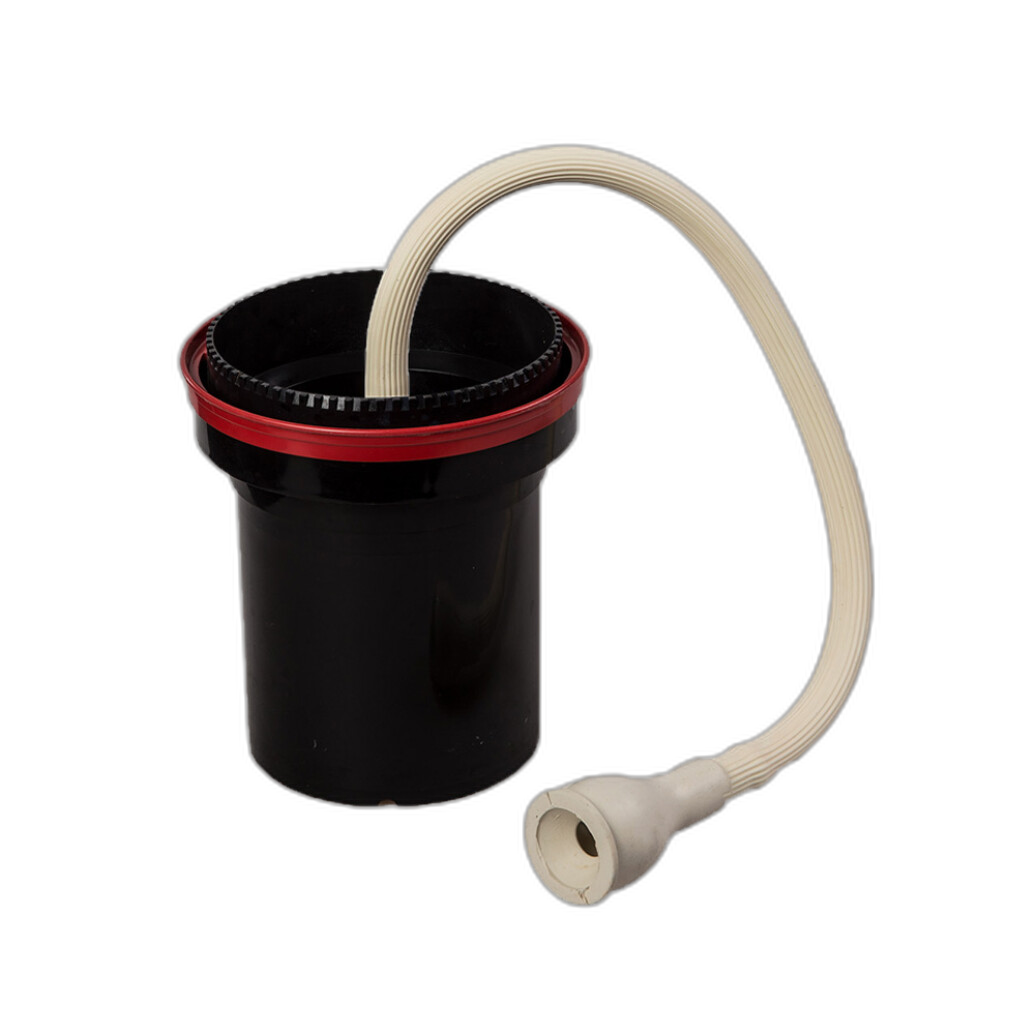
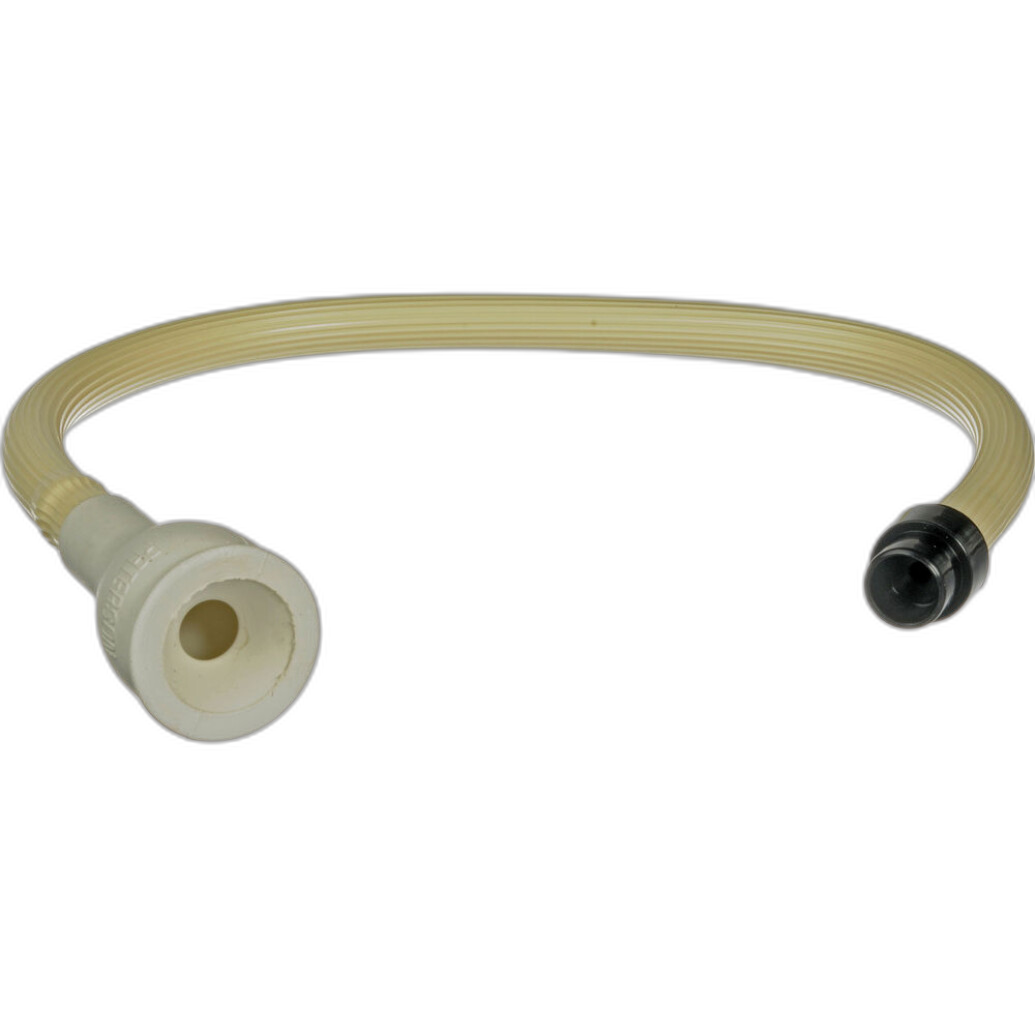
And if you are developing your own film, having reliable darkroom tools matters. Accessories like the Paterson Force Film Washer make the finishing stage of home processing cleaner and more efficient, which is important when you are experimenting with development variations.
What Push and Pull Processing Actually Do
Pushing Film: More Speed, More Grit, More Contrast
Pushing is the more common technique. You might shoot ISO 400 film at ISO 800 or 1600 when light is limited, then ask the lab to push +1 or +2 stops, or adjust your own development time accordingly. The main reason photographers do this is practical: it lets you keep a handholdable shutter speed or a workable aperture in dim conditions.
The tradeoff is that pushed film typically shows more grain, stronger contrast, deeper shadows, and sometimes less shadow detail. In black-and-white photography, this can look dramatic and intentional. In color negative film, it can create mood but may also shift color and increase saturation or density in unpredictable ways depending on the stock.
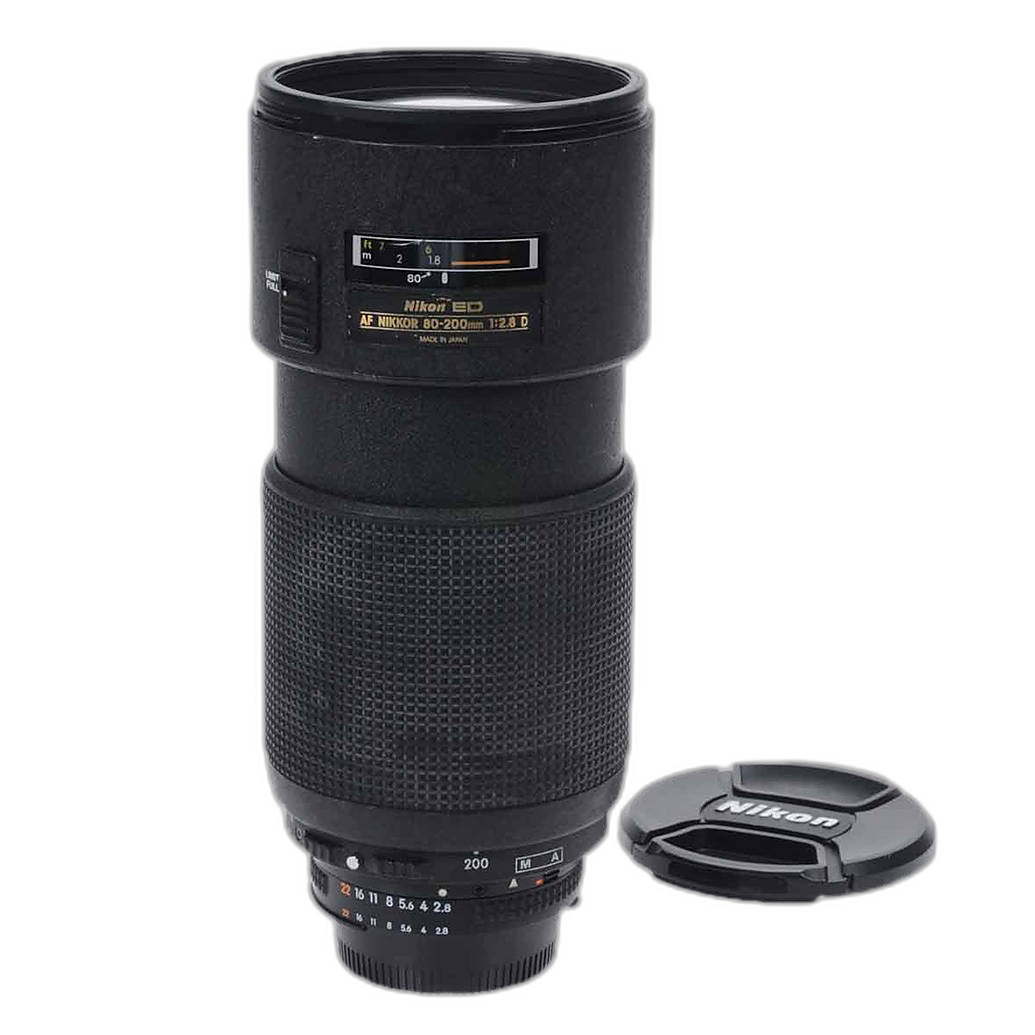
There is a fun parallel here with older push-pull zoom lenses like the Used Nikon 80-200mm f/2.8D Push Pull Lens - Excellent. Just as the lens encourages quick, decisive framing changes, push processing encourages fast adaptation when conditions are changing and light is not ideal. Both reward confidence and an intentional shooting style.
Pulling Film: Softer Contrast and Better Highlight Control
Pulling is less common but very useful. You might rate ISO 400 film at ISO 200 and reduce development slightly. This approach is often chosen when shooting in very bright conditions, when you want gentler contrast, or when a scene has harsh highlights that you want to tame.
Pulled film often shows smoother tonality and a little more highlight retention, especially in black-and-white workflows. It is not usually a first-choice technique for every subject, but it can be very effective for portraits, high-contrast daylight scenes, and negatives intended for darkroom printing where highlight control matters.
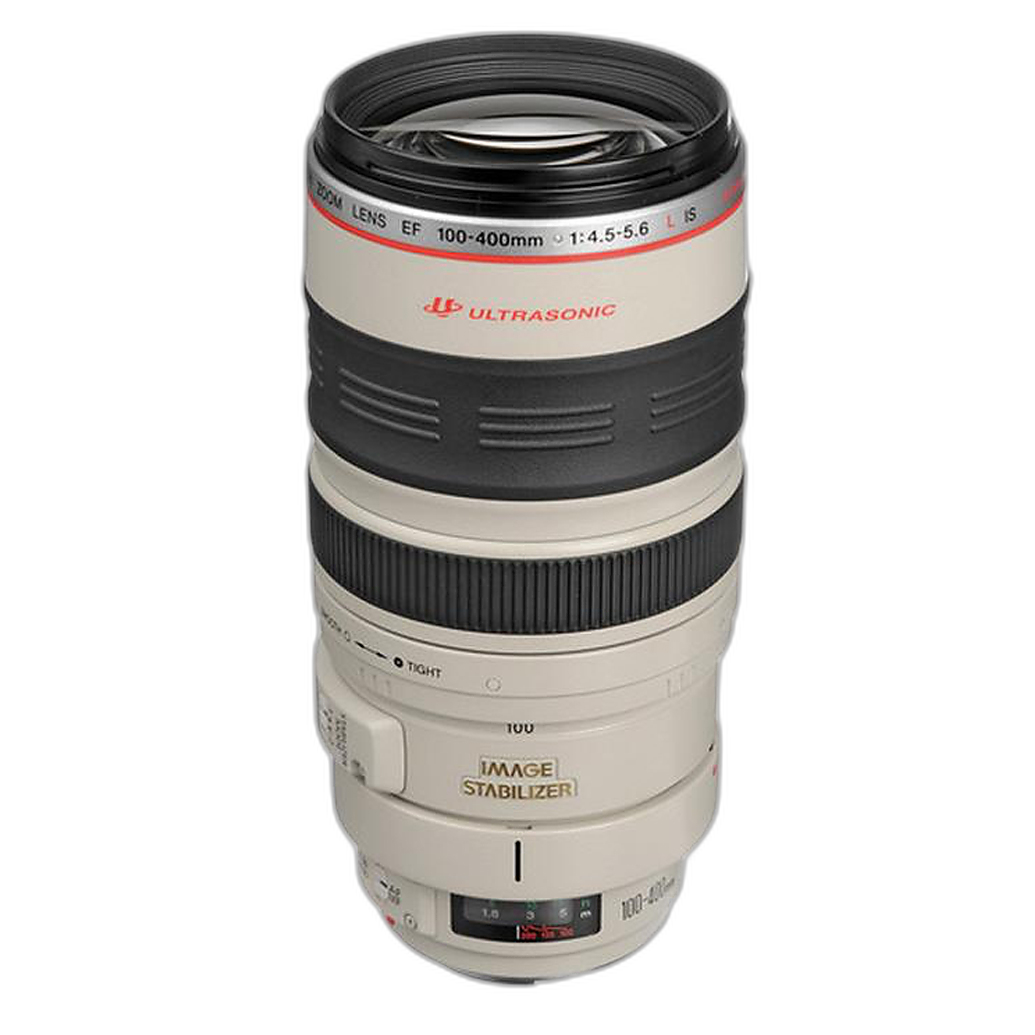
The concept also echoes gear choices that prioritize flexibility over convention, such as the Used Canon EF 100-400mm f/4.5-5.6 L USM Push/Pull - Fair. Push-pull systems have always appealed to photographers who value speed and responsiveness, and push/pull processing works the same way on the film side of image-making.
When Should You Try Push Processing?
Low-Light Situations
If you regularly shoot indoors, at events, on the street at night, or in overcast winter light, pushing can be extremely useful. A one-stop push may let you move from a blurry shutter speed to something usable without changing lenses or carrying a flash.
When You Want a More Aggressive Look
Pushed black-and-white film can look raw, energetic, and classic. If your project benefits from visible grain, punchier midtones, and moodier shadows, pushing is not just a technical fix—it is an aesthetic decision.
When You Are Limited by Your Camera or Lens
Film shooters using older cameras or slower zooms often rely on push processing to stretch what their setup can do. Even with fast glass, there are times when more effective film speed is the easiest path forward.
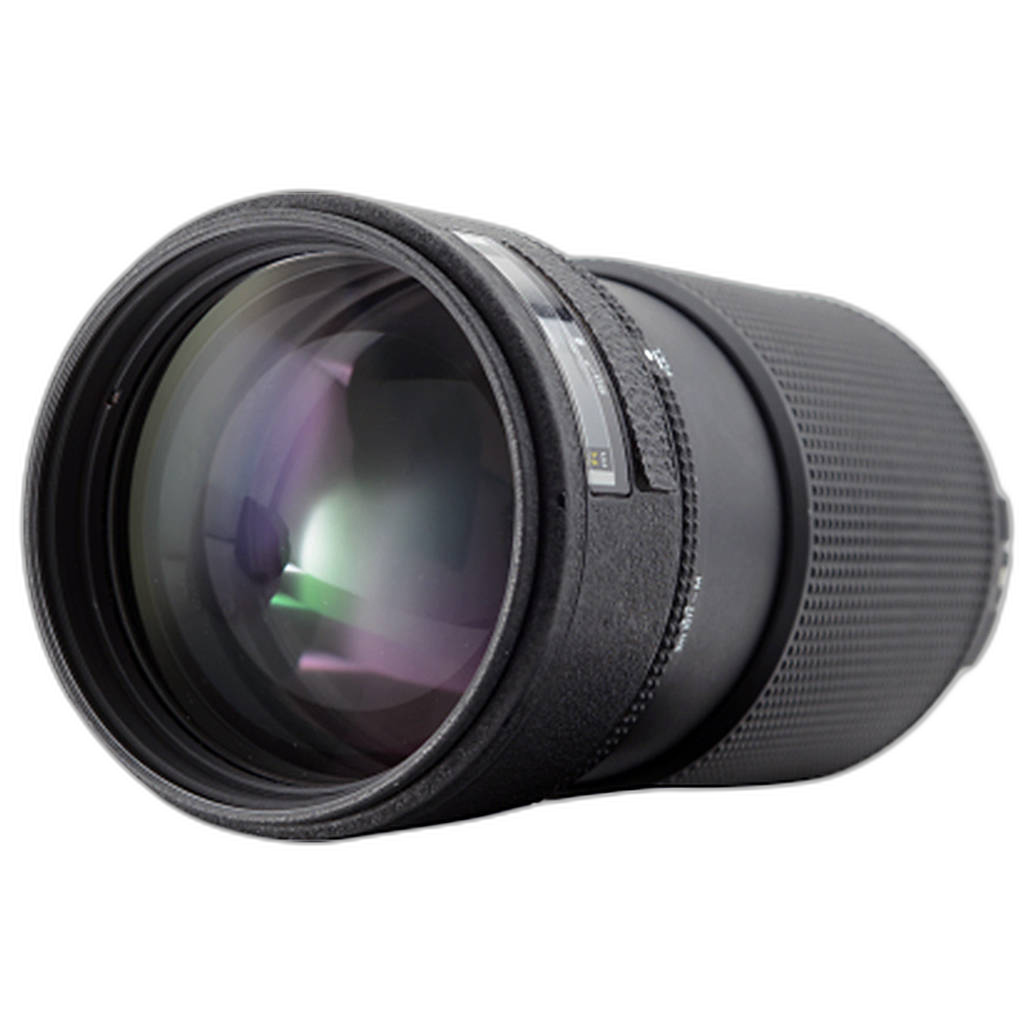
A lens like the Used Nikon 80-200MM F/2.8 Push Pull - Good already gives you a bright aperture, but pairing a fast telephoto setup with pushed film can make sports, stage, and candid work even more practical in difficult light.
When Should You Try Pull Processing?
Bright Midday Scenes
If you are shooting in hard sun and want smoother tonal transitions, pulling can help keep highlights under control. This can be especially appealing with black-and-white film when the scene contains bright concrete, white clothing, reflective surfaces, or pale skies.
Portraits with Delicate Tones
For portraits, a slight pull can reduce harshness and make skin tones or grayscale transitions feel more forgiving. It is not magic, but it can produce a quieter, more refined negative.
Darkroom Printing Workflows
If you make optical prints, slightly lower contrast negatives can sometimes be easier to print, depending on the scene and paper choice. Pulling can be part of a larger workflow strategy rather than a one-off experiment.
What Are the Risks?
Push/Pull Processing Is Not a Universal Rescue Tool
The biggest mistake beginners make is assuming development can completely recover a badly exposed frame. It cannot. Pushing does not create shadow detail that was never recorded, and pulling does not fully undo blown highlights. Exposure still matters.
Results Vary by Film Stock
Some films push beautifully; others become muddy, grainy, or color-shifted faster than expected. Black-and-white stocks tend to be the most forgiving for learning. Color negative film can also work well, but consistency depends heavily on the emulsion and the lab. Slide film is generally far less forgiving.
Lab Communication Matters
If you are sending film to a lab, you need to label it clearly. A roll shot at a pushed or pulled speed should not be mixed with frames metered at normal box speed. Since development applies to the whole roll, consistency is essential.
Supporting Tools for Home Processing
Film Washing and Workflow Control
If you process at home, a consistent wash stage is part of getting clean, stable negatives. The Paterson Force Film Washer is a useful accessory for photographers building a reliable film workflow, especially as they begin testing different development times and techniques.
Darkroom Handling Accessories
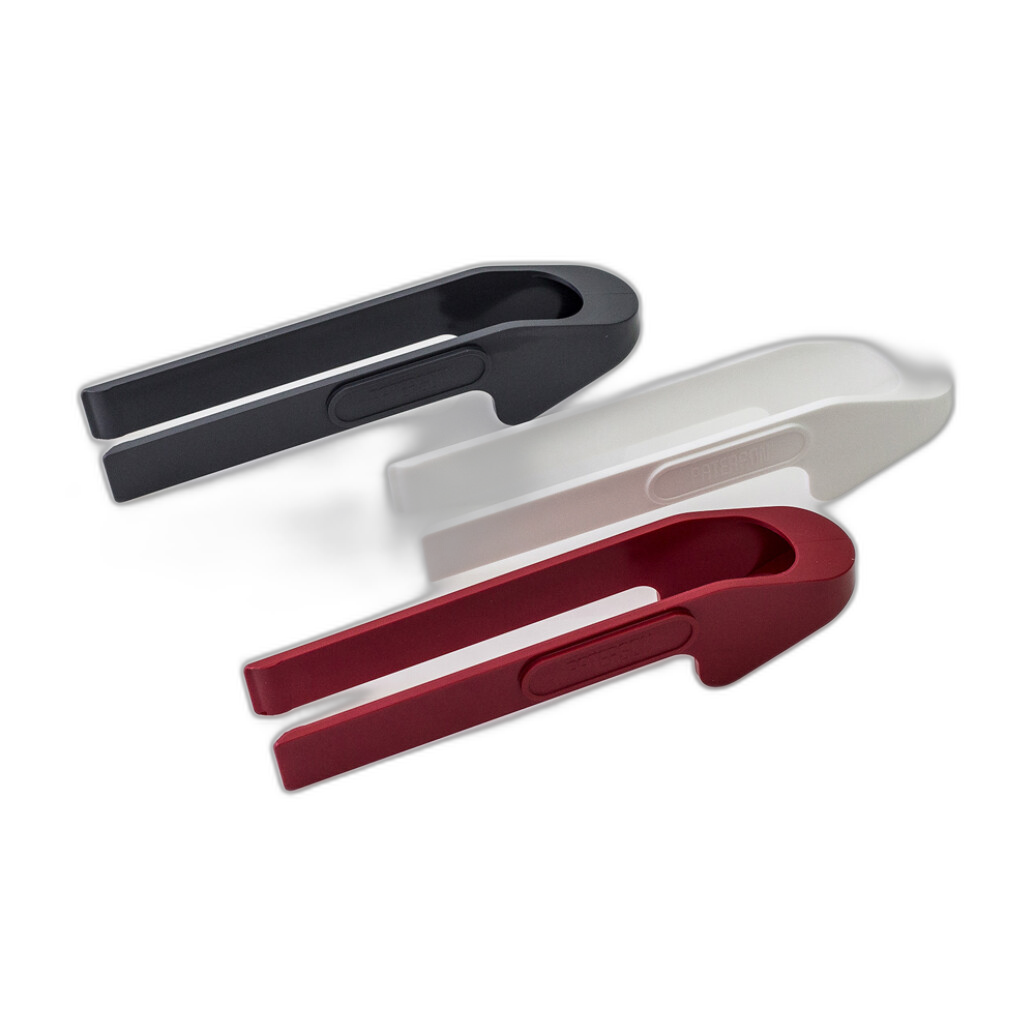
Simple tools also make a difference in wet darkroom environments. The Paterson Print Tongs are not specific to push/pull processing, but they are a practical reminder that clean handling and repeatable technique matter whenever you are refining a film workflow.
Pros and Cons of Push/Pull Processing
Pros
- Expands your shooting options in difficult lighting
- Lets you shape contrast, grain, and mood creatively
- Can make slower shooting setups more flexible
- Especially effective for black-and-white film experimentation
- Useful for both practical problem-solving and artistic style
Cons
- Cannot fully recover missing exposure information
- Pushing often increases grain and reduces shadow detail
- Pulling may flatten contrast more than desired
- Results vary significantly by film stock and lab quality
- Requires whole-roll commitment and careful labeling
Verdict: Should You Try It?
Yes—if you shoot film regularly, push/pull processing is absolutely worth trying. It is one of the most educational techniques in analog photography because it teaches you how exposure, development, and final image character all work together. Start simple: try pushing a black-and-white ISO 400 film to 800, or pull a roll by one stop in bright daylight and compare the negatives. The goal is not perfection on the first attempt; it is learning what kind of image you like.
For photographers building out a film workflow, whether that means acquiring used gear, darkroom accessories, or processing tools, Unique Photo is an excellent place to buy. Their mix of used equipment and film developing essentials makes it easier to experiment with techniques like push/pull processing without losing sight of the practical gear side of analog photography.
If you are curious, this is a technique that rewards hands-on testing. Try it with intention, take notes, and you may find that push/pull processing becomes less of a niche trick and more of a core creative tool.