When choosing your next lens, one of the biggest questions is simple: prime vs zoom lenses—which is the better investment? The answer depends on how you shoot, what you shoot, and how you want to grow your kit over time. At Unique Photo, we help photographers and filmmakers compare lenses every day, and the truth is that both prime and zoom lenses can be smart purchases when matched to the right workflow.
A prime lens has a fixed focal length, such as 35mm, 50mm, or 85mm. A zoom lens covers a range, such as 24-70mm or 70-200mm. Primes are often loved for image quality, wider apertures, and compact designs, while zooms are valued for flexibility, speed, and convenience. If you are trying to decide where your money should go first, this guide breaks down the strengths, trade-offs, and best use cases of each.
What is the difference between a prime lens and a zoom lens?
The core difference is focal length. A prime lens stays at one focal length, which means you physically move closer or farther from your subject to change framing. A zoom lens lets you adjust framing by rotating the zoom ring and moving through a range of focal lengths.
That single difference affects almost everything else:
- Prime lenses are often sharper, faster, and lighter.
- Zoom lenses are more versatile and reduce lens changes.
- Primes encourage intentional composition and consistency.
- Zooms adapt quickly to changing scenes, events, and productions.
For many buyers shopping at Unique Photo, the real question is not which type is universally better, but which lens type gives you more value for your style of shooting.
Are prime lenses better image quality than zoom lenses?
Historically, prime lenses earned a strong reputation for superior sharpness, contrast, and low-light performance. That is still often true, especially when comparing affordable prime lenses to kit zooms. Because prime lenses are designed around one focal length, optical engineers can often optimize them more easily.
That said, modern zoom lens design has improved dramatically. Today, many professional zooms deliver excellent sharpness across their range, making them highly practical for paid work and hybrid shooting. For some users, the slight edge in image quality from a prime is not as important as the versatility of a zoom.
If you shoot portraits, street photography, or low-light scenes, primes still hold a major advantage because they commonly offer wider maximum apertures like f/1.8, f/1.4, or faster. If you shoot weddings, travel, documentary, sports, or video, zooms often make more sense because they let you react quickly.
Are zoom lenses a better investment for beginners?
For many beginners, a zoom lens is often the better first investment. A standard zoom covers multiple focal lengths in one lens, helping new photographers learn what they like before committing to a specific prime. Instead of buying several lenses immediately, a zoom gives you a broader creative range with less gear.
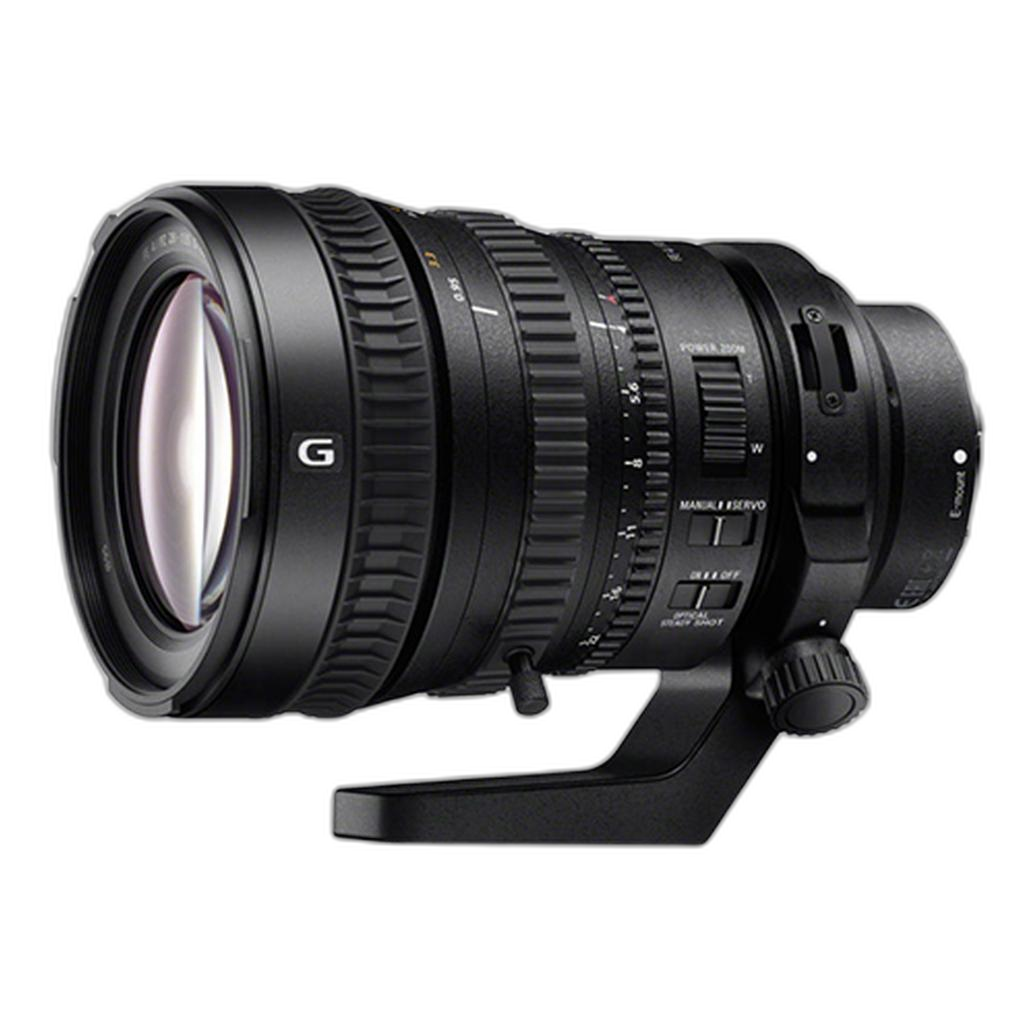
A good example of zoom versatility in real-world use is a lens like the Used Sony FE PZ 28-135mm f/4 G OSS Standard Zoom Lens, which represents the kind of all-in-one flexibility many hybrid shooters appreciate. It covers wide to telephoto framing and is especially relevant for users balancing video and stills.
For a beginner, a zoom can help answer questions like:
- Do you naturally shoot wide, normal, or telephoto?
- Do you prefer environmental portraits or tighter headshots?
- Do you need one lens for travel and everyday use?
- Are you shooting in situations where changing lenses is inconvenient?
At Unique Photo, many shoppers start with a zoom, then add primes later once their style becomes more defined.
When is a prime lens the better investment?
A prime lens is often the better investment when you want to improve image quality, shoot in lower light, or create stronger subject separation with shallow depth of field. Primes can also be ideal for photographers who want to simplify their kit and become more deliberate with composition.
Prime lenses are especially strong investments for:
- Portrait photographers who want beautiful background blur
- Street photographers who value compact gear and fast apertures
- Low-light shooters working indoors or at night
- Creators on a budget looking for excellent optical quality at a lower price than pro zooms
If your goal is to create a signature look, a prime lens often delivers a more distinct visual style. Many photographers also find that using one focal length helps them learn composition faster and shoot more consistently.
When is a zoom lens the better investment?
A zoom lens is the better investment when flexibility matters more than maximum aperture. If you regularly shoot fast-moving situations, events, weddings, sports, travel, documentary, or video, a zoom may save shots you would otherwise miss while swapping lenses or repositioning yourself.
Zooms are particularly useful for:
- Event photography where subjects and distances change constantly
- Travel photography when packing light matters
- Run-and-gun filmmaking where speed is essential
- Commercial video production where reframing during a scene is important
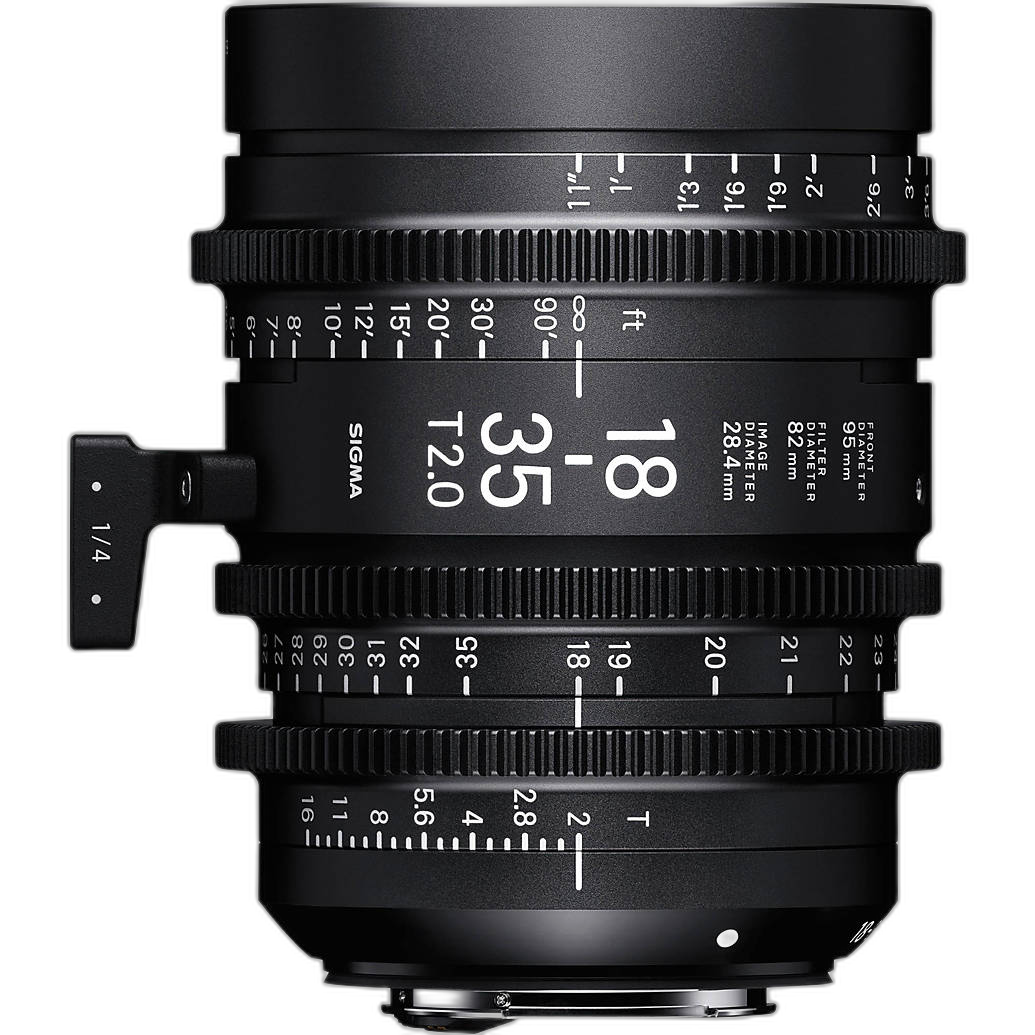
For cinema and professional video work, zooms can be major investments because they support efficient production. The Sigma 18-35mm T2 Fully Luminous High-Speed Zoom Lens (Canon EF) is a strong example of a high-performance zoom designed for creators who want both speed and production-ready handling.
Likewise, shooters building out a cine setup may also consider solutions like the Sigma 18-35mm T2 and 50-100mm T2 Lenses with Case for broad coverage across popular focal lengths.
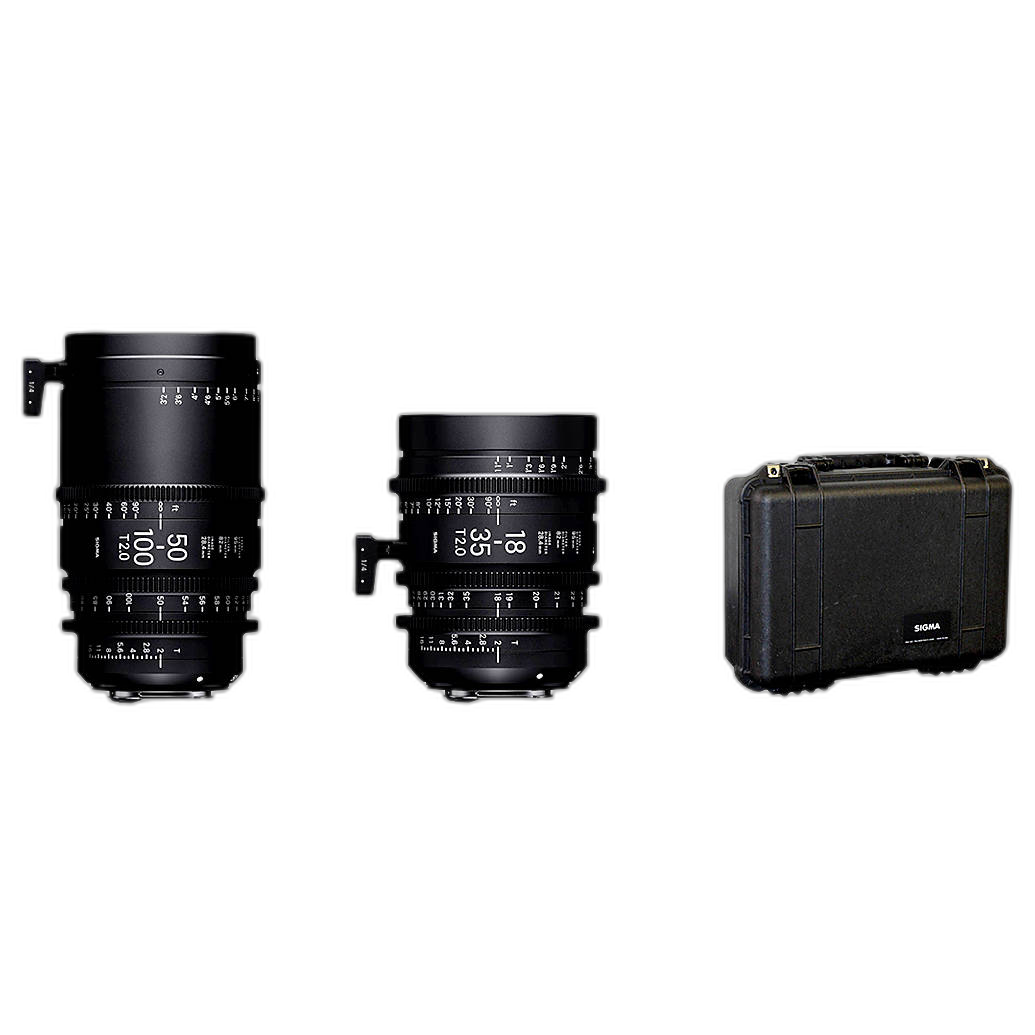
These kinds of zooms show how the investment equation changes when efficiency, consistency, and professional workflow are priorities.
Prime vs zoom for portraits, weddings, travel, and video
Portraits: Prime lenses often win because of their wide apertures and flattering subject separation. A classic 50mm or 85mm prime can produce a refined portrait look that many photographers love.
Weddings and events: Zoom lenses usually offer better coverage. A fast standard zoom or telephoto zoom helps photographers adapt instantly without missing key moments.
Travel: Zoom lenses are often the better investment if you want one lens to do it all. Primes can still be great for lightweight travel kits, but they require more planning.
Video and filmmaking: Zooms are often preferred for production efficiency, especially in documentary, live events, and commercial work. Higher-end options such as the Canon CINE-SERVO 11-55MM Compact-Servo Cine Zoom Lens (Canon RF) show how zooms play a critical role in cinema workflows where smooth focal length changes and operational control matter.
Is it cheaper to buy primes or zooms?
The answer depends on what level of gear you are comparing. Entry-level prime lenses can offer excellent value and often cost less than premium constant-aperture zooms. For example, a single affordable 50mm prime may deliver sharp results and strong low-light performance at a relatively low price.
However, if you need several focal lengths, buying multiple primes can quickly cost more than one versatile zoom. On the other hand, pro zooms and cine zooms can be substantial investments, especially when you prioritize rugged construction, fast apertures, and advanced optical performance.
A smart buying strategy from Unique Photo is to think in terms of cost per use rather than just sticker price. The better investment is often the lens that stays on your camera and helps you make more images, more often.
Should you buy a prime first or a zoom first?
If you are unsure, start by asking what frustrates you most in your current setup.
- If you keep wishing you could zoom in or out without changing lenses, buy a zoom first.
- If you keep struggling in low light or want softer backgrounds, buy a prime first.
- If you shoot many different subjects, start with a zoom.
- If you mostly shoot one style, such as portraits or street, start with a prime.
Many photographers eventually use both. A zoom handles convenience and coverage, while a prime delivers speed and a specialized look. This is often the most practical long-term approach.
How to decide which lens investment makes more sense for you
To decide between prime and zoom lenses, think about these factors:
- Your main subject matter: portraits, events, travel, sports, or filmmaking
- Your preferred shooting pace: slow and intentional or fast and reactive
- Your lighting conditions: bright daylight or dim interiors
- Your budget: one versatile lens or a growing system of specialized tools
- Your future plans: hobby, freelance work, or professional production
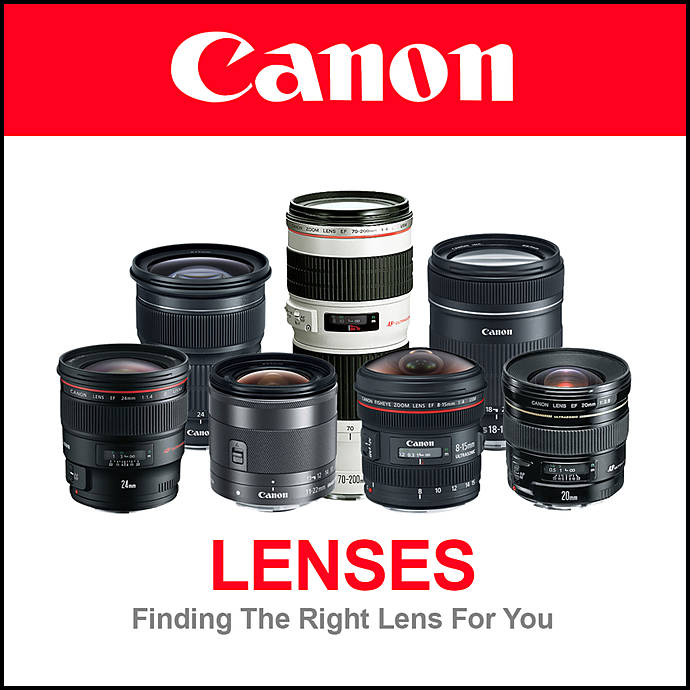
If you are still narrowing down options, educational resources can help. Unique Photo offers buying guidance like Canon Lenses: Finding the Right Lens for You, which can be a useful starting point when comparing focal lengths, formats, and use cases.
Photographers looking to get more from their gear can also benefit from hands-on learning opportunities through Unique Photo events and workshops.
Final verdict: prime vs zoom lenses, which is the better investment?
If you want the simplest answer, here it is: zoom lenses are usually the better investment for versatility, while prime lenses are often the better investment for image style and low-light performance.
For beginners and all-purpose shooters, a zoom lens often provides the most immediate value. For photographers focused on portraits, artistic depth of field, or low-light work, a prime lens may deliver a more noticeable upgrade. For professionals, the right investment may be owning both and using each where it performs best.
At Unique Photo, the best lens choice is always the one that supports how you actually shoot. Whether you are building your first kit, upgrading to a cinema zoom, or exploring used gear for added value, it helps to compare lens performance against real shooting needs rather than internet hype.
To continue researching, consider exploring internal resources and shopping categories on Unique Photo such as lens buying guides, used lenses, Canon lenses, and cine lenses. Those pages can help you compare formats, mounts, and price points before making your next investment.