If you’re shooting portraits on Sony mirrorless and debating between a fast prime and a flexible zoom, this guide is for you. We’ll break down the trade-offs, share practical tips for using Sony’s Lens Compare (Beta) to make smarter decisions, and recommend a few standout Sony E-mount zooms that work beautifully for portraits—plus education options to elevate your lighting and posing.
Prime vs. Zoom for Portraits: What Really Matters
Both primes and zooms can produce gorgeous portraits. Your choice should be driven by how you shoot and what you value most.
- Background blur and low-light: Fast primes (e.g., f/1.4–f/1.8) deliver creamier bokeh and more light than f/2.8–f/4 zooms. Great for isolating a subject or shooting in dim venues.
- Framing speed and versatility: Zooms let you reframe instantly without moving your feet—ideal for lifestyle, events, and fast-paced sessions.
- Working distance and perspective: Longer focal lengths (85–105mm) compress features elegantly; wider focal lengths (24–35mm) emphasize environment but can exaggerate features up close.
- Stabilization and sharpness: Many modern zooms are exceptionally sharp and may include optical stabilization; primes rely on wide apertures and can be lighter.
- Close-up ability: Minimum focus distance/magnification affects how tight you can frame details like hands, eyes, or accessories.
Use Sony Lens Compare (Beta) to Decide Faster
Before you buy, open Sony’s Lens Compare (Beta) and place your shortlist side by side. Focus on:
- Focal length coverage vs. your portrait style: Do you need 24–105mm versatility, or are you mostly environmental at 24–35mm?
- Maximum aperture and bokeh: Compare how aperture impacts subject isolation and background character.
- Stabilization and video considerations: Look for optical stabilization on zooms and note focus breathing behavior if you also shoot motion.
- Close-focus capability: A tighter minimum focus distance helps for detail shots and tighter framings without swapping lenses.
- Size and weight: Balance long sessions with comfort—lighter setups are easier to handle all day.
Tip: When comparing wide zooms, visualize how you’ll pose subjects to avoid distortion at the edges—and consider stepping back slightly and zooming in for a more flattering look.
Recommended Lenses for Sony Portrait Shooters
Sony FE 24-105mm f/4 G OSS Lens
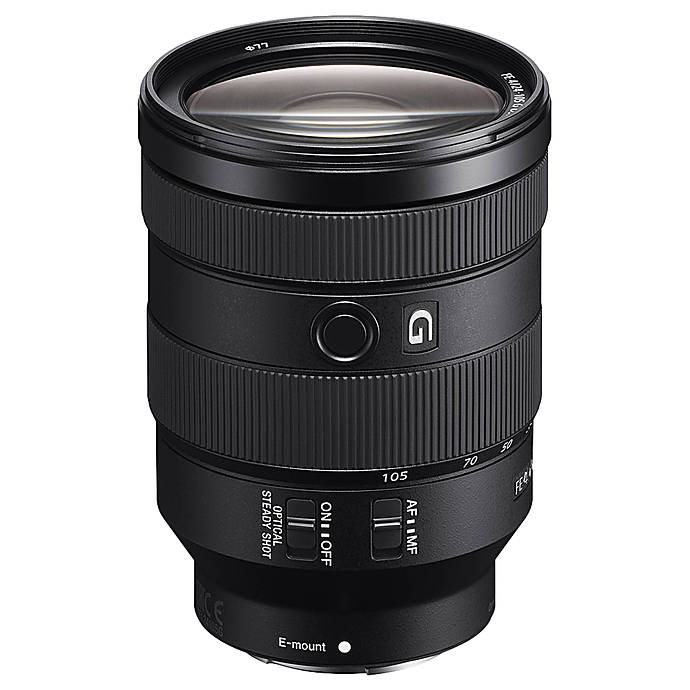
Why it’s great for portraits:
- One-lens coverage from full-body scenes at 24mm to tight headshots around 85–105mm.
- Consistent f/4 with excellent optical quality—reliable for studio, lifestyle, and travel portraits.
- Optical stabilization helps keep handheld images sharp at slower shutter speeds.
What to know:
- f/4 won’t blur backgrounds like an f/1.8 prime, but subject-to-background distance can still yield soft, pleasing bokeh.
- Pair with on-camera flash or a fast prime when light is limited.
Sony FE 12-24mm f/2.8 GM Lens
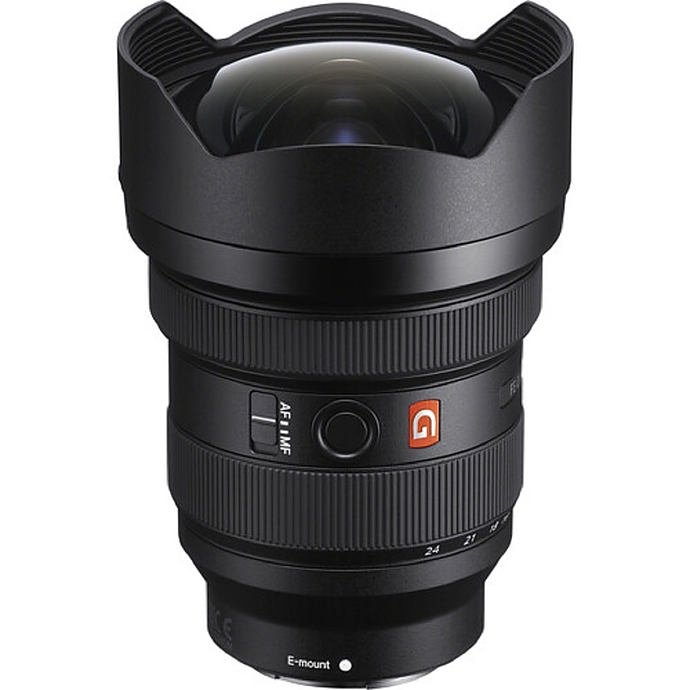
Why it’s great for portraits:
- Ultra-wide, dramatic environmental portraits that showcase the scene and your subject.
- Fast f/2.8 for low light and subject separation at closer distances.
What to know:
- Wider angles can exaggerate features if you get too close—pose and camera distance matter.
- The bulbous front element limits standard screw-in filter use; plan lighting/ND needs accordingly.
Tamron 16-30mm F/2.8 Di III VXD G2 Lens for Sony E
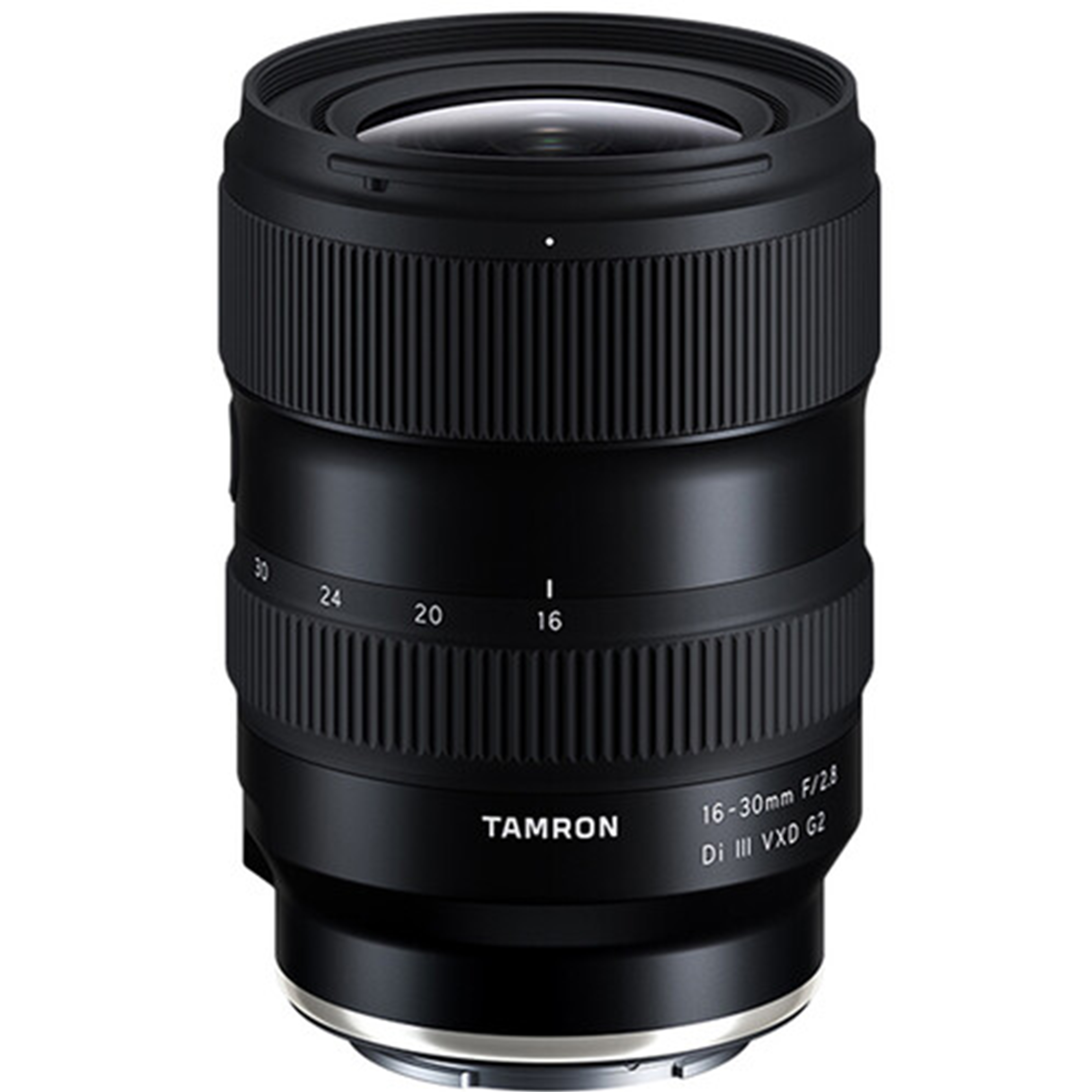
Why it’s great for portraits:
- Versatile wide-to-standard coverage for editorial and environmental portraits.
- Constant f/2.8 for low light and subject isolation compared to f/4 zooms in the same range.
What to know:
- At wider angles, keep subjects away from frame edges to avoid distortion—step back and zoom toward 30mm for more flattering perspective.
Level Up Your Lighting: Unique University Workshops
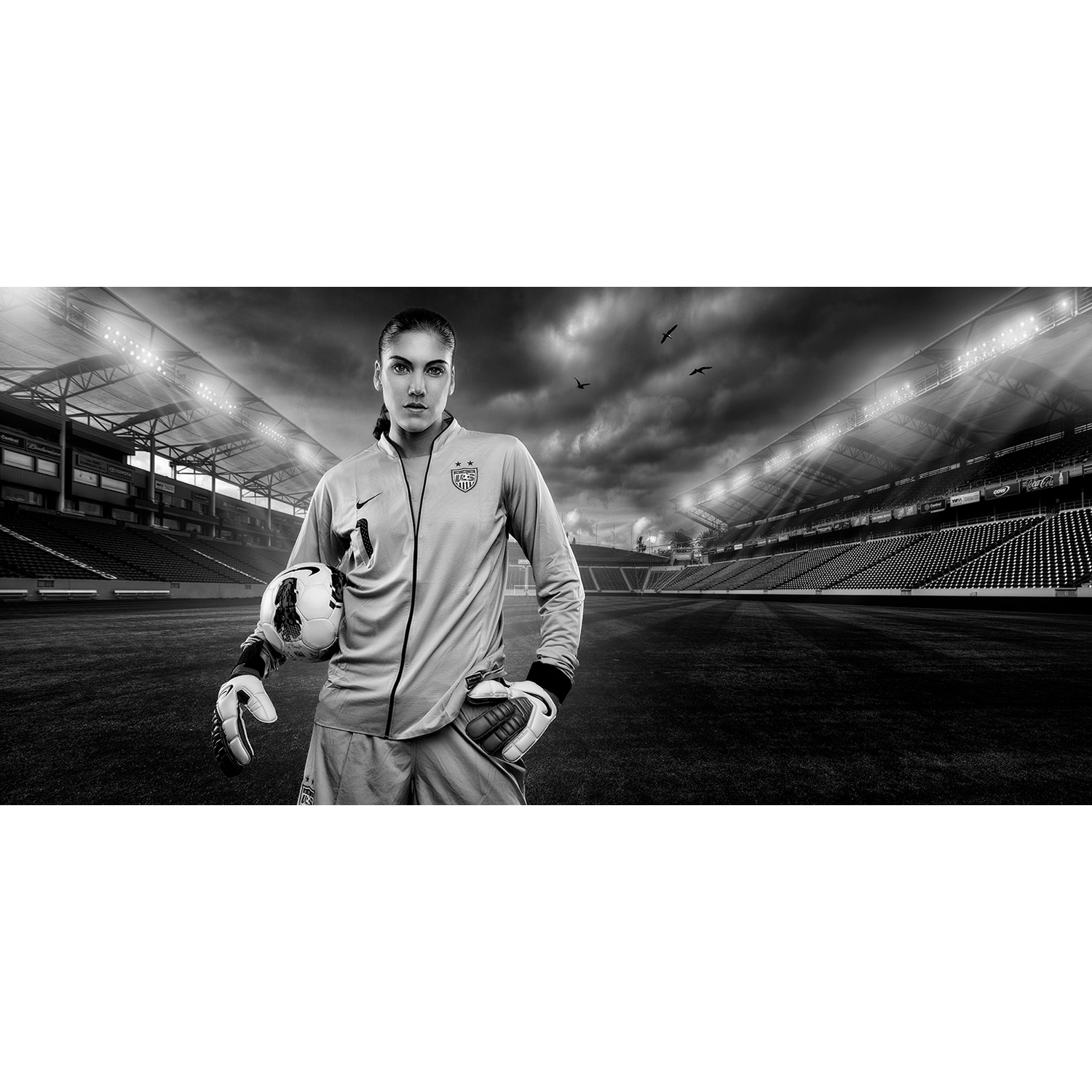
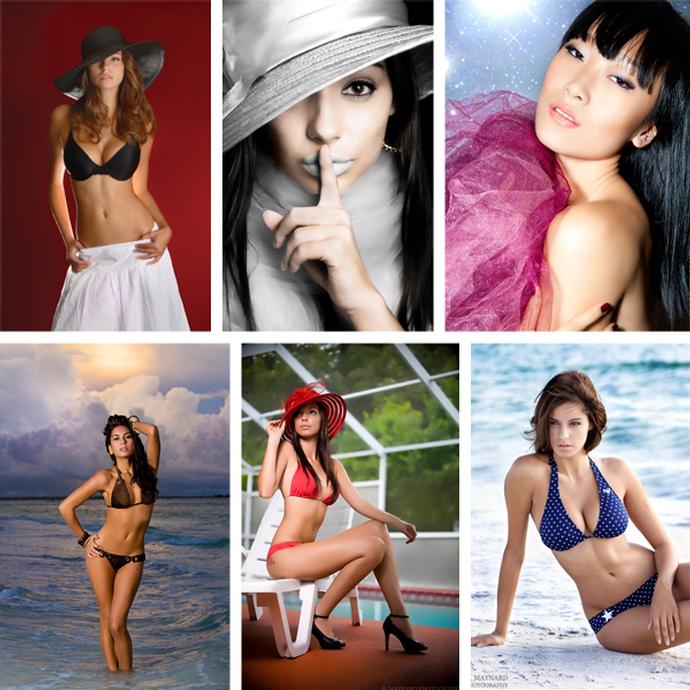
Great lenses shine when you master lighting and direction. Our hands-on classes help you control light, pose subjects, and build a repeatable portrait workflow—whether you prefer primes or zooms.
Quick Comparison for Portrait Use
| Lens | Best For | Strengths | Watch-Outs |
|---|---|---|---|
| Sony FE 24-105mm f/4 G OSS | General portrait work from lifestyle to headshots | Broad framing range; optical stabilization; consistent results | f/4 depth of field is less creamy than fast primes |
| Sony FE 12-24mm f/2.8 GM | Dramatic environmental, fashion/editorial, group scenes | Ultra-wide perspective; bright f/2.8; premium rendering | Easy to distort features if too close; limited front filter options |
| Tamron 16-30mm F/2.8 Di III VXD G2 | Editorial and environmental portraits with speed | Constant f/2.8; compact wide-to-standard coverage | Wider end needs mindful posing/framing for flattering portraits |
Prime Lovers: When a Fast Prime Wins
If you crave maximum background blur and subject separation, a fast prime like a 50mm or 85mm with a wide aperture can be magical for portraits. Use a zoom for versatility and a fast prime for signature looks—many portrait photographers carry both and switch based on the scene.
Bottom Line
For most Sony portrait shooters, start with the Sony FE 24-105mm f/4 G OSS for its do‑everything versatility, stabilization, and consistent image quality. If your style leans editorial or environmental, consider the Sony FE 12-24mm f/2.8 GM or the Tamron 16-30mm F/2.8 G2 for wider, creative perspectives. Compare these in Sony’s Lens Compare (Beta) to confirm the fit, then visit Unique Photo online or in-store for expert advice, hands-on time, and classes that help you get the most from your gear.