If you're building your lens kit from the ground up, one of the first big decisions is whether to start with a prime lens or a zoom lens. This guide is for filmmakers, content creators, and serious shooters trying to decide which approach makes the most sense for their style, budget, and workflow. The short version: primes often deliver speed, consistency, and a more deliberate shooting experience, while zooms offer flexibility, efficiency, and fewer lens swaps on set.
If you're wondering what to buy first, the best answer depends on how you shoot. Below, we'll break down the strengths of each lens type, when each makes the most sense, and which standout options from Unique Photo are worth considering.
Prime vs Zoom: What's the Real Difference?
Prime lenses have a fixed focal length. That means if you want a wider or tighter shot, you physically change lenses or move the camera. In return, primes are often chosen for their fast apertures, consistent look, and disciplined framing.
Zoom lenses cover a range of focal lengths in a single lens. They're ideal when speed matters, when you need to adapt quickly to changing scenes, or when you want fewer interruptions during production.
| Lens Type | Best For | Main Advantage | Main Tradeoff |
|---|---|---|---|
| Prime | Narrative work, controlled productions, cinematic look | Fast speed and consistent rendering | Requires lens changes |
| Zoom | Run-and-gun, events, documentaries, fast-paced shoots | Versatility and efficiency | Usually larger and less specialized in look |
Who Should Buy a Prime Lens First?
You should start with primes if you value image character, consistency, and intentional composition. Prime lenses are especially appealing for filmmakers building a cinema-oriented kit and for shooters who prefer to shape the shot through camera placement rather than zooming.
Buying a prime kit first can also make sense if you already know the focal lengths you use most often, or if your productions are controlled enough to support frequent lens swaps.
Who Should Buy a Zoom Lens First?
A zoom lens is often the smarter first buy if you're still figuring out your preferred focal lengths or if you shoot in unpredictable environments. Event shooters, documentary filmmakers, hybrid creators, and small crews can benefit tremendously from the speed and flexibility of a zoom.
For many users, a zoom is the most practical first lens because it covers multiple framing options in one package. It lets you work faster, carry less, and adapt without missing moments.
Our Pick
Our Pick: Nikon NIKKOR Z 28-135mm f/4 PZ Lens
For most buyers choosing their first lens, a versatile zoom is the safest and most practical starting point. The Nikon NIKKOR Z 28-135mm f/4 PZ Lens offers a highly useful focal range that can cover wide establishing shots, standard coverage, portraits, and tighter detail work. If your priority is flexibility and efficiency, this is the kind of lens that can do a lot of heavy lifting right away.
Recommended Prime Lens Options
Sigma T1.5 FF High-Speed 5 Fully Luminous Prime Lens Kit (Canon EF, Metric)
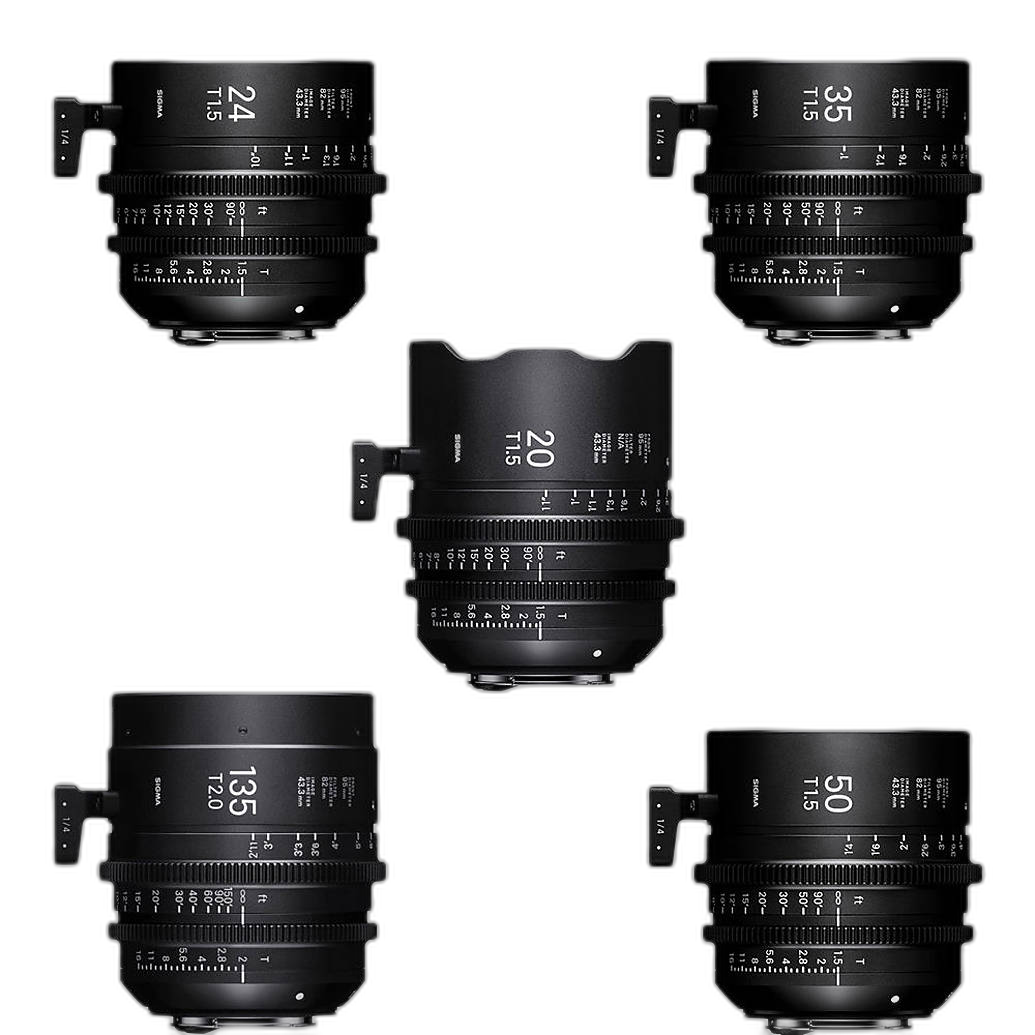
This Sigma prime kit is a strong choice for filmmakers who want to invest in a serious cinema-ready set from the start. A matched prime kit gives you consistency across focal lengths, which is especially valuable in narrative and commercial production. If you want the classic strengths of primes—speed, deliberate framing, and a cohesive visual look—this kit is an excellent example of why many cinematographers still prefer primes for controlled shooting environments.
Sigma 14mm/135mm T2 FF High-Speed Fully Lum. Prime Lens Kit (Canon EF)
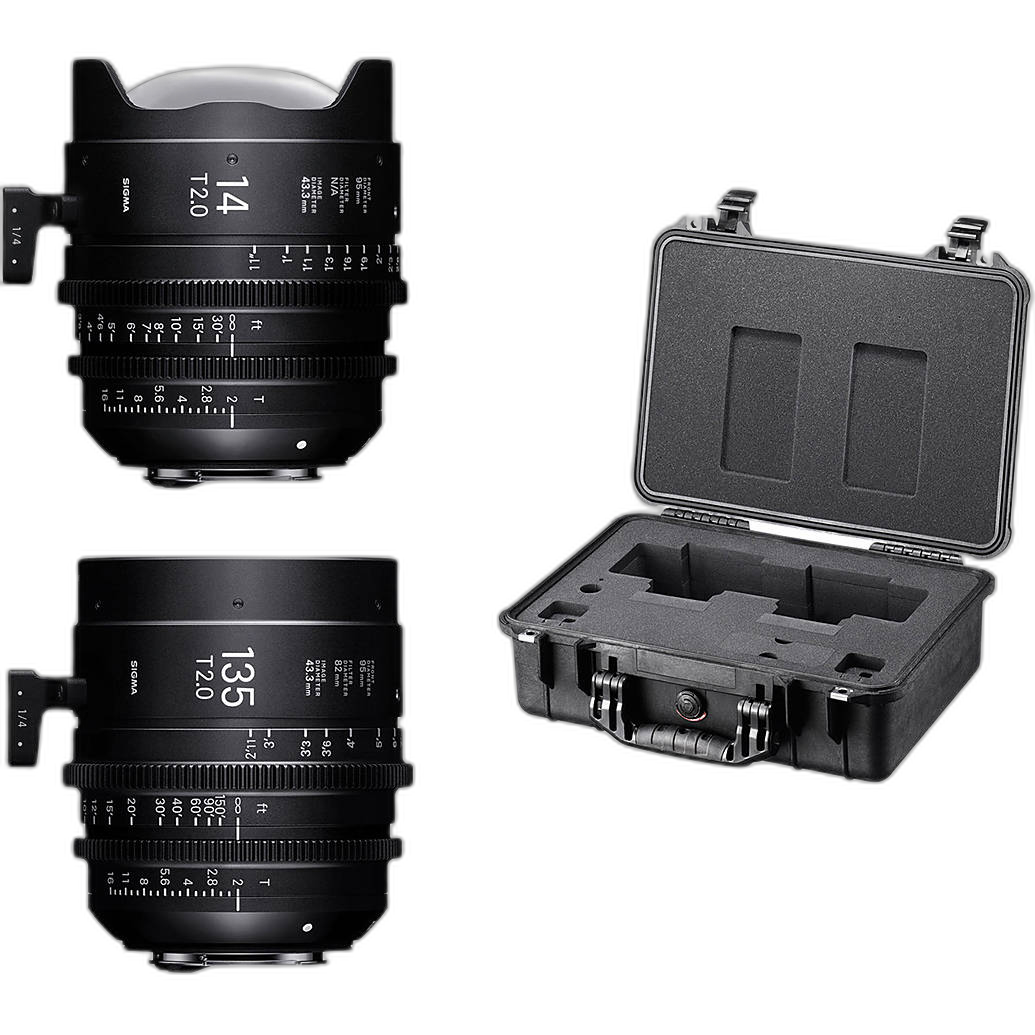
This Canon EF-mounted Sigma kit is ideal for productions that want broad focal length coverage while staying in the prime ecosystem. It gives shooters access to wide and telephoto options while maintaining the rendering consistency and fast performance that make prime kits attractive in the first place.
Sigma 14/135mm T2 FF High-Speed Fully Lum. Prime Lens Kit (Sony E, Metric)
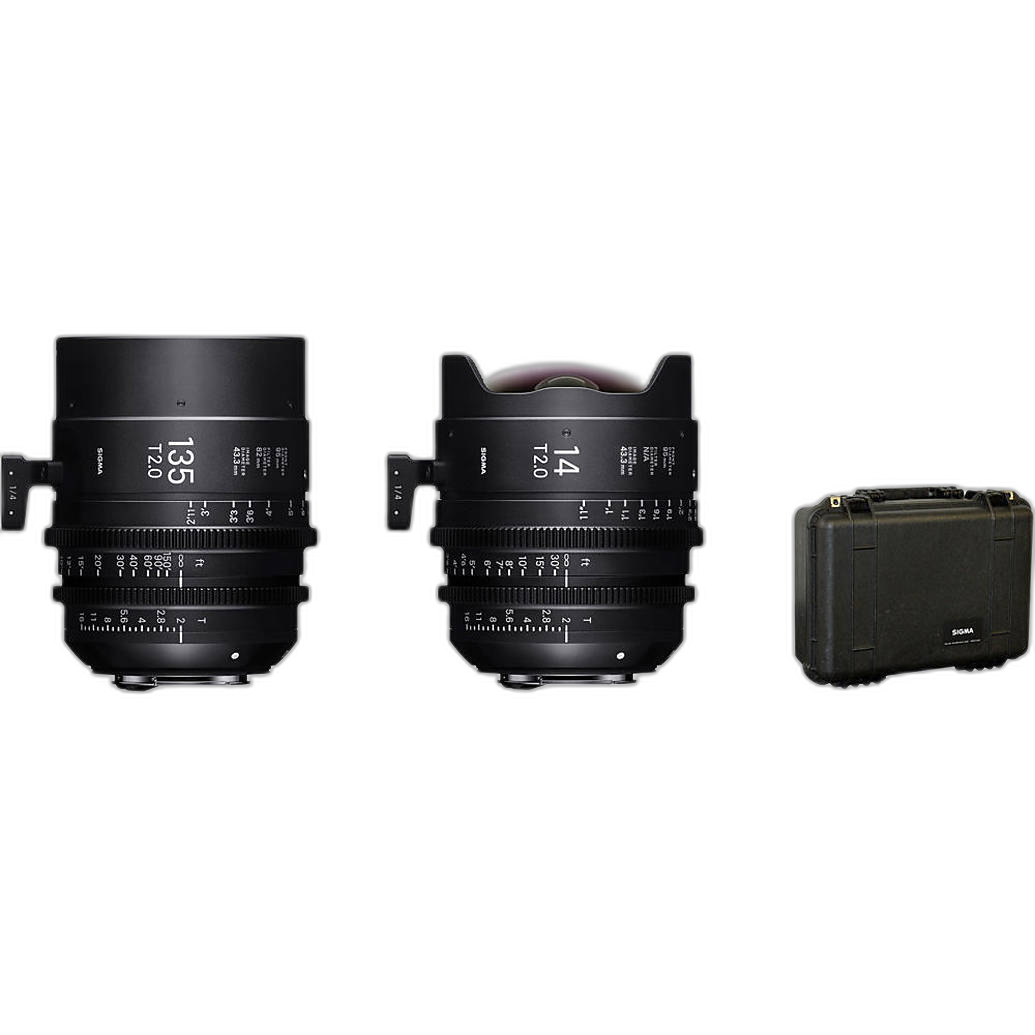
Sony E-mount users who want to start with primes should take a close look at this kit. It's a compelling option for creators building a full-frame cinema setup and looking for a matched lens family that supports consistent visual storytelling across a wide range of focal lengths.
Recommended Zoom Lens Options
Nikon NIKKOR Z 28-135mm f/4 PZ Lens
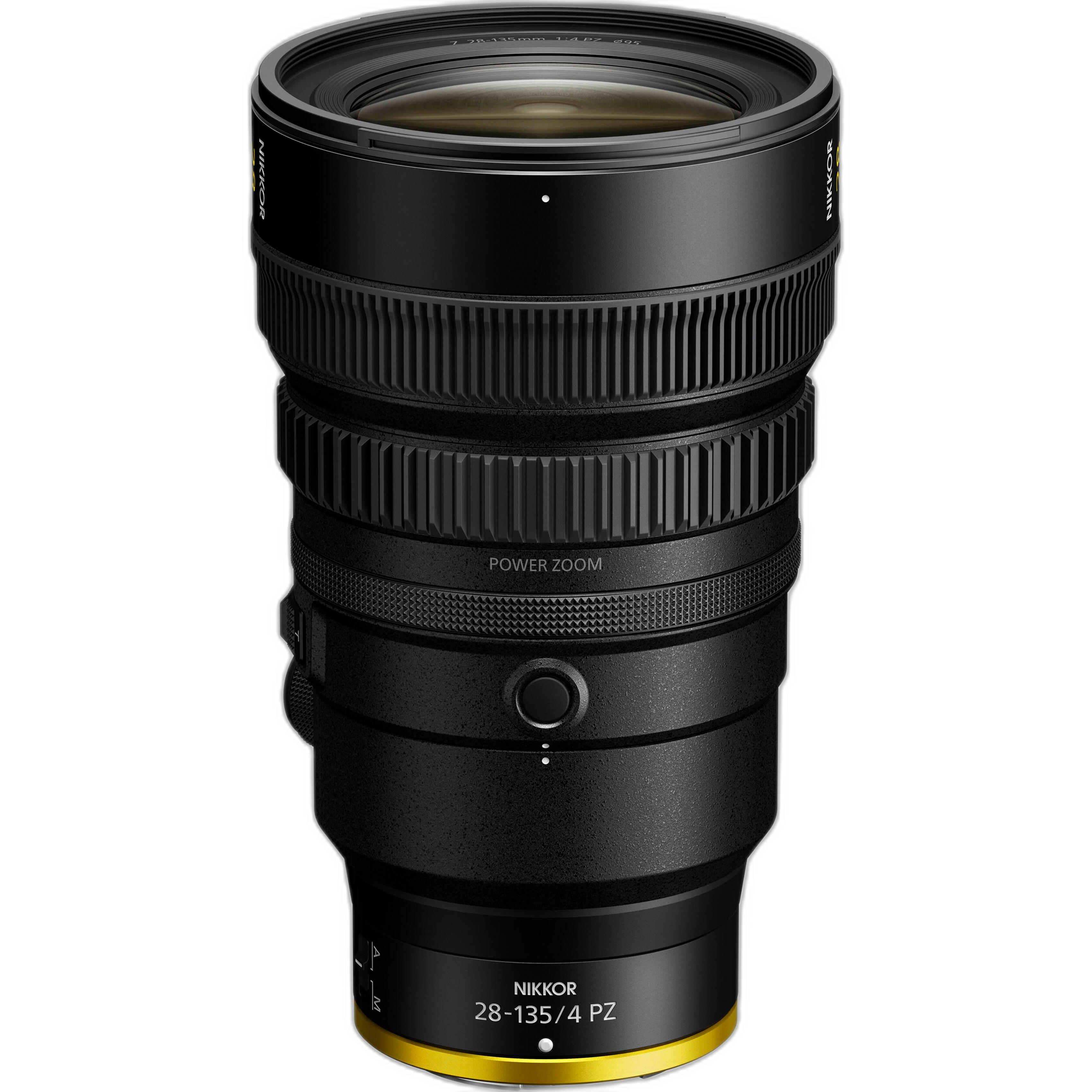
If you want one lens that can cover a huge portion of your everyday shooting needs, this Nikon zoom is the most approachable starting point in this guide. Its focal range makes it especially useful for interviews, event coverage, documentary work, and hybrid content creation. For many first-time buyers, a zoom like this makes more practical sense than jumping immediately into a set of primes.
Canon CN-E 20-50mm T2.4 LF Cinema EOS Zoom Lens (EF Mount)
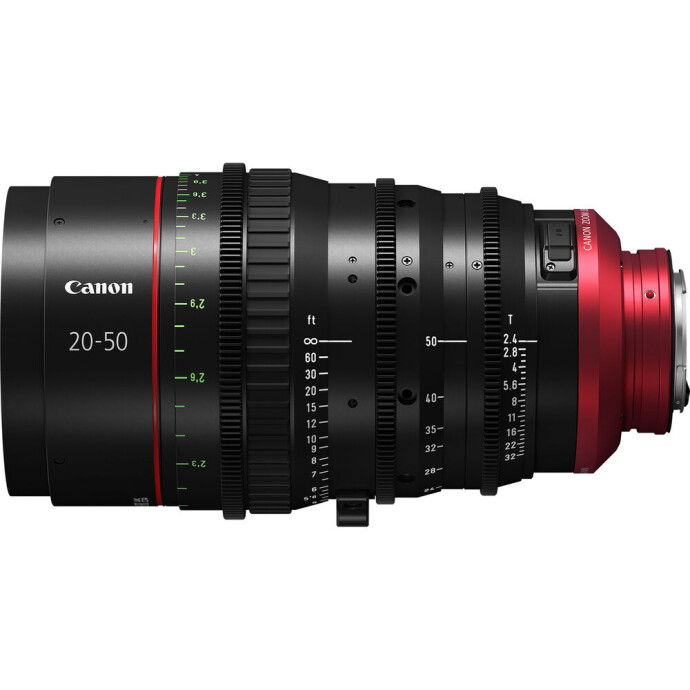
This Canon cinema zoom is built for filmmakers who want the flexibility of a zoom without giving up a professional cinema-oriented workflow. The 20-50mm range is useful for wide-to-normal coverage, making it a strong fit for narrative production, commercial work, and studio-based setups where fast reframing is important.
Canon CN-E 45-135mm T2.4 LF Cinema EOS Zoom Lens (EF Mount)
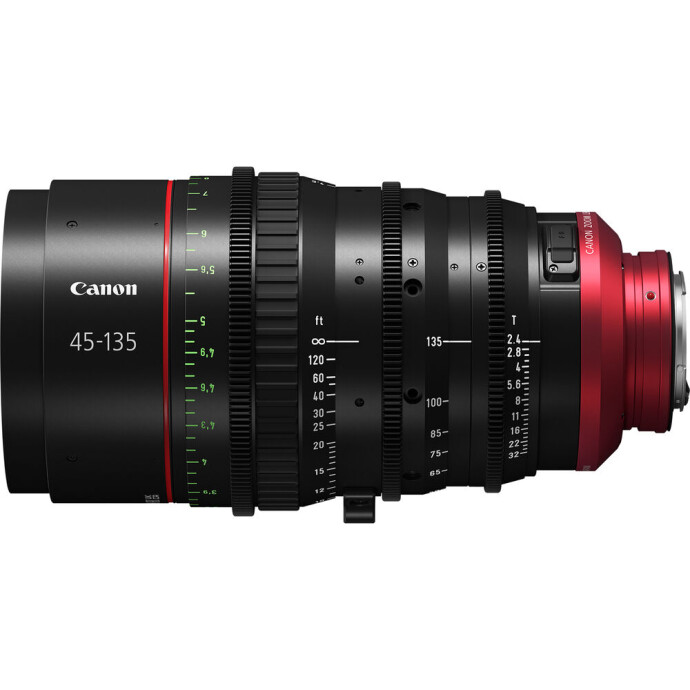
For shooters who need more reach, this Canon CN-E zoom extends into classic portrait and telephoto territory. It's a great fit for interviews, medium-close coverage, and productions that want cinema zoom convenience while keeping a premium professional setup.
Prime Kit vs Zoom Lens: Which First Purchase Makes More Sense?
| If You Prioritize... | Buy This First | Why |
|---|---|---|
| Flexibility across many situations | Zoom lens | One lens can handle multiple framing needs quickly |
| Learning your favorite focal lengths | Zoom lens | Lets you experiment before committing to primes |
| Cinematic discipline and consistency | Prime lens kit | Encourages intentional composition and a matched look |
| Controlled set work | Prime lens kit | Lens changes are less disruptive in planned productions |
| Run-and-gun efficiency | Zoom lens | Faster adaptation with fewer swaps |
Bottom Line: What Should You Buy First?
For most buyers, especially those still defining their style or working in fast-changing environments, a zoom lens is usually the best first purchase. It gives you the broadest utility, helps you discover the focal lengths you use most, and simplifies real-world shooting.
If you already know you're building a cinema-focused kit and want the consistency, speed, and visual character associated with fixed focal lengths, starting with a prime lens kit can absolutely be the right move.
If you're ready to compare your options, Unique Photo is a great place to shop cinema primes and zooms alike. Whether you're leaning toward the versatility of a zoom or the deliberate craft of a prime setup, Unique Photo has the gear to help you build your kit with confidence.