If you shoot film and spend any time talking with other photographers, you already know how quickly the conversation turns to which stock looks best for portraits and which one shines for landscapes. This guide is for film photographers who are comparing color negative, slide, and black-and-white emulsions; watching price changes; and trying to decide when it is worth stocking up on a favorite roll before it gets harder to find. Whether you are shooting people in soft window light or chasing dramatic skies and saturated foliage, the right film stock can shape color, contrast, grain, and mood in a way that feels every bit as important as your camera or lens.
Because film communities often debate not just image quality but also cost, consistency, availability, and discontinued favorites, this buying guide focuses on practical selection. We will break down what tends to work best for portraiture versus landscape work, compare the most talked-about options, and share smart shopping tips for finding your ideal emulsion without overpaying.
What Makes a Film Stock Better for Portraits or Landscapes?
Community discussions around film stocks usually center on four things: color rendering, contrast, grain, and exposure latitude. For portraits, many photographers prefer emulsions that render skin tones gently, hold highlight detail well, and avoid overly aggressive saturation. For landscapes, shooters often want stronger color separation, richer blues and greens, deeper contrast, or the crisp punch that makes scenic images feel vivid straight out of the scanner or projector.
That does not mean there is a strict rule. Plenty of portrait photographers love a bold landscape stock for editorial work, and many landscape photographers intentionally use softer portrait films for a more muted, cinematic look. The real question is whether the stock helps you get the look you want with the light you have.
Quick Comparison: Common Film Stock Traits
| Film Type | Best For | Typical Look | Exposure Latitude | Price Trend |
|---|---|---|---|---|
| Color Negative Portrait Stocks | Skin tones, weddings, lifestyle | Soft contrast, natural color, forgiving highlights | Excellent | Usually premium, often rising |
| Color Negative Landscape Stocks | Travel, nature, daylight scenes | Richer saturation, more color pop | Very good | Moderate to premium |
| Slide Film | Scenics, editorial color, projection | High contrast, vivid color, cleaner tonal separation | Limited | Higher cost per roll |
| Black-and-White Traditional Grain | Portraits, street, classic landscapes | Timeless tonality, visible grain character | Good | Moderate |
| Black-and-White T-Grain/Fine Grain | Detailed landscapes, studio portraits | Cleaner grain, sharper look | Good | Moderate to premium |
Recommended Film Stock Categories to Consider
While film itself is the star of this decision, your results also depend on how you shoot it. Lens character, lighting control, and your scanning or printing workflow all matter. Below are a few complementary gear picks that can help film photographers get more out of portrait and landscape work, especially when evaluating subtle differences between emulsions.
Zeiss Planar T 85mm f/1.4 ZF.2 Portrait Lens for Nikon Mount - Black
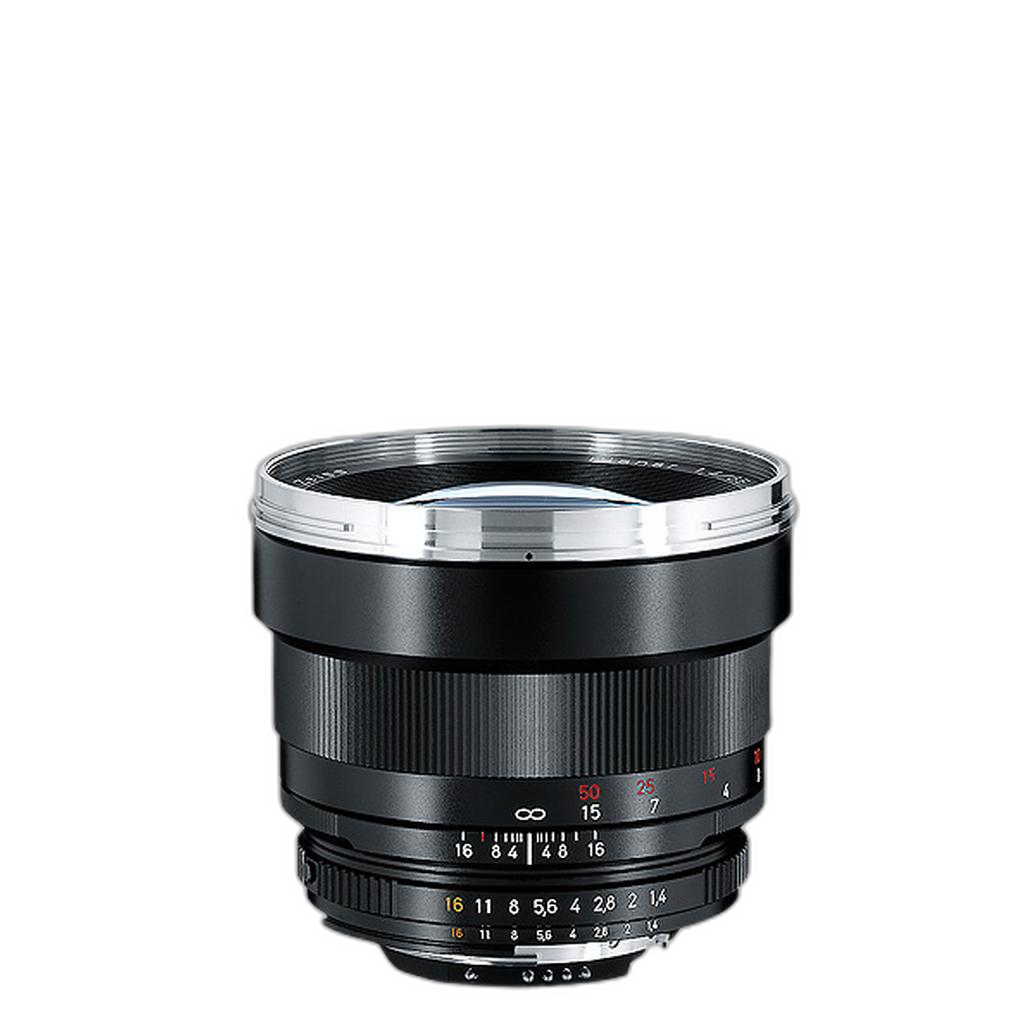
An 85mm portrait lens is a natural fit for photographers testing portrait-oriented stocks. The Zeiss Planar T 85mm f/1.4 is especially appealing if you want to compare how different films render skin texture, background blur, and tonal transitions. Community film discussions often focus on emulsion characteristics, but a lens with beautiful micro-contrast and smooth out-of-focus rendering can make those differences much easier to see. If your goal is deciding between flatter, pastel-friendly portrait stocks and punchier options, a premium portrait lens gives you a clearer baseline.
Why it pairs well with film testing: flattering perspective, strong subject separation, and a classic rendering style that complements portrait emulsions.
Hensel 9 Inch Reflector Kit (Includes 3 Different 9 Reflectors)
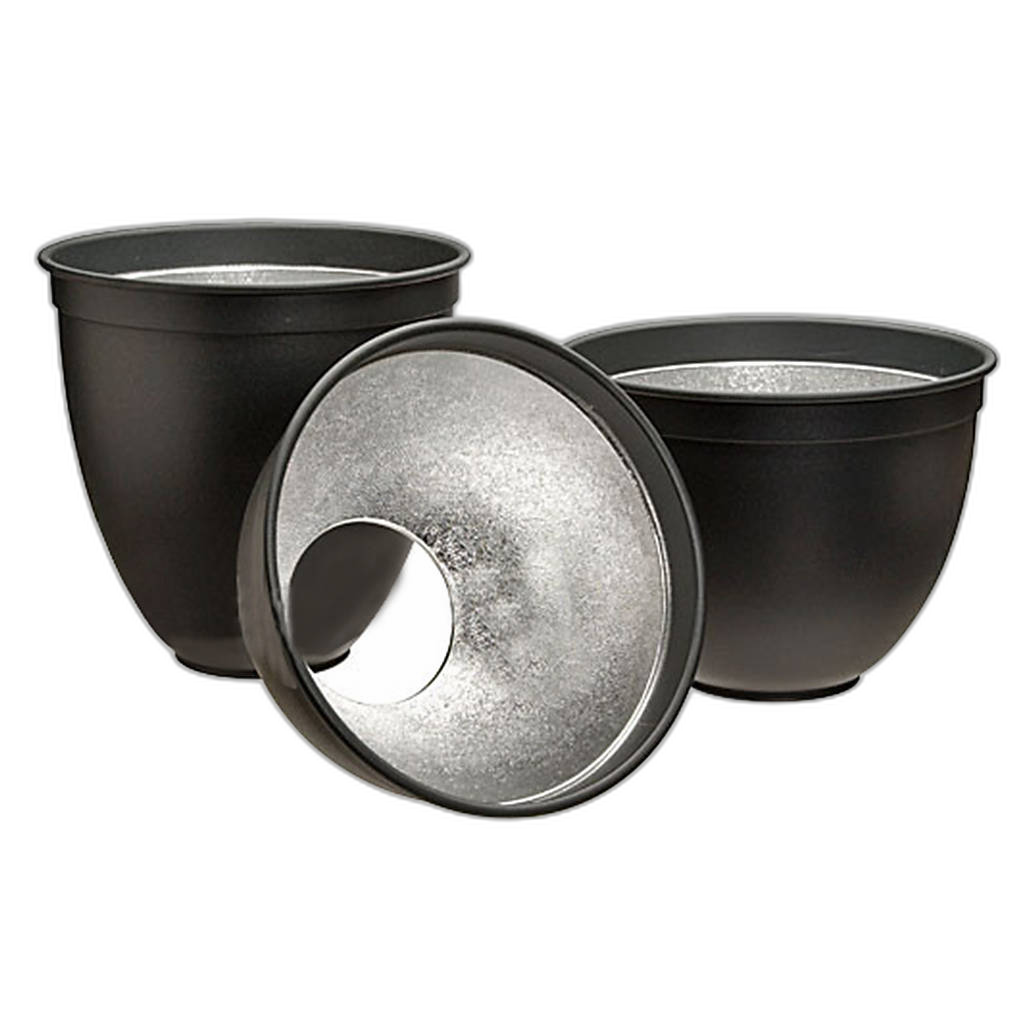
When film shooters compare stocks for portrait use, controlled lighting makes a big difference. A reflector kit helps you maintain consistent light shape and output so you can isolate what the film is doing instead of what changing light is doing. That is especially useful when testing how various color negative stocks handle highlights on skin or how black-and-white films separate midtones in facial features.
Best for: photographers building a repeatable portrait test setup for side-by-side film comparisons.
Hensel - Light Stick with round plug for Porty or Pro Mini 1200 AS or Nova
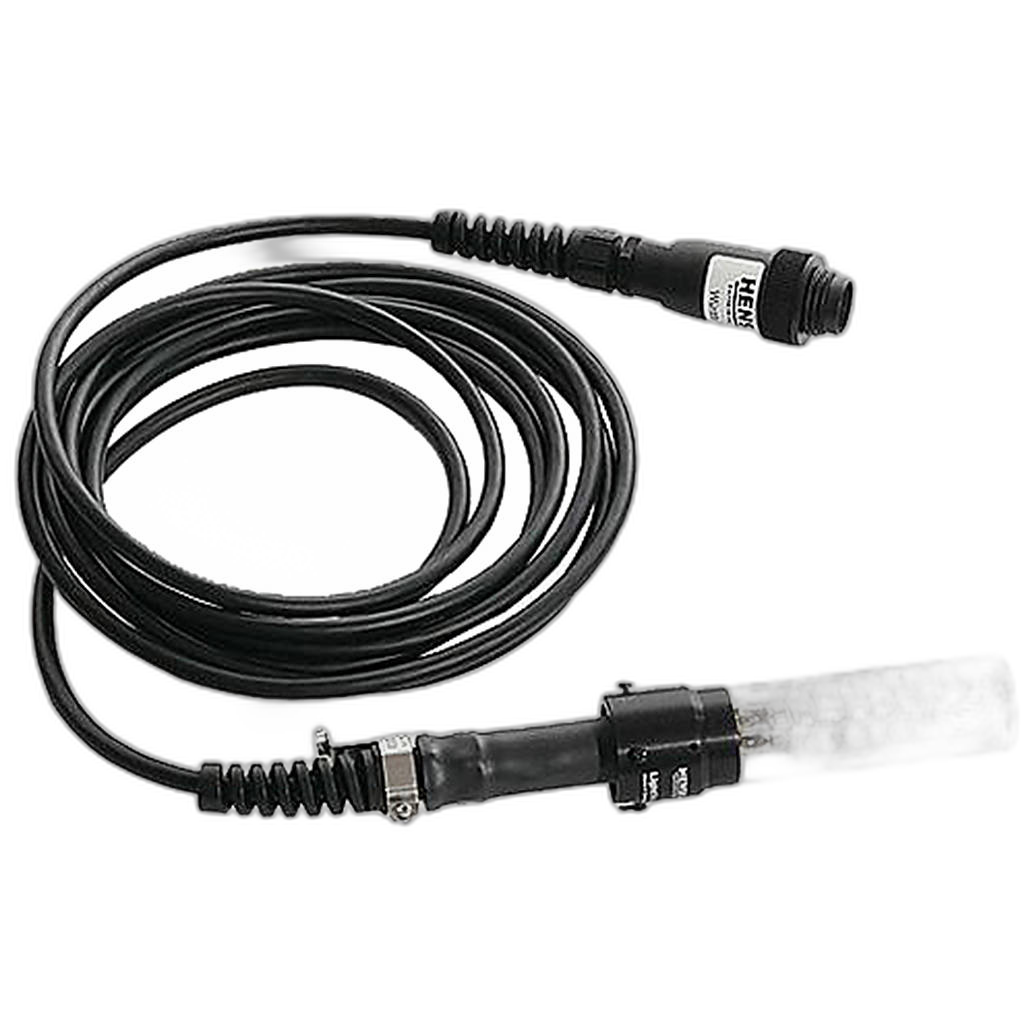
For photographers who want a more stylized portrait workflow, a light stick can create directional or accent lighting that reveals how different emulsions respond to contrast and color. If a film community thread has you torn between a softer portrait stock and a more dramatic alternative, shaped lighting can help you test each one under the kind of conditions you actually shoot.
Why consider it: ideal for experimental portrait sessions where mood and contrast matter as much as color accuracy.
Hensel - Light Stick with 20-pol plug for Tria
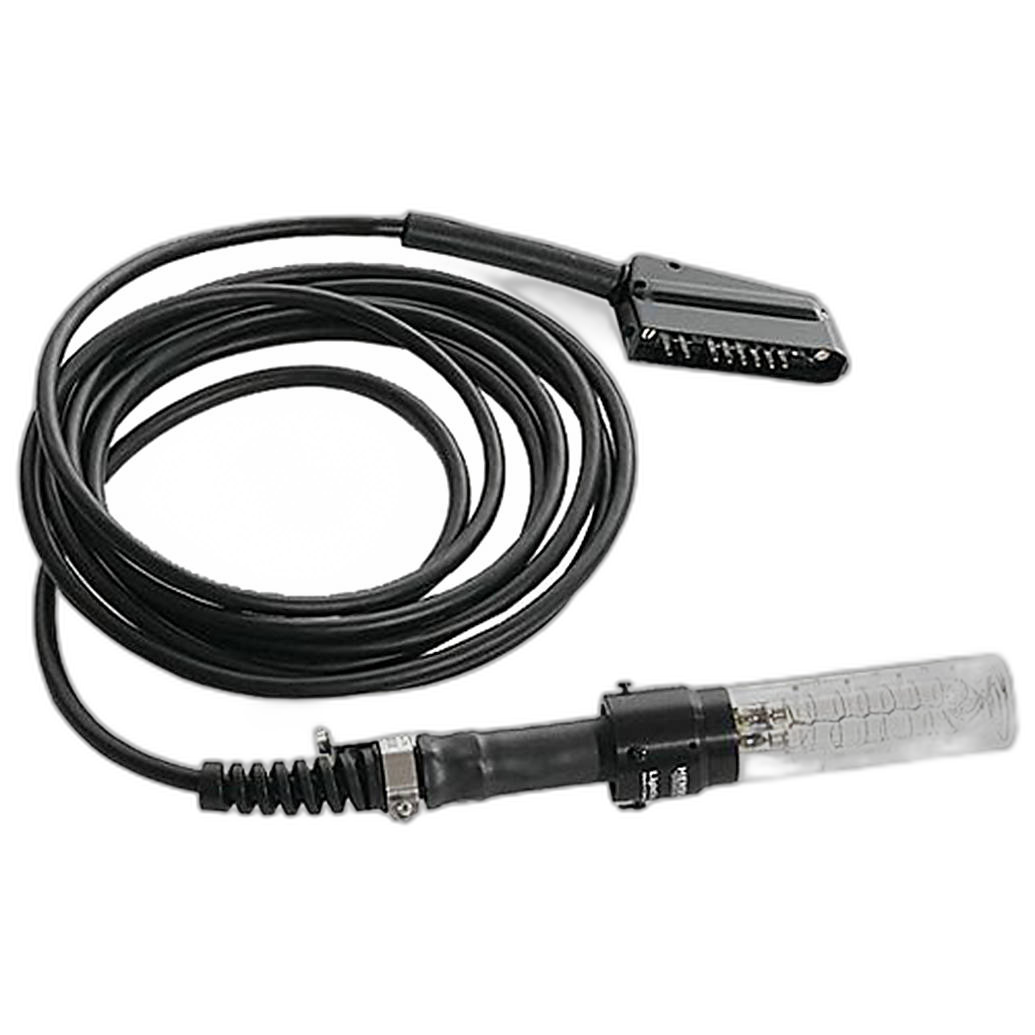
This is another useful option for photographers with compatible Hensel systems who want consistency across portrait stock tests. Film is often judged harshly or unfairly because the lighting changed between rolls. Keeping your setup stable lets you compare grain, shadow response, and skin tone reproduction more accurately.
Good match for: studio shooters evaluating multiple emulsions over time.
Kaiser Table for Copying Works
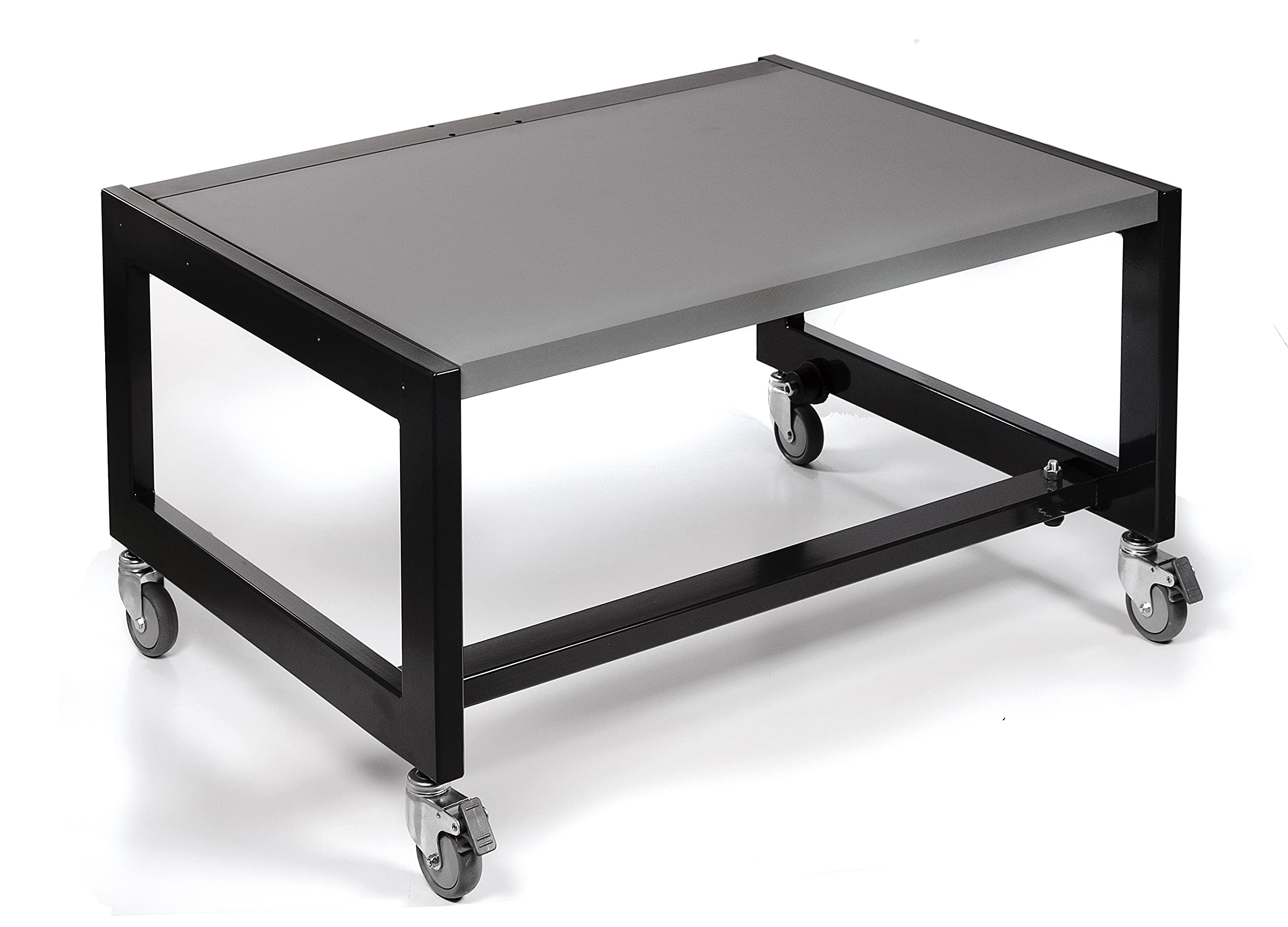
One of the smartest ways to compare film stocks is by digitizing negatives or slides consistently. A copy setup can help you build a repeatable scanning workflow, especially if you are archiving favorites, comparing discontinued rolls to current substitutes, or documenting the look of expired stock. Community members often recommend keeping your digitizing process as consistent as your camera settings when testing emulsions.
Why it matters: consistent copy work makes stock comparisons more trustworthy.
Kaiser Table for the 205631 Book Cradle
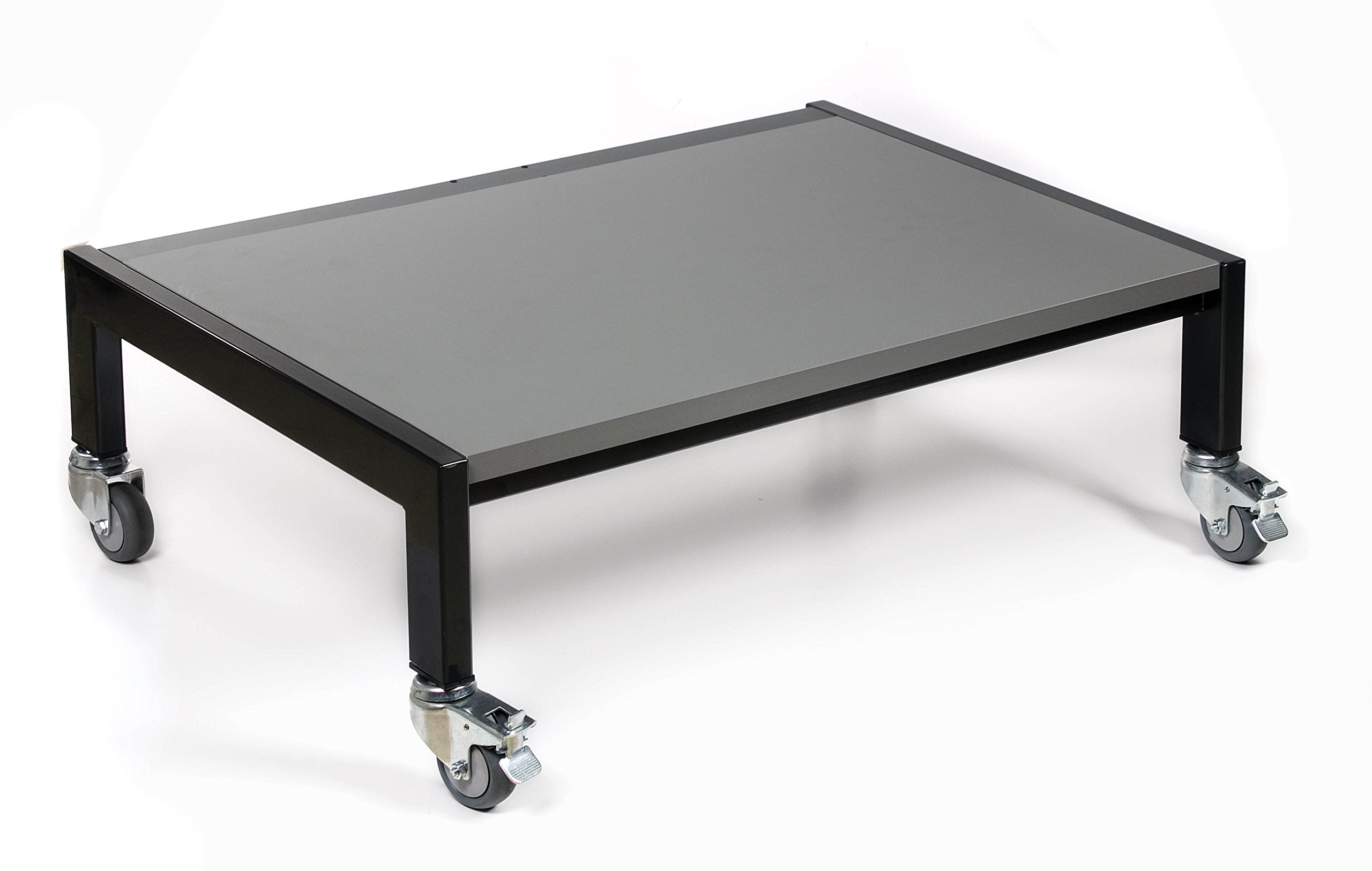
If your process includes organized archiving, reference sheets, or comparing printed examples, a stable studio table setup can support a more methodical film workflow. This is less about field shooting and more about the practical side of staying organized when you are chasing hard-to-find emulsions or trying to determine whether a discontinued stock really has a modern replacement.
Best for: photographers who take a serious, archival approach to film testing and review.
Portrait Film Stocks: What Film Shooters Usually Prioritize
For portrait work, film photographers tend to favor stocks that keep skin tones believable and highlights smooth. Color negative films are usually the first recommendation because they offer forgiving latitude and scan well even when exposure is not perfect. In community discussions, portrait favorites are often described as creamy, natural, pastel, warm, or neutral. Those are all signs that photographers are prioritizing tonal grace over maximum punch.
If you mainly photograph people, look for these traits:
- Gentle contrast that does not exaggerate blemishes or texture
- Warm or neutral color response for flattering skin tones
- Strong highlight retention in bright outdoor scenes
- Fine to moderate grain, depending on the look you want
Black-and-white portrait shooters often split into two camps: those who want classic grain and tonal richness, and those who want cleaner, more modern sharpness. Neither is wrong. The right choice depends on whether you want timeless softness or crisp contemporary detail.
Landscape Film Stocks: What Usually Wins Outdoors
Landscape shooters often lean toward film stocks with stronger saturation, deeper contrast, or highly distinct color separation. Scenic work also rewards fine grain, especially if you make larger prints. Slide films remain beloved for landscapes because of their punch and clarity, though many photographers avoid them unless they are comfortable exposing very precisely.
When choosing film for nature and travel, consider these priorities:
- Saturation level for skies, foliage, and earth tones
- Contrast for dramatic light and shadow
- Grain structure if you print large or crop heavily
- Daylight balance and consistency across changing outdoor light
Some photographers deliberately choose softer color negative stocks for landscapes when they want a muted, cinematic palette rather than postcard-style punch. That is a great reminder that “best” is always aesthetic, not absolute.
Pricing Insights: Why Film Communities Talk About Cost So Much
Film pricing has become a major part of the buying decision. Even beloved stocks may become harder to justify for everyday use when per-roll costs climb, lab fees increase, and availability becomes inconsistent. That is why many photographers maintain a two-tier approach: a favorite premium stock for important shoots and a more affordable everyday stock for testing, casual work, or uncertain conditions.
A few smart pricing habits come up again and again in film communities:
- Buy multipacks of your go-to stock when pricing is favorable
- Test one roll before committing to a large batch
- Watch for seasonal restocks of harder-to-find emulsions
- Factor in processing and scanning costs, not just roll price
- Do not overpay for hype unless the look is truly irreplaceable for your work
Discontinued stocks are especially tricky. Nostalgia can drive prices far beyond practical value, and expired storage conditions are often unknown. Sometimes a current stock with thoughtful metering and scanning will get you close enough without the risk.
Finding Favorites and Replacing Discontinued Emulsions
If your dream stock has been discontinued, the best replacement strategy is to identify what you actually loved about it. Was it pastel color? Red sensitivity? Fine grain? Soft contrast? Deep greens? Many photographers chase a stock name when what they really miss is one specific rendering trait. Once you isolate that trait, finding a substitute becomes easier.
Try this approach:
- List the specific visual traits you loved
- Compare negatives or scans under the same editing workflow
- Test in the same lighting conditions you normally shoot
- Bracket exposures if the substitute has less latitude
- Keep notes on scanning profiles and exposure compensation
That process is much more useful than relying on internet examples alone, since scans vary widely by lab and editing style.
How to Choose the Right Stock for Your Style
If you are still deciding, start by asking yourself one simple question: do you want the film to flatter the subject or dramatize the scene? Portrait photographers usually want flattering tonality first. Landscape photographers often want drama, separation, and impact first. From there, narrow your choice by grain tolerance, budget, and how much exposure precision you are comfortable with.
| If You Want... | Look For... |
|---|---|
| Soft, flattering portraits | Color negative film with gentle contrast and natural skin tones |
| Bold scenic color | More saturated color negative or slide film |
| Forgiving exposure latitude | Color negative emulsions |
| Maximum punch and projection appeal | Slide film |
| Classic monochrome character | Traditional-grain black-and-white film |
| Fine detail and cleaner tonality | Modern fine-grain black-and-white film |
Final Thoughts
The best film stock for portraits is usually the one that gives you beautiful skin tones, forgiving highlights, and a look you can trust from roll to roll. The best film stock for landscapes is usually the one that delivers the color, contrast, and detail that match your vision outdoors. If you are just starting out, build from one reliable portrait-oriented stock and one landscape-friendly stock, then refine your choices based on how you actually shoot.
And if you are comparing prices, hunting for favorites, or looking for gear to support your film workflow, Unique Photo is a smart place to keep your setup moving forward. From portrait lenses and lighting tools to studio accessories for consistent film testing and archiving, Unique Photo can help you turn community debate into confident buying decisions.