Portrait Prime Lens FAQ: Sharpness, Bokeh, and Real-World Lens Character
Portrait photographers often start with charts, comparison tools, and lab-style rankings when choosing between popular focal lengths like 45mm, 50mm, 75mm, 85mm, and 90mm. Those resources can be helpful, but in real portrait work, the best lens is rarely decided by sharpness numbers alone.
At Unique Photo, we recommend using test data as a starting point, then balancing it with factors that matter in actual sessions: subject separation, rendering, autofocus behavior, working distance, and the overall look a lens gives skin, hair, and backgrounds. Here are the key questions photographers ask when deciding which portrait prime to trust.
Should I trust comparison-tool rankings when choosing a portrait prime?
Comparison tools are useful for narrowing the field, especially if you want to compare resolution, vignetting, distortion, or wide-open performance. But portrait lenses are a special category because technical excellence does not always equal the most flattering or emotionally compelling image. A lens that scores extremely high in sharpness may be ideal for commercial beauty work, while another lens with gentler rendering may produce a more timeless portrait look.
Our advice is to treat rankings as one part of the buying process. If a lens consistently performs well in tests, that is a positive sign. But before choosing your portrait prime, also consider how you shoot: in studio or on location, wide open or stopped down, with fast-moving subjects or carefully posed portraits. Those practical details often matter more than a numerical score.
What matters more for portraits: sharpness or bokeh?
Neither should be judged in isolation. Portrait photographers usually want enough sharpness to define the eyes and eyelashes, but not necessarily a harsh, clinical look across every part of the face. Bokeh also goes beyond blur quantity. The smoothness of the transition from focus to out-of-focus areas, the shape of specular highlights, and the way the lens handles busy backgrounds all affect the final image.
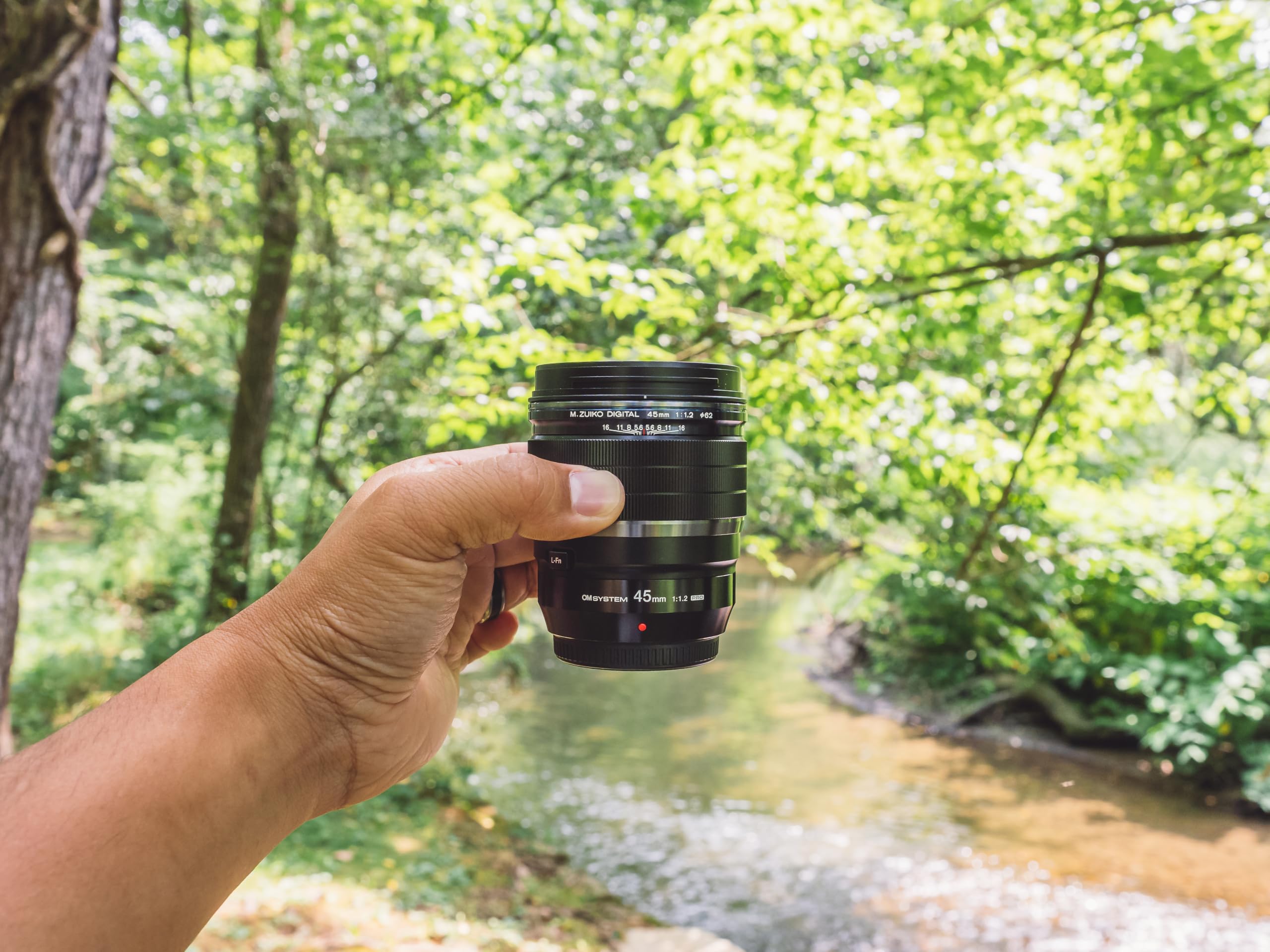
For example, the OM SYSTEM M.Zuiko Digital ED 45mm f/1.2 PRO is a strong option for Micro Four Thirds users who want both crisp subject detail and a refined, polished background blur. Its fast aperture makes it particularly appealing for portraits where you want subject separation without sacrificing a professional, modern look.
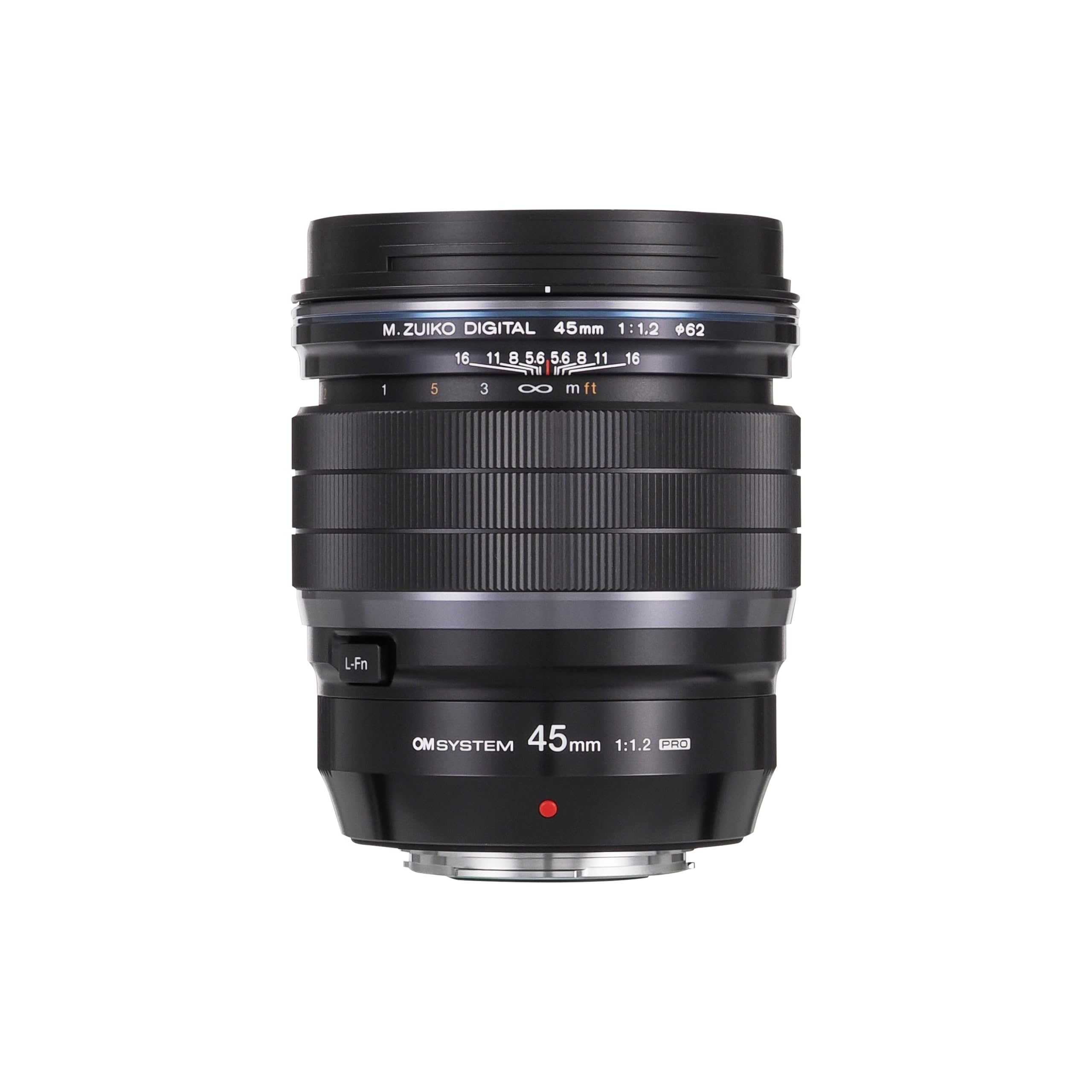
If you prefer a slightly longer portrait perspective, lenses around 75mm to 90mm often produce especially flattering compression and cleaner background separation. That is why many photographers gravitate toward this range for headshots and tighter framing.
Do lens tests tell me enough about artistic rendering and character?
No. This is one of the biggest gaps in any automated or lab-based comparison. Artistic rendering includes micro-contrast, color transmission, transition smoothness, highlight behavior, flare response, and the overall feel of the image. Two lenses can deliver similar sharpness results and still look noticeably different in portraits.
Classic portrait shooters often choose lenses for personality as much as performance. A lens with a more sculpted, dimensional rendering may create portraits that feel richer and more intimate. This is where a lens like the Zeiss Planar T 85mm f/1.4 has lasting appeal. It is valued not just for focal length and aperture, but for the distinctive drawing style many photographers want when creating portraits with depth and presence.
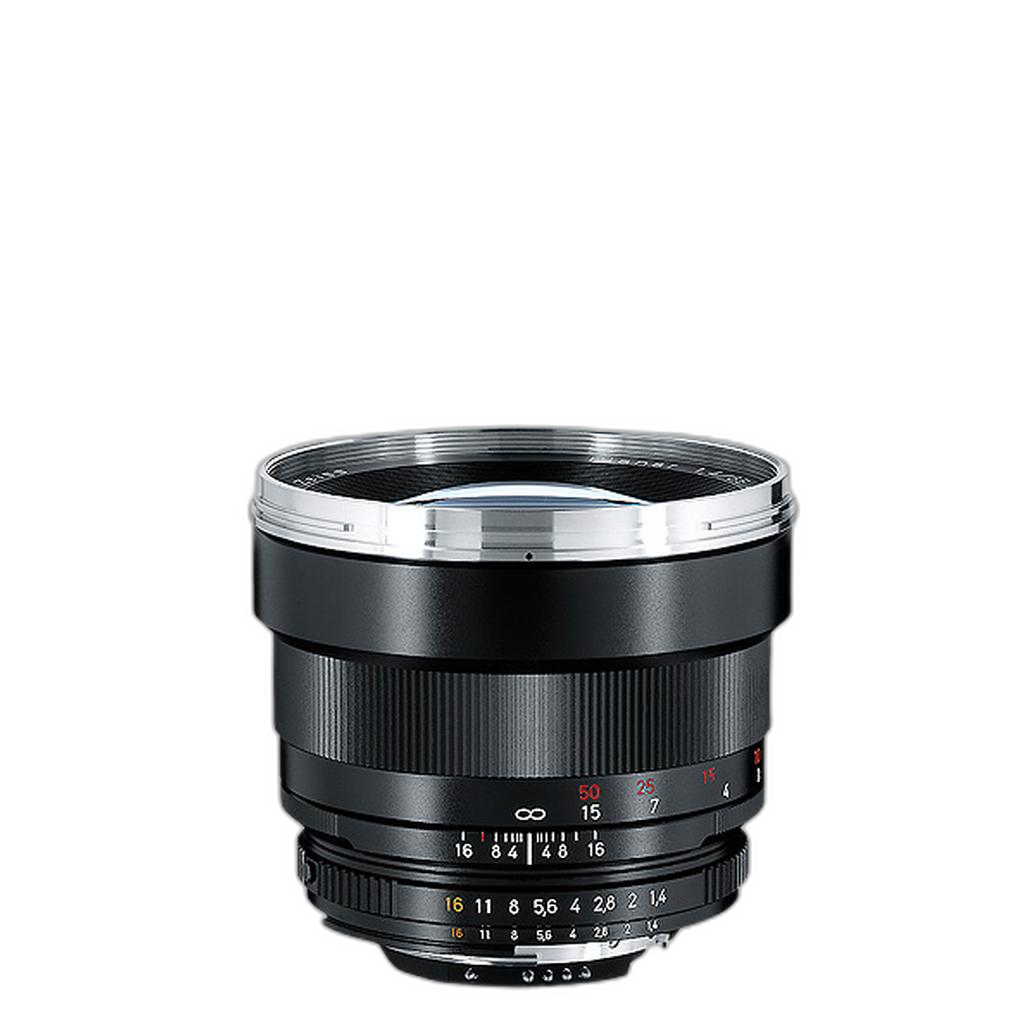
If you are deciding between lenses that all test well, the one with the rendering you connect with will usually be the better long-term choice.
Is 85mm still the classic portrait focal length, or should I consider 45mm, 75mm, or 90mm?
85mm remains one of the classic portrait focal lengths because it balances flattering compression, comfortable working distance, and strong subject isolation. That said, it is not the only answer. The right focal length depends on your camera system and the type of portraits you shoot most often.
On Micro Four Thirds, the OM SYSTEM M.Zuiko Digital ED 45mm f/1.2 PRO occupies a very useful portrait space and is excellent for half-body and tighter portraits. The OM SYSTEM M.Zuiko Digital ED 75mm f/1.8 is another standout for photographers who prefer stronger compression and more dramatic separation in headshots and outdoor portraits.
In full-frame systems, 85mm and 90mm are both highly practical portrait choices. A lens such as the Sigma 90mm F2.8 DG Contemporary is especially appealing if you want a compact, modern prime with elegant rendering and a slightly longer perspective for portraits without the size of a faster f/1.4 design.
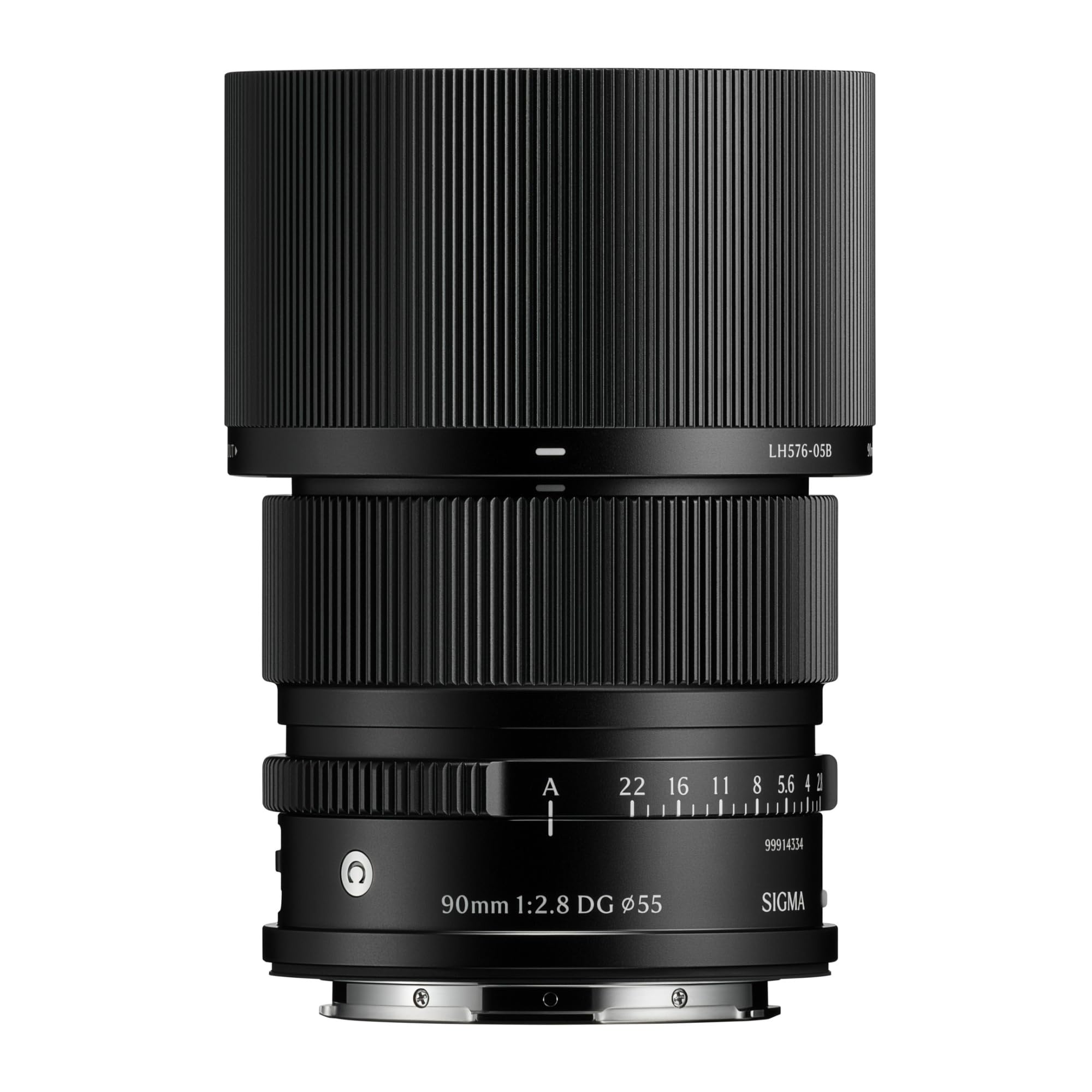
Choose shorter if you want flexibility in smaller spaces, and longer if your priority is flattering compression and easier background control.
Are smaller-aperture portrait lenses like f/1.8 or f/2.8 still worth considering?
Absolutely. Many photographers assume that only ultra-fast portrait lenses are worth buying, but that is not always true. Apertures like f/1.8 and f/2.8 can still create beautiful separation, especially at longer focal lengths. They also bring advantages in size, weight, price, and handling.
The OM SYSTEM M.Zuiko Digital ED 75mm f/1.8 is a great example of a lens that remains highly desirable because it combines a strong portrait focal length with a bright aperture and manageable form factor. Likewise, the Sigma 90mm F2.8 DG Contemporary is attractive for photographers who want a lightweight portrait prime that travels easily and still produces polished, professional results.
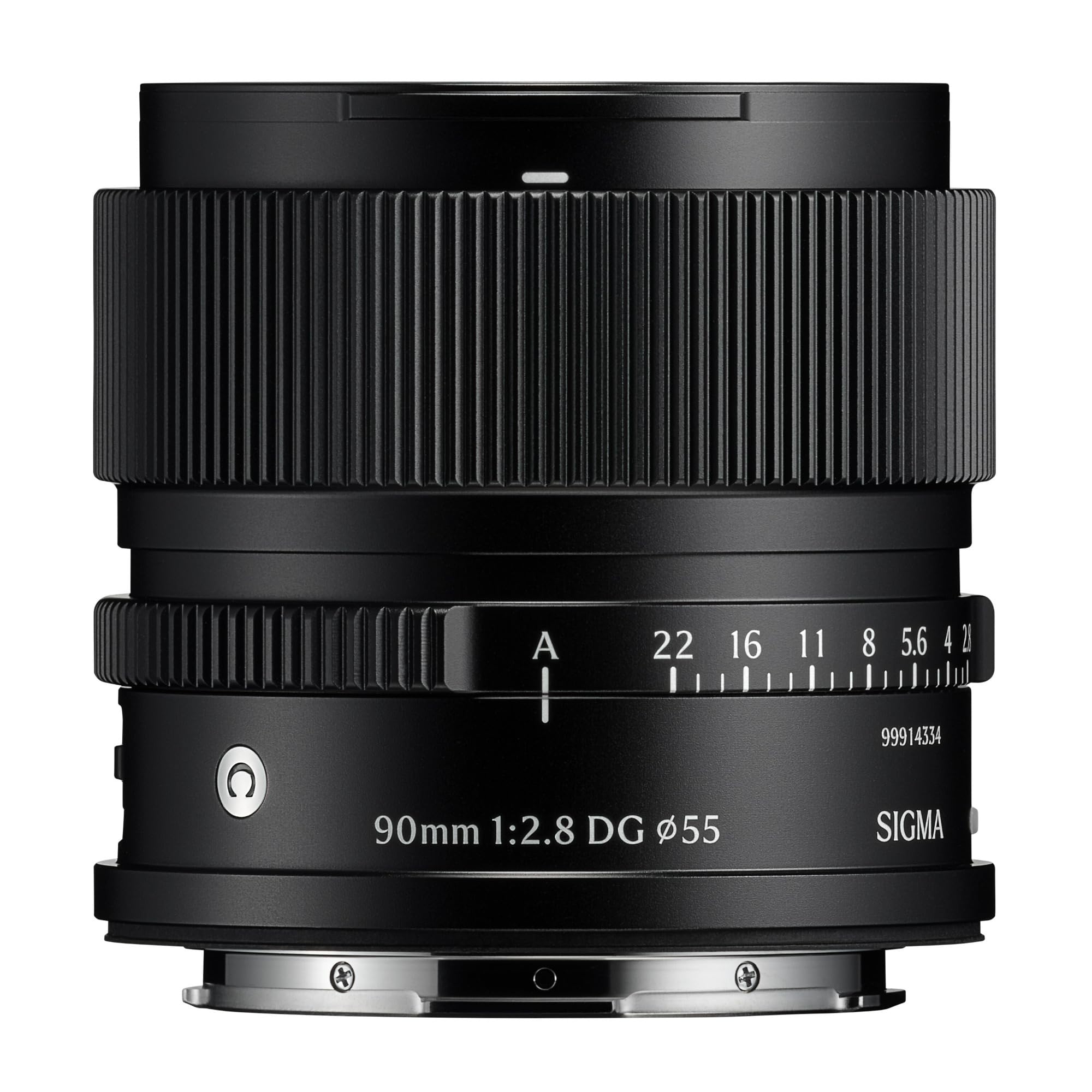
If you shoot environmental portraits, travel portraits, or long sessions where comfort matters, a smaller portrait prime can be the smarter choice than a larger, heavier lens that only wins on paper.
What should I look for besides sharpness and bokeh when buying a portrait lens?
We suggest evaluating six practical factors: autofocus reliability, eye-detection compatibility, handling, color and contrast, close-focus capability, and consistency at your preferred working aperture. A technically excellent lens loses value if it hunts in low light, feels front-heavy during long sessions, or renders skin in a way you constantly need to correct in post.
Portrait photographers should also think about the backgrounds they encounter most. Some lenses maintain smooth backgrounds with trees, string lights, or textured foliage better than others. The transition from focus to blur often matters more than raw blur amount. This is one reason photographers keep certain portrait primes for years: they trust how those lenses behave in unpredictable real-world scenes.
Can filters help refine the portrait look, or should I avoid them?
In many cases, the right filter can be a useful creative tool. Portrait-specific diffusion and softening filters can gently smooth contrast, tame digital harshness, and create a more flattering look straight out of camera. They are especially helpful for wedding, fashion, and beauty shooters who want a more romantic rendering without relying entirely on retouching.
Tiffen Wedding Portrait filters are worth considering if you want to subtly soften skin rendition while preserving the overall integrity of your lens choice. They can complement a modern, sharp prime by adding a touch of gentleness that some photographers feel purely technical lenses lack.
The key is moderation. A portrait filter should enhance your look, not overwhelm it. If you already love your lens but want a softer finish for certain sessions, adding a filter can be more cost-effective than switching to a completely different optic.
How do I choose between a technically perfect lens and one with more character?
Start by thinking about your final output. If you shoot commercial beauty, editorial work, or highly detailed headshots, a more technically corrected lens may be the best fit. If you shoot weddings, family portraits, fine art, or personal work, a lens with recognizable character may produce images that feel more memorable.
There is no universal winner here. Some photographers want neutral color, edge-to-edge crispness, and maximum consistency. Others want warmth, smoother transitions, or a rendering style that gives portraits a signature feel. We recommend choosing the lens that supports your visual identity rather than chasing the highest score alone.
That is why portrait lens shopping should always include a review of sample images, not just comparison data. Numbers tell you what a lens measures. Images tell you what it feels like to use.
What is our overall advice for picking the right portrait prime?
Use comparison tools to narrow your options, then make the final decision based on focal length, handling, rendering, and the kinds of portraits you actually shoot. For Micro Four Thirds photographers, the OM SYSTEM M.Zuiko Digital ED 45mm f/1.2 PRO and OM SYSTEM M.Zuiko Digital ED 75mm f/1.8 are compelling portrait choices. For photographers seeking classic character, the Zeiss Planar T 85mm f/1.4 remains a strong artistic option. And for those who value a compact modern portrait lens, the Sigma 90mm F2.8 DG Contemporary deserves serious consideration.
If you are ready to compare portrait primes in a more practical way, Unique Photo can help you match your shooting style to the right lens and accessories. Explore our selection of portrait lenses and creative filters to build a setup that looks great not only on a chart, but in the portraits you deliver.