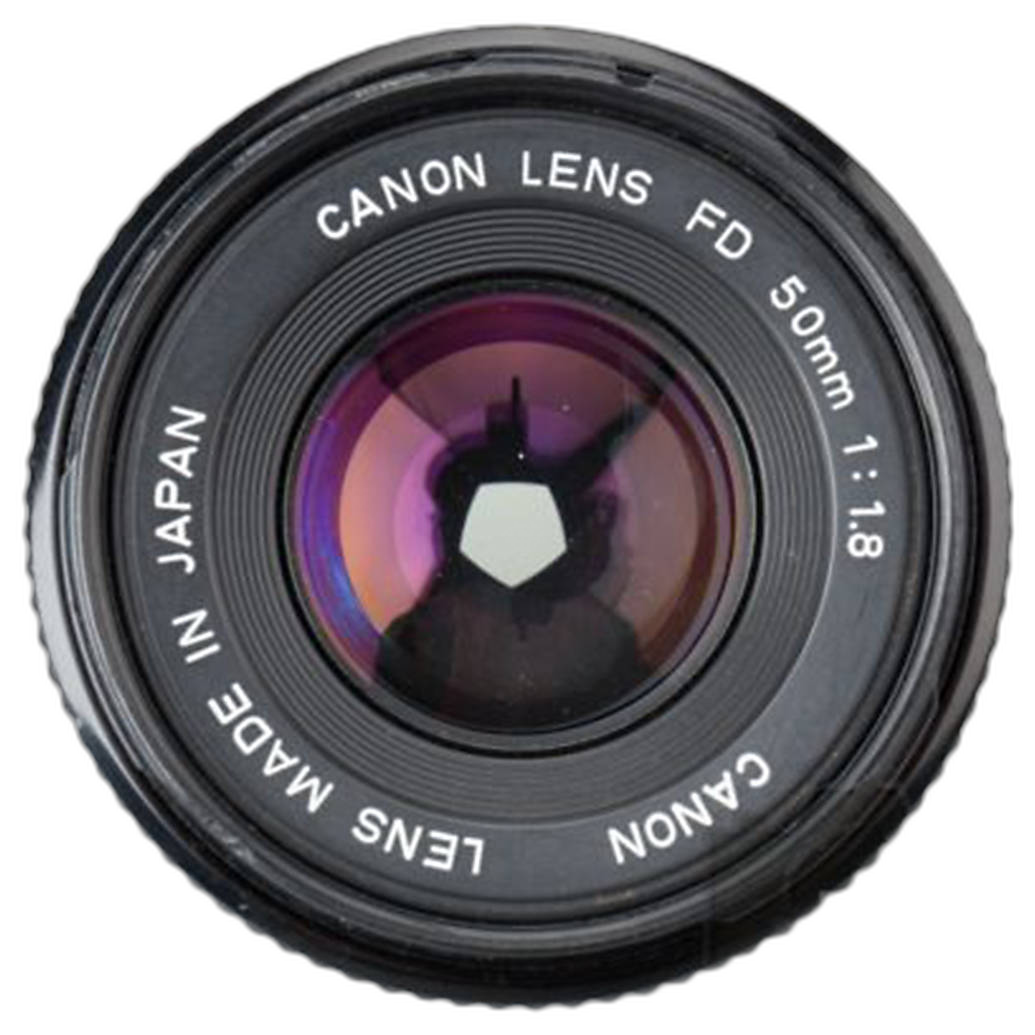
Portrait Lenses: Does Sony Lens Compare Beta Help Identify the Best Bokeh?
Portrait shooters chase two things: beautiful background blur and reliable subject focus. Sony’s Lens Compare (Beta) tool can help you visualize differences between lenses, but how well does it point you to the best bokeh in the real world? To find out, we put a versatile modern zoom—the Sony FE 24–105mm f/4 G OSS—up against a classic fast prime—the Used Canon FD 50mm f/1.8 (adapted)—and discuss where an online compare tool helps and where hands-on priorities matter more.
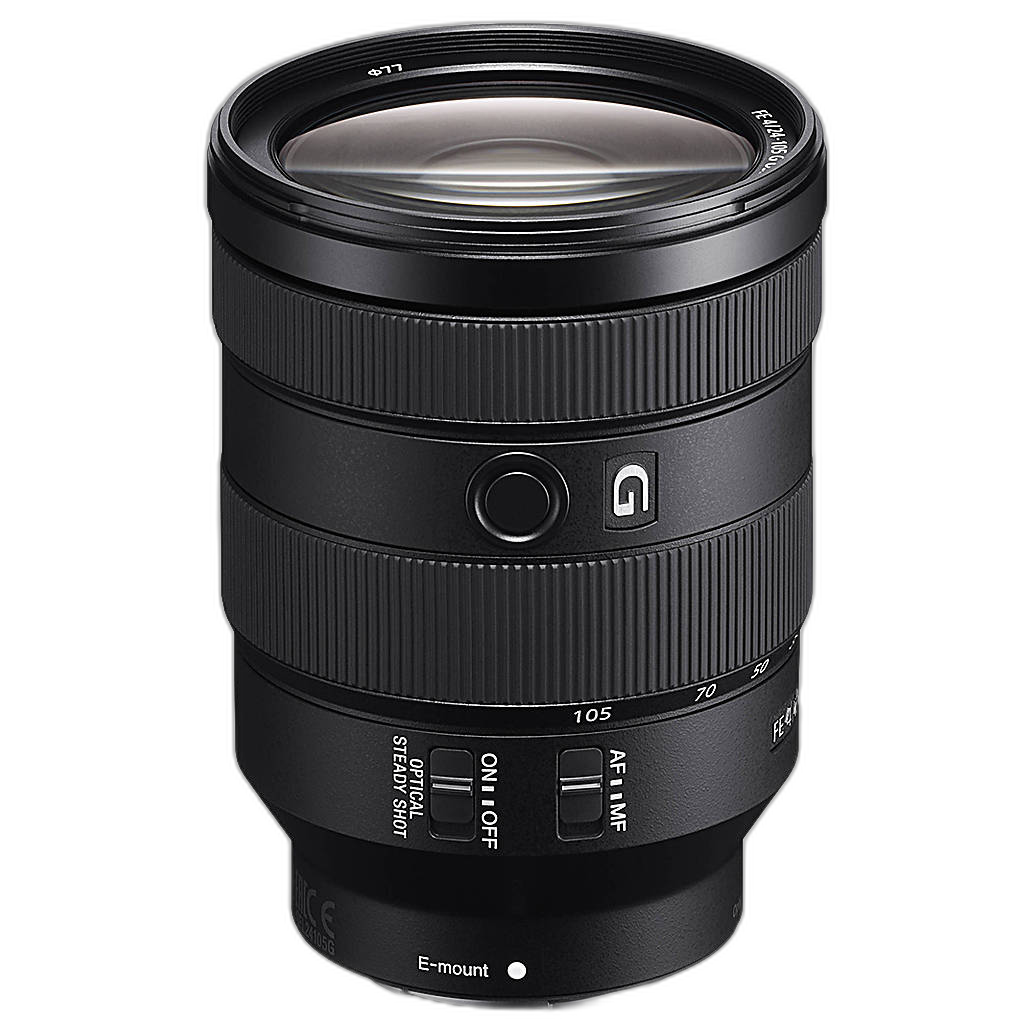
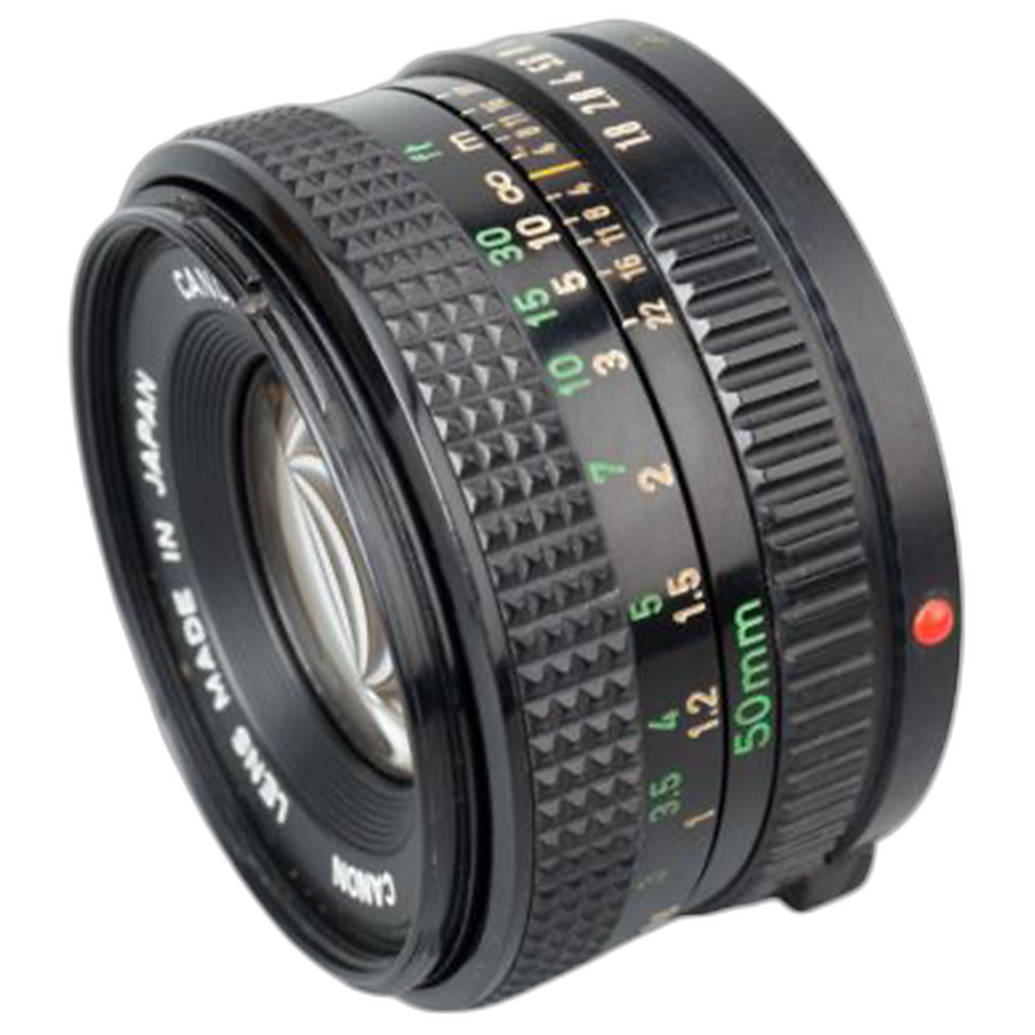
Side‑by‑Side Specs Snapshot
| Spec | Sony FE 24–105mm f/4 G OSS | Used Canon FD 50mm f/1.8 (adapted) |
|---|---|---|
| Focal length | 24–105mm (full‑frame) | 50mm (full‑frame) |
| Maximum aperture | f/4 (constant) | f/1.8 |
| Focus | Autofocus | Manual focus (via adapter on Sony E) |
| Stabilization | Optical SteadyShot (OSS) | No optical stabilization |
| Mount | Sony E (full‑frame) | Canon FD (requires adapter for Sony E) |
| Portrait strengths | Versatility, eye‑AF support, compressed perspective at 85–105mm | Shallow depth of field, classic rendering, compact size |
| Bokeh potential | Moderate (f/4; relies on focal length and distance) | High (f/1.8; strong blur at close to mid distances) |
| Best use cases | Environmental portraits, events, travel, hybrid photo/video | Classic portraits, low‑light, subject isolation on a budget |
Category‑by‑Category Analysis
What Sony Lens Compare Beta Can (and Can’t) Tell You
Tools like Sony’s Lens Compare (Beta) are great for previewing field of view, sharpness trends, and even vignetting at different focal lengths and apertures—especially when comparing Sony lenses to other Sony lenses. They’re less definitive for bokeh quality across brands, older optics, or adapted glass, where rendering character (edge transitions, cat’s‑eye shapes, mechanical vignetting) isn’t always captured by standardized charts or sample frames. Use the tool to narrow options, then validate with real portraits and your own priorities.
Background Blur and Bokeh Quality
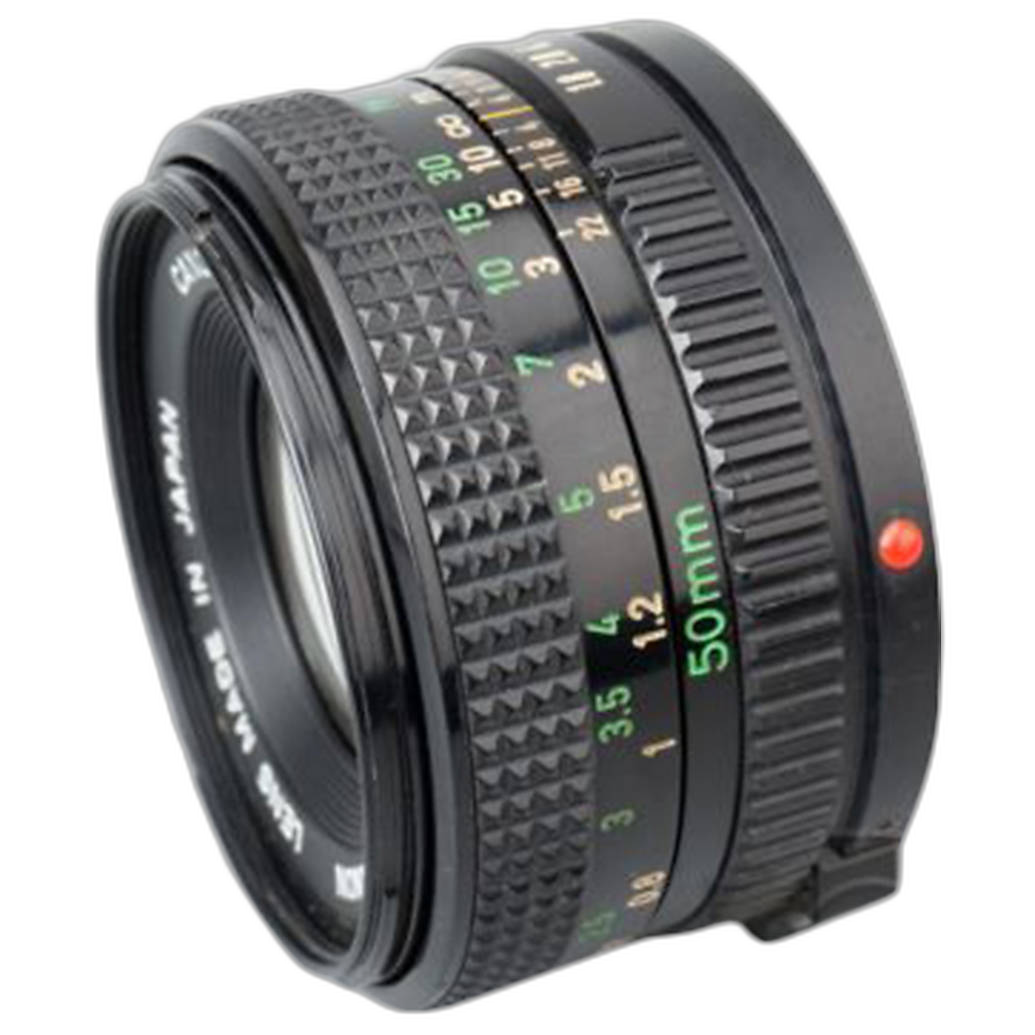
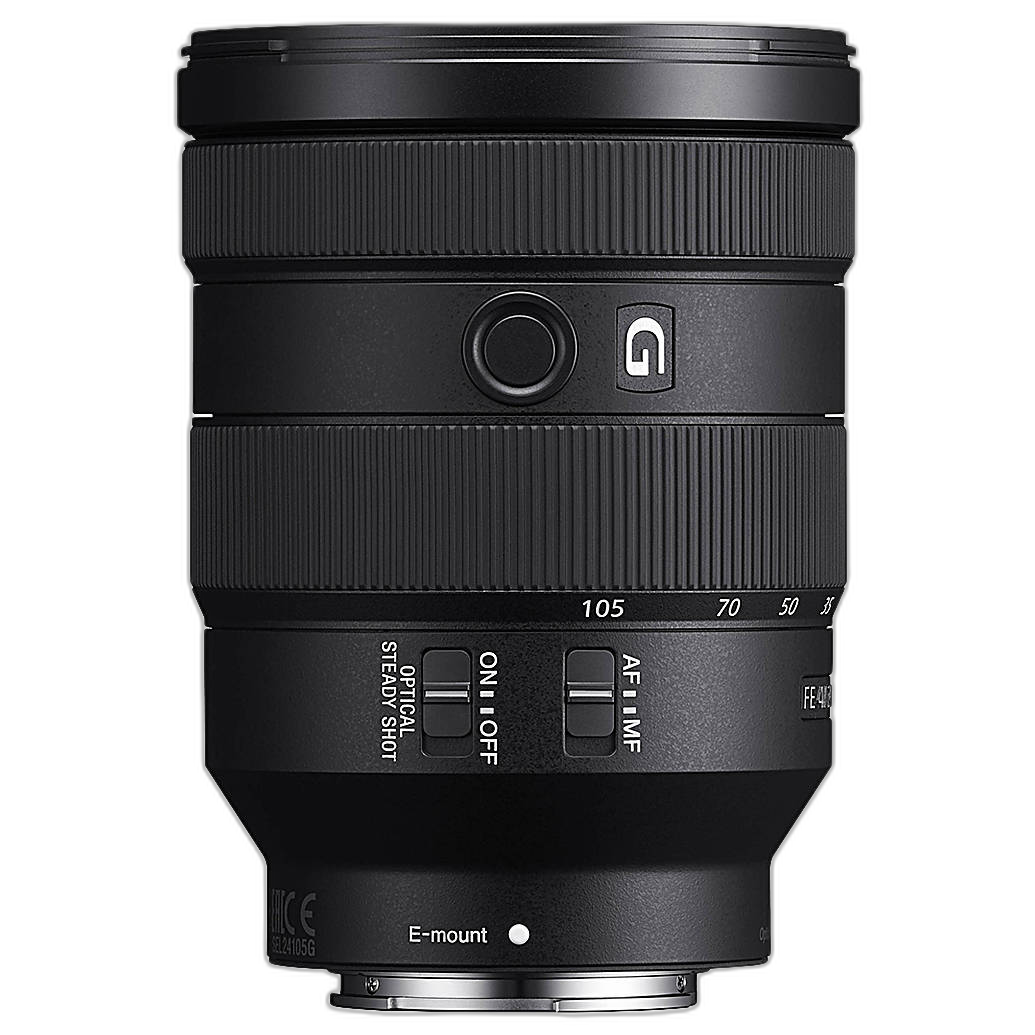
For pure blur, aperture still rules. The Canon FD 50mm f/1.8 delivers meaningfully shallower depth of field than an f/4 zoom, producing a creamier background and stronger subject separation at typical portrait distances. The Sony 24–105mm f/4 can still yield pleasing background softness—especially around 85–105mm and when you place your subject well away from the background—but it won’t match the prime’s blur intensity at the same framing.
Subject Isolation and Compression
Isolation comes from both aperture and perspective. The Sony zoom can leverage longer focal lengths (e.g., 85–105mm) to compress backgrounds, which helps separation even at f/4. The 50mm prime relies on its wider aperture for blur. If you shoot tight headshots outdoors with space to back up, the Sony at the long end performs better than you might expect; in tighter indoor spaces, the f/1.8 prime maintains an advantage.
Autofocus, Handling, and Hit Rate
The Sony FE 24–105mm f/4 G OSS integrates seamlessly with Sony autofocus features, including eye/face detection—key for fast‑paced portraits or events and for video work. The Canon FD 50mm is manual‑focus only when adapted; that brings a classic, tactile workflow but slows you down and can reduce your keeper rate with moving subjects. If you rely on modern AF for consistent eyes‑sharp results, the Sony is the safer choice.
Low Light and Stabilization
In low light, the f/1.8 prime can keep ISO lower and shutter speeds faster without compromising subject sharpness. The Sony counters with built‑in OSS that steadies your framing for stills and video—great for hand‑held ambient‑light portraits with cooperative subjects. Remember: stabilization won’t freeze subject motion; a faster aperture still helps with moving people.
Color and Rendering Character
The Canon FD 50mm f/1.8 is known for a classic, slightly vintage rendering that many find flattering for skin tones. The Sony 24–105mm G emphasizes neutrality and consistency across the zoom range, which is excellent for modern workflows and color matching on multi‑lens shoots. Rendering preference is subjective—this is where real sample images trump any spec sheet or comparison widget.
Value and Upgrade Path
A used FD 50mm f/1.8 is an affordable way to get shallow depth of field and learn the portrait fundamentals of timing, posing, and light. The Sony 24–105mm f/4 G OSS costs more, but it can replace several lenses for travel, portrait, product, and event work—often making it the better long‑term tool for hybrid shooters.
What About Ultra‑Wide? (Sony FE 12–24mm f/2.8 GM)
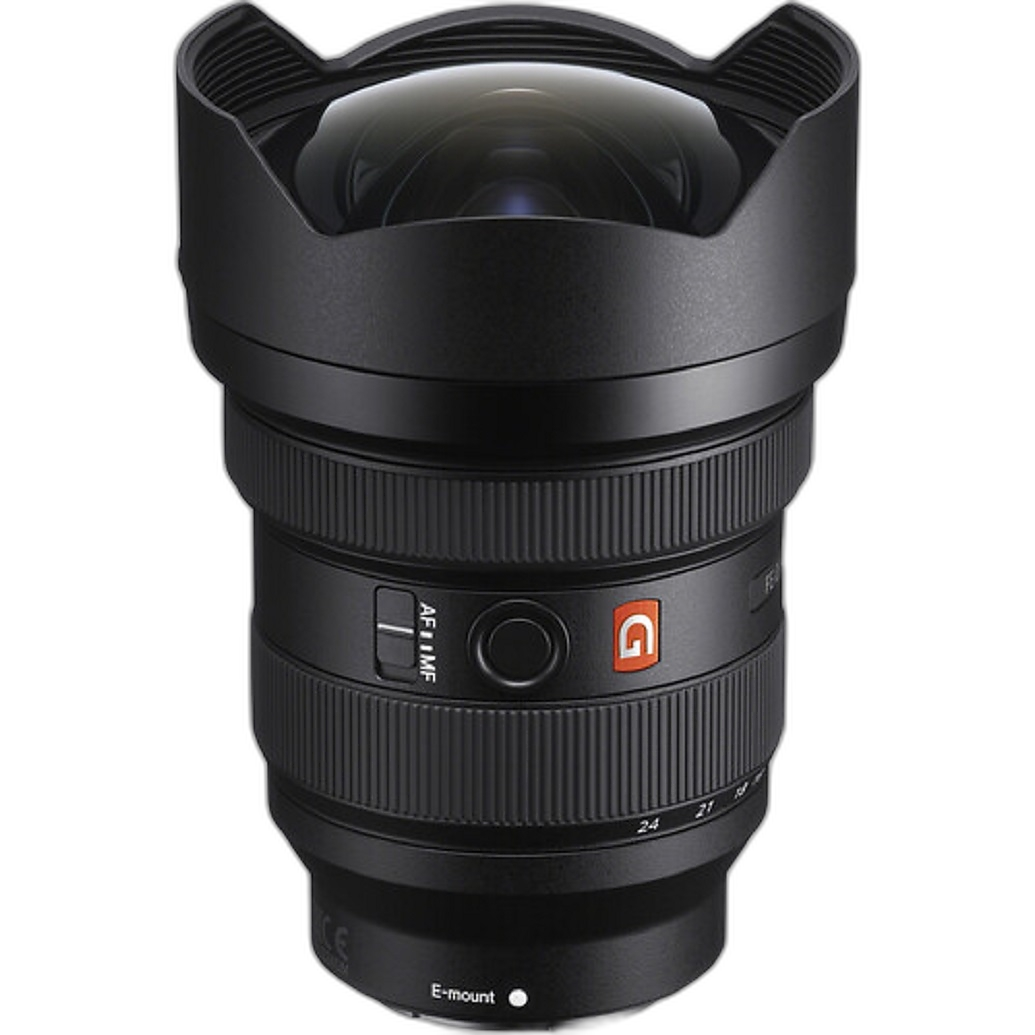
Ultra‑wide angles can be stunning for environmental portraits, but they are not the typical route to creamy bokeh. Even at f/2.8, 12–24mm lenses emphasize depth and context over blur. Use them when the scene matters as much as the subject.
Who Should Choose Which?
- Prefer the creamiest blur at portrait distances and don’t mind manual focus? Choose the Used Canon FD 50mm f/1.8 and adapt it to Sony E.
- Need reliable AF, flexibility from environmental portraits to tight headshots, and solid video performance? Choose the Sony FE 24–105mm f/4 G OSS.
Our Pick
Best Bokeh Pick: Used Canon FD 50mm f/1.8. Its f/1.8 aperture delivers the most pronounced background blur and classic portrait rendering at a great price—perfect for photographers who prioritize subject isolation and don’t mind manual focus via an adapter.
Best All‑Around Portrait Workhorse: Sony FE 24–105mm f/4 G OSS. If you need fast autofocus, versatility from 24 to 105mm, and consistent results across stills and video, this is the pragmatic everyday choice—even if ultimate blur is a notch behind a fast prime.
Conclusion
Sony’s Lens Compare (Beta) is a useful starting point, but real portrait priorities—bokeh intensity, autofocus needs, and your shooting environment—should guide the final decision. For the creamiest backgrounds on a budget, go with the fast 50mm prime. For day‑to‑day reliability and range, the Sony 24–105mm f/4 G OSS is hard to beat. Explore both options and more at Unique Photo, where our experts can help you match a lens to your look.