Introduction: Choosing the Right Portrait Lens Is About Look, Budget, and Workflow
Selecting a portrait lens is one of the most important decisions a photographer can make, because lens choice directly shapes perspective, background blur, facial rendering, and the overall mood of an image. When photographers share advice on portrait lenses, the same themes come up again and again: pick a focal length that flatters your subject, balance sharpness with character, and decide whether first-party or third-party glass gives you the best value for your style of work.
This review takes a practical look at the portrait-lens decision process rather than focusing on a single piece of gear. For beginners, that may mean understanding why 85mm is a classic portrait focal length. For working photographers, it may mean comparing premium brand-name lenses against more affordable third-party alternatives from makers like Sigma. And for hybrid shooters, it may even include adapting Canon EF lenses to Sony E bodies for portrait work.
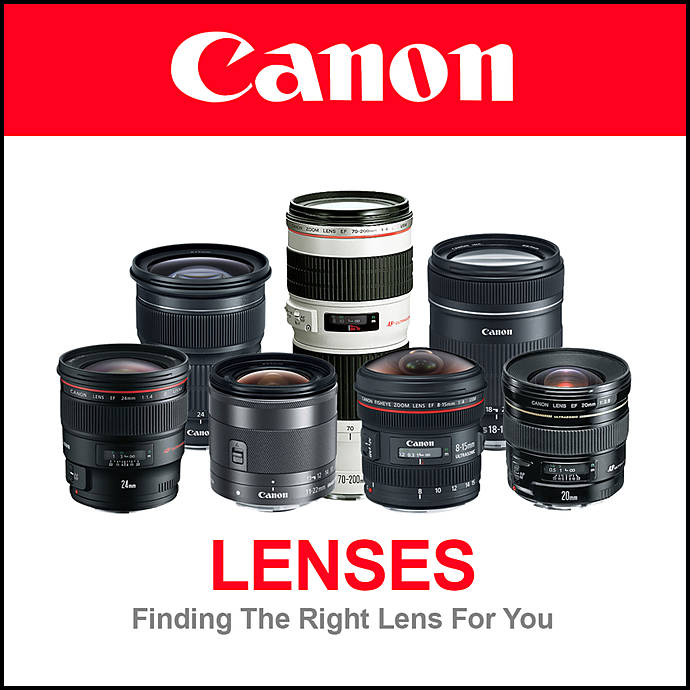
As a buying topic, portrait lenses sit at the intersection of technical performance and personal taste. Some photographers prioritize maximum sharpness and autofocus speed. Others care more about creamy bokeh, gentle contrast, or the way a lens renders skin tones and out-of-focus highlights. The good news is that there is no single correct answer—only better choices for specific portrait styles, shooting environments, and budgets. If you are looking to refine your lens selection, Unique Photo is a strong place to buy, compare options, and build out a portrait-focused kit.
What Photographers Usually Want in a Portrait Lens
Portrait photographers typically evaluate lenses based on a few core characteristics. Focal length matters because it affects working distance and facial proportions. Maximum aperture matters because it influences low-light performance and subject separation. Autofocus performance is critical for event, family, and environmental portrait work, while manual-focus handling can matter more for controlled studio sessions and cinema-style production.
Just as important is the less measurable side of lens performance: rendering. Two lenses can be equally sharp but produce very different results in real portraits. One may have smoother background transitions, another may be higher in contrast, and a third may deliver a more clinical look that some photographers love and others avoid. This is why portrait shooters so often describe lenses in emotional terms such as “creamy,” “dreamy,” “crisp,” or “character-rich.”
Focal Length: The Foundation of Portrait Style
For classic headshots and tightly framed portraits, 85mm remains a favorite because it offers flattering compression without forcing the photographer too far from the subject. A 50mm can be excellent for full-body portraits, lifestyle work, and tighter indoor spaces. A 135mm gives a more compressed, dramatic look and can produce especially clean backgrounds, though it requires more room to work. On APS-C cameras, photographers often choose focal lengths around 50mm to 56mm to achieve a similar portrait-friendly field of view.
Zooms also deserve attention in the portrait conversation. Fast telephoto zooms can provide flexibility for shooting different compositions quickly, while specialty zooms in the cine world can offer a unique option for portrait filmmakers and hybrid creators.
Aperture and Background Separation
Wide apertures like f/1.2, f/1.4, and f/1.8 are popular for portraits because they help isolate the subject from the background. That said, many photographers eventually learn that the widest aperture is not always the best aperture. For group portraits, environmental images, or even single-person portraits where both eyes must stay tack-sharp, stopping down slightly can improve consistency. The trade-off between price and quality often appears here: ultra-fast premium lenses are attractive, but mid-range lenses can produce equally compelling portraits in real-world conditions.
Brand vs. Third-Party Portrait Lenses
One of the biggest points photographers discuss is whether to choose native lenses from Canon and other camera brands or save money with third-party alternatives. Native lenses often bring the best autofocus integration, weather sealing, firmware support, and system-level consistency. They are frequently the safest choice for professionals who need predictable performance every day.
Third-party options, however, have become increasingly compelling. Companies like Sigma have earned a strong reputation for optical quality, often delivering impressive sharpness and fast apertures at prices that undercut brand-name equivalents. For many portrait photographers, the difference in image quality between first-party and third-party is now small enough that value becomes the deciding factor.
When Native Brand Lenses Make More Sense
If your work depends on fast-moving subjects, eye-detection autofocus reliability, or complete compatibility with the latest camera body features, native lenses are still hard to beat. Brand lenses also tend to retain value well and are often preferred by photographers who want a straightforward, no-compromise system approach.
When Third-Party Lenses Offer Better Value
Third-party lenses make a lot of sense for portrait shooters who care most about optical character, sharpness, and cost efficiency. A well-made third-party lens can free up budget for lighting, backdrops, education, or additional focal lengths. That matters, because portrait quality depends on far more than lens branding alone.
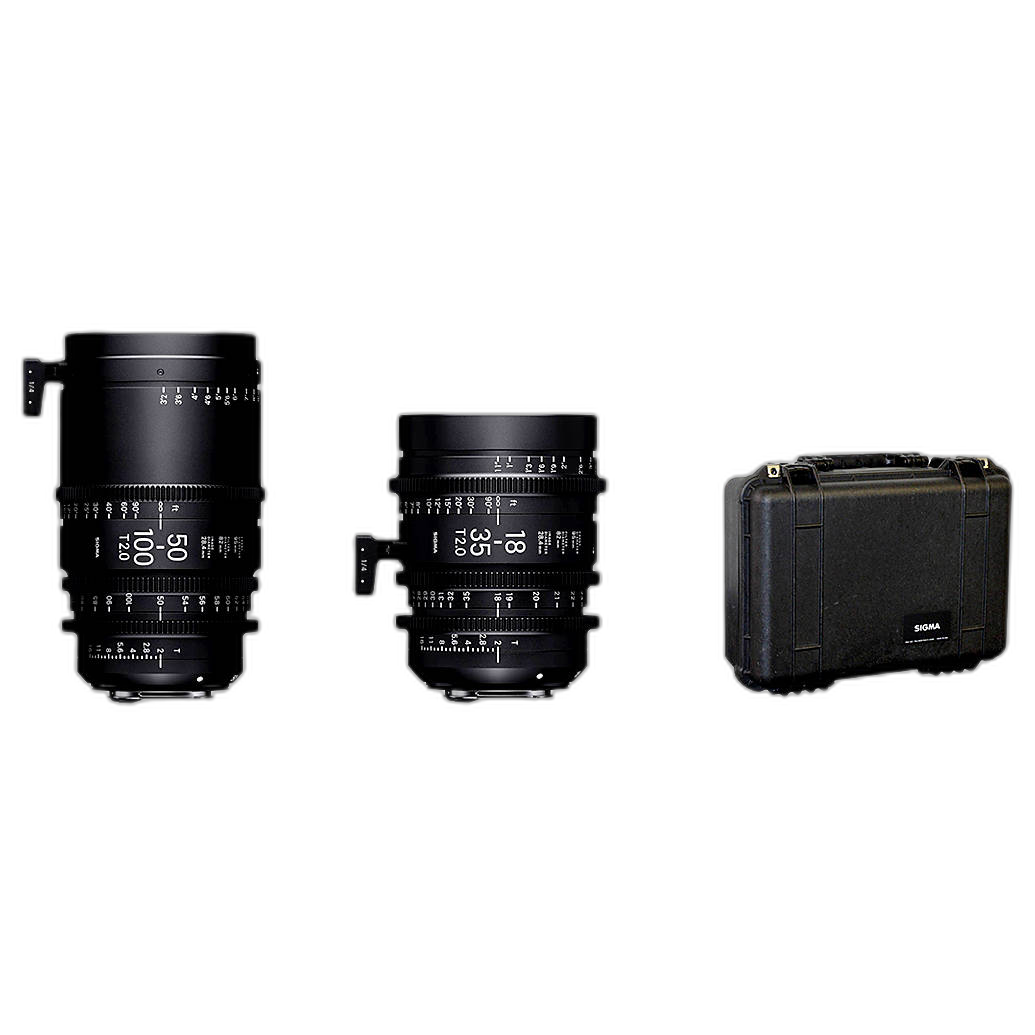
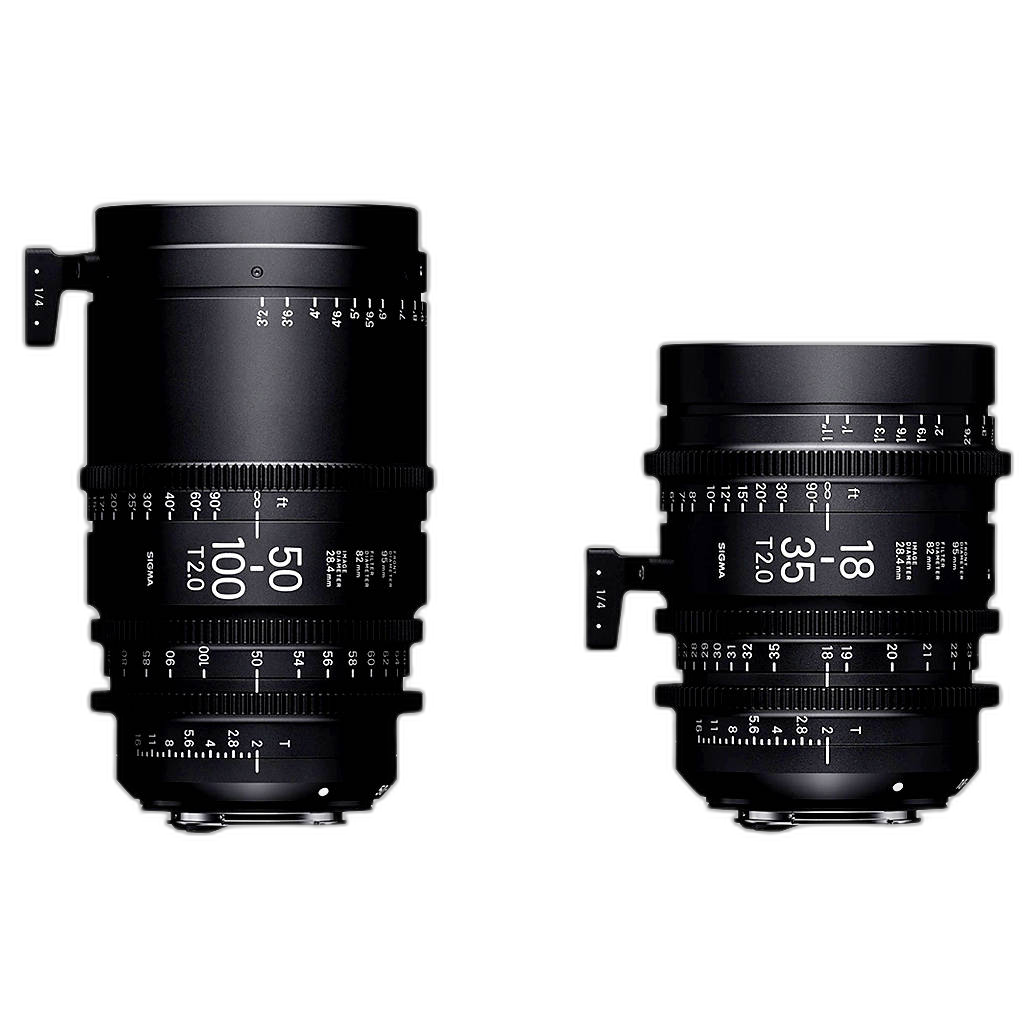
For filmmakers and hybrid shooters, Sigma’s cine-oriented options show how third-party makers can offer specialized tools that stand apart from typical photo-lens lineups. The Sigma 18-35mm T2 and 50-100mm T2 Lenses with Case (Canon EF) are not conventional still-photo portrait lenses, but they illustrate a broader point: third-party manufacturers often create solutions with distinctive handling and image qualities that appeal to serious creatives.
The Price-to-Quality Trade-Off: Where Should You Spend?
Portrait photographers often debate whether it is better to buy one premium lens or several affordable lenses covering different focal lengths. In practice, the answer depends on your subject matter. If you shoot almost exclusively headshots, investing in one excellent short telephoto lens can be the smartest move. If you photograph families, seniors, editorial portraits, and social content, flexibility may be more valuable than owning the most expensive prime in the lineup.
This is also where practical buying advice matters. Many photographers overestimate how much lens price alone will improve their portraits. Better lighting, stronger posing, more flattering focal length choices, and improved communication with subjects often make a bigger difference than upgrading from a good lens to an elite one. A less expensive lens used well will outperform an expensive lens used poorly every time.
Sharpness Isn’t Everything
Modern lenses are so sharp that portrait photographers can afford to think beyond resolution charts. Microcontrast, flare behavior, transition smoothness, color rendering, and bokeh shape all contribute to a portrait lens’s appeal. Some portrait photographers even prefer older or less clinically perfect lenses because they render skin and backgrounds in a softer, more forgiving way.
Build Quality and Long-Term Value
Premium lenses often justify their price through durability, sealing, smoother controls, and stronger resale value. But for enthusiasts and growing professionals, a smartly chosen mid-priced lens can be the better investment if it enables a complete kit. Spending less on a lens may allow room in the budget for education and lighting—two things that can dramatically elevate portrait results.
Lens Characteristics That Matter Most for Portraits
Bokeh and Background Rendering
Portrait photographers talk about bokeh constantly, and for good reason. Smooth, unobtrusive out-of-focus areas help separate the subject and keep attention on the face. But pleasing bokeh is not just about blur quantity; it is about blur quality. Harsh outlines, busy foliage rendering, or nervous highlight shapes can distract from an otherwise strong image.
Perspective and Compression
Many people confuse perspective with lens design, but in portraits, perspective is really tied to camera-to-subject distance. Longer focal lengths encourage photographers to stand farther back, which tends to create flattering facial proportions. This is why moderate telephoto lenses are so often recommended for portraits. They naturally support a more flattering working distance.
Autofocus Performance
For posed studio portraits, autofocus speed may be less critical. But for children, couples, weddings, and location work, accurate eye autofocus can make a major difference. Native lenses may still have the edge here, though many third-party options perform extremely well on current bodies.
Color and Contrast
Portrait shooters often become loyal to lenses that produce a certain look straight out of camera. Some lenses render warmer tones, some cooler. Some create punchy contrast, while others are more gentle. These differences may be subtle, but over time they shape a photographer’s style.
Adapted Lenses for Portrait Work
Another topic photographers frequently discuss is adaptation. If you have invested in Canon EF portrait lenses but moved to Sony E, an adapter can be a cost-effective way to keep using proven glass. This approach can be particularly attractive for portrait photographers who work at a measured pace and do not need the absolute fastest autofocus available.
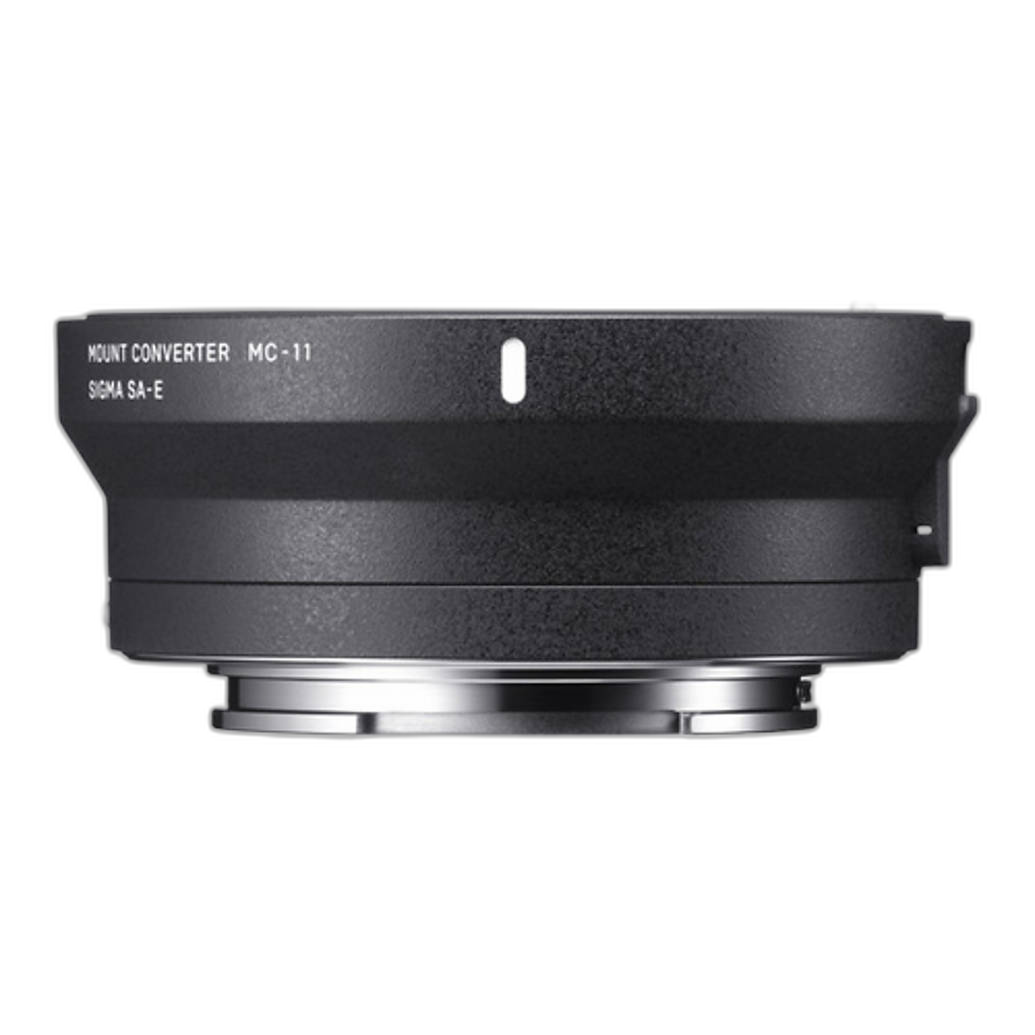
The Used Sigma MC-11 Mount Adapter Canon EF Lenses to Sony E - Excellent represents that practical, budget-aware thinking. Adaptation is rarely a perfect replacement for native glass, but it can extend the life of favorite portrait lenses and reduce transition costs when moving systems.
Why Adapting Can Be Worth It
For photographers who already own strong EF portrait lenses, an adapter may be smarter than immediately replacing everything. It also creates access to a wider used-lens market and can be a helpful bridge while deciding which native lenses are truly worth buying.
Portrait Photography Is Bigger Than the Lens
A consistent theme among experienced photographers is that the lens matters, but it does not work alone. Lighting, posing, expression, wardrobe, and subject comfort all carry enormous weight. That is why many photographers recommend investing not just in lenses, but also in portrait education.
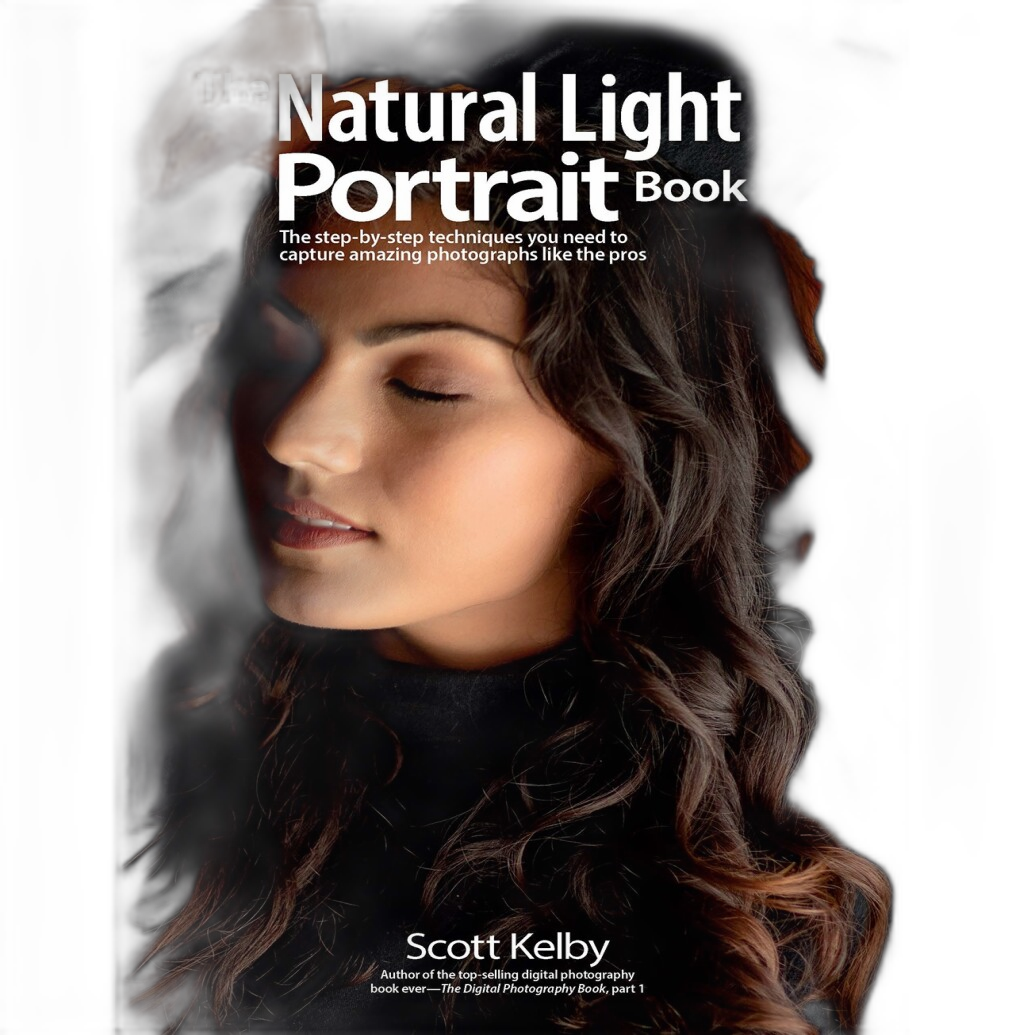
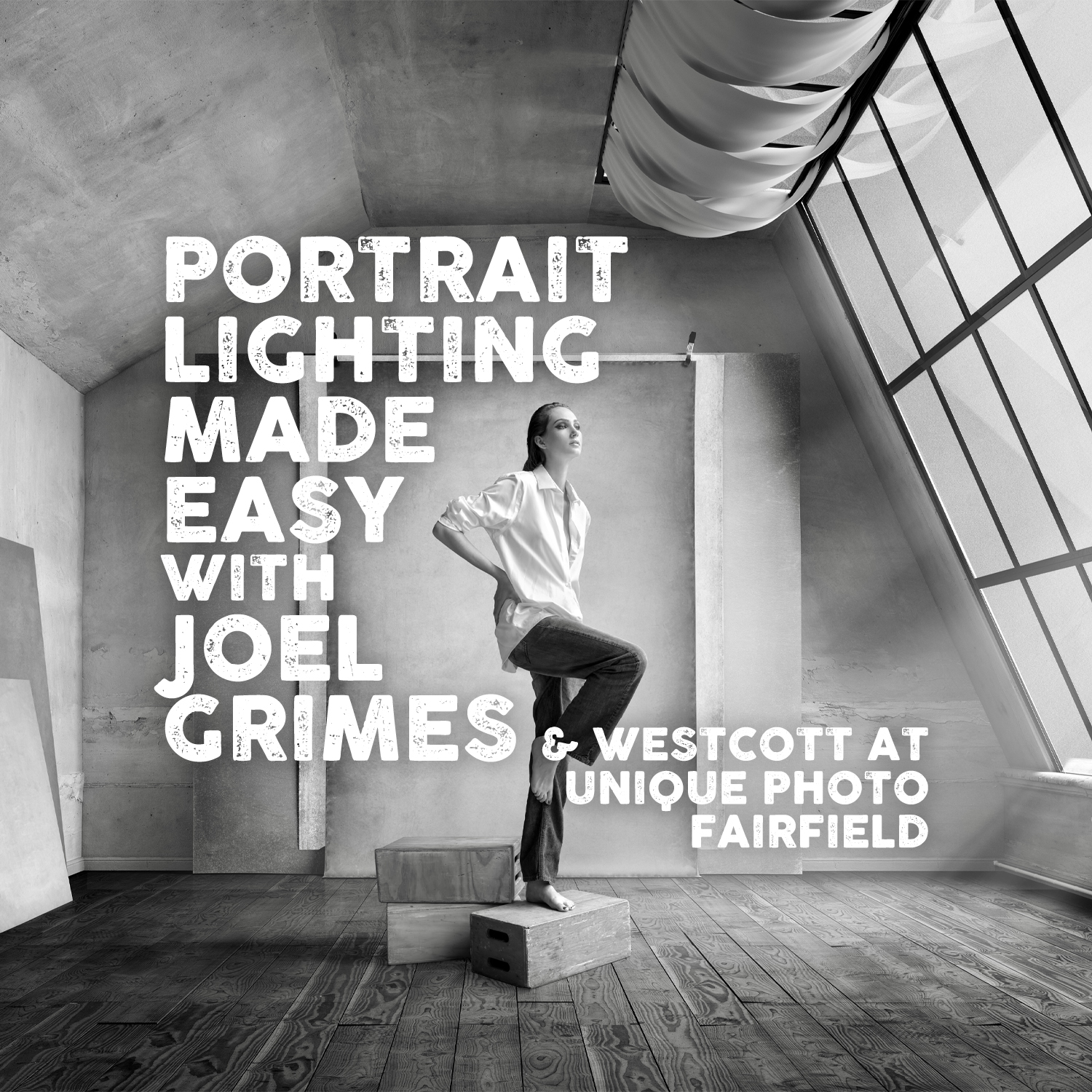
Resources like Mastering the Natural Light Portrait by Scott Kelby, Portrait Lighting Made Easy with Joel Grimes, and portrait workshops from Unique Photo reinforce an important reality: the best portrait lens is the one that supports a strong vision and good technique. A talented photographer with a modest 50mm can create beautiful portraits if they understand light and expression.
Pros and Cons of Today’s Portrait Lens Buying Advice
Pros
- Photographers now have excellent options across native and third-party brands.
- Affordable portrait lenses can deliver professional-looking results.
- Different focal lengths allow for distinct portrait styles and creative flexibility.
- Adapted lenses can reduce system-switching costs.
- Education and workshops help buyers make smarter lens choices.
Cons
- Too many choices can make the buying process confusing.
- Premium lenses often carry steep prices for relatively small real-world gains.
- Third-party and adapted setups may not always match native autofocus reliability.
- Online lens discussions sometimes overemphasize sharpness and underemphasize technique.
- The “best portrait lens” varies so much by subject and style that universal recommendations can be misleading.
Verdict: Buy for the Portraits You Actually Shoot
The best advice photographers share about selecting portrait lenses is refreshingly practical: choose the focal length that fits your style, prioritize rendering and working distance over hype, and be honest about your budget. Native brand lenses are often the safe, premium route, especially for professionals who need maximum autofocus performance and system integration. Third-party alternatives can offer excellent image quality and tremendous value, making them highly appealing for enthusiasts and working shooters alike.
If you mostly shoot headshots, start with a short telephoto prime. If you need flexibility, consider a strong standard or telephoto zoom. If you are switching camera systems, don’t ignore the value of adapted lenses. And if your portraits need improvement, consider investing in lighting and education as much as optics.
For photographers looking to compare portrait tools, learn from workshops, and buy with confidence, Unique Photo is an excellent place to shop. The strongest recommendation is simple: buy the lens that helps you shoot more portraits, more confidently, and with a look you genuinely love.