Portrait Lens FAQ: How to Choose the Right Lens for Flattering Results
Choosing a portrait lens can feel overwhelming because photographers often balance sharpness, autofocus performance, background blur, working distance, and budget all at once. At Unique Photo, we help portrait shooters narrow that choice by focusing on how a lens behaves in real-world sessions, from tight headshots to environmental portraits and low-light location work.
While lens choice matters, great portraits come from the full combination of focal length, lighting, posing, and technique. That is why many photographers pair their gear decisions with education in portrait lighting and styling to get more consistent results.
What focal length is best for portrait photography?
The best focal length depends on the kind of portrait you want to create. Classic portrait ranges usually start around 50mm, 85mm, and 135mm on full-frame cameras because they provide flattering perspective without forcing you too close to your subject. An 85mm lens is often the most versatile choice for headshots and half-length portraits, while a 50mm lens works especially well for environmental portraits where you want to include more of the scene. A 135mm lens can produce beautiful compression and strong subject separation, but it requires more working distance and can be less practical in small studios or indoor locations.
On APS-C cameras, many photographers get similar portrait-friendly framing with lenses in the 35mm to 56mm range. Rather than asking which focal length is objectively best, it helps to ask how much room you have, how much background you want to include, and whether you prefer tighter compositions or storytelling portraits.
Is an 85mm lens better than a 50mm lens for portraits?
Neither is universally better; they simply solve different problems. An 85mm lens is a favorite because it gives flattering facial proportions, smoother background compression, and enough distance to make subjects feel comfortable during a session. It is especially strong for headshots, senior portraits, and more polished studio work.
A 50mm lens, on the other hand, is often more flexible for everyday use. It can handle portraits, lifestyle work, couples, and indoor sessions where space is limited. If you only want one prime lens and need it to do more than portraiture, 50mm may be the smarter value. If portrait work is your main priority and you want a more classic look, 85mm is often the stronger dedicated option.
To get the most from either focal length, lighting technique matters just as much as lens choice. Unique Photo offers portrait education that can help photographers shape light for any lens style, including Mastering Portrait Lighting: Mixing Flash and Ambient Light.

How important is maximum aperture for portrait lenses?
A wide maximum aperture, such as f/1.2, f/1.4, or f/1.8, can be very useful for portraits because it helps isolate your subject with a softer background and can improve low-light performance. That said, the widest aperture is not always the best shooting aperture. Many portrait photographers stop down slightly to improve sharpness across the eyes and maintain enough depth of field for reliable focus, especially when working close to the subject.
If you shoot in natural light, a fast lens can absolutely make your life easier. But if you typically work with strobes or controlled lighting, aperture speed becomes less critical than rendering, autofocus reliability, and handling. For many photographers, an f/1.8 lens offers an excellent balance of image quality, portability, and value.
Photographers who want to improve natural-light portraits alongside their lens choices may benefit from resources like Mastering the Natural Light Portrait by Scott Kelby.
Does autofocus performance matter that much for portrait work?
Yes, especially if you photograph moving subjects, work wide open, or shoot events, weddings, families, and children in addition to posed portraits. A portrait lens with fast, accurate autofocus can make a big difference when your subject shifts slightly between frames or when you are relying on eye-detection AF. Modern camera systems have dramatically improved face and eye tracking, but the lens still plays a major role in how quickly and confidently the system locks on.
For slower-paced studio portraits, autofocus speed is less of a deciding factor than consistency and precision. In those situations, many photographers care more about the lens rendering skin tones, contrast, and transition from sharp focus to blur. If you often work with active subjects or shallow depth of field, prioritize autofocus performance higher on your checklist.
Are expensive portrait lenses always worth it?
Not always. Premium portrait lenses often deliver advantages such as better sharpness at wide apertures, smoother bokeh, more robust weather sealing, faster focusing motors, and stronger build quality. Those benefits can absolutely matter for professionals or enthusiasts who shoot often and demand consistency. However, many affordable portrait lenses produce excellent results, particularly when paired with thoughtful lighting and good subject direction.
Cost-effectiveness comes down to how you shoot. If you are building a portrait kit for paid work, investing in a lens with dependable autofocus and strong optical performance may save time and improve keeper rate. If you are still learning, you may gain more from education and lighting tools than from jumping straight to the most expensive glass available.
That is one reason Unique Photo offers classes and workshops that help photographers improve the final image regardless of lens tier. For example, Portrait Lighting Made Easy with Joel Grimes focuses on practical techniques that elevate portraits beyond gear alone.
What makes a portrait lens look different besides sharpness?
Sharpness gets the most attention, but it is only part of the story. Portrait photographers also notice background rendering, contrast, color reproduction, flare resistance, transition from in-focus to out-of-focus areas, and how skin textures are rendered. Some lenses have a very crisp, modern look that emphasizes detail, while others feel smoother or more forgiving even when they are technically less sharp.
This is why two lenses with similar focal lengths and apertures can still produce noticeably different portraits. The best choice depends on your preferred style. If you want clean, polished commercial portraits, you may gravitate toward lenses with high contrast and strong correction. If you want softer, more romantic rendering, you might prefer a lens with gentler transitions and less clinical sharpness.
Should I choose a zoom lens or a prime lens for portraits?
Prime lenses are popular for portraiture because they often offer wider apertures, lower weight, and strong optical performance for the price. They also encourage a more deliberate shooting style. An 85mm prime, for example, remains one of the most common portrait recommendations for a reason.
Zoom lenses, however, can be incredibly practical for portrait sessions, particularly if you work in changing locations or need to move quickly. A mid-range zoom can cover full-length shots, half-body portraits, and tighter compositions without forcing constant lens changes. For event portraiture, branding shoots, and outdoor sessions, that flexibility can be a major advantage.
If your priority is the classic shallow-depth-of-field look, primes usually win. If your priority is convenience and framing flexibility, a quality zoom can be the smarter tool. Many photographers eventually carry both.
How much does lighting matter compared to the lens?
Lighting matters at least as much as the lens, and often more. A great portrait lens can help with subject separation and rendering, but light defines the mood, shape, texture, and dimensionality of the face. Even a modestly priced lens can create beautiful portraits in the hands of a photographer who understands direction, soft versus hard light, and how to balance ambient light with flash.
For photographers looking to improve portrait results quickly, education in lighting often provides a bigger jump in image quality than changing lenses. Unique Photo offers several portrait-focused learning options, including NJCS: Lighting for Portraiture with David Piazza and NJCS: Part II - Compelling Portraiture Live Shoot with Jonny Edward.

What is the best portrait setup for beginners on a budget?
A practical beginner setup usually includes one camera body, one fast prime lens, and a simple understanding of natural or off-camera light. For full-frame shooters, a 50mm or 85mm prime is a strong starting point. For APS-C users, a 35mm or 50mm equivalent can work very well. Start with a focal length that fits your shooting space, then spend time learning how distance, background choice, and posing affect the final portrait.
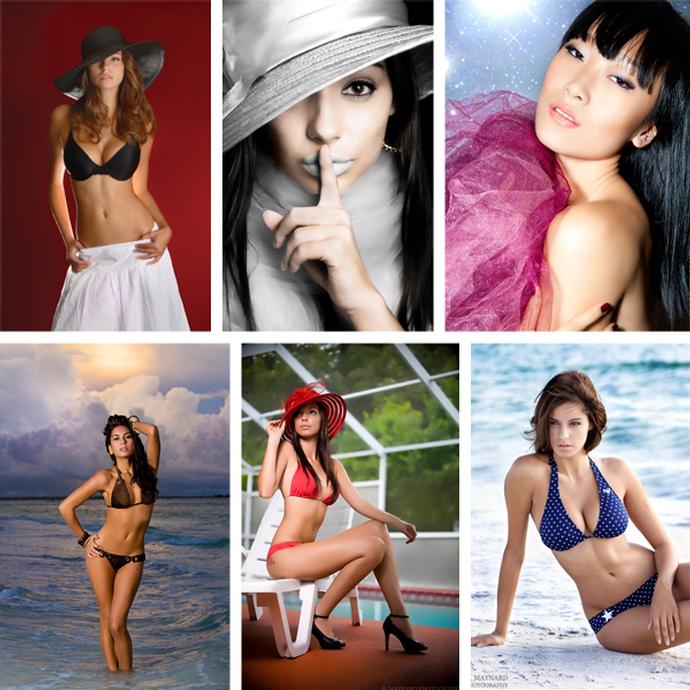
Beginners often improve fastest when they combine manageable gear with guided instruction. Unique Photo workshops such as Stunning Portraits Workshop with David Maynard and ExpoImaging, NJCS: Travel Portraits with Bobbi Lane, and EXPO: The Art of Stylized Portraiture with Lindsay Adler can help new portrait photographers develop style and confidence without relying solely on expensive equipment upgrades.
The right portrait lens is the one that fits your style, your shooting distance, and your budget while helping you work confidently with your subjects. If you are ready to improve your portraits, explore Unique Photo’s educational workshops and portrait resources to build not just your kit, but your technique as well.