Portrait Camera FAQ: Brand, Sensor Size, AF, Color, and Resolution
Choosing a camera for portrait photography often comes down to a few big questions: which brand feels best, how much sensor size really matters, and whether autofocus, color rendering, or sheer resolution should lead the decision. At Unique Photo, we help portrait photographers sort through those priorities so they can build a kit that fits their style, workflow, and clients.
Below, we answer some of the most common questions portrait shooters ask when comparing systems for studio, environmental, editorial, and high-end portrait work.
Does camera brand really matter for portrait photography?
Yes, but not always in the way people expect. Most modern camera brands are capable of producing excellent portrait images, especially when paired with strong lenses and thoughtful lighting. The bigger differences tend to show up in ergonomics, menu design, lens selection, flash integration, tethering support, autofocus behavior, and how easily you can get consistent results under pressure.
For many portrait photographers, the best brand is the one that supports their workflow without slowing them down. If you shoot fast-moving family sessions or lifestyle portraits, responsive autofocus and intuitive operation may matter more than absolute resolution. If you specialize in beauty, fashion, or commercial portraits, you may care more about skin tone flexibility, tethered shooting, and files that stand up to heavy retouching.
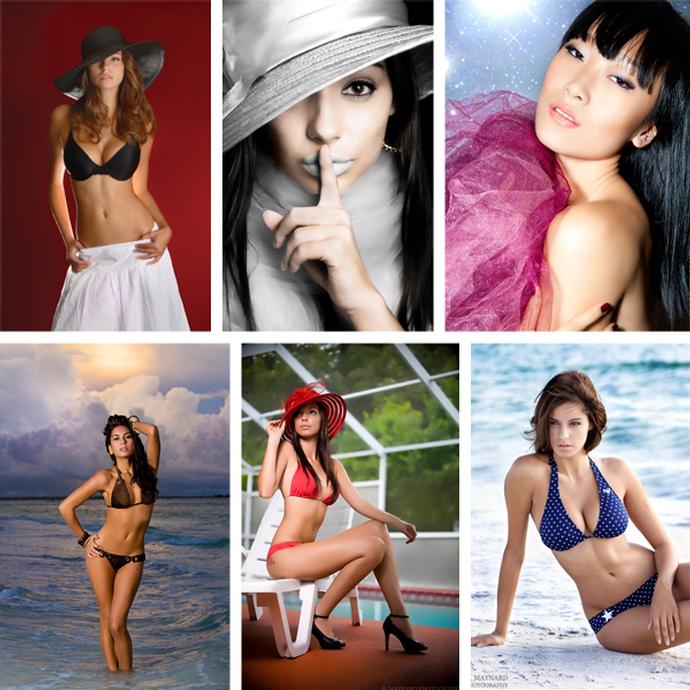
That is also why education matters as much as gear. A lighting-focused class can often improve portraits more dramatically than switching camera systems. Unique Photo offers portrait education that helps photographers get more from any camera they already own, including Stunning Portraits Workshop with David Maynard and ExpoImaging.
Is full frame the best sensor size for portraits?
Full frame is a popular sweet spot for portrait work because it offers strong low-light performance, shallow depth of field when desired, and a broad range of lens options. It is especially well suited for photographers who want a versatile system that can handle studio portraits, location shoots, events, and video without major compromise.
That said, full frame is not automatically the best choice for everyone. APS-C can be a smart option for photographers who want a lighter, more affordable setup while still delivering professional-looking portraits. Medium format appeals to photographers who prioritize maximum tonal subtlety, large prints, and high-end commercial output.
In real-world portrait work, the final image depends just as much on lens choice, subject direction, and lighting control as sensor size. Many photographers get more benefit from investing in portrait lighting education before moving into a larger sensor format. A resource like Portrait Lighting Made Easy with Joel Grimes (Westcott) can help unlock better results regardless of the camera in your hands.
How important is color science for portrait photographers?
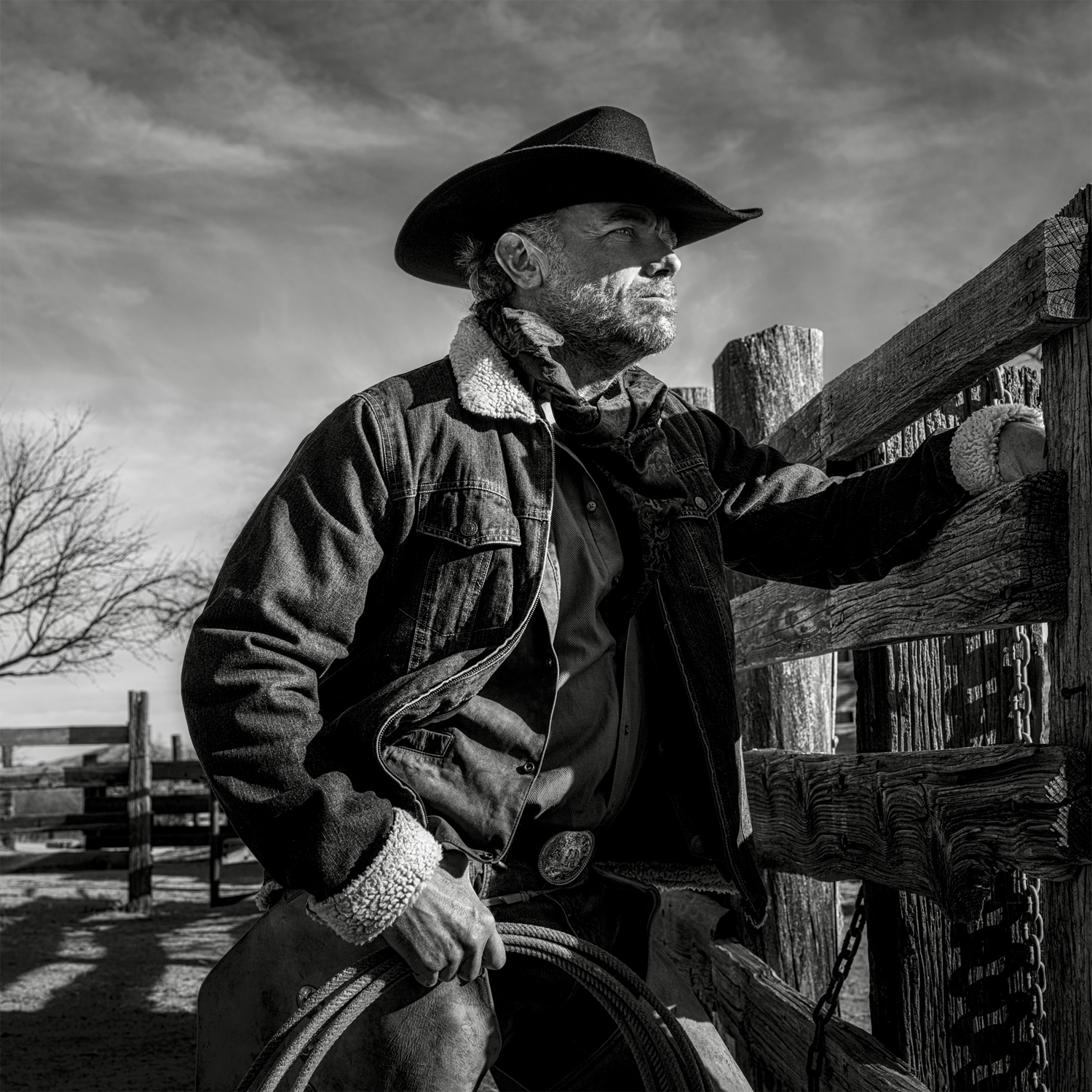
Color science matters because portraits live or die by how pleasing and believable skin tones look. Different camera systems can render color a bit differently out of the box, and some photographers strongly prefer one brand’s default look over another. However, it is important to remember that RAW processing, white balance control, monitor calibration, and lighting quality all have a major impact on the final result.
If you are shooting JPEGs for quick turnaround work, native color rendering may influence your brand preference more strongly. If you shoot RAW and edit carefully, differences between systems can often be managed effectively in postproduction. For studio portrait photographers, consistent lighting and custom white balance usually matter more than forum debates about brand color character.
The best approach is to evaluate files in your own workflow. If you often photograph a wide range of skin tones, look for a camera system that gives you smooth tonal transitions, dependable white balance, and editing latitude. In many cases, learning to shape light well will do more for skin tone than changing brands.
Should I prioritize autofocus or resolution for portraits?
It depends on the type of portrait work you do most often. For controlled studio portraits, resolution can be more important because your subject is relatively still, your lighting is predictable, and you may want maximum detail for retouching, crop flexibility, or large prints. In those situations, slower but highly detailed cameras can make a lot of sense.
For weddings, outdoor sessions, children, dancers, performers, or environmental portraits with movement, autofocus can be the more valuable feature. Fast, accurate eye detection helps keep attention on expression and connection rather than technical recovery. A camera that locks reliably on the eyes can dramatically improve keeper rate, especially at wide apertures.
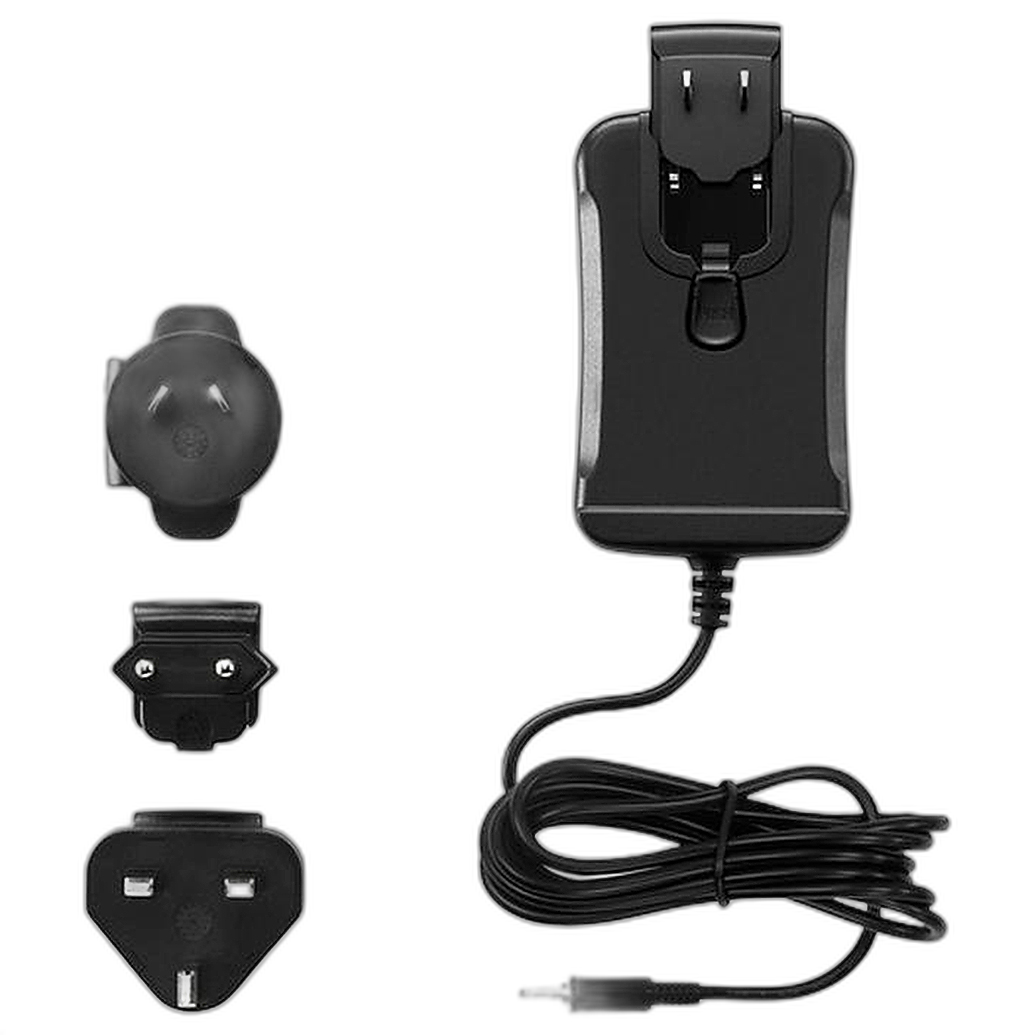
Portrait photographers who work across multiple genres often benefit most from a balanced camera body: enough resolution for print and commercial use, with autofocus strong enough for candid moments. If video portraits are also part of your business, power and accessory planning become important too. For example, creators using compact cinema-oriented setups may appreciate support gear such as the Blackmagic Design Power Supply for Pocket Cinema Camera for longer studio or interview sessions.
Do portrait photographers really need high-megapixel cameras?
Not always. High-megapixel cameras are especially useful for commercial beauty work, fashion, high-end retouching, and large prints where fine detail is critical. They also help when you need room to crop while maintaining strong output quality. If your clients routinely request magazine layouts, billboard use, or premium album spreads, added resolution can be a real advantage.
But more megapixels also mean larger file sizes, greater storage needs, slower workflow on older computers, and a higher demand for precise technique. Every bit of camera shake, focus error, or lens weakness becomes easier to see. For many portrait businesses, a moderate-resolution camera is more than enough and leads to a more efficient editing process.
A good rule is to buy resolution for a real deliverable, not for bragging rights. If your current files already satisfy your clients, a better lens, stronger lighting kit, or more education may be the smarter investment.
When does medium format make sense for portrait work?
Medium format can be a compelling choice for portrait photographers who want exceptional tonal gradation, refined subject separation, and files with impressive depth for high-end retouching. It is particularly appealing in commercial portraiture, luxury branding, beauty, and fine art work where image quality is scrutinized closely and clients expect premium deliverables.
That said, medium format is not automatically better for every portrait assignment. These systems can be more expensive, larger, and in some cases less responsive than top-tier full-frame cameras when it comes to autofocus speed and burst shooting. If your sessions involve children, action, or fast-paced environmental shooting, a modern full-frame body may simply be more practical.
For photographers serving ad agencies, designers, or gallery clients, medium format may justify its cost. For many others, full frame provides a more flexible balance of speed, image quality, and lens choice. At Unique Photo, we usually recommend matching the camera to the job rather than chasing a format upgrade too early.
How much does lighting matter compared to the camera body?
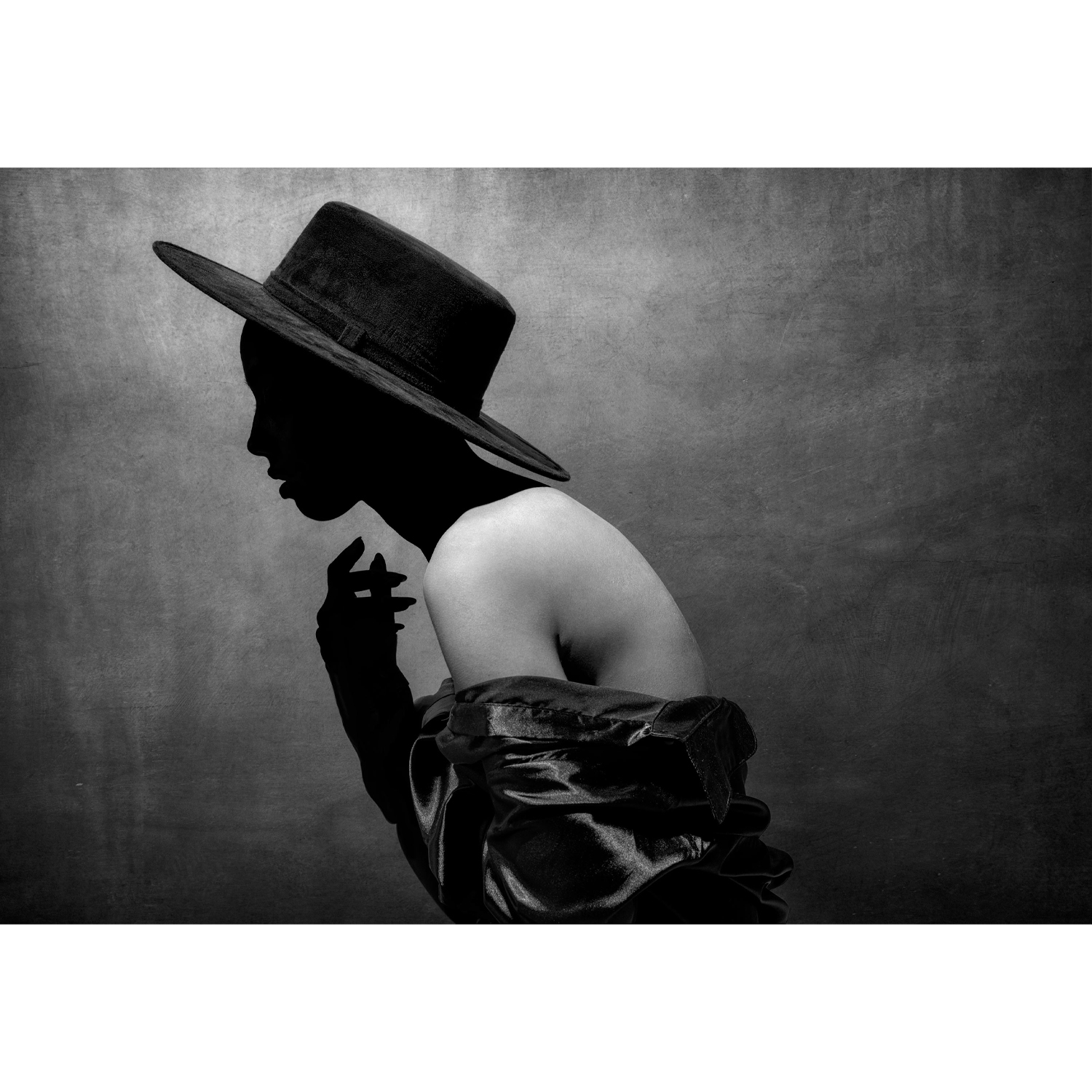
Lighting often matters more. A well-lit portrait from a modest camera can look far more polished than a poorly lit portrait from an expensive body. Good light shapes the face, flatters skin, adds dimension, and helps create mood. It also improves color consistency and reduces the amount of corrective editing needed later.
This is why photographers who are comparing brands should also think seriously about education and technique. Learning how to position a key light, manage contrast, feather a modifier, and control background separation can have an enormous impact on your work. Resources like Portrait Lighting Made Easy with Joel Grimes and hands-on learning opportunities such as Stunning Portraits Workshop with David Maynard and ExpoImaging can accelerate that process.
What accessories make portrait sessions easier and more professional?
Even simple accessories can improve comfort and efficiency during long shoots. A reliable camera strap helps when moving between locations or working events and portrait sessions back-to-back. For photographers who prefer a clean, understated look, the PGYTECH Camera Strap Slim - Vintage-Olive Green is the kind of everyday accessory that can make carrying a camera more comfortable during extended portrait sessions.
Power solutions also matter more than many photographers realize, especially for hybrid shooters producing portraits and video content in the same day. If you shoot interviews, actor reels, or promotional portrait clips on a compact cinema camera, dedicated power accessories can reduce interruptions and keep your setup running smoothly.
And if you are investing in higher-end equipment, service protection is worth considering. Coverage options such as a manufacturer warranty plan can be valuable for working professionals who rely on their gear for paid assignments.
How can I choose the right portrait camera without getting overwhelmed?
Start by identifying the kind of portraits you shoot most: studio headshots, family sessions, weddings, fashion, school portraits, beauty, or commercial campaigns. Then prioritize the features that directly support that work. For example, studio and beauty shooters may lean toward resolution and tethering, while event-oriented portrait photographers may focus on autofocus, battery life, and low-light performance.
Next, think beyond the body. A portrait system includes lenses, lighting, support gear, editing workflow, and education. It is often smarter to build a complete and dependable kit than to spend your entire budget on a body alone. Comfort matters too, because a camera that feels natural in your hands is one you will use more confidently.
If possible, handle gear in person and compare files from your own shooting style. At Unique Photo, we encourage photographers to make practical decisions based on real assignments, not internet arguments. The right portrait camera is the one that helps you work efficiently, create flattering images consistently, and deliver results your clients love.
Whether you are refining your lighting, exploring a higher-resolution system, or building out a more dependable portrait workflow, Unique Photo is here to help with gear, classes, and expert guidance. Explore our portrait education and accessories to take the next step with confidence.