Photography Motivation FAQ: How to Stay Inspired and Keep Shooting
Every photographer goes through periods of high energy, creative slowdown, and even complete burnout. Whether you are a beginner trying to build consistency or a more experienced shooter looking to reconnect with your craft, a thoughtful approach can help you move forward with purpose.
Below, our team at Unique Photo answers common questions about staying motivated in photography, building better habits, and choosing tools and learning resources that support long-term creative growth.
Why do photographers lose motivation?
Loss of motivation usually comes from a mix of factors rather than one single problem. Repetition, comparison with other photographers, unrealistic expectations, and pressure to produce something impressive every time can all make photography feel more like work than exploration. In some cases, the issue is not a lack of passion at all, but simple fatigue from shooting without a clear goal.
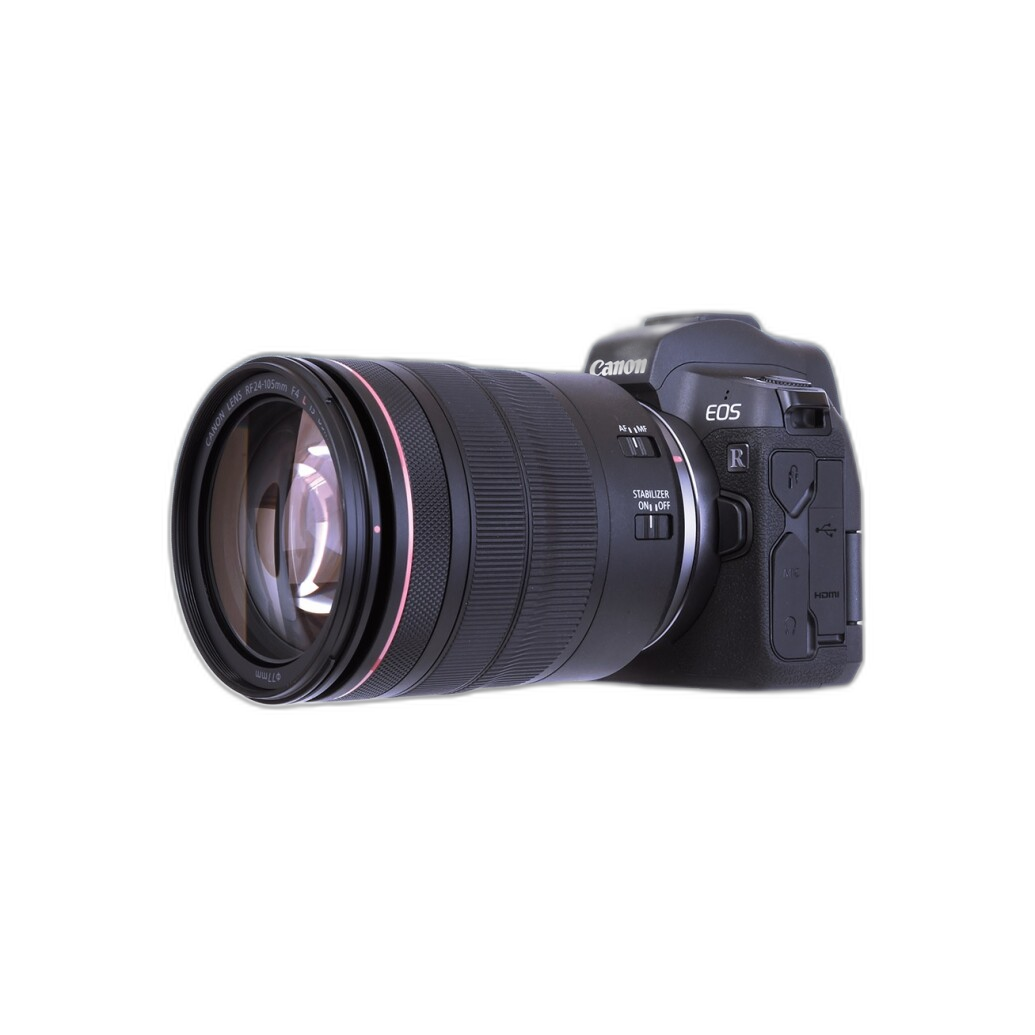
A good reset is to reduce the pressure and simplify your process. Give yourself smaller assignments, such as photographing one subject, one location, or one type of light for a week. Many photographers also benefit from revisiting educational resources that help them feel more confident with their camera. If you shoot Canon mirrorless, a focused reference like the Canon EOS R Guide to Digital Photography by David Busch can help turn uncertainty into momentum.
How can I make photography feel creative again?
One of the most effective ways to restore creativity is to change the intent behind your shooting. Instead of aiming for portfolio-worthy images every time, try using photography as observation, reflection, or play. That shift often removes the feeling that every outing has to justify itself with a perfect result.
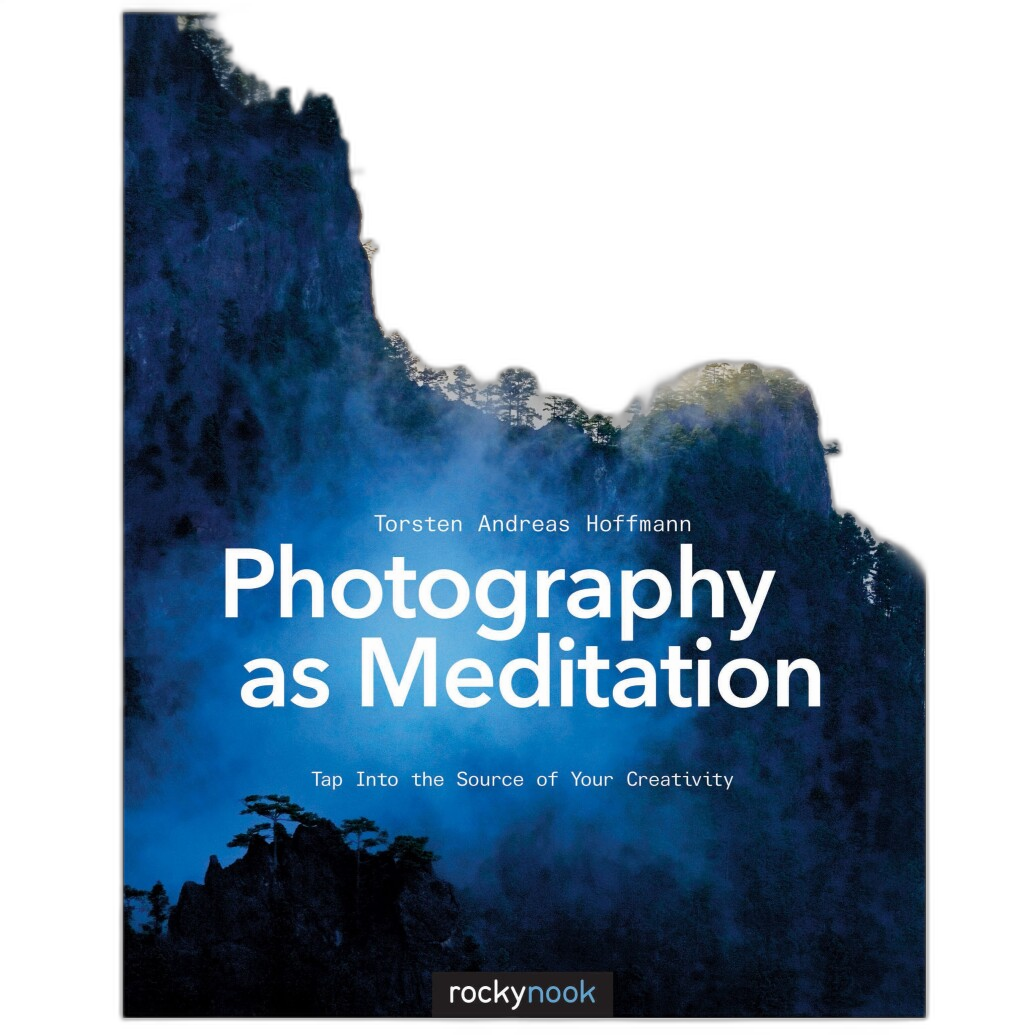
Books that frame photography as a personal practice can be especially helpful here. Photography as Meditation by Torsten Andreas Hoffmann is a great example of a resource that encourages a slower, more attentive relationship with image-making. For photographers who feel creatively stuck, that kind of perspective can be just as valuable as technical instruction.
What is the best way to build a consistent photography habit?
Consistency works best when the habit is realistic. Daily shooting sounds inspiring, but for many photographers it becomes unsustainable. A better approach is to set a schedule you can actually maintain, such as three short sessions per week or a dedicated weekend walk with your camera.
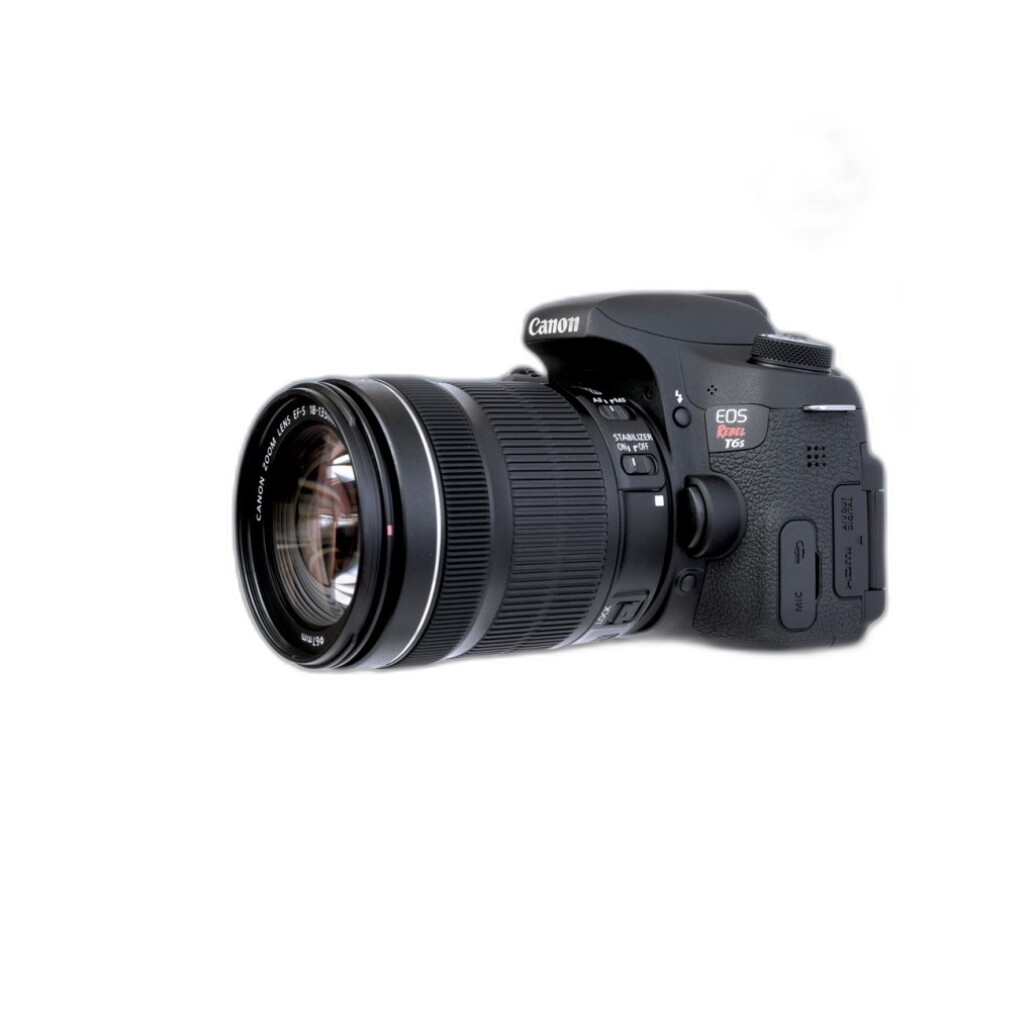
It also helps to define your sessions in advance. For example, you might spend one outing looking only for color, another for shadows, and another for portraits or architecture. By narrowing the assignment, you eliminate decision fatigue and make it easier to start. If you are still learning your camera, a model-specific guide can reduce trial and error. Canon DSLR users may appreciate resources like the Canon Rebel T6s/T6i Guide to DSLR Photography by David Busch or the Canon EOS Rebel T7i Guide to DSLR Photography by David Busch.

Should I buy new gear if I feel uninspired?
New gear can be exciting, but it is not always the solution. Sometimes a fresh tool genuinely opens up new ways of seeing. Other times, the excitement fades quickly because the underlying issue is creative direction, not equipment. Before making a purchase, ask yourself what specific limitation you are trying to solve.
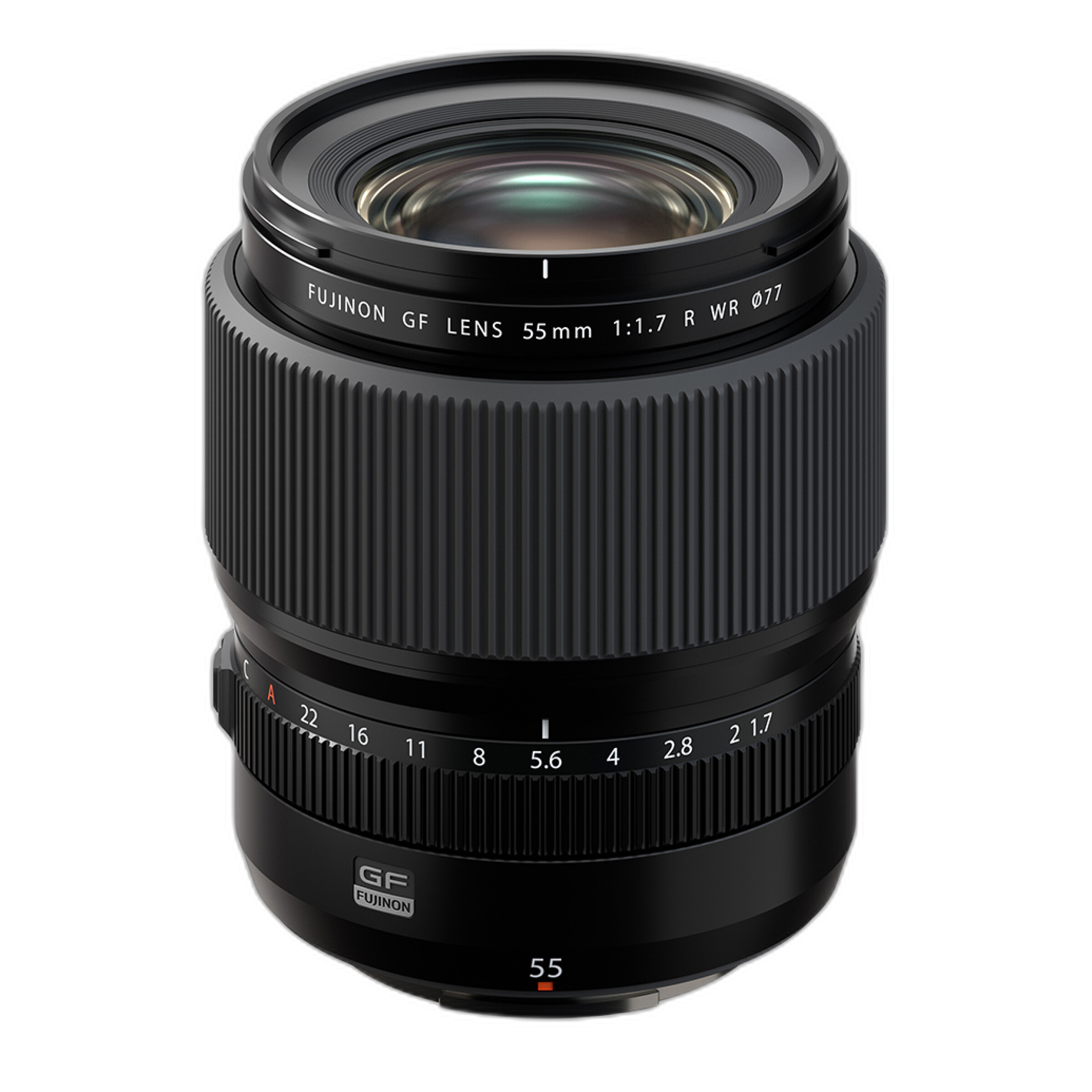
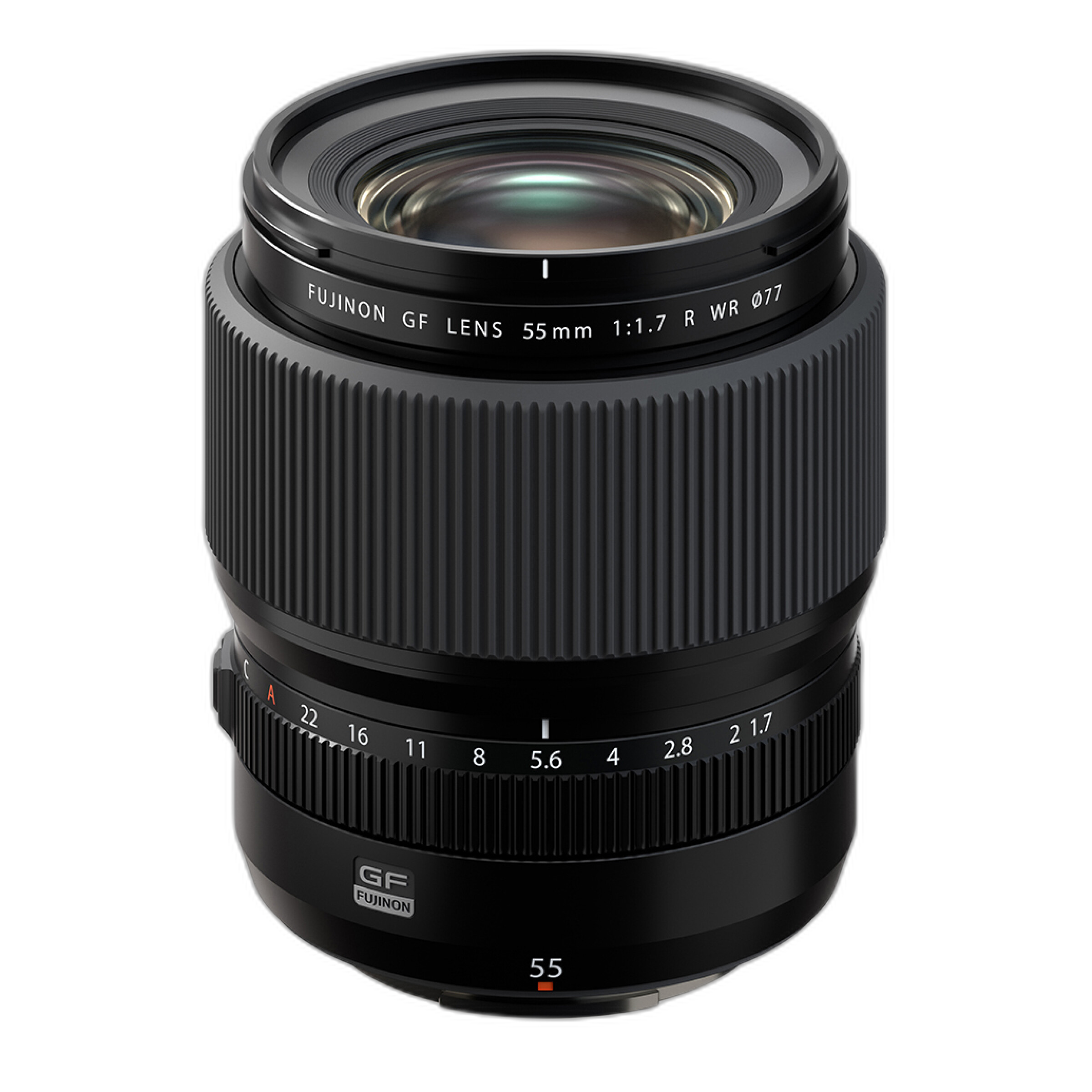
If your current setup feels limiting because of speed, rendering, or low-light performance, then a lens upgrade may be a smart move. For photographers exploring a more intentional portrait, environmental, or fine-art style in medium format, the Fujifilm FUJINON GF 55mm f/1.7 R WR Lens offers a compelling balance of brightness, subject separation, and everyday versatility. It is the kind of lens that can make a familiar subject feel new again.
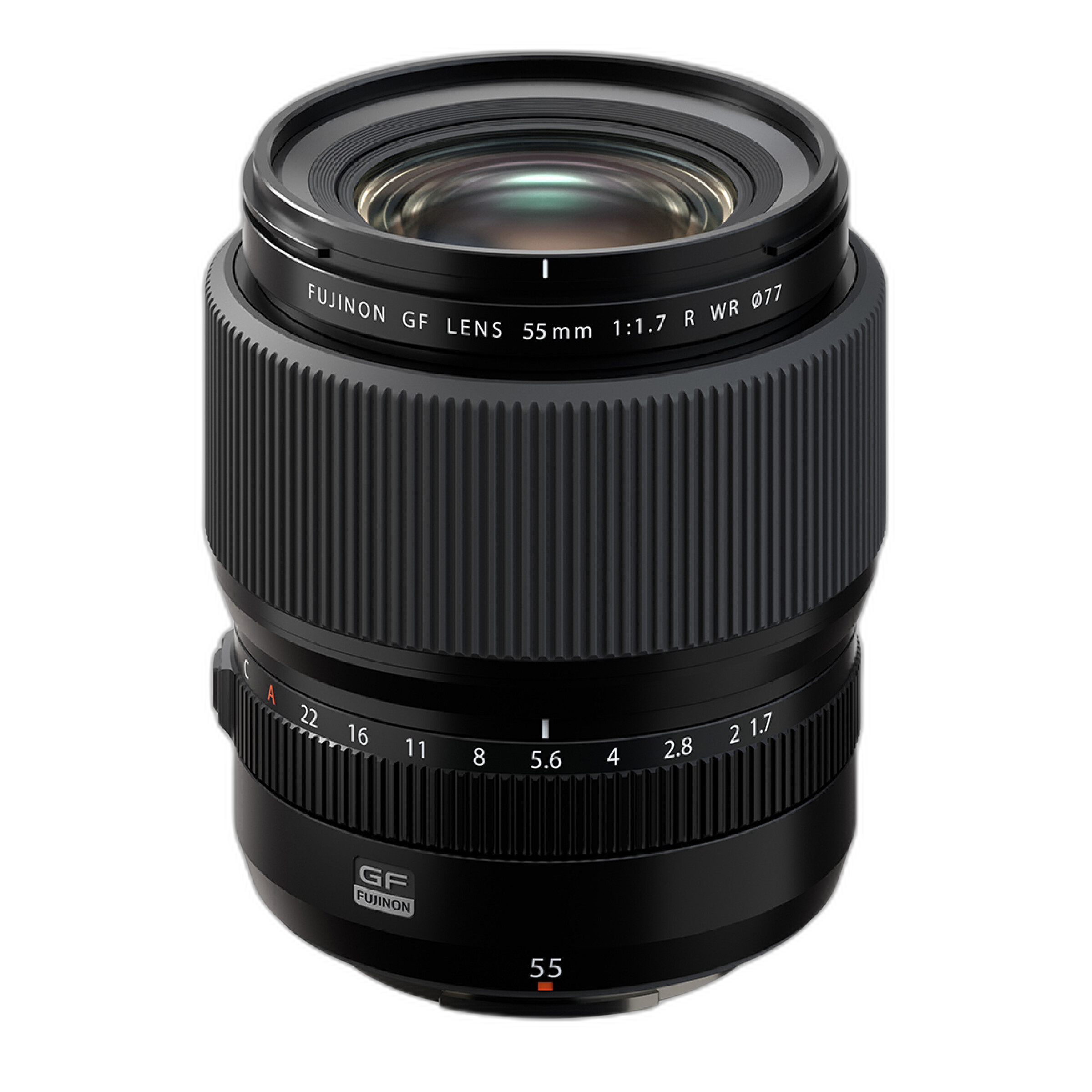
If budget is a concern, Unique Photo also offers used options that can make a meaningful upgrade more accessible, including used excellent and used good versions of the same lens.
How do I improve when I feel overwhelmed by technique?
Technical overload is a common reason photographers stall out. Exposure, autofocus modes, editing, lenses, composition, and lighting can feel like too much when you try to master everything at once. The best solution is to learn in layers.
Start with one technical topic and connect it to real shooting. Spend a week focused only on shutter speed, then move to aperture, then autofocus, and so on. Camera-specific books are useful because they organize features in a practical way and help you understand what your camera can do without having to hunt through menus blindly. This kind of structure often builds confidence faster than watching disconnected tutorials online.
What should I photograph when nothing feels interesting?
When inspiration is low, your subject matter does not need to be dramatic. In fact, ordinary scenes are often the best training ground. Photograph your neighborhood at different times of day, revisit one room in your home under changing light, or document a routine object from multiple angles. These exercises strengthen observation and remove the pressure of chasing something spectacular.
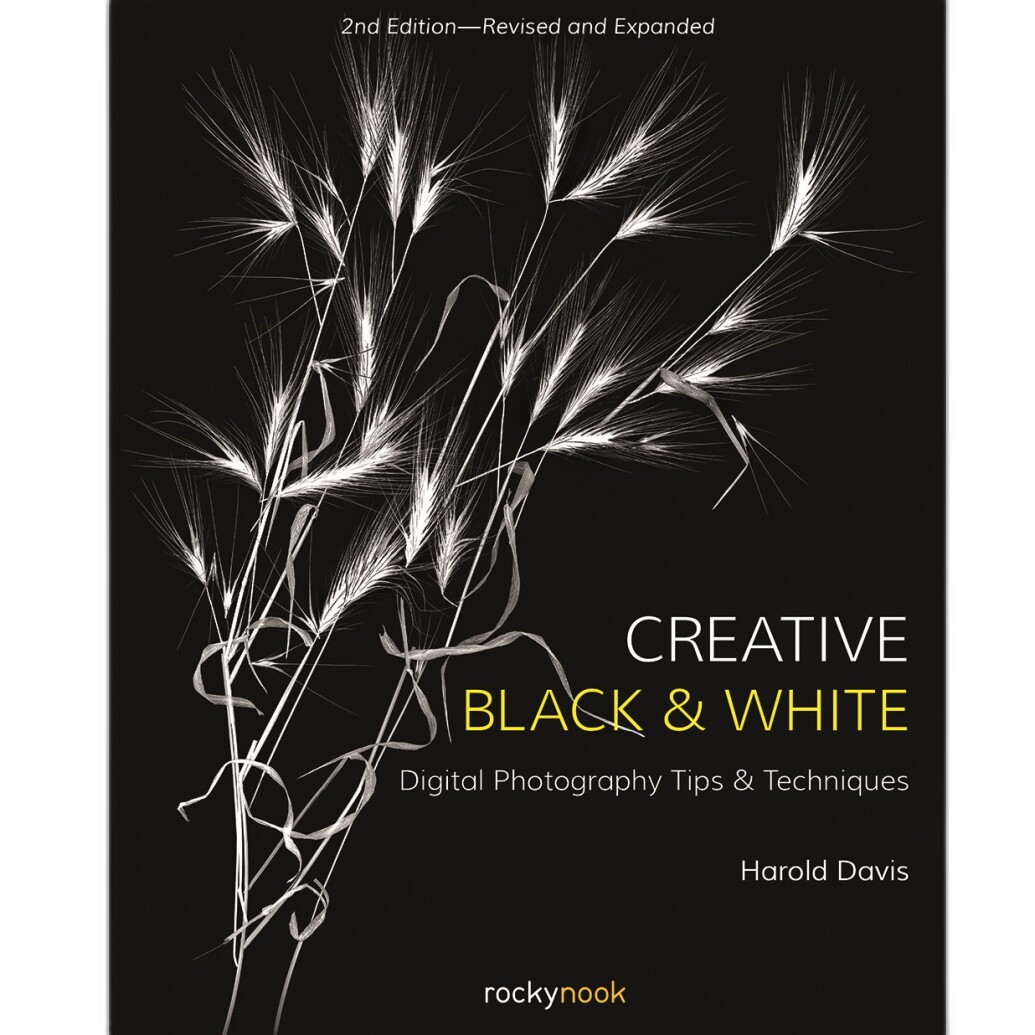
If you want to turn a simple subject into a more expressive project, consider working in monochrome. Black-and-white photography emphasizes shape, contrast, texture, and mood, making everyday scenes feel more deliberate. The Creative Black and White Photography 2nd Ed by Harold Davis is a strong resource for photographers who want to approach familiar scenes with a new visual mindset.
How can I avoid comparing myself to other photographers?
Comparison becomes discouraging when you forget that you are usually seeing other photographers' finished work, not their learning curve, experiments, or missed attempts. Social platforms make it easy to confuse visibility with progress. Real improvement comes from better seeing, better decision-making, and more intentional practice over time.
A productive alternative is to compare your current work only to your past work. Are your compositions stronger? Are you using light more intentionally? Are your edits more consistent? Keeping a small archive of monthly favorites can help you track growth in a much healthier way than measuring yourself against an endless stream of polished images online.
Is it okay to take a break from photography?
Yes. A break can be restorative rather than harmful, especially if photography has started to feel forced. Taking time away does not mean you are losing your identity as a photographer. It often gives your eye and your motivation time to reset.
That said, a full stop is not the only option. Some photographers benefit from a lighter form of engagement, such as reading, editing older work, printing images, or studying a new genre before heading back out to shoot. This keeps you connected to the craft without demanding constant output. Thoughtful resources, especially books that blend inspiration and practical learning, can be a great bridge during these quieter periods.
Staying inspired in photography is rarely about waiting for motivation to appear. It is usually about creating the conditions that make curiosity easier to follow, whether that means setting smaller goals, learning your gear more deeply, trying a new lens, or reconnecting with the artistic side of the medium. At Unique Photo, we are here to help with trusted gear, used equipment options, and educational resources that support photographers at every stage. Explore our selection and find the tools that help you keep shooting with purpose.