Introduction: A Different Kind of Competition Prep Guide
For first-time entrants, photo competitions can feel intimidating. The technical side matters, but many beginners lose points for avoidable mistakes: weak editing, unclear intent, overworked post-processing, or submitting images that say less than they think. That is where Aperture’s Photo No-Nos: Meditations on What Not to Photograph by Jason Fulford becomes surprisingly useful. Rather than acting like a conventional how-to manual, this book works as a reflective review of photographic judgment—exactly the kind of thinking new competition entrants need before they hit submit.
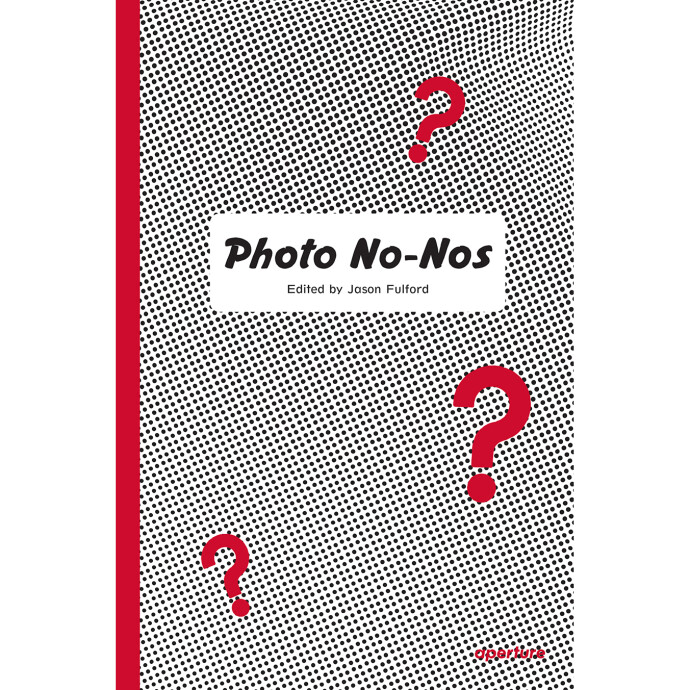
As a product for photographers, this is less about gear and more about sharpening taste, self-editing, and awareness. In the context of photo competitions, that makes it highly relevant. It encourages entrants to look beyond obvious subjects and predictable visual habits, and to ask whether an image is actually compelling, intentional, and personal. If you are entering your first contest and want practical "dos and don’ts" framed through a thoughtful photographic lens, this book is an excellent companion.
Why It Matters for Photo Competition Dos and Don'ts
First-time entrants often focus heavily on rules, file sizes, and categories, but judges also respond to originality, clarity, restraint, and a sense of purpose. Photo No-Nos helps develop those instincts. It is not a checklist-driven competition handbook, yet that is precisely why it stands out: it teaches you how to think more critically about what you photograph and why.
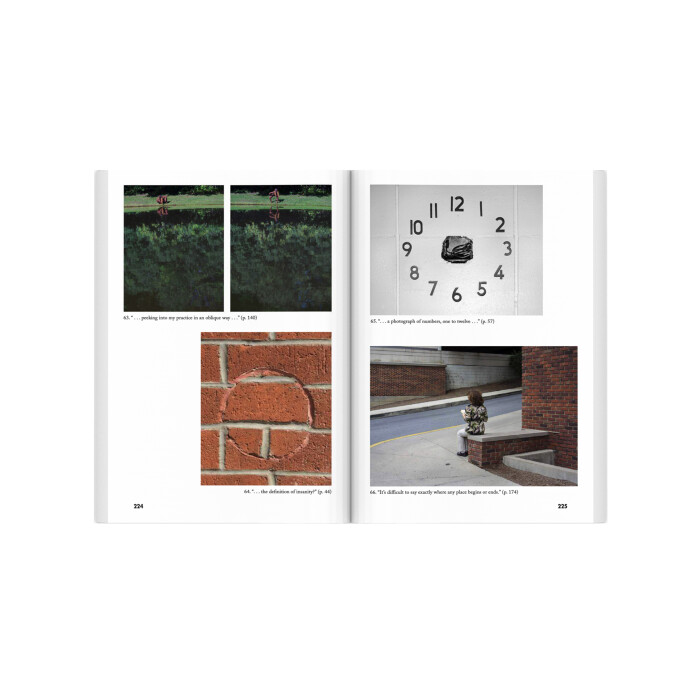
For beginners, that translates into strong competition advice:
- Do edit ruthlessly and submit only your strongest work.
- Do make sure your image has a clear point of view.
- Do avoid clichés unless you can reinterpret them in a fresh way.
- Don't assume technical polish alone makes an image memorable.
- Don't submit work that feels derivative, overloaded, or visually confused.
The book supports these lessons indirectly but effectively, which makes it a strong review-worthy pick for photographers who want to improve their submissions before entering competitions.
Key Features
A Thoughtful Perspective on What Weakens Images
The core strength of this book is its ability to make photographers pause and reconsider familiar habits. Many first-time contest entrants submit images that are competent but generic. Fulford’s approach nudges readers to question easy choices and obvious subjects, helping them understand why some photographs fail to stand out.
That is one of the most important competition "don’ts": don't confuse a decent image with a competitive one. A contest entry needs impact, intention, and often a point of view that survives more than a quick glance.
Useful for Building Editing Discipline
One of the biggest mistakes beginners make is entering too many images or choosing photos based on personal attachment rather than objective quality. This book supports better editing habits by encouraging distance and self-awareness. In competition terms, that means choosing the image that communicates most clearly, not the one with the most sentimental value.
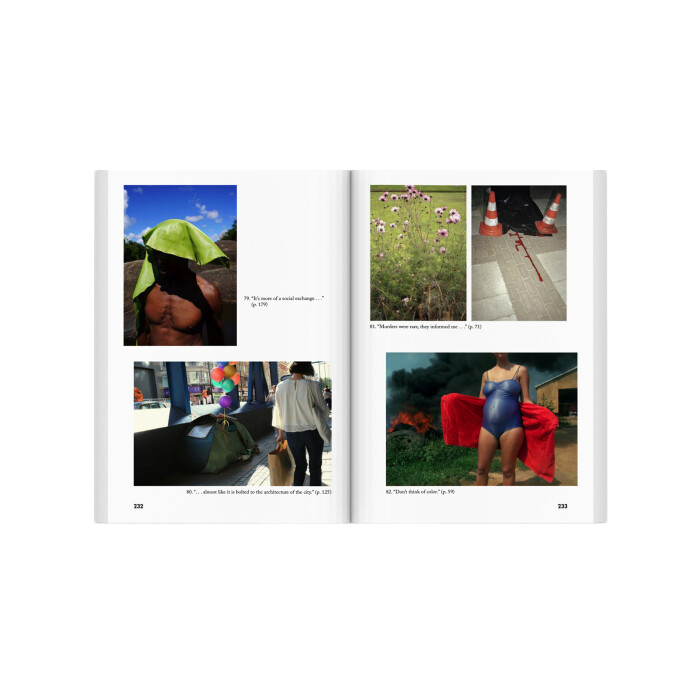
That mindset can significantly improve first submissions. When reviewing your own work after reading, you are more likely to ask the right questions: Is the frame cluttered? Is the subject too familiar? Does the processing distract? Is the image saying anything specific?
Accessible but Not Simplistic
Another positive is that Photo No-Nos is approachable for newer photographers without talking down to them. It does not read like a dense academic text, but it also avoids shallow, formulaic advice. For a first-time entrant, that balance is ideal. You get perspective and inspiration without being buried in jargon.
This makes it especially useful for photographers entering local club competitions, gallery calls, student awards, or themed online contests. The lessons apply broadly because they focus on visual choices rather than one narrow genre.
Encourages Originality Over Trend Chasing
Many competition newcomers fall into the trap of submitting images that look like they were made to imitate what already wins online. That can backfire quickly. Judges see countless polished sunsets, overly dramatic edits, and concept images that feel familiar. A major "do" for contest success is to submit work that feels like yours.
Fulford’s book quietly reinforces that principle. It does not hand you a winning formula, and that is a strength. Instead, it encourages more individual thinking, which is often what separates memorable entries from disposable ones.
Real-World Advice for First-Time Entrants
Using the lessons this book prompts, here are some practical competition dos and don'ts:
- Do read the rules carefully. Even a strong image can be disqualified for missing category, size, or eligibility requirements.
- Do match your image to the competition theme. A great photograph that does not fit the brief is still a weak submission.
- Do keep post-processing under control. Heavy-handed editing often hurts more than it helps.
- Do sequence and select carefully. If multiple entries are allowed, send your most cohesive and strongest work.
- Don't submit near-duplicates. It suggests indecision and weak editing.
- Don't rely on gimmicks. Shock, extreme saturation, or trendy effects rarely replace substance.
- Don't ignore presentation. Cropping, borders, file quality, and caption accuracy all matter.
This is where the book succeeds as a review subject for the topic: it helps sharpen the judgment behind these decisions.
Pros and Cons
Pros
- Excellent for developing stronger visual judgment before entering competitions
- Encourages originality and better self-editing
- Accessible for newer photographers
- Useful across many genres and competition types
- Refreshingly different from standard rule-based how-to guides
Cons
- Not a direct step-by-step competition manual
- More reflective than technical in approach
- Photographers wanting explicit contest strategy may need an additional resource
Verdict
Photo No-Nos: Meditations on What Not to Photograph is a smart and worthwhile recommendation for first-time photo competition entrants. As a review pick for this topic, it stands out because it addresses the deeper issue behind many weak submissions: not camera settings, but photographic judgment. It helps beginners recognize clichés, edit more selectively, and think with greater intention—three traits that consistently matter in competitions.
If you want a practical edge before your first submission, this book is a strong addition to your learning process. Pair it with careful rule reading and honest image selection, and you will be in a much better position to enter with confidence. You can buy it from Unique Photo, a reliable source for photography books, gear, and creative tools.