Photo Contest Gear FAQ: Winning Setups, RAW Workflow, and Lighting Tips
Preparing images for a competition is different from everyday shooting. As New Jersey’s photo destination, Unique Photo helps creators dial in the right tools and technique to produce contest-ready, judge-pleasing results.
Below, our experts answer the most common questions we hear about gear, workflow, and lighting—so you can submit with confidence.
Which camera and lens combinations give you an edge in landscape contests?
High-resolution full-frame bodies with excellent dynamic range help preserve fine detail and subtle tones that judges scrutinize. Pair them with sharp, low-distortion optics (wide zooms in the 14–35mm range or primes in the 20–35mm range). For critical foreground-to-infinity sharpness, many landscape shooters prefer manual focus and focus bracketing—both benefit from a tactile, consistent focus ring feel.
If your lens has a narrow or slippery focus ring, add a cine-style gear ring so you can precisely hit hyperfocal distance or stack focus point-by-point. Two reliable options available at Unique Photo:
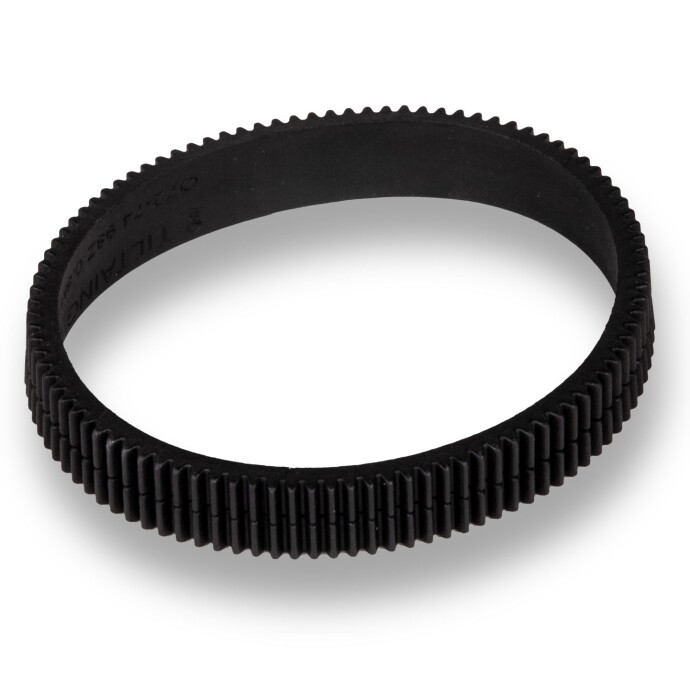 Tilta Seamless Focus Gear Ring (53–55mm) adds a grippy, uniform gear surface for consistent manual-focus moves in the field.
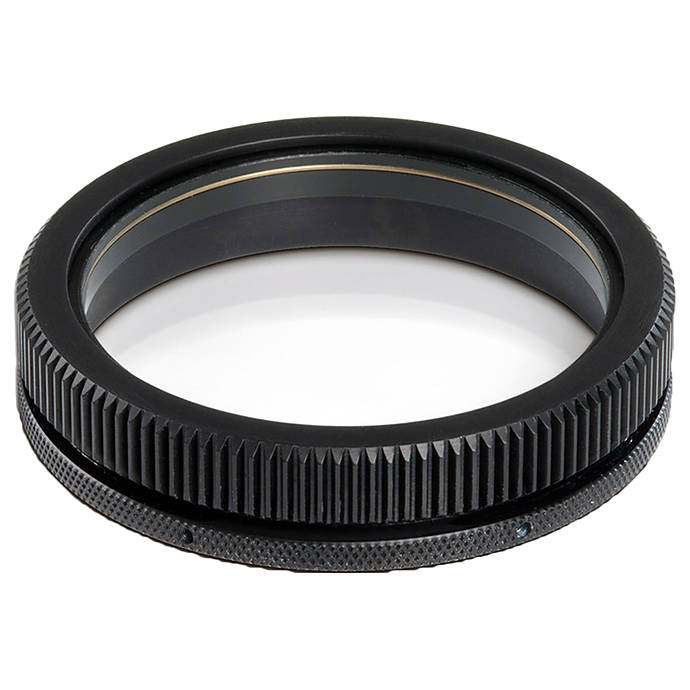 Zeiss Lens Gear (Large) is a durable, tool-free solution ideal for precision focusing on many still and cine lenses.
Does shooting RAW really make a difference for contests?
Yes. RAW files preserve maximum dynamic range and color depth—crucial for recovering highlight detail in clouds, lifting shadows without banding, and achieving natural skin tones. Most contests judge technical quality at 100% view; RAW gives you the latitude to fine-tune noise reduction, sharpening, and color grading to meet guidelines. Export to the color space requested by the contest (often sRGB unless otherwise specified) and keep a 16-bit master TIFF for future prints or re-entries.
Want inspiration from winning work? Explore community reveals and learning sessions like our online programs that break down winners’ approaches: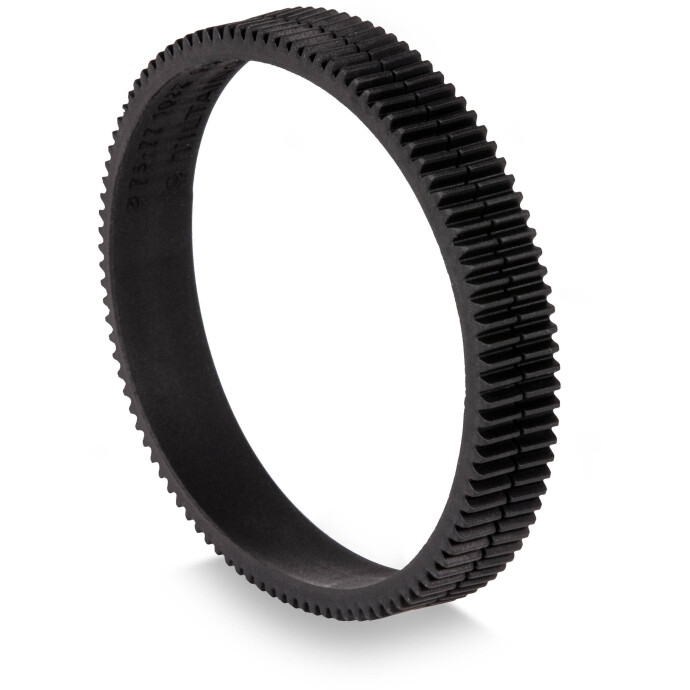
How can I control lighting for contest-worthy portraits?
Judges look for clean light, controlled contrast, and intentional catchlights. Soft, close light with large modifiers produces flattering falloff; add negative fill to sculpt the face, and flag spill to keep backgrounds tidy. Work at lower ISOs for cleaner files, and use a lens with reliable manual focus when shooting wide apertures so the iris and eyelashes stay crisp.
Hybrid and video-centric portraitists often add a geared focus interface for repeatable focus pulls between marks—handy for multi-look sessions and behind-the-scenes video that accompanies submissions. A lightweight drive gear such as the Tilta Follow Focus Lens Drive Gear integrates with compact follow focus units for precise, repeatable focus:
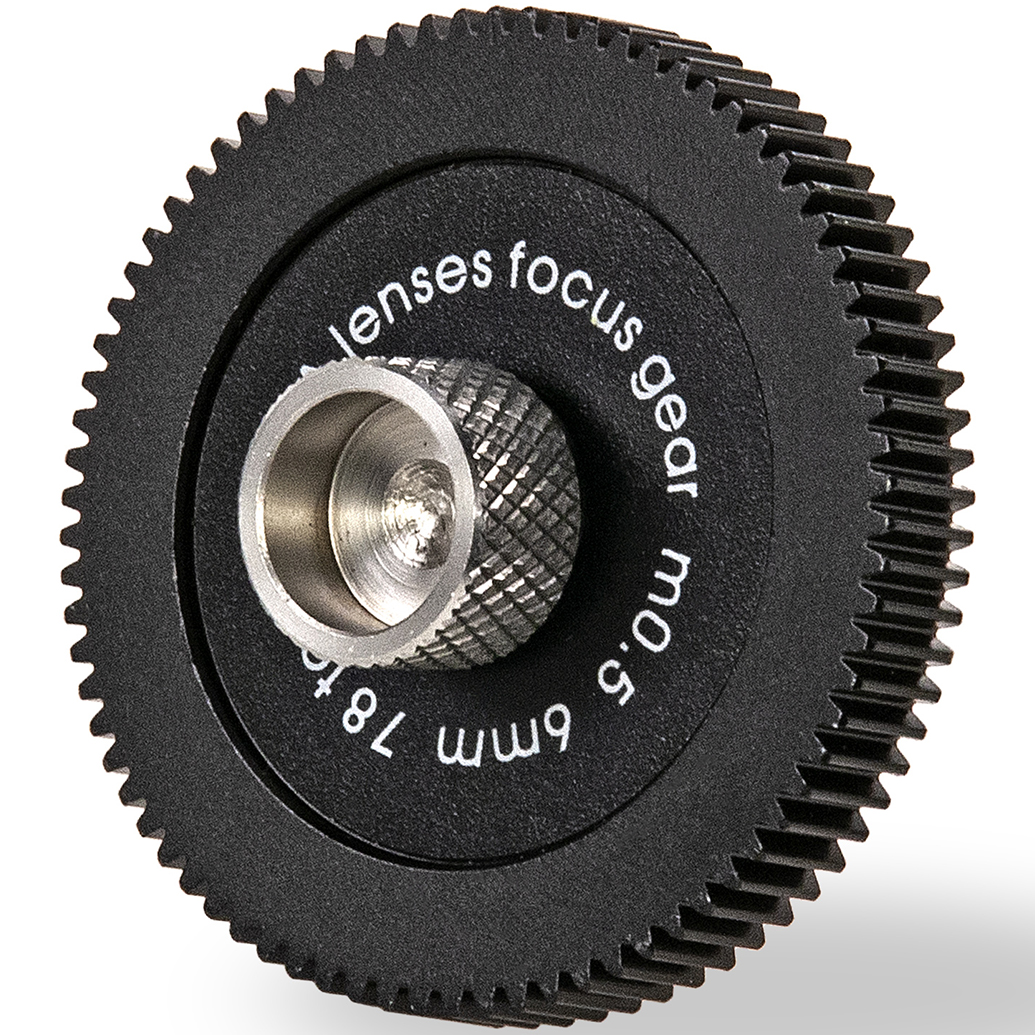 Tilta Follow Focus Lens Drive Gear (78-tooth, 0.5 MOD) delivers smooth engagement for controlled racking and micro-adjustments on fast primes.
Should I invest in specialized gear just for contest entries?
Prioritize investments that boost consistency and technical quality across assignments: a calibrated monitor, steady support, and precision focusing aids. Many specialized accessories are affordable and transferable between lenses, making them smart, low-risk upgrades compared to buying a new body. Two budget-friendly examples:
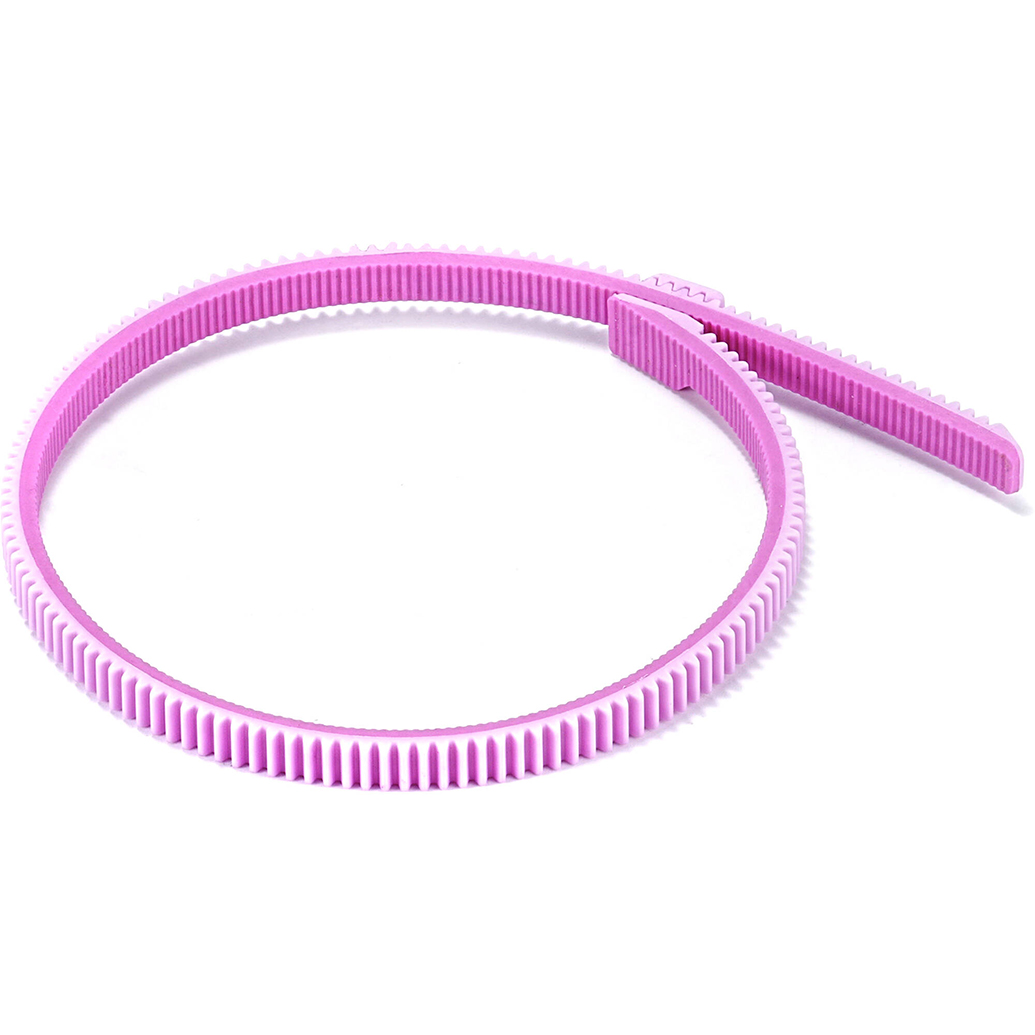 Tilta Universal Focus Gear Ring (Pink) wraps onto a wide range of lenses, improving grip and control in cold or humid conditions.
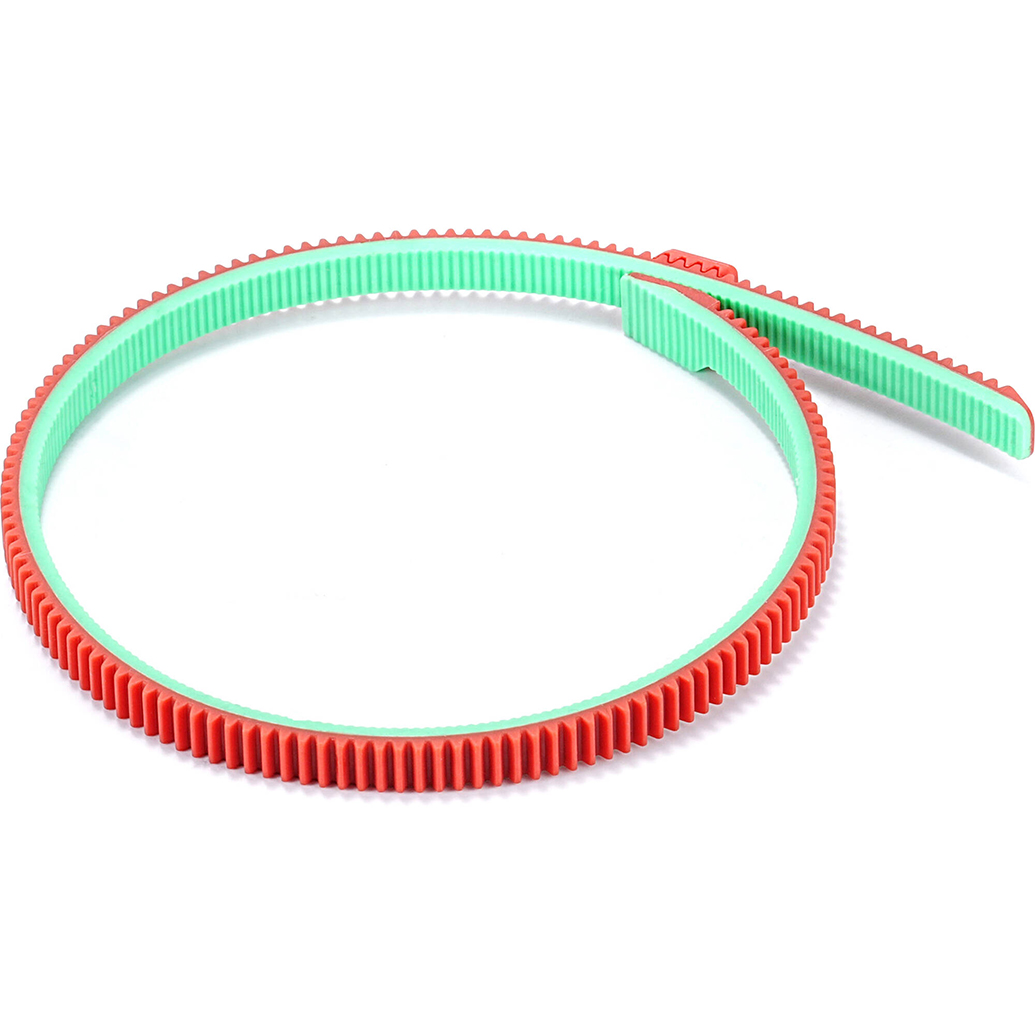 Tilta Universal Focus Gear Ring (Red) offers the same versatility with color-coding to quickly identify setups in a multi-lens kit.
If you’re weighing a bigger purchase for a specific contest, consider renting first to validate the benefit, then buy once you’ve proven the edge.
Any techniques to keep horizons level and images razor-sharp for large prints?
Use a sturdy tripod, enable electronic level, and apply a 2–5 second shutter delay or a remote to eliminate vibrations. For landscapes, stop down to your lens’s sharp aperture (often f/5.6–f/8 on high-resolution bodies), and focus at or slightly beyond hyperfocal distance. When detail matters edge-to-edge, capture a short focus stack and blend carefully. Manual focus precision improves results—this is where a properly fitted gear ring can make tiny, repeatable adjustments easier.
Do drones help with contest entries—and how do I keep them safe while practicing?
Aerial perspectives can set your work apart, especially in travel and landscape categories. Practice low and slow, master your camera’s log/flat profile if available, and keep takeoffs/landings safe to protect your gear and gimbal alignment. An inexpensive add-on like dedicated landing gear helps safeguard the airframe when operating on uneven or dusty surfaces:
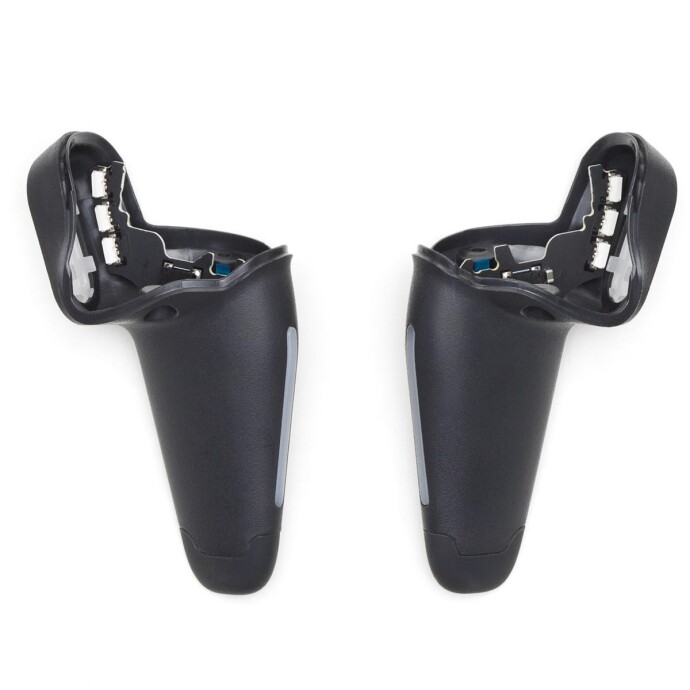 DJI FPV Landing Gear adds clearance and stability for safer launch/land cycles, reducing the chance of debris damage.
How do judges evaluate technical quality across categories?
Beyond impact and storytelling, judges look for clean exposures, accurate color, controlled noise, and intentional depth of field. Avoid oversharpening halos, color banding from aggressive saturation, and clipped highlights. Print potential matters—if the contest exhibits winners, ensure your file holds up at larger sizes with fine micro-contrast and natural edges.
What file prep and submission settings should I use?
Follow the contest’s specifications exactly. In general: export JPEGs in sRGB unless otherwise requested, quality 90–100, and size within the pixel or MB limit. Keep dust spots and sensor artifacts cleaned, embed metadata (title, location, copyright), and maintain a high-bit-depth master (TIFF/PSD) for re-exports. If multiple rounds are involved, prepare both a web-ready and a print-ready version so you’re not scrambling later.
Ready to optimize your contest kit? Visit Unique Photo in-store or online for expert guidance, hands-on demos, and gear from focus accessories to drone essentials—so your next submission looks its best.