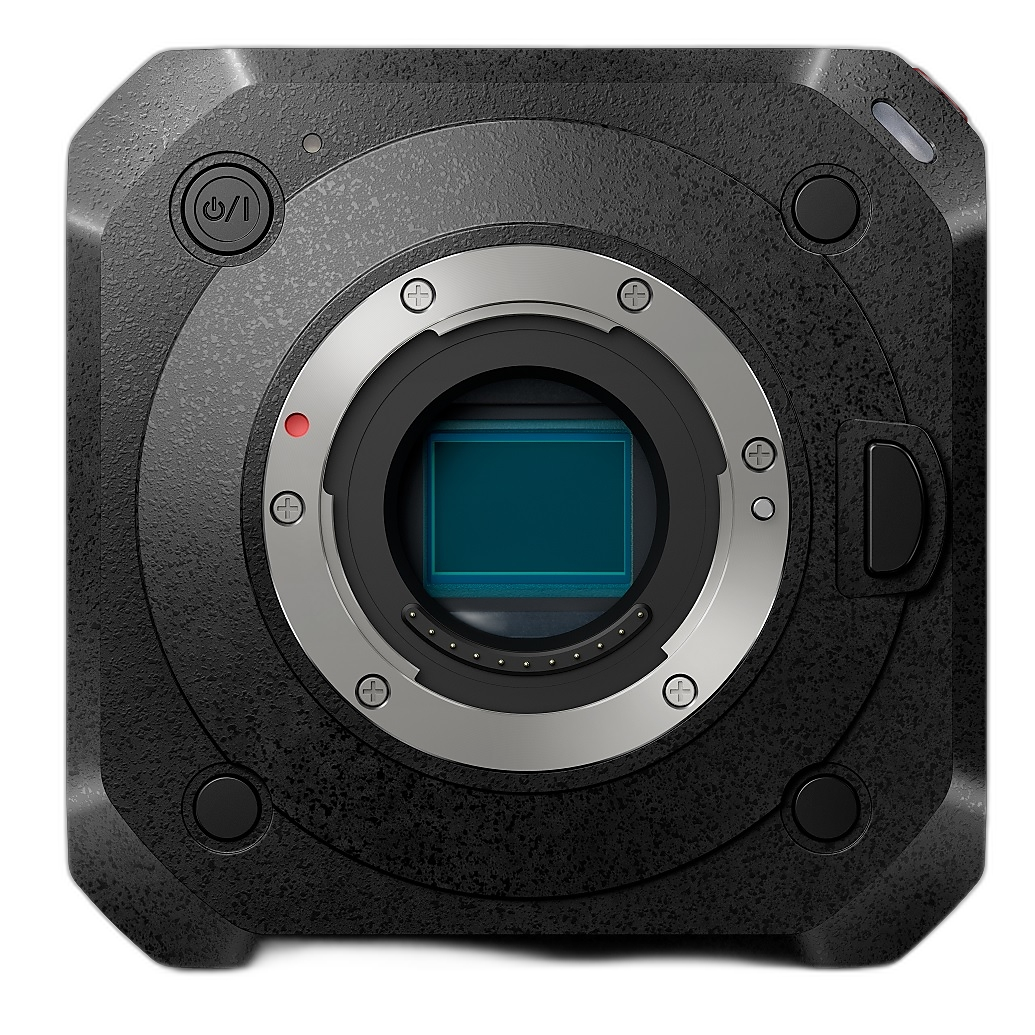
In early 2009, Panasonic’s Lumix GH1 arrived at a moment when interchangeable-lens cameras were changing fast. Compact system cameras were still new, Micro Four Thirds was only beginning to define itself, and video on large-sensor cameras had suddenly become one of the most closely watched developments in imaging. Into that environment came the Panasonic Lumix GH1, a 12.1MP Micro Four Thirds camera that did more than add movie recording as a checklist feature. It was introduced as a serious attempt to make video a central part of the mirrorless experience.
Seen from the vantage point of its launch, the GH1 felt like an important statement. Panasonic was not simply building a smaller alternative to a DSLR; it was showing how an electronic viewfinder, a compact body, and a new lens mount could support hybrid still and motion capture in a way that traditional camera design had only begun to explore.
A New Step for Micro Four Thirds
The Panasonic Lumix GH1 was announced on 2009-03-03 as part of the company’s Lumix G line, built around the Micro Four Thirds mount. That mount was one of the most significant camera developments of its era. By removing the mirror box required by a conventional DSLR design, Micro Four Thirds allowed cameras and lenses to become more compact while retaining interchangeable-lens flexibility.
Panasonic had already helped establish the format, but the GH1 pushed the concept in a more ambitious direction. Where some early mirrorless cameras were positioned mainly as lighter alternatives for still photographers, the GH1 emphasized versatility. It was aimed at users who wanted strong still-image performance from a 12.1MP Micro Four Thirds sensor, but it also highlighted video as a defining capability rather than an afterthought.
This was an important distinction in 2009. The industry was still learning what photographers and filmmakers wanted from hybrid cameras. The GH1 stood out because Panasonic framed it from the start as a camera designed to do both.
1080p AVCHD as a Headline Feature
The GH1’s most historically significant specification was clear from its launch materials: 1080p AVCHD video. At a time when HD capture was becoming a major talking point for advanced digital cameras, that feature placed the GH1 in the center of the conversation.
Panasonic had deep experience in video, and the company’s heritage in camcorders gave the GH1 a different identity from many still-camera competitors. The use of AVCHD reflected that background. For buyers in 2009, this was not just about adding clips to a vacation camera. It suggested that Panasonic understood motion capture as a serious part of digital imaging’s future.
Just as importantly, the GH1’s mirrorless design was naturally suited to video operation. Without a flipping mirror, live view was not a special mode awkwardly added to the camera; it was fundamental to how the system worked. That made the transition between still photography and video feel more seamless than on many early DSLR hybrids.
In historical terms, that is one reason the GH1 remains such a notable release. It demonstrated that mirrorless cameras could be especially well matched to video, a lesson that would shape the market for years to come.
A Camera That Looked Familiar, but Pointed Forward
Physically, the GH1 occupied interesting territory. It retained an SLR-like silhouette, giving photographers a familiar grip and handling style, yet its internal design represented the mirrorless future. In 2009, that balance mattered. Many buyers still associated serious cameras with a viewfinder hump and substantial handgrip, so the GH1’s shape helped bridge old expectations and new technology.
At the same time, the camera’s identity was unmistakably modern. The Micro Four Thirds mount signaled access to a growing ecosystem of compact interchangeable lenses, and Panasonic’s Lumix G branding was beginning to stand for a system rather than a single experimental model. The GH1 thus served as both a product launch and a format ambassador.
Its launch price of $1,499 also underscored Panasonic’s intentions. This was not positioned as a bargain novelty. It entered the market as a premium enthusiast camera, priced to reflect both its advanced feature set and the company’s confidence that serious users would see value in a hybrid mirrorless design.
Why the GH1 Mattered in 2009
To understand the GH1’s place in camera history, it helps to remember how unsettled the market felt in 2009. DSLRs still dominated the enthusiast and professional conversation. Mirrorless cameras, though promising, had not yet proven exactly what they would become. Video, meanwhile, was moving rapidly from specialty category to mainstream expectation.
The GH1 touched all three of those themes at once. It argued that:
- Mirrorless was not merely about making cameras smaller.
- Interchangeable-lens systems could be designed around live view from the ground up.
- Video could be a primary reason to choose a camera, not just a secondary feature.
That combination gave the camera unusual historical weight. Panasonic was effectively betting that the future of enthusiast cameras would be hybrid, electronic, and system-based. Looking back, that was a remarkably forward-looking position.
The Sensor and System Context
At the core of the GH1 was a 12.1MP Micro Four Thirds sensor. In release-period terms, that resolution placed the camera comfortably in serious enthusiast territory. It provided enough detail for a wide range of photographic uses while remaining part of a format whose chief appeal extended beyond megapixels alone.
The larger story was the system around the sensor. Micro Four Thirds opened the door to a distinct kind of camera bag: one built around relatively compact bodies and lenses without surrendering the flexibility of interchangeable optics. Panasonic understood that buyers were not choosing only a camera body; they were buying into a way of working.
That system perspective was especially important for a model like the GH1. Because it was intended for both stills and video, lens choice mattered in broader ways than before. A mount designed for a family of dedicated lenses gave Panasonic room to develop the concept and encouraged buyers to see the GH1 as the beginning of a longer-term investment.
An Early Hybrid Landmark
Historically, the GH1 deserves attention not simply because it recorded HD video, but because it helped define what a hybrid camera could be. Many cameras before it were excellent still cameras with some video capability, or capable video tools that happened to shoot stills. The GH1 was part of a new generation that aimed to combine both worlds within one coherent design.
That ambition would become increasingly influential. In the years that followed, the market would reward cameras that handled stills and motion equally seriously, and Panasonic’s GH line would become closely associated with that idea. The GH1 was the opening chapter of that story, introducing a direction that would prove central to mirrorless camera development.
From an archival perspective, it is also a revealing product because it shows Panasonic recognizing an opportunity earlier than many competitors. The company saw that mirrorless architecture and video capture complemented one another naturally. The GH1 made that argument in practical, retail form.
Release-Era Appeal
If you were evaluating the GH1 around its introduction in 2009, its appeal was straightforward but exciting: here was a premium Lumix G camera with a 12.1MP Micro Four Thirds sensor, the Micro Four Thirds mount, and 1080p AVCHD video, all in a body that promised interchangeable-lens freedom without the bulk traditionally associated with a DSLR. For enthusiasts curious about where camera design was heading, it was one of the most interesting announcements of the year.
It represented possibility as much as specification. Buyers were not just purchasing a camera for the present; they were participating in an emerging category that seemed poised to reshape the market.
Conclusion
The Panasonic Lumix GH1 remains a landmark 2009 release because it captured a turning point. It was a mirrorless camera introduced when the format was still proving itself, yet it arrived with a clear and confident message: the future would involve interchangeable lenses, electronic viewing, compact system design, and serious video. With its 12.1MP Micro Four Thirds sensor, Micro Four Thirds mount, 1080p AVCHD recording, and $1,499 launch price, the GH1 stood as one of the clearest early signs that hybrid mirrorless cameras were ready to matter.
For more camera history, archival product perspectives, or to shop current Panasonic gear, visit Unique Photo, where photographers and filmmakers can buy equipment and learn more about the tools that shaped the industry.