The OM System ME-30W Stereo Microphone costs $379.99 and is available to order. Its stereo format uses left and right audio channels.
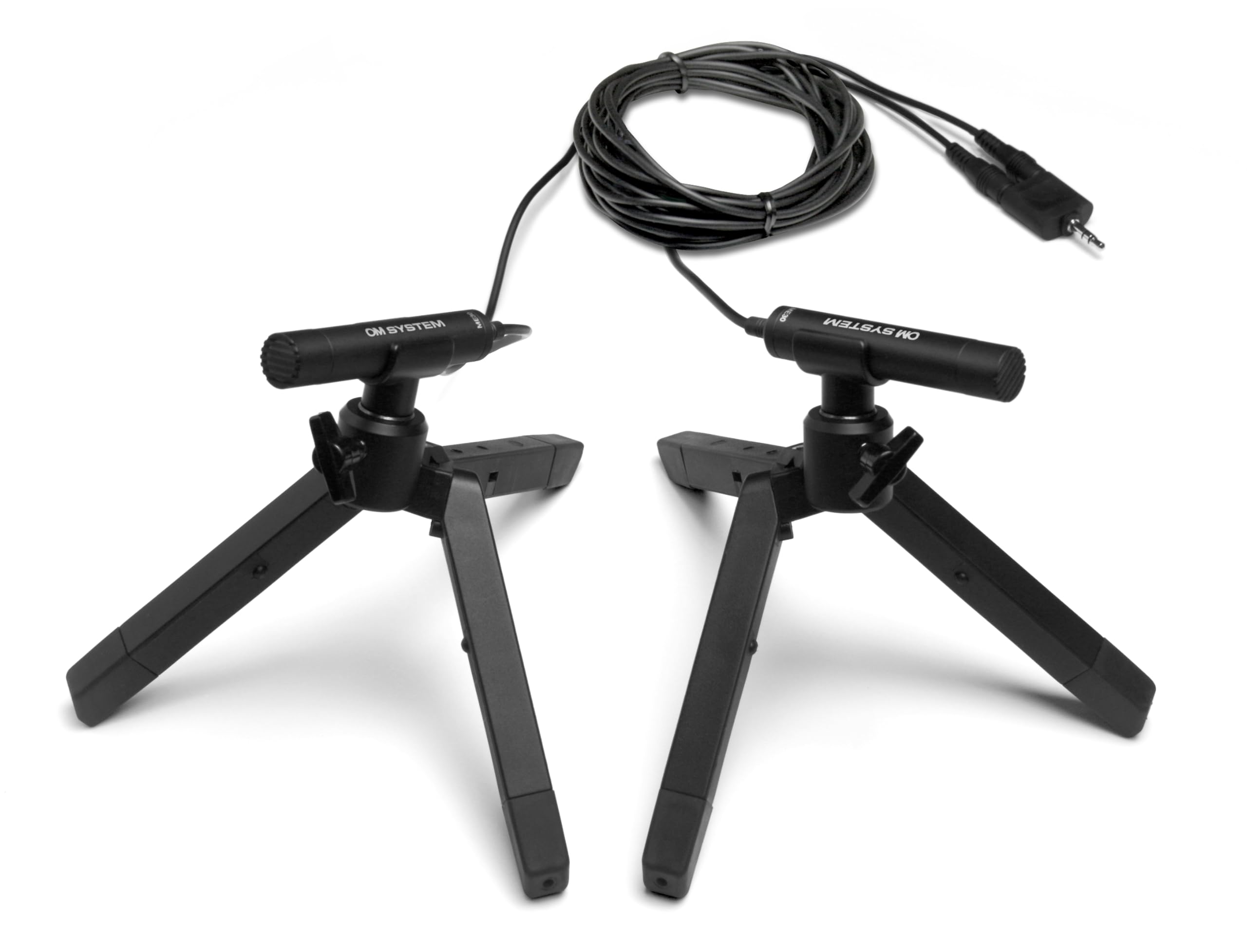
ME-30W price and availability
The OM System ME-30W Stereo Microphone is available to order from Unique Photo for $379.99.
What stereo means in a recording
Stereo uses two audio channels, left and right, rather than mono's single channel. Differences between those channels allow a recording to convey the relative positions of sounds, instead of presenting everything in one channel.
That distinction concerns the spatial presentation of a recording. Two channels are not, on their own, a promise of clearer speech or less background noise. The reason to choose stereo is to preserve a left-to-right sound image.
A sound does not have to sit entirely in one channel to have a place in that image. Sound shared equally between the channels can appear centered, while differences between them can suggest a position toward one side. A stereo recording can therefore contain a centered voice alongside sounds spread across the left and right. Stereo does not require everything to sound widely separated.
Who should consider a stereo microphone
The ME-30W's stereo format is relevant to recordists who want the relationship between sounds to be part of the result. For a music performance, that might mean preserving a sense of where the performers sit across the recording. For ambient sound, it might mean retaining the movement of a sound from one side to the other.
A recording centered on one speaking voice has a different priority: making that voice intelligible. Stereo may still have a role, but channel count and speech clarity are separate considerations. Start with what the listener needs to hear, rather than assuming two channels are automatically better than one.
Consider the difference between documenting a scene and extracting one sound from it. An ambient recording might benefit from a listener hearing activity on both sides of a central subject. A spoken explanation may not need that spatial context at all. This is a choice about the intended recording, not a ranking of stereo above mono. The useful starting point is deciding whether the position of a sound contributes information that needs to survive into the finished piece.
Preserving stereo through editing and playback
The practical benefit of stereo depends on what happens after capture. Keeping the left and right channels distinct through editing preserves their relationship. Combining them into mono removes the left-to-right separation, even though sounds from both channels can remain audible.
Consider the intended delivery format before recording. A stereo project can retain that spatial presentation; a mono version cannot retain the same channel separation. Keep left and right assignments consistent during editing, and check a mono version separately if one is needed.
Editing the channels independently can change the spatial impression. Raising one side relative to the other changes the balance, while swapping the channels reverses the left-right image. Those changes may be deliberate, but they should not be accidental consequences of treating a stereo recording as two unrelated tracks. Listen to the pair together when judging the result.
Two channels also do not necessarily mean two isolated subjects. A stereo recording of two people is not automatically one person on the left track and the other on the right track. Both voices may be present in both channels. Stereo separation describes the listening image; it does not promise independent control over each person in an edit.
Checking the stereo image during playback
Playback needs to keep left and right distinguishable for the stereo image to be heard. Headphones present the channels to separate ears. With stereo speakers, the listener's position relative to the speakers affects the perceived balance. Judging a recording from well off to one side can make it difficult to tell whether an imbalance belongs to the recording or the listening position.
Listen for placement rather than width alone. If the intended subject is centered, check that it remains there instead of drifting toward one side. If movement across the scene matters, listen for whether that movement is understandable. A wider presentation is not automatically a more useful one; the spatial relationship should serve what is being recorded.
Keep those checks separate from judgments about speech clarity. A recording can have an obvious left-right image while the words remain difficult to understand. Conversely, a centered voice can be clear without using much of the stereo width. Assessing those qualities separately makes it easier to identify what actually needs attention in the recording or edit.
Prices at Unique Photo
- OM System ME-30W Stereo Microphone: $379.99
Prices as of November 29, 2026. Browse more: Audio Accessories, OM System at Unique Photo.
Frequently asked questions
How much does the OM System ME-30W Stereo Microphone cost?
The OM System ME-30W Stereo Microphone costs $379.99.
Is the OM System ME-30W available to order?
Yes. The OM System ME-30W Stereo Microphone is available to order.
Is the OM System ME-30W a stereo microphone?
Yes. The ME-30W is a stereo microphone from OM System.