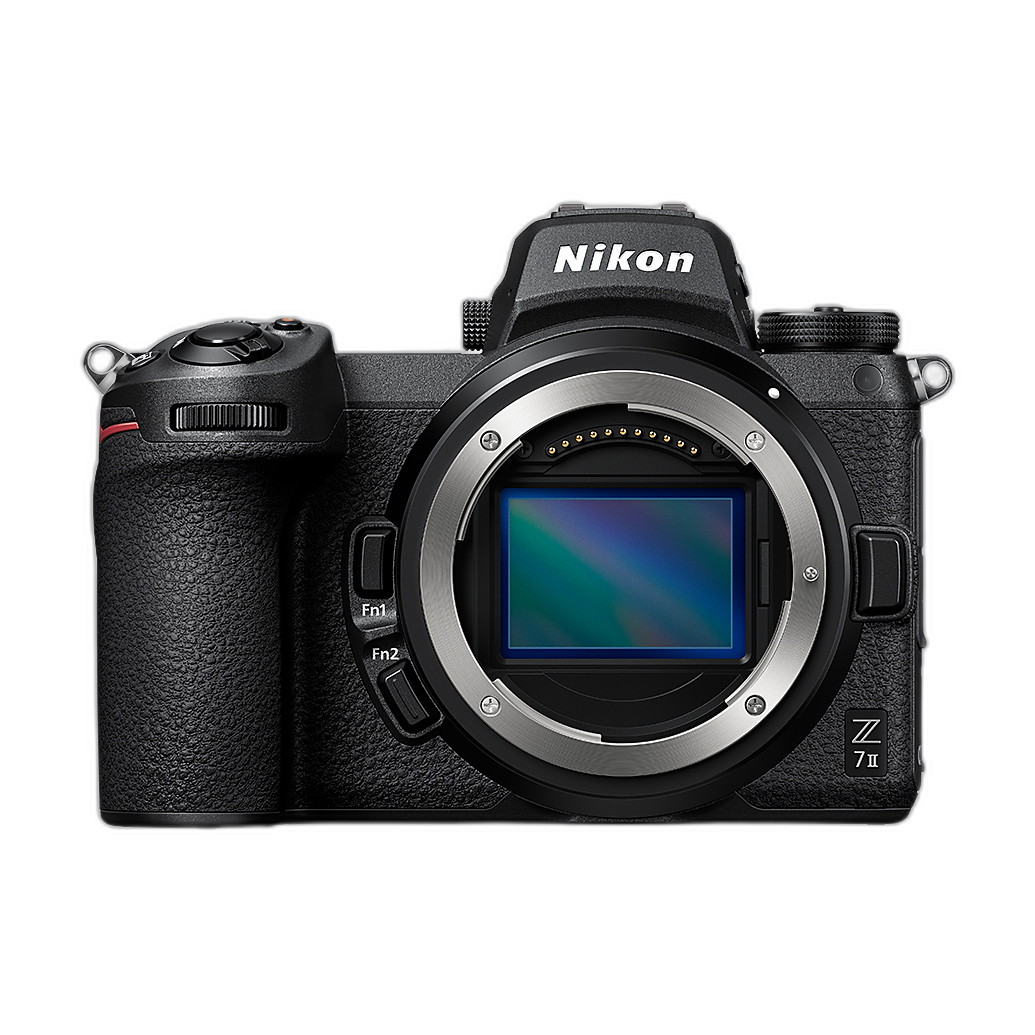
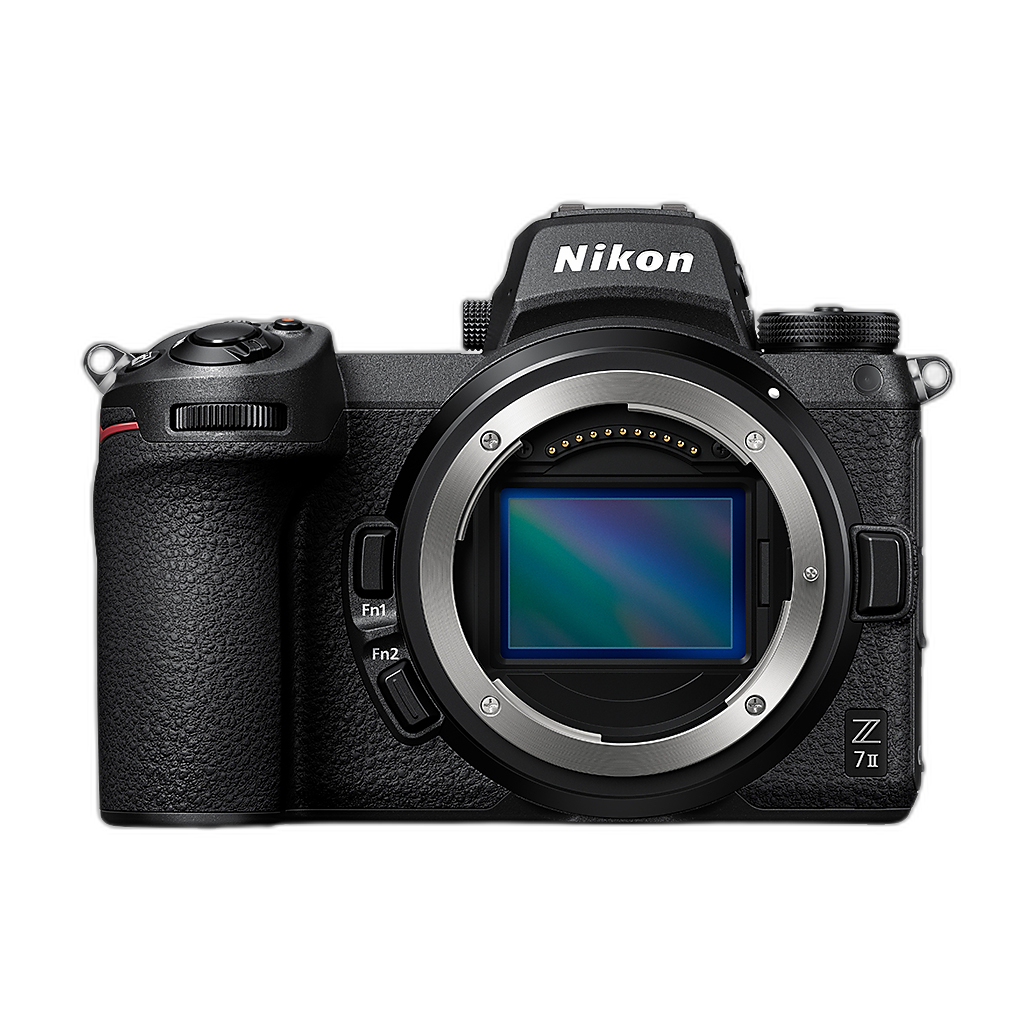
Nikon has officially entered a new chapter with the announcement of the Nikon Z7, the company’s first full-frame mirrorless camera and the debut body for the all-new Nikon Z mount. For photographers who have spent years with Nikon DSLRs, this is more than a routine product launch—it is a major turning point in the company’s modern history. With a 45.7MP full-frame BSI sensor, 5-axis in-body image stabilization, and a new mount designed for the future, the Z7 arrives as Nikon’s most ambitious mirrorless camera to date.
Announced on August 23, 2018, the Z7 is clearly aimed at serious enthusiasts and working professionals looking for high resolution in a more compact form factor than a traditional DSLR. At a launch price of $3,399 in the U.S., Nikon is positioning the camera as a flagship-level tool for photographers who value image quality, portability, and access to a brand-new lens system built around the Z mount.
Nikon’s Mirrorless Milestone
The importance of the Z7 announcement is hard to overstate. Nikon had, of course, explored mirrorless before, but the Z7 represents the company’s first full-frame mirrorless interchangeable-lens system camera. That distinction matters. For decades, Nikon’s identity in the professional and enthusiast market was closely tied to its F-mount SLR and DSLR heritage. The Z7 signals a deliberate step into a new era—one where mirrorless design is no longer a side path, but a central platform for future development.
By introducing the Z7 alongside the new Z mount, Nikon is doing more than releasing a camera body. It is establishing the foundation of a system. Historically, that is often the most consequential part of any major camera announcement. Bodies evolve quickly, but lens mounts can define a manufacturer’s direction for generations. In that sense, the 2018 debut of the Z7 stands as one of the most important Nikon launches of the digital era.
A High-Resolution Sensor for Demanding Photography
At the center of the Nikon Z7 is a 45.7-megapixel full-frame BSI sensor. That resolution places it squarely in the high-detail category, making the camera especially appealing for genres such as landscape, studio, commercial, architecture, and fine-art photography. Nikon users familiar with the company’s top high-resolution DSLRs will recognize the appeal immediately: this is a camera built for photographers who want extensive detail, strong cropping flexibility, and files suited to large prints and demanding post-production work.
The use of a backside-illuminated (BSI) sensor is also significant. By 2018, BSI sensor design had become an important talking point in high-performance digital imaging, especially at the upper end of the market. In the Z7, Nikon is making it clear that this first full-frame mirrorless effort is not an entry-level experiment, but a serious imaging platform meant to compete at a very high level.
The New Nikon Z Mount
If the sensor defines the Z7’s imaging ambitions, the Nikon Z mount defines its future. Nikon’s introduction of an entirely new mount is one of the most consequential aspects of this launch. New mounts are rare events in camera history, especially from major manufacturers with long-established lens ecosystems. Nikon’s F mount had served photographers for generations, so the decision to introduce the Z mount marks a major strategic shift.
From a historical perspective, this is the sort of announcement that photographers remember years later not just because of the camera itself, but because of what it enabled. A new mount gives Nikon room to design lenses specifically for mirrorless operation and to shape the optical roadmap of the system going forward. For existing Nikon users, that naturally raises questions about transition, compatibility, and long-term investment, but it also creates real excitement. New systems often bring new possibilities in lens design, handling, and overall performance.
The Z7, then, is not simply Nikon’s answer to the mirrorless market. It is the opening statement of an entirely new platform.
5-Axis In-Body Image Stabilization Comes to Nikon Full Frame
Another headline feature is the inclusion of 5-axis in-body image stabilization. For many Nikon photographers, especially those coming from DSLRs, this is one of the most notable practical changes. In-body stabilization promises benefits across a broad range of shooting situations, from handheld low-light work to slower shutter speeds with non-stabilized lenses.
Just as importantly, the presence of IBIS in Nikon’s first full-frame mirrorless body reflects the broader evolution of camera design in the late 2010s. Mirrorless systems were increasingly expected to deliver stabilization at the body level, and Nikon’s decision to incorporate it into the Z7 shows that the company intends this new system to meet contemporary professional expectations. For archival purposes, this feature alone makes the Z7 stand out as a landmark Nikon release.
Positioning and Audience
With its $3,399 launch price, the Nikon Z7 is clearly aimed at photographers who prioritize performance over affordability. This is not an introductory body designed to lure casual users into interchangeable-lens photography. Instead, it is a premium release intended to reassure longtime Nikon users that the company can bring its high-end imaging pedigree into the mirrorless world without compromise.
The likely audience includes experienced Nikon shooters considering a lighter alternative to high-resolution DSLRs, as well as professionals who want cutting-edge image quality in a newer form factor. The Z7’s spec sheet and pricing suggest a camera built to inspire confidence: high resolution, full-frame coverage, stabilization, and a mount designed specifically for the next generation of optics.
That positioning is historically notable in itself. Rather than starting the new mount with a modest entry-level body, Nikon chose to open the Z system with a camera that makes an unmistakably premium statement. It tells the market that Nikon intends to compete seriously in the full-frame mirrorless segment from day one.
Why the Z7 Matters in Nikon History
Looking at the Z7 strictly as a product is one thing; looking at it as a historical announcement is another. In the latter sense, the Z7 represents a hinge point between eras. Nikon’s long dominance in film SLRs and later DSLRs gave the company one of the strongest legacies in photography. But by 2018, the industry had already shifted dramatically toward mirrorless innovation. The Z7 is Nikon’s formal declaration that its future will be built not only on tradition, but on a new architecture designed for the next phase of digital imaging.
That is why the Z7 announcement generated so much attention at launch. It was not merely about whether Nikon could make a strong mirrorless camera. It was about whether Nikon could define a credible long-term system for professionals and enthusiasts who had invested in the brand for years. By introducing the Z7 with a high-resolution full-frame BSI sensor, 5-axis IBIS, and a brand-new mount, Nikon answered that question with ambition.
Early Impressions from the Announcement
From the perspective of the release period, the Nikon Z7 feels like a camera designed to be judged both immediately and over time. Immediately, it attracts attention through its premium sensor resolution, stabilization, and the significance of the new mount. Over time, its real legacy will depend on how the Z system grows around it—especially through lenses and future bodies. But as a first step, the announcement is undeniably bold.
For Nikon photographers, the Z7 offers a glimpse of what a post-DSLR flagship philosophy might look like. For the broader camera industry, it confirms that full-frame mirrorless has become the central battleground of modern system design.
Final Thoughts
The Nikon Z7 is one of the most historically important Nikon announcements of 2018, not only because of what it offers on paper—a 45.7MP full-frame BSI sensor, 5-axis IBIS, and a new Nikon Z mount—but because of what it represents. This is Nikon’s first full-frame mirrorless camera, and with it the company has launched a new system intended to carry its imaging legacy forward.
As an archival release-period piece, the message is clear: Nikon is taking mirrorless seriously, and the Z7 is its opening statement. To learn more about the Nikon Z system or to shop Nikon cameras and lenses, visit Unique Photo, where photographers can buy gear, compare systems, and stay informed on major camera announcements.