Introduction
For photographers comparing the best way to digitize film negatives, the conversation usually comes down to three paths: dedicated scanners, camera scanning rigs, and full darkroom-to-digital workflows that include home processing before capture. Each approach has trade-offs in image quality, speed, dust control, and how much post-processing you are willing to do. In that discussion, the Nikon ES-2 Film Digitalizing Adapter Set stands out as one of the most practical solutions for 35mm shooters who want a cleaner, faster, and more repeatable camera-scanning workflow without building a complex copy stand setup from scratch.
The ES-2 is not a film scanner in the traditional sense. Instead, it turns a compatible Nikon macro lens and camera into a highly efficient digitizing station for mounted slides and strips of film. For many users, that means dramatically faster capture than a flatbed or dedicated scanner, while still producing excellent detail and dynamic range depending on the camera body used. It is especially appealing for photographers who already own a Nikon DSLR or mirrorless camera setup and want better workflow efficiency than slower scanning methods.
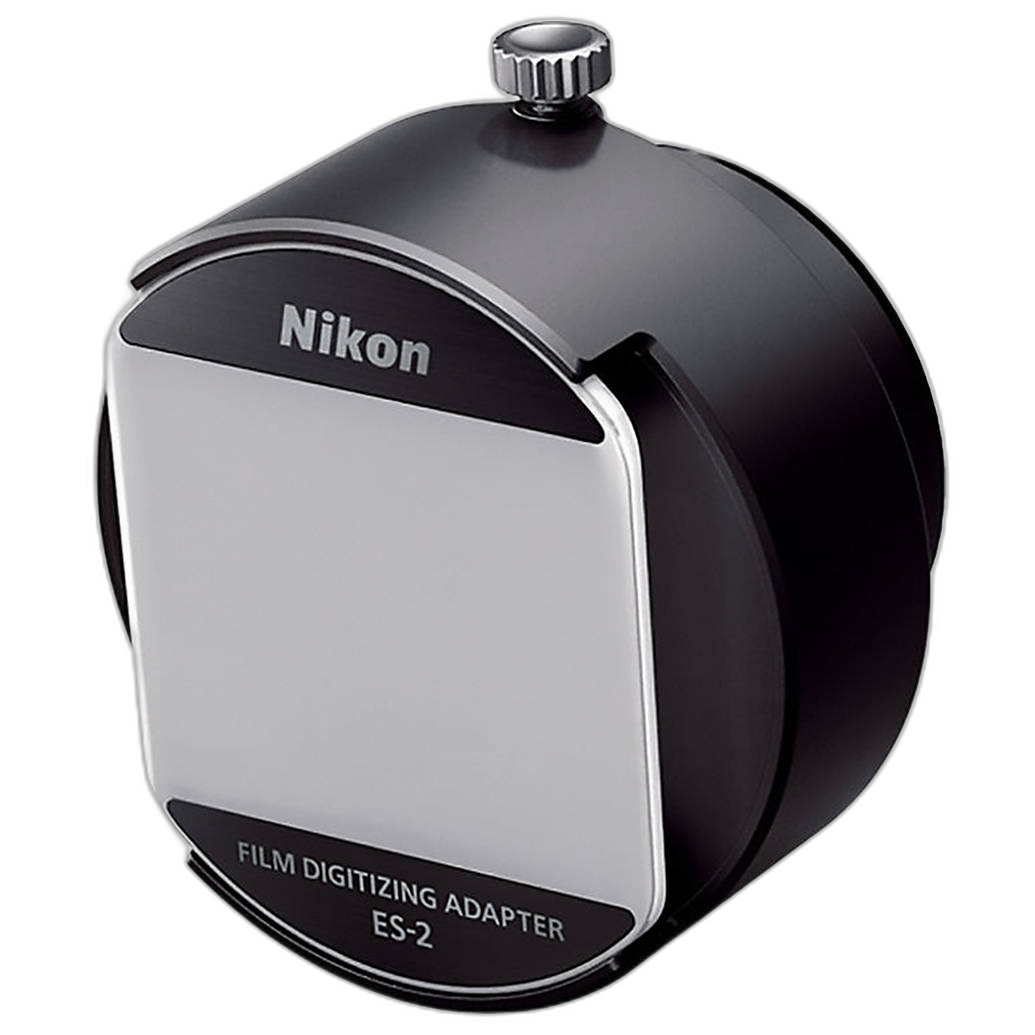
In real-world use, the ES-2 fits squarely into the needs expressed by photographers debating digitization methods: it helps streamline capture, but it does not completely eliminate the challenges of dust, negative inversion, and color correction. Those issues remain part of the film-digitizing process no matter how you capture, and understanding that is key to evaluating this product fairly.
Build, Design, and Workflow Positioning
The Nikon ES-2 is best thought of as a workflow tool rather than just an accessory. Its main appeal is consistency. Instead of hand-holding negatives near a light source or piecing together third-party holders, the ES-2 provides a more controlled alignment system that keeps the film parallel to the camera sensor and at a repeatable distance from the lens. That consistency matters because it directly affects edge-to-edge sharpness, framing precision, and the amount of time you spend correcting uneven captures later.
Compared to a dedicated scanner like the Pacific Image PrimeFilm 120 Pro Plus Scanner, the Nikon approach is generally much faster per frame once your setup is dialed in. Compared to more elaborate film carrier systems, it is also far simpler and more compact for users who mostly work with 35mm film. If your priority is scanning high volumes of negatives efficiently, that alone makes the ES-2 a compelling option.
Key Features
Fast Camera-Based Digitizing
The biggest strength of the Nikon ES-2 is speed. Once mounted to a compatible macro lens and paired with a stable light source, you can move through strips of negatives much faster than with many dedicated scanners. This is one of the main reasons camera scanning has become so popular: the camera captures a full-resolution file almost instantly, which can be a major advantage when working through archives or recent rolls.
For photographers frustrated by slow scan times, preview passes, and scanner software bottlenecks, the ES-2 offers a more direct workflow. You capture first, then batch invert and adjust afterward. That front-loads efficiency, even if it means committing to some post-processing later.
Consistent Alignment and Framing
One of the underrated benefits of the ES-2 is repeatability. Film digitization quality is not just about resolution; it is also about keeping the negative flat, centered, and evenly illuminated. The ES-2 helps simplify those variables. A repeatable setup reduces the chance of soft corners, skewed frames, and wasted time re-shooting negatives.
For users comparing improvised digitizing methods, this alone can make a noticeable difference. A more controlled holder tends to produce more reliable files and a smoother editing experience.
Excellent Potential Image Quality
Because the ES-2 relies on your camera and macro lens, image quality depends heavily on the rest of your setup. With a high-resolution Nikon body and a good macro lens, the results can be extremely detailed, often rivaling or surpassing what many users expect from consumer scanning workflows. Dynamic range can also be excellent, especially for dense negatives where modern camera sensors can preserve subtle highlight and shadow detail effectively.
This flexibility is one of the ES-2's biggest advantages over some dedicated scanners. Instead of being limited by a fixed sensor and aging scan engine, your digitizing quality can improve as your camera system improves.
Compact Alternative to Larger Scanning Systems
Some film digitization setups become elaborate quickly: copy stand, panel light, film carrier, anti-static tools, and tethered workflow software. The ES-2 trims that complexity down into a more approachable accessory for 35mm work. It is not the most modular or industrial system on the market, but it is a neat, highly portable solution for home users who want a practical middle ground between improvised setups and expensive professional rigs.
Ideal for Post-Processing-Based Workflows
The ES-2 is best suited to photographers who are comfortable with digital post-processing. Since camera scanning captures a photograph of the negative, you still need to invert the image, correct the orange mask, fine-tune color balance, and often remove dust manually. This is where opinions tend to split in film communities: some photographers love the control and flexibility, while others prefer scanners with built-in software profiles and infrared dust removal.
The ES-2 does not solve color correction for you, but it gives you a strong, consistent file to work from. If you already use Lightroom, Photoshop, or negative-conversion tools, that can be a major advantage.
How It Compares to Other Film Digitizing Methods
Versus Dedicated Scanners
A dedicated scanner like the Pacific Image PrimeFilm 120 Pro Plus Scanner may offer a more traditional scanning workflow and, depending on the model, features that appeal to users who want a purpose-built digitization device. Scanners can feel more self-contained, and some photographers prefer their software-driven process for color negatives. However, camera scanning with the ES-2 is usually much faster and often more enjoyable for users already invested in a digital camera system.
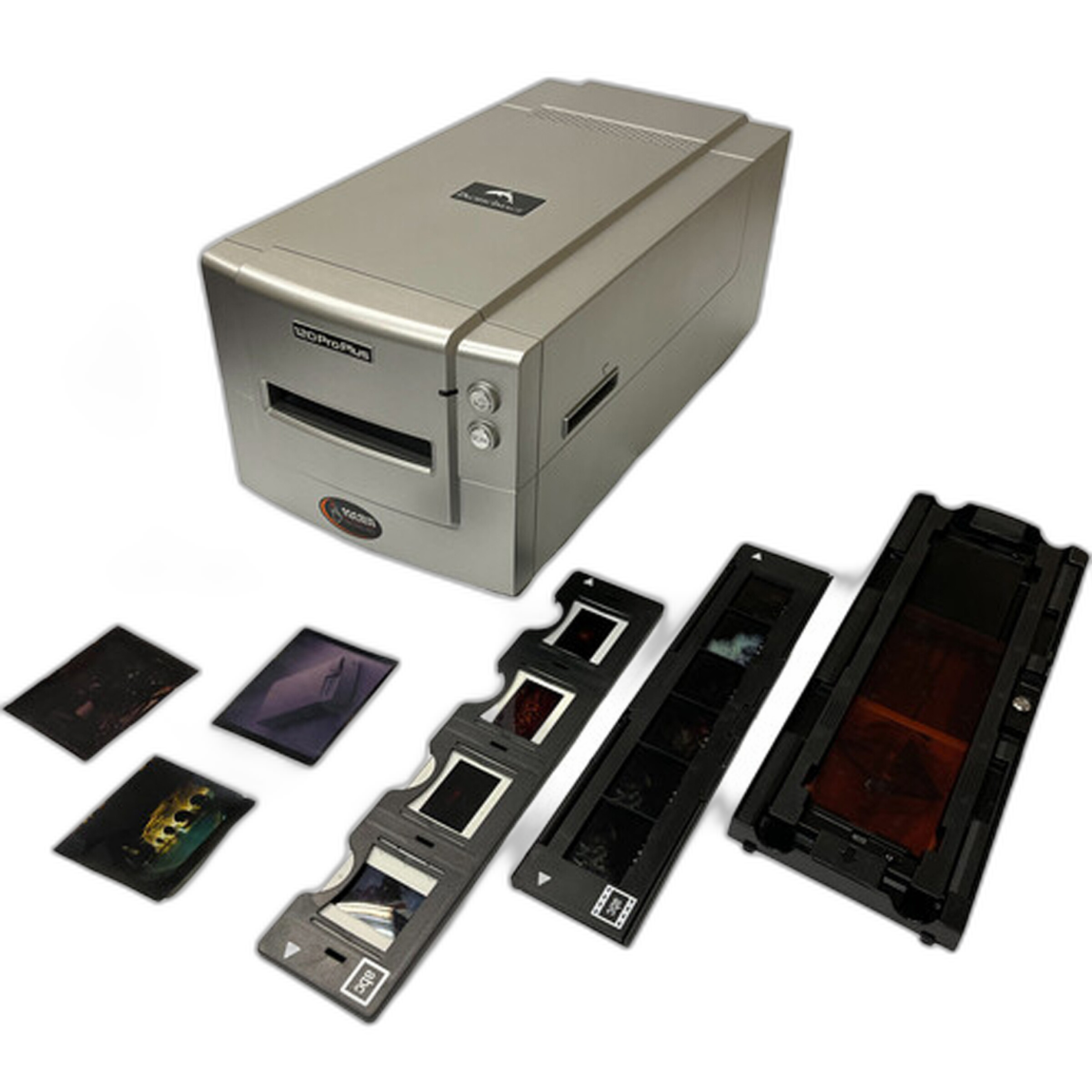
Where scanners still hold an advantage is workflow automation for certain tasks and, in some cases, less dependence on user technique. Where the ES-2 wins is speed, flexibility, and the ability to leverage modern camera resolution.
Versus Larger Camera Scanning Rigs
More advanced camera-scanning systems can offer better film flatness, more format support, and more refined transport mechanisms. But they also cost more, take up more space, and can feel excessive for users who just want to digitize 35mm negatives efficiently. The ES-2 is not trying to be the most advanced film carrier system available. It is trying to be one of the most accessible and practical.
That positioning makes sense for enthusiasts, hybrid film/digital shooters, and photographers who want a reliable home solution without overcomplicating their setup.
Versus Lab Scans After Home Processing
For photographers who process their own C-41 film using kits such as the Kodak Color Negative C-41 Film Processing Kit - 2.5 Liters or the Unicolor Powder C-41 Film Negative Processing Kit - 2 Liters, the ES-2 can be a natural next step. Home processing gives you control over your negatives, and camera scanning lets you keep the entire workflow in-house. That said, once you take over both development and digitization, you also inherit total responsibility for dust management, careful drying, handling marks, and color consistency.
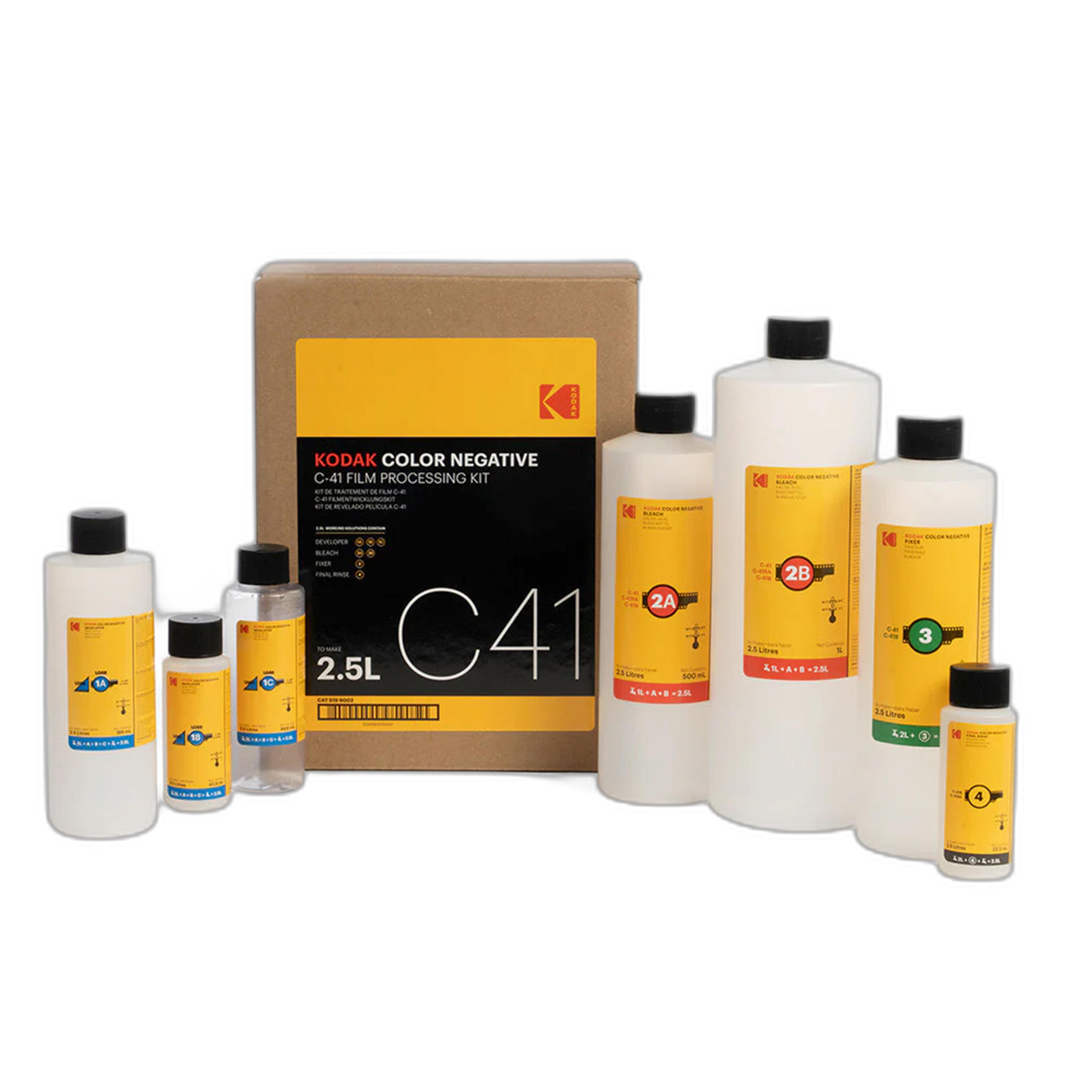
This is important because many complaints attributed to digitization methods are actually workflow issues: dirty negatives, poor drying technique, inconsistent backlighting, and rushed inversion/editing. The ES-2 works best when paired with a disciplined process.
Dust Handling and Cleanliness
Dust is one of the biggest pain points in any negative-digitizing workflow, and the ES-2 does not magically eliminate it. In fact, because camera scanning can be so sharp and immediate, dust often becomes even more visible. Users need to clean negatives carefully, keep the light source and holder clean, and ideally work in a dust-controlled environment.
This is one area where some dedicated scanners may still feel easier for certain users, especially if they include infrared-based dust removal for color film. With the ES-2, dust spotting is generally part of the editing process. That is not a flaw unique to Nikon's adapter, but it is a practical consideration that buyers should understand before expecting a fully automated solution.
Color Correction and Negative Conversion
If there is one topic that consistently divides opinions on film digitization, it is color. Capturing a negative is only half the process; turning it into a pleasing positive image is where much of the work happens. The ES-2 gives you a solid capture platform, but color correction remains dependent on software, technique, and personal taste.
Some photographers enjoy this level of control because it allows them to interpret each negative carefully. Others may find the process tedious compared with scanner software that attempts automatic inversion and balancing. The reality is that color-negative conversion is never entirely effortless, and the ES-2 is best for users who are comfortable refining tone and color afterward.
Still, when done well, camera-scanned negatives can look excellent: sharp, natural, and highly editable. If your workflow is already centered on RAW capture and careful editing, the ES-2 integrates very well into that mindset.
Pros and Cons
Pros:
- Fast capture workflow compared to many dedicated scanners
- Consistent alignment for repeatable, sharp results
- Excellent image quality potential with a good Nikon camera and macro lens
- Compact and easier to set up than larger camera-scanning rigs
- Great fit for photographers already invested in a Nikon system
- Ideal for batch digitizing 35mm negatives and slides
Cons:
- Image quality depends heavily on the camera, lens, light source, and technique
- Dust removal is still a major part of the workflow
- Color-negative inversion and correction require post-processing skill
- Less automated than some dedicated scanner workflows
- Best suited to 35mm use rather than broader multi-format scanning needs
Who Should Buy the Nikon ES-2?
The Nikon ES-2 is best for photographers who want a fast, clean, and relatively affordable entry into camera-based film digitization. If you already have a compatible Nikon camera and macro lens, it makes a lot of sense. It is particularly attractive for users digitizing family archives, regularly shooting 35mm color negative film, or building a home workflow that includes both self-processing and self-scanning.
It is less ideal for photographers who want an all-in-one, software-led solution with minimal editing, or for those who primarily scan medium format film. In those cases, a dedicated scanner or a larger modular film carrier system may be a better fit.
Verdict
The Nikon ES-2 Film Digitalizing Adapter Set is one of the smartest accessories available for photographers who want to digitize 35mm film negatives efficiently without sacrificing quality. It does not eliminate the core challenges of film scanning, especially dust control and color correction, but it does make the capture stage faster, more consistent, and more enjoyable. For many photographers, that improvement alone is enough to transform the entire workflow.
If your priority is balancing image quality, speed, and simplicity, the ES-2 is easy to recommend. It occupies an excellent middle ground between slow traditional scanners and more complicated camera-scanning rigs. For Nikon users in particular, it is a practical and well-conceived tool that can make film digitization feel much less like a chore.
If you are ready to build or improve your home film workflow, Unique Photo is a great place to buy the Nikon ES-2 Film Digitalizing Adapter Set, along with film processing chemistry, scanners, and other film-digitizing essentials.