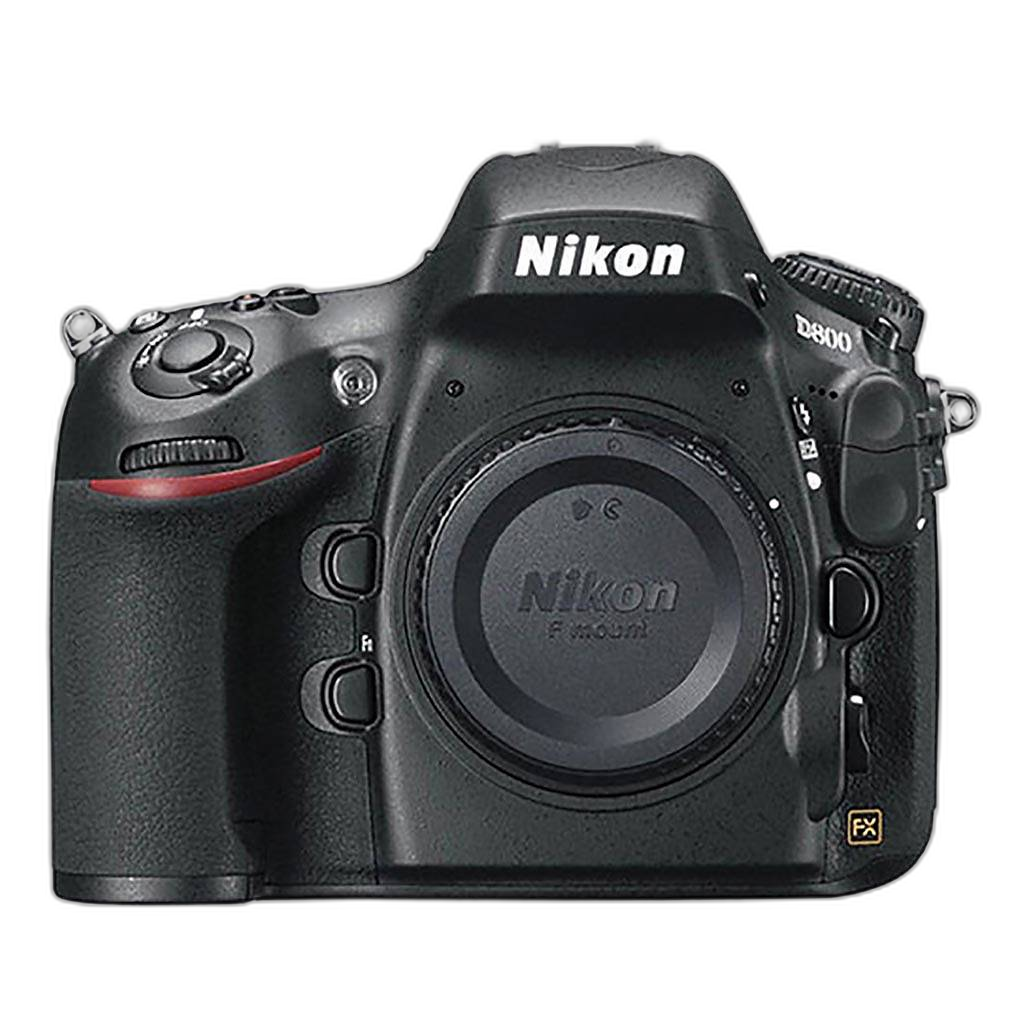
When Nikon announced the D800 on February 7, 2012, it immediately changed the conversation around what a full-frame DSLR could be. At a launch price of $2,999, the camera arrived with a headline feature that was impossible to ignore: a 36.3-megapixel FX-format sensor. In an era when many photographers still associated ultra-high resolution primarily with medium format systems or specialized studio tools, the D800 brought an unusually ambitious level of detail into Nikon’s F-mount DSLR lineup.
From the start, the D800 stood out as more than a routine model update. It was a statement camera, one aimed at commercial shooters, landscape specialists, studio photographers, wedding professionals, and serious enthusiasts who wanted extensive cropping flexibility and large-print potential without stepping outside the familiar Nikon system. Looking back, the D800 remains one of the most significant DSLR announcements of its period, because it helped redefine expectations for resolution in a relatively accessible professional body.
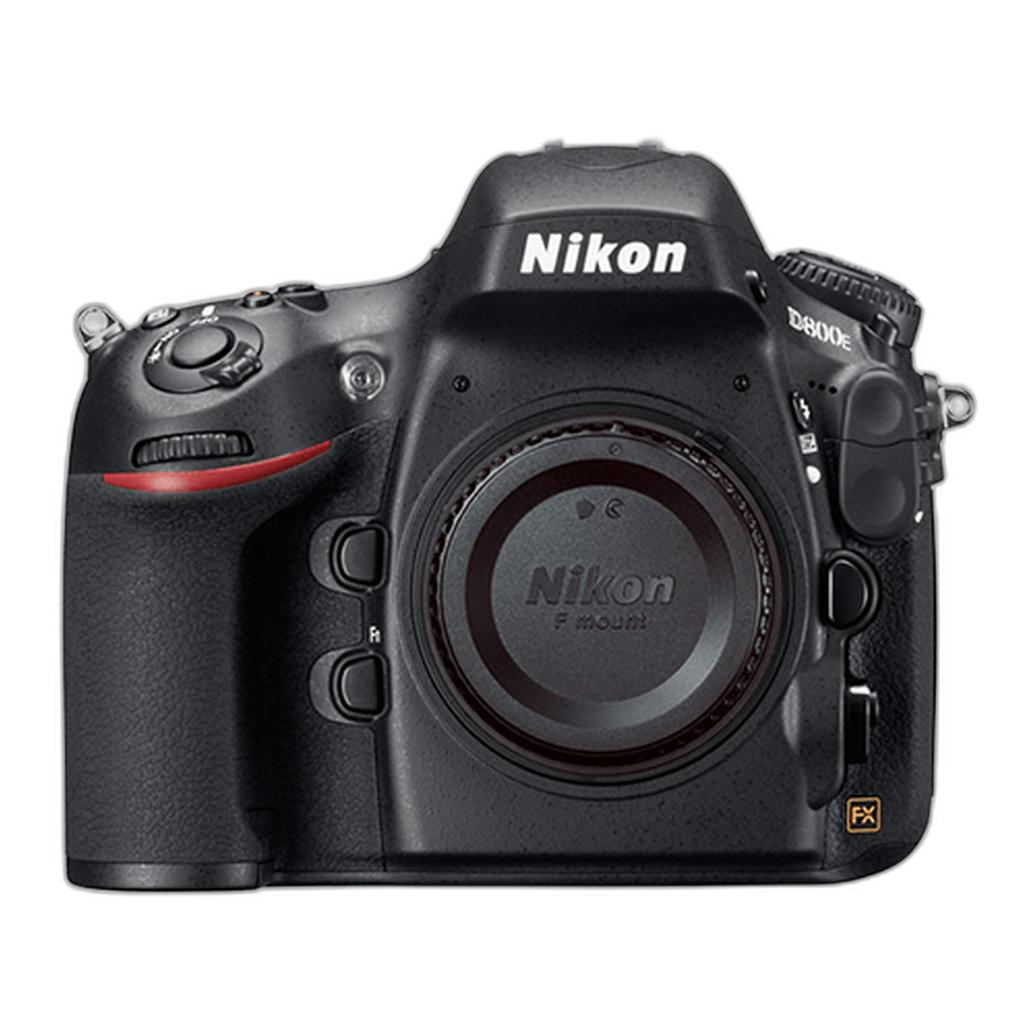
A Major Resolution Leap for Nikon FX
The defining fact of the Nikon D800 is simple but historic: its 36.3MP full-frame, or FX-format, sensor. That figure alone separated it from much of the DSLR market in early 2012. Nikon was not merely increasing pixel count for marketing effect; it was pushing its professional full-frame line into a category of image detail that had previously been associated with much more expensive systems.
For photographers who made large exhibition prints, photographed products, architecture, fashion, or expansive landscapes, that resolution meant more room to work. Fine textures, subtle transitions, and small compositional details could be recorded with striking clarity. Just as important, 36.3 megapixels offered extensive freedom to crop while still retaining substantial file size. That flexibility appealed to working professionals who often needed to reframe for clients, publications, or multiple output formats.
At the time of release, the D800’s sensor was widely understood as the camera’s central promise: medium-format-like detail from a Nikon DSLR body and lens ecosystem. That did not mean it replaced medium format in every context, but it unquestionably narrowed the gap in a way that felt new and consequential.
Built Around the Nikon F Mount Legacy
The D800 used the Nikon F mount, one of the most established and important lens mounts in photographic history. By 2012, that compatibility carried enormous practical weight. Nikon photographers considering the D800 were not buying into an isolated platform; they were investing in a high-resolution body that could take advantage of a deep catalog of Nikon F-mount lenses.
That mattered because a camera with 36.3 megapixels puts real demands on optics. Resolution of this kind rewards excellent lenses, careful technique, and attention to focus accuracy. For existing Nikon users, the D800 represented an opportunity to get more from high-quality NIKKOR glass they already owned. For new buyers entering the system, it underscored the strength of the F-mount ecosystem as a professional foundation.
Historically, this is part of what made the D800 so influential. It was not just a high-resolution sensor in isolation. It was that sensor paired with a mature, trusted lens mount and a system that many photographers already knew intimately. The camera’s impact came from marrying headline image quality potential with operational familiarity.
An Announcement That Reframed DSLR Expectations
In the release period, the D800 felt like one of those cameras that caused photographers to reconsider the boundaries between categories. Full-frame DSLRs had already proven themselves in professional work, but the D800 sharpened a specific question: if a 35mm-format camera could deliver 36.3 megapixels at this price level, what did that mean for the future of studio, commercial, and landscape imaging?
The answer, in practice, was that resolution became a more prominent factor in buying decisions across the industry. The D800 showed that there was a real audience for a DSLR optimized around detail and file flexibility. It helped normalize the idea that a full-frame professional camera did not have to prioritize speed above all else to be desirable. Instead, it could be positioned around image richness and still command broad interest.
This was especially important in 2012 because DSLR lineups were becoming more specialized. Some cameras were celebrated primarily for low-light performance, others for speed or video features. The D800’s identity was unusually clear: this was the Nikon DSLR for photographers who wanted as much detail as the format could reasonably deliver.
Who the D800 Was For
Landscape Photographers
Landscape photographers were among the most obvious beneficiaries of the D800’s design philosophy. The ability to capture intricate foliage, rock formations, distant textures, and subtle tonal detail made the camera immediately appealing for scenic and fine-art work. Large prints, in particular, stood to benefit from the sensor’s high pixel count.
Studio and Commercial Shooters
In studio environments, the D800’s 36.3MP sensor aligned naturally with product, portrait, and advertising photography. Commercial clients often demand flexibility for retouching, cropping, and multiple output sizes, and a large native file can be a major advantage. For many professionals, the D800 represented a practical bridge between familiar DSLR workflow and the level of detail expected in demanding commercial applications.
Wedding and Event Professionals
Even for photographers working in weddings and events, the D800 presented compelling possibilities. While file size and workflow considerations naturally came with such high resolution, the payoff was significant latitude for reframing and delivering highly detailed final images. In the release period, many wedding photographers saw it as a way to combine Nikon system reliability with a new level of image richness.
The Price Point That Made Headlines
At $2,999 at launch, the Nikon D800 was positioned aggressively for what it promised. That price mattered as much as the megapixel count because it made the camera feel attainable in a way that higher-resolution alternatives often were not. For many professionals, it represented a major purchase, but not an impossible one; for advanced enthusiasts, it was aspirational but within sight.
Historically, the pricing helped amplify the D800’s impact. A 36.3MP full-frame DSLR from a major manufacturer, sold within an established professional system at that figure, was bound to draw intense attention. It suggested that top-tier resolution no longer had to remain confined to a far more expensive class of camera bodies.
A Camera That Rewarded Technique
One reason the D800 became so respected is that it did not hide the truth of photographic technique. High-resolution cameras reveal everything: lens quality, focus precision, camera movement, support stability, and exposure discipline. The D800 had the kind of sensor that could produce remarkable results, but it also asked photographers to be deliberate.
That characteristic became part of its reputation. Owners often found that the camera encouraged a more careful approach, whether on a tripod in the landscape, under controlled light in the studio, or during exacting commercial assignments. In that sense, the D800 was not only a tool for higher resolution; it was also a camera that pushed many photographers toward more refined technique.
The D800’s Place in Nikon History
Within Nikon’s DSLR timeline, the D800 stands as one of the company’s landmark digital announcements. It represented a bold interpretation of what the FX format could deliver and remains a touchstone in discussions of resolution-led camera design. Long after its release, it continued to be remembered as the model that made 36.3 megapixels a central part of the mainstream full-frame DSLR conversation.
Its legacy is broader than a single specification sheet. The D800 helped establish that there was a substantial market for ultra-detailed full-frame capture in a versatile interchangeable-lens body. It also reinforced Nikon’s ability to produce cameras that appealed not only through speed or ruggedness, but through sheer image potential.
Why the D800 Still Matters
Today, the D800 remains historically important because it marked a turning point. It was one of those rare cameras whose announcement instantly conveyed significance, even before years of real-world use confirmed it. The combination of a 36.3MP full-frame sensor, Nikon F mount compatibility, and a $2,999 launch price made it one of the most talked-about DSLR introductions of 2012.
For photographers looking back at key moments in digital camera history, the Nikon D800 deserves its place near the top of the list. It was ambitious, disruptive in the best sense, and highly influential in shaping expectations for high-resolution full-frame photography. If you want to explore landmark Nikon cameras or shop Nikon gear past and present, Unique Photo is a great place to buy, compare, or learn more.