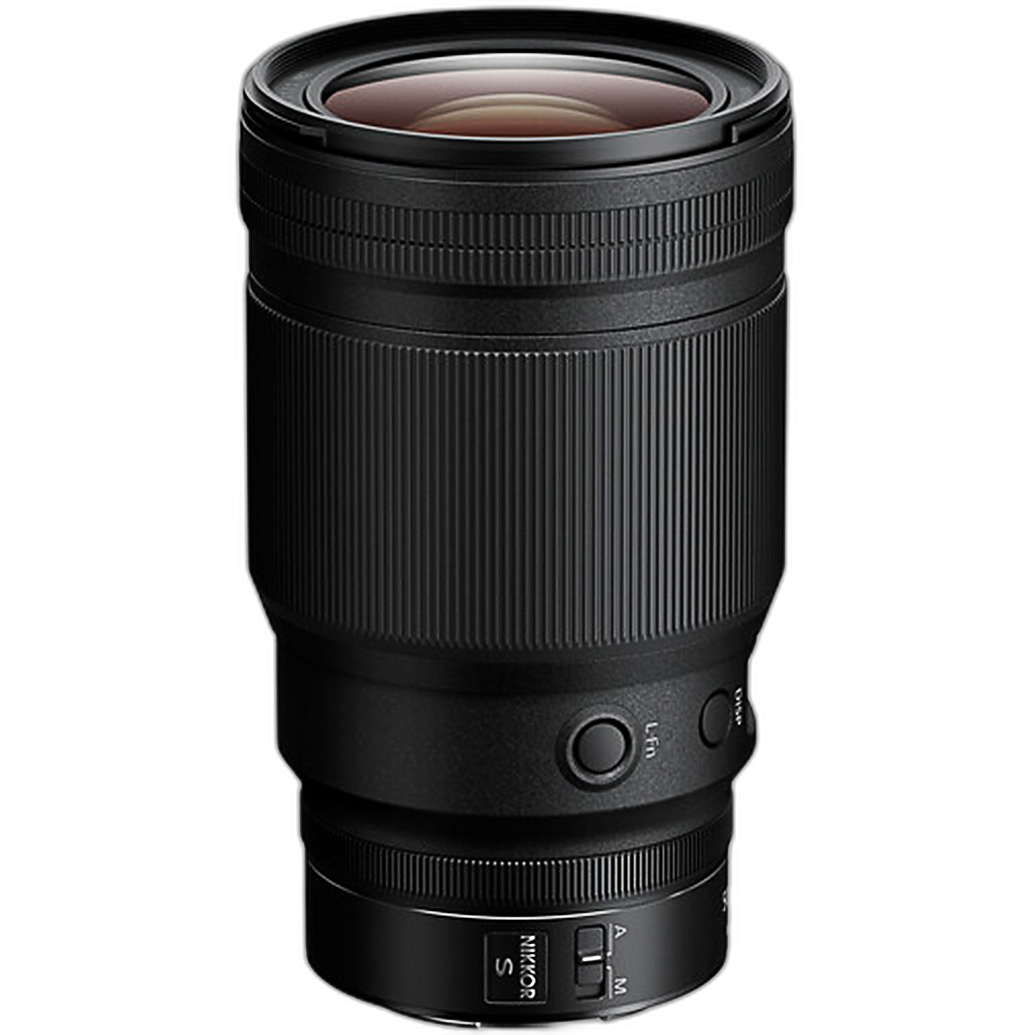
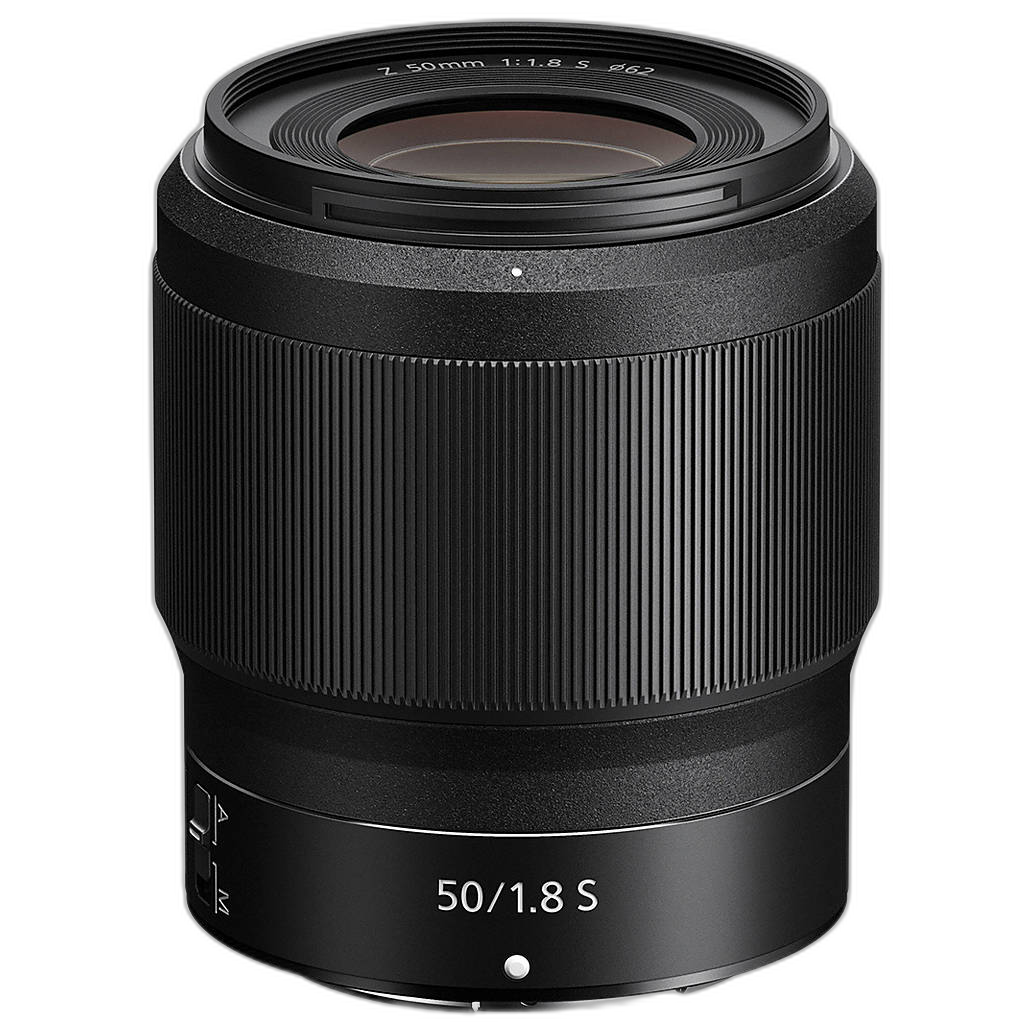
When Nikon introduced the Z system in 2018, the conversation naturally centered on the cameras themselves. The debut of the Nikon Z mount was a major moment in the company’s history, marking a new full-frame mirrorless platform with enormous long-term implications. But systems are ultimately judged by lenses, and in that opening wave of optics, one model quickly took on outsized importance: the Nikkor Z 50mm f/1.8 S.
On paper, a 50mm f/1.8 prime might seem like the most ordinary lens imaginable. For generations, the “nifty fifty” has been the accessible, practical standard lens—compact, versatile, and often chosen more for value than for prestige. Yet Nikon’s decision to launch the Z system with a premium-feeling 50mm f/1.8 was anything but ordinary. Announced on August 23, 2018, with a launch price of $599, the Nikkor Z 50mm f/1.8 S immediately signaled that Nikon intended its new mount to be evaluated on optical ambition, not just mirrorless convenience.
A Standard Lens With an Unusually Important Job
The 50mm focal length has always occupied a special place in photography. It sits at the heart of the normal-lens tradition, offering a field of view that feels natural for everyday use while remaining flexible enough for portraits, street work, detail studies, and general walkaround photography. Because it is so familiar, it also becomes a revealing benchmark. A system’s standard prime often tells you a great deal about a manufacturer’s priorities.
That is exactly why the Nikkor Z 50mm f/1.8 S mattered so much at launch. Nikon did not treat it as a throwaway entry-level prime. Instead, the company positioned it within the S-Line, the class of Z lenses intended to showcase the optical and mechanical standards of the new mount. In historical terms, that was a meaningful statement. Rather than using the 50mm slot merely to hit a low price point, Nikon used it to demonstrate what the wider Z mount could enable.
The Z Mount Context
In the late 2010s, mirrorless full-frame competition was becoming increasingly serious. Nikon needed more than a new camera body; it needed a lens roadmap and a visible philosophy. The Z mount was presented as a foundation for future optical advances, and lenses like the 50mm f/1.8 S were early proof points.
That context is essential to understanding the reception of this lens. Photographers were not only asking whether a 50mm f/1.8 would be useful. They were asking whether Nikon’s new system could compete at the highest level in image quality, rendering, autofocus integration, and build consistency. The Nikkor Z 50mm f/1.8 S became one of the first real-world answers.
Why This 50mm Stood Out
Several things made the lens notable from the start. First was the simple fact of its designation: this was not just a basic Nikkor Z lens, but an S-Line model. That branding implied a higher standard of correction and finish, and it immediately distinguished the lens from the bargain-minded 50mm primes photographers had come to expect over the decades.
Second was its pricing. At $599, the Nikkor Z 50mm f/1.8 S clearly occupied a different place than traditional inexpensive 50mm f/1.8 options. Nikon was effectively telling photographers that this lens should be considered on performance, not merely on affordability. For some buyers around launch, that required a mental adjustment. But for others, it was precisely the point: this was a standard lens meant to elevate expectations for the system.
Third was timing. Because it arrived right at the birth of the Z mount, the lens was viewed less as an isolated product and more as a manifesto. If Nikon could make a 50mm f/1.8 that impressed demanding users, confidence in the entire roadmap would grow.
Optical Reputation at Launch
Historical discussion of the Nikkor Z 50mm f/1.8 S almost always returns to one theme: its reputation for optical seriousness. Early impressions and subsequent evaluations frequently emphasized that this lens performed above what many photographers normally associated with the f/1.8 category. That distinction mattered. For years, the market had taught buyers to think of 50mm f/1.8 lenses as compromises—good enough, very useful, but not necessarily aspirational. Nikon’s Z-mount version pushed against that assumption.
Even without turning this archival piece into a lab report, it is fair to say that the lens was widely understood as a demonstration of what Nikon wanted from Z optics: strong correction, modern rendering, and image quality that made the new mount feel credible from day one. In that sense, the Nikkor Z 50mm f/1.8 S served as a bridge between familiar focal length tradition and the more ambitious optical identity Nikon sought for its mirrorless era.
A New Kind of “Nifty Fifty”
The phrase “nifty fifty” usually implies a small, inexpensive lens that every photographer can justify owning. The Nikkor Z 50mm f/1.8 S complicates that legacy in interesting ways. Yes, it remained a 50mm f/1.8 standard prime—one of the most practical lenses anyone can carry. But it also asked photographers to see the category differently.
Rather than being the budget fallback, this lens suggested that a 50mm f/1.8 could be central to a professional or enthusiast kit on quality grounds alone. It was a lens for photographers who wanted a normal prime not because it was cheap, but because it was foundational. In this way, Nikon effectively elevated the category. The Z 50mm f/1.8 S was not trying to be merely adequate; it was trying to be exemplary.
System Signaling and Buyer Confidence
In any new camera system, trust is built one lens at a time. Early adopters want evidence that the mount will not only survive but flourish. A strong standard prime can do a surprising amount of that work because it is easy to understand and easy to compare against decades of alternatives.
That is why the Nikkor Z 50mm f/1.8 S had importance beyond its own sales. It reassured photographers considering a move into Z. It gave existing Nikon users a lens that felt familiar in purpose but new in execution. And it helped define Nikon’s mirrorless messaging with a product that people could actually use in daily photography rather than just admire on a roadmap chart.
From a historical perspective, this is where the lens earns its reputation. It was not the flashiest specification in the lineup, nor the most exotic concept. Its significance came from proving that Nikon was willing to invest real engineering attention into a staple focal length and let that lens speak for the strengths of the new mount.
How It Fits Into Nikon History
Nikon has a long history with 50mm lenses, stretching across film SLRs, autofocus F-mount cameras, and the digital era. That heritage made the Z-system 50mm especially symbolic. A company with such an established normal-lens tradition was not entering the category casually. Every photographer who had used earlier Nikon 50mm lenses would naturally bring expectations to the Z version.
The Nikkor Z 50mm f/1.8 S therefore occupies an important place in Nikon’s broader lens timeline. It represents continuity in focal length and utility, but change in strategy. Nikon used one of its most classic lens types to introduce a new design philosophy for a new mount. That combination of familiarity and intent is what makes the lens historically memorable.
Lasting Significance
Looking back, the Nikkor Z 50mm f/1.8 S stands as one of the most telling products from the Z system’s launch period. It showed that Nikon’s mirrorless ambitions were not limited to body design or mount theory. They were embodied in real glass, at a focal length photographers know intimately and judge ruthlessly.
Its basic facts remain straightforward: a 50mm lens, with a maximum aperture of f/1.8, for the Nikon Z mount, introduced on August 23, 2018, at $599. But the story around those facts is richer. This was the lens that helped many photographers understand what Nikon wanted the Z system to be.
For anyone studying the early years of Nikon mirrorless, the Nikkor Z 50mm f/1.8 S is more than a standard prime. It is one of the clearest early statements of intent. To explore Nikon gear history or shop current Nikkor Z lenses, Unique Photo is a great place to buy, compare, or learn more.