Entering a photo contest can be exciting, but the fine print matters just as much as the image itself. A great submission can lose value if you overlook usage rights, model releases, AI clauses, or exclusivity terms. Before you upload your favorite frame, take a few minutes to understand how contest rules affect your ownership and future use of that work. These tips will help you protect your copyright, submit confidently, and stay focused on making strong images.
Start by Reading the Rights Granted to the Organizer
1. Look for language beyond simple promotional use
Many contests ask for a limited license so they can display winners, promote the event, or post entries online. That is common. What deserves a closer look is wording like irrevocable, perpetual, worldwide, sub-licensable, or for any purpose whatsoever. If those terms appear, the organizer may be asking for much broader rights than you expected.
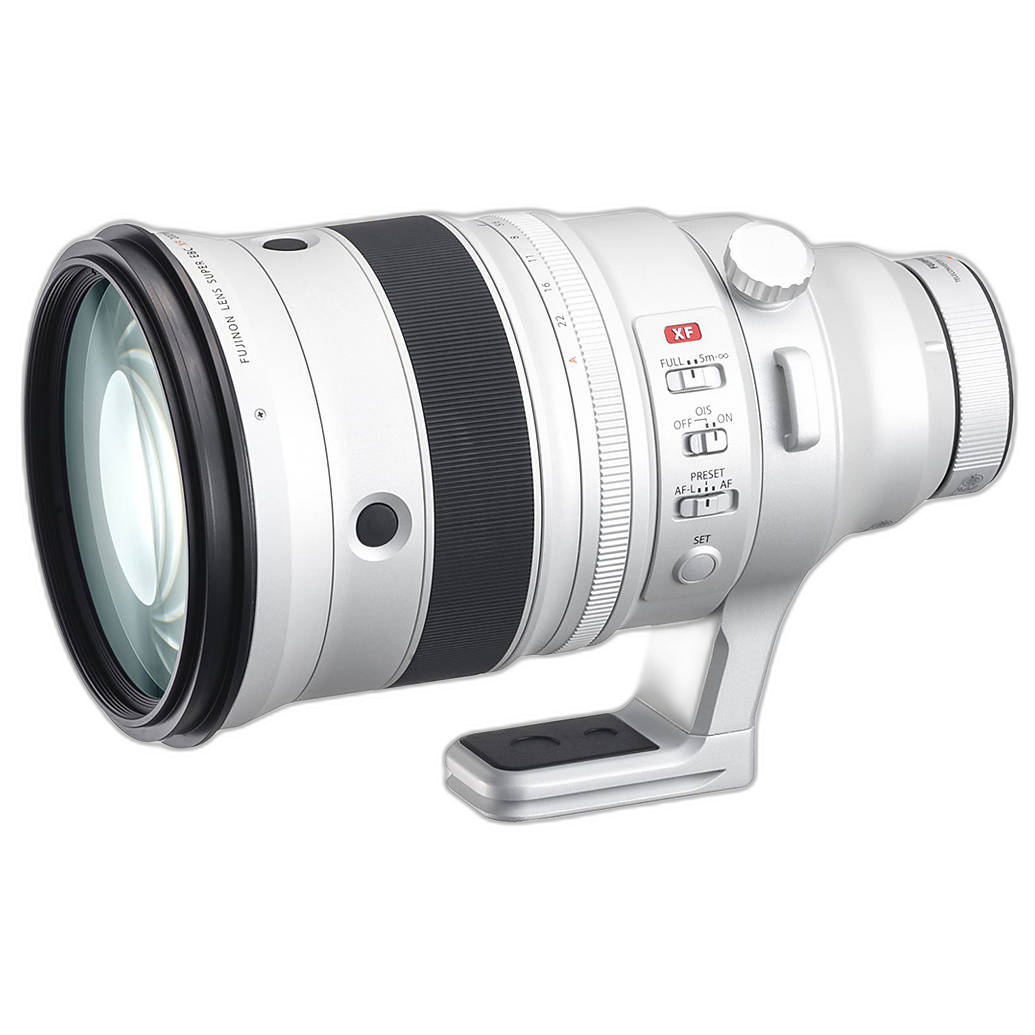
If you create carefully planned wildlife or sports images with specialized gear like the Fujifilm FUJINON XF 200mm f/2 R LM OIS WR Lens with XF1.4x Teleconverter, your work may have long-term editorial or print value. It is worth making sure a contest does not claim rights that limit future licensing opportunities.
- Check whether the contest needs rights only to promote the contest.
- See if the license is non-exclusive or exclusive.
- Avoid contests that appear to take ownership just for entering.
Remember: Copyright Usually Stays With the Photographer
2. Know the difference between ownership and licensing
In most cases, you as the creator automatically own the copyright to your photograph the moment you make it. Entering a contest does not automatically transfer that ownership unless the rules specifically require an assignment. More often, contests request a license to use the image under certain conditions.
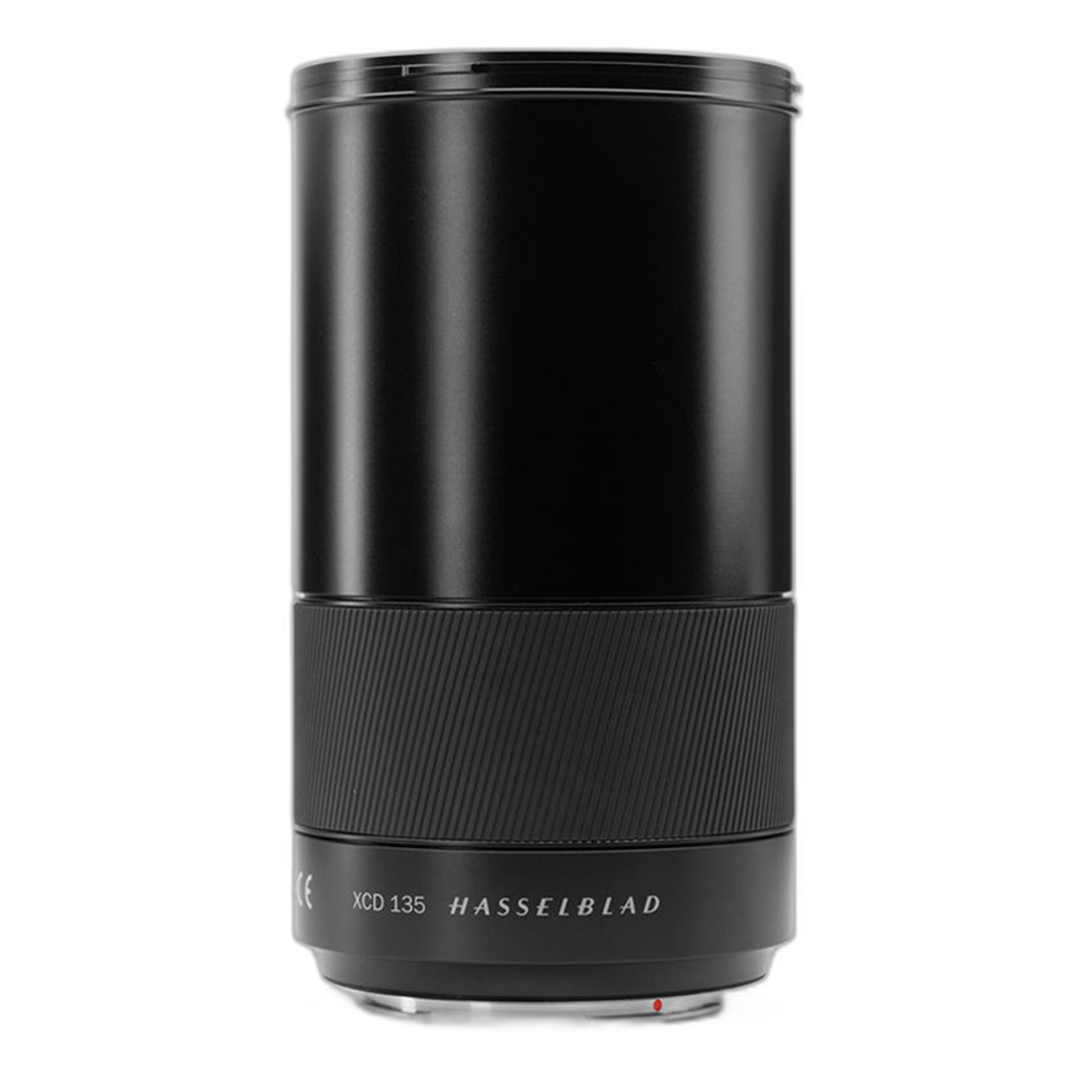
That distinction matters. If you photographed a distant landscape using a specialty optic such as the Hasselblad XCD 135mm f/2.8 Lens with 1.7x Teleconverter, you may want to sell prints, license the image later, or include it in a portfolio book. A broad contest license can affect how exclusive that image remains.
Check Whether the Contest Allows Editing, Composites, or AI Assistance
3. Make sure your workflow matches the rules
Some contests welcome retouching, focus stacking, HDR blending, or compositing. Others allow only minimal tonal adjustments. Increasingly, contests also address generative AI, object removal, and content-aware edits. A beautiful image can be disqualified if your post-production process falls outside the stated rules.
- Read the editing policy line by line.
- Save your RAW files and layered edits.
- Be prepared to explain your workflow if asked.
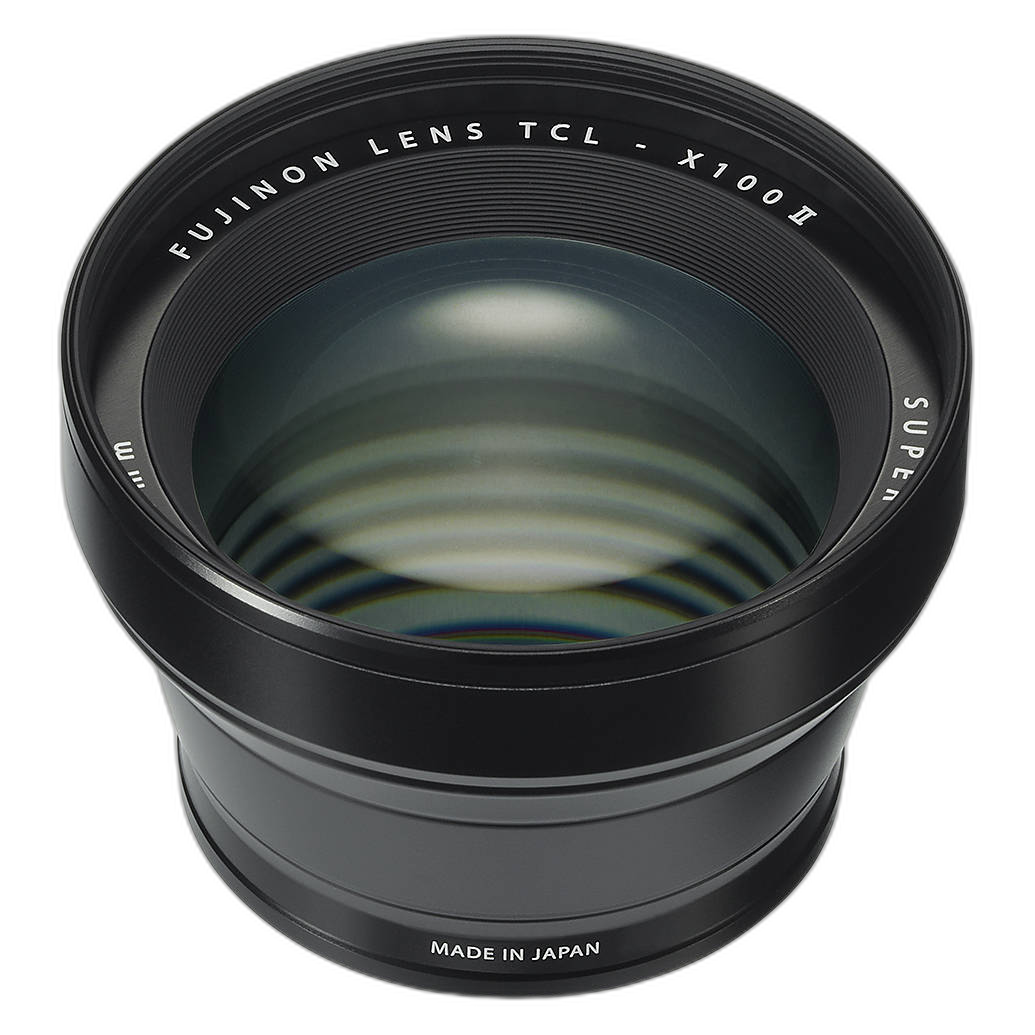
This is especially important if you use long lenses or conversion optics that encourage highly deliberate framing in-camera, like the Fujifilm TCL-X100 II Tele Conversion Lens for X100-series cameras. Contests often favor authenticity, and having original files helps prove it.
Get Releases for Recognizable People and Private Property
4. Contest acceptance does not replace legal permission
Even if a contest accepts your image, that does not mean you are covered for every kind of use. If your photo includes recognizable people, some contests require model releases, especially if the organizer wants to use entries in advertising. The same can apply to private property, certain venues, or restricted locations.
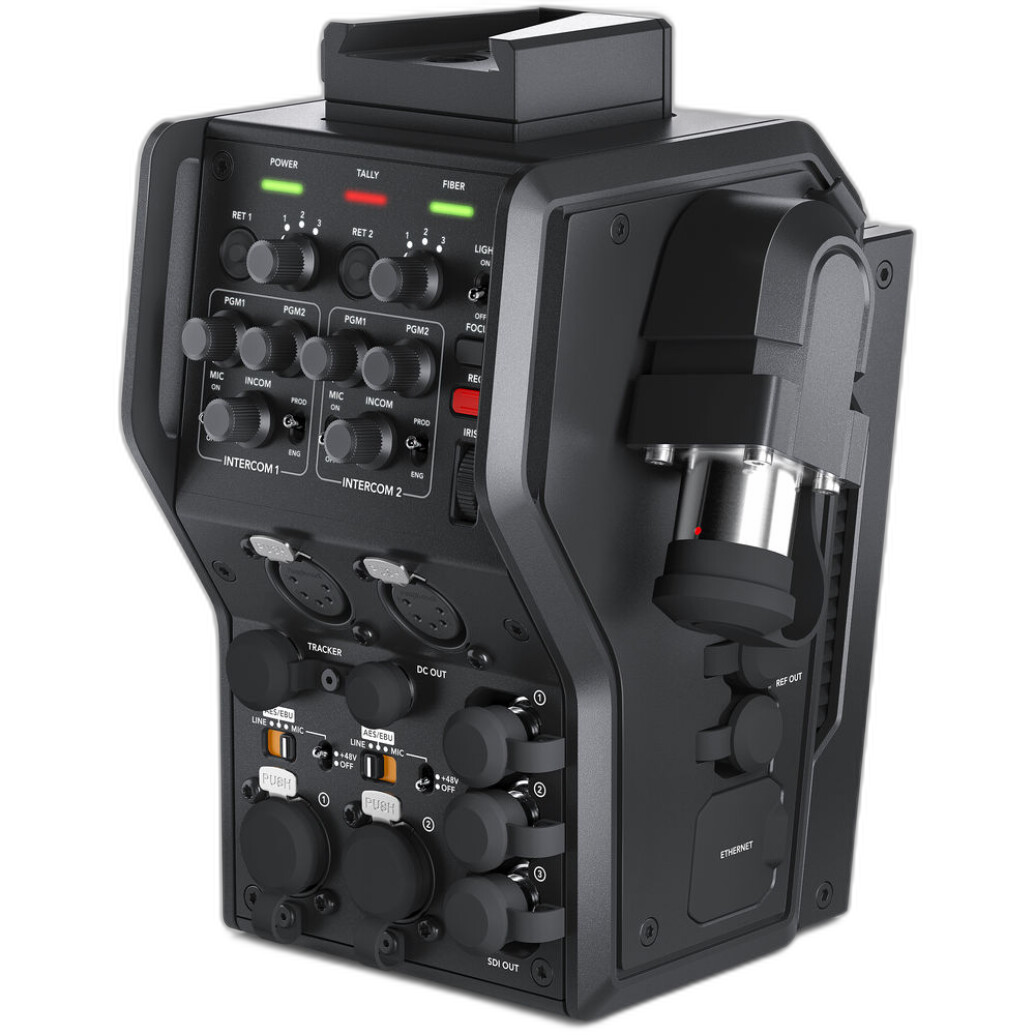
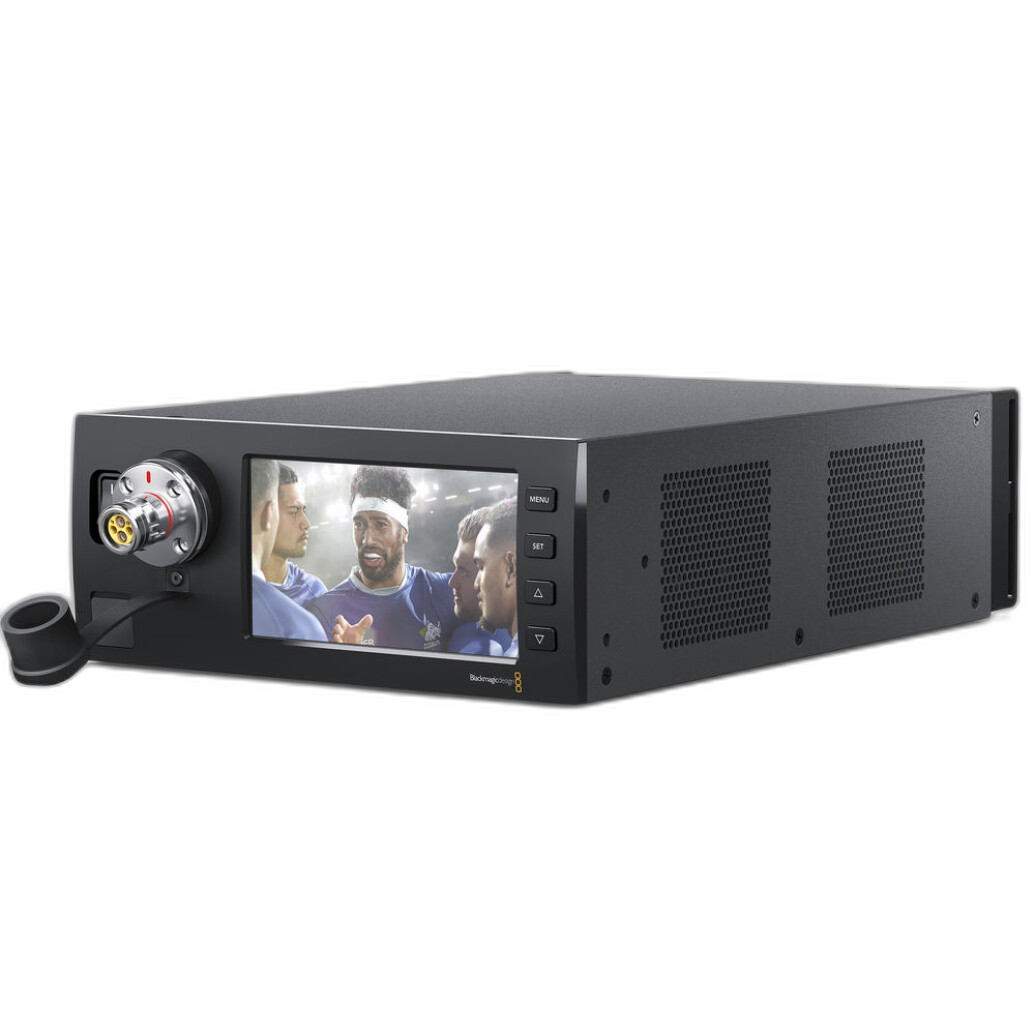
Before entering portrait, event, or commercial-looking images, confirm whether releases are mandatory. If you are shooting controlled productions or live event coverage with a multi-camera setup using tools like the Blackmagic Camera Fiber Converter and Blackmagic Studio Fiber Converter, keeping organized release paperwork alongside your files is a smart habit.
Watch for Exclusivity Clauses and Publication Restrictions
5. Be careful if the image has already appeared online
Some contests require that your submission be unpublished. Others define publication very broadly, including Instagram, personal websites, blogs, newsletters, or client galleries. If you have already shared the image, you may be ineligible even if you still own the copyright.
Always check:
- Whether social media counts as prior publication
- Whether client work is eligible
- Whether the contest requires an exclusive submission period
This can be particularly relevant for photographers who regularly share striking compressed-perspective images made with lenses such as the Used Hasselblad 500MM F/8 T* Tele-Aportessar. The very image that performs well online may no longer qualify for a contest that demands unpublished work.
Keep Metadata, Captions, and Proof of Authorship Intact
6. Good file management supports your claim
If a dispute ever arises, your RAW files, original exports, embedded metadata, and accurate captions all help demonstrate authorship. Include your name, copyright notice, and contact details in metadata whenever possible. Some contests strip metadata on upload, but you should still preserve your master files.
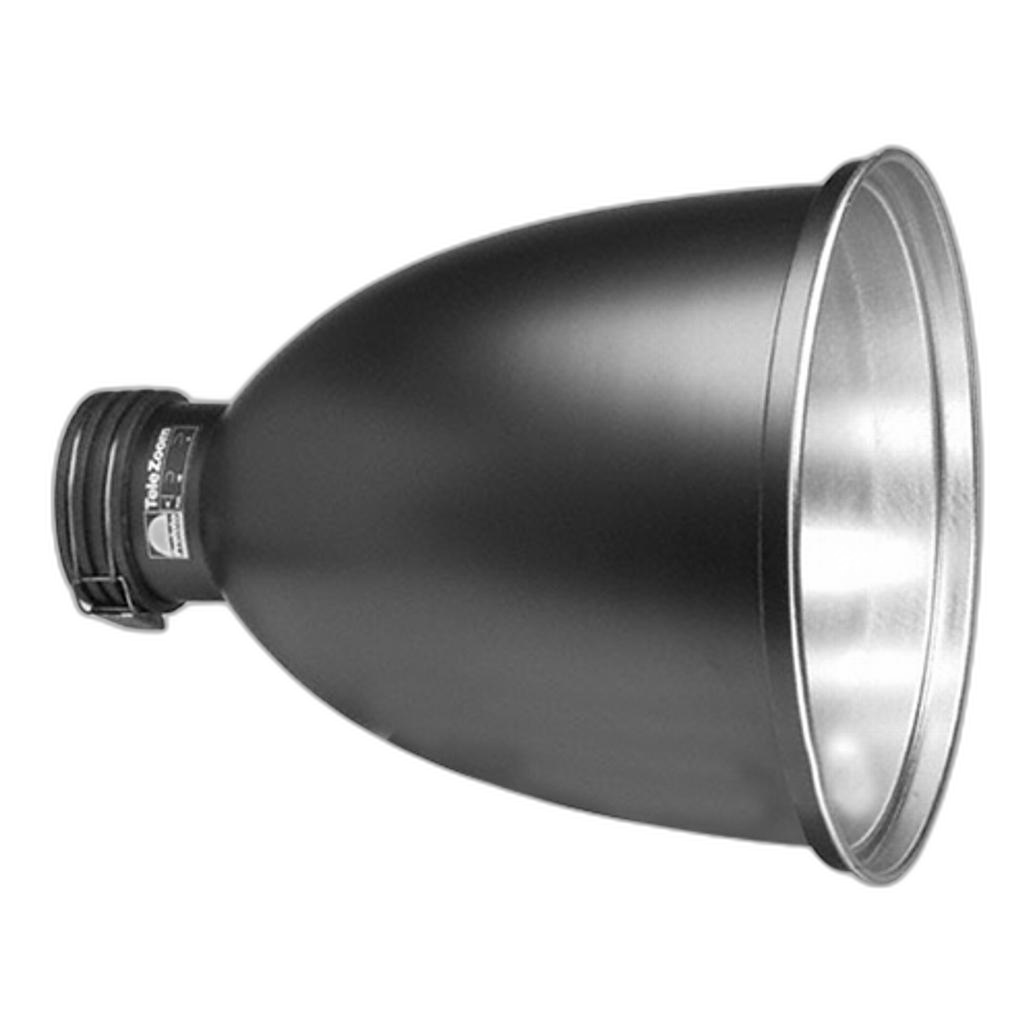
Also keep records of when and where the image was made, especially for nature, documentary, and event categories. If you shot from a distance using something like the Fujifilm FUJINON XF 200mm f/2 or lit a subject with a focused modifier such as the Profoto Tele-Zoom Reflector, maintaining a clear production trail can help verify the legitimacy of your entry.
Understand How Winning Images May Be Used Later
7. Ask what happens after the contest ends
Winning or shortlisted images often receive more exposure, but they may also be used in catalogs, sponsor campaigns, traveling exhibitions, press materials, or fundraising efforts. That may be a good tradeoff if the contest is prestigious and transparent. The key is to know the scope in advance.
Read the rules to see:
- How long the organizer can use the image
- Whether sponsors receive usage rights too
- Whether credit is guaranteed whenever your image appears
- Whether additional compensation is offered for commercial use
If the rules are vague, ask. A reputable contest should be able to explain how your work will be handled.
When in Doubt, Choose Contests That Respect Photographers
8. Not every contest is worth entering
A flashy prize is not always enough to justify a bad rights grab. Look for contests that clearly state you retain copyright, request only a limited non-exclusive license, explain their judging and usage policies, and respect creators with proper attribution.
It is better to enter fewer contests and protect strong work than to give away too much for a chance at exposure. Whether your favorite contest image was made with a compact setup and a Fujifilm TCL-X100 II Tele Conversion Lens or a premium telephoto system from Hasselblad, the value of your image extends beyond one submission form.
Conclusion
Photo contests can be a great way to gain visibility, challenge yourself, and build confidence, but smart photographers read the rules as carefully as they compose the frame. Protect your copyright, understand the license you are granting, and keep complete records of your work. If you are refining your kit for your next contest-worthy image, Unique Photo is a great place to explore lenses, accessories, and tools that support your creative goals.