Choosing between natural light and off-camera flash is less about which one is "better" and more about what helps you create the look you want most efficiently. Natural light can feel organic, soft, and spontaneous, while off-camera flash gives you consistency, control, and the ability to shape a scene no matter what the weather or location is doing. If you photograph portraits, products, events, or editorial work, learning when to lean into available light and when to add flash can dramatically improve your results.
Below are practical tips to help you compare both approaches, refine your technique, and build a gear setup that fits your style.
Start by Defining the Look You Want
1. Let mood decide your lighting choice
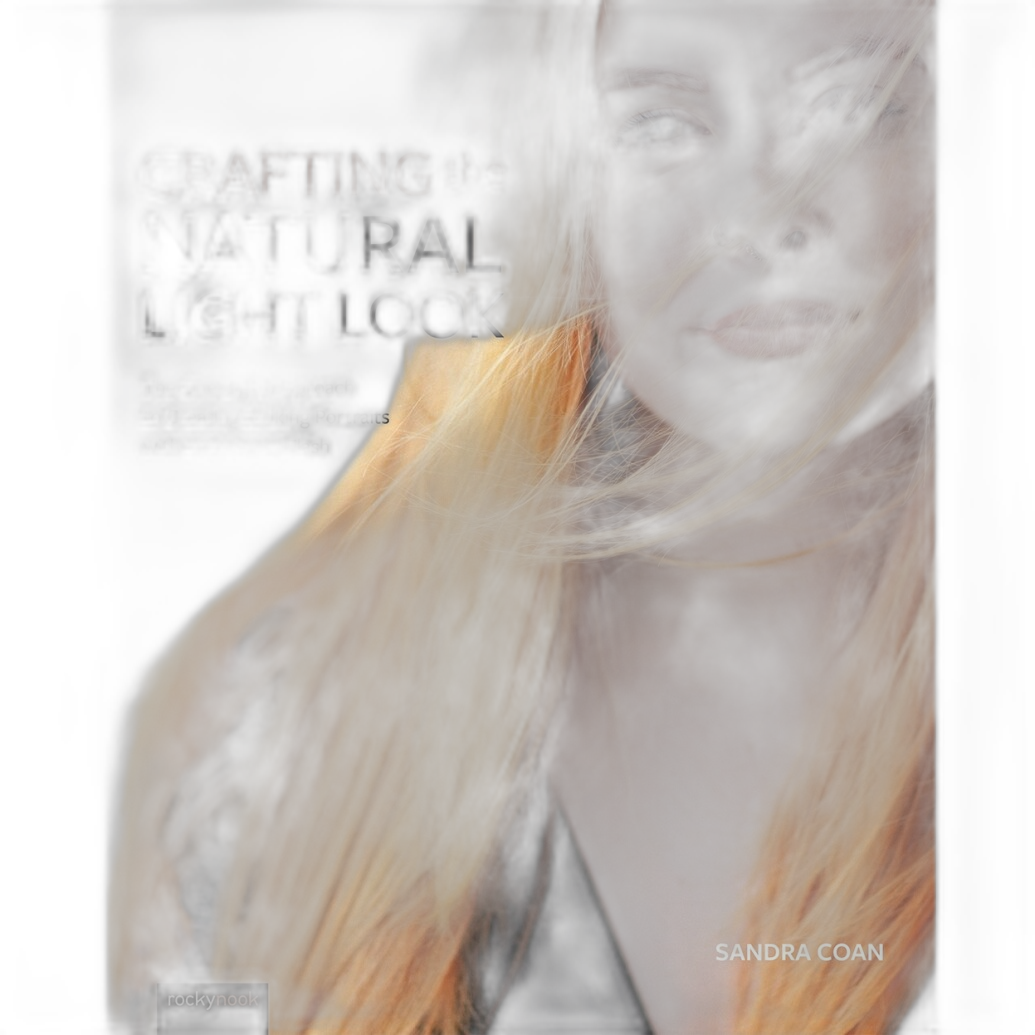
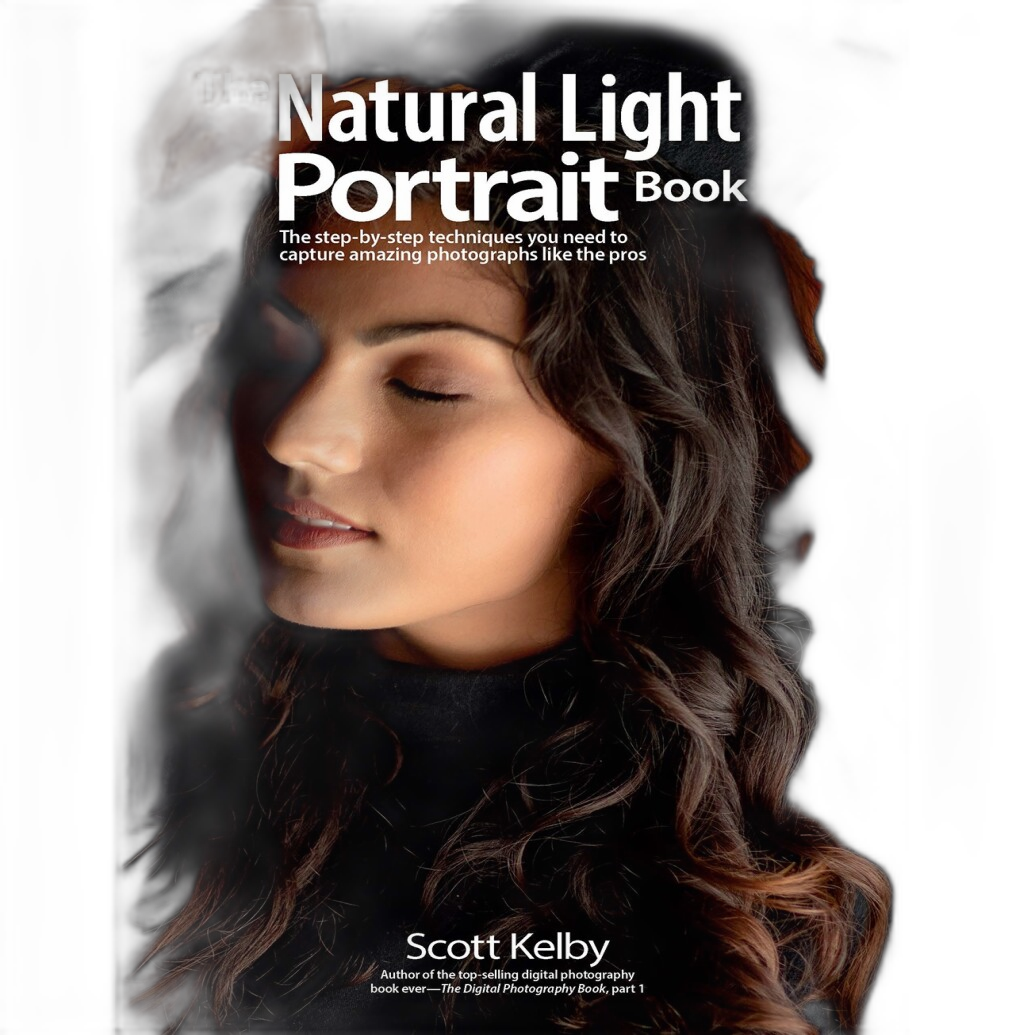
Before you unpack any gear, think about the final image. If you want a soft, airy portrait with gentle transitions and a relaxed feel, natural light may be the fastest route. Window light, open shade, and backlit golden-hour scenes all create flattering results with minimal setup. Books like Rocky Nook - Crafting the Natural Light Look by Sandra Coan and Mastering the Natural Light Portrait by Scott Kelby are great resources for understanding how to recognize and refine that look in real-world situations.
If you want more separation, punch, drama, or repeatable results from frame to frame, off-camera flash usually gives you more control. A guide like Rocky Nook - The Off-Camera Flash Handbook by Vanessa Joy can be especially helpful if you're building confidence with flash placement, ratios, and balancing ambient light.
Use Natural Light When the Scene Is Already Working for You
2. Look for open shade, window light, and directional sunlight
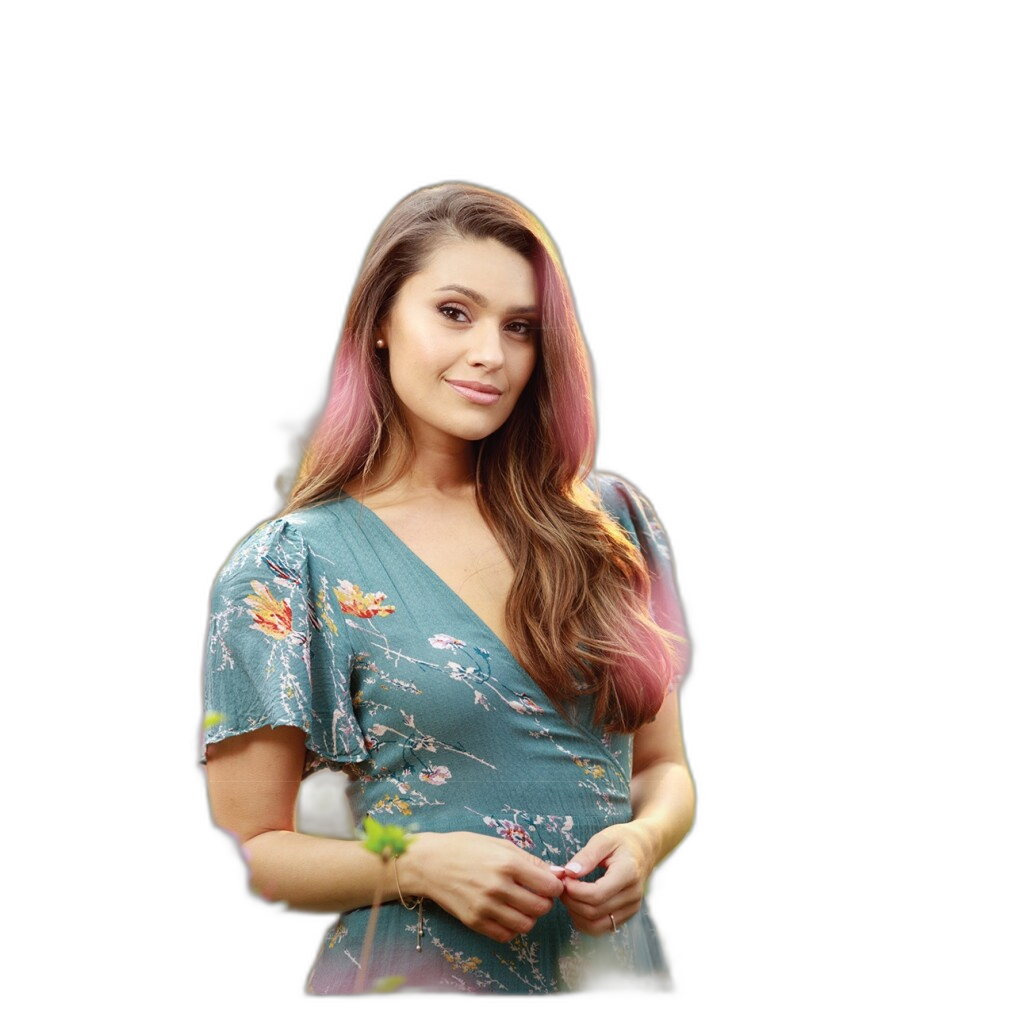
Natural light works best when you take a few extra seconds to observe its direction and quality. Open shade can give you even skin tones without harsh shadows, while a large window can mimic the wraparound quality of a giant softbox. Side light often adds depth and dimension, and backlight can produce a luminous, lifestyle-inspired feel.
- Turn your subject until catchlights appear in the eyes.
- Use nearby walls or sidewalks as natural reflectors.
- Avoid placing your subject in dappled light unless that effect is intentional.
- Expose carefully for highlights, especially during midday sessions.
For portrait photographers who want to better understand how to shape available light without adding equipment, the natural-light books from Rocky Nook are useful study tools that can translate well to family, newborn, and lifestyle work.
Choose Off-Camera Flash When You Need Control
3. Add flash when ambient light is inconsistent or uninspiring
Off-camera flash becomes especially valuable when the light is flat, changing quickly, or simply not helping your subject stand out. This is common at receptions, cloudy outdoor sessions, interiors with mixed lighting, and commercial shoots where consistency matters. With flash, you can create direction, contrast, and separation on demand.
A kit like the Westcott FJ Wireless 2-Light Portable Portrait Flash Kit with FJ-X3S Trigger is a practical option for photographers who want a flexible starting point for portraits and location work. A two-light setup makes it easier to establish a key light and either a fill or rim light without overcomplicating your workflow.
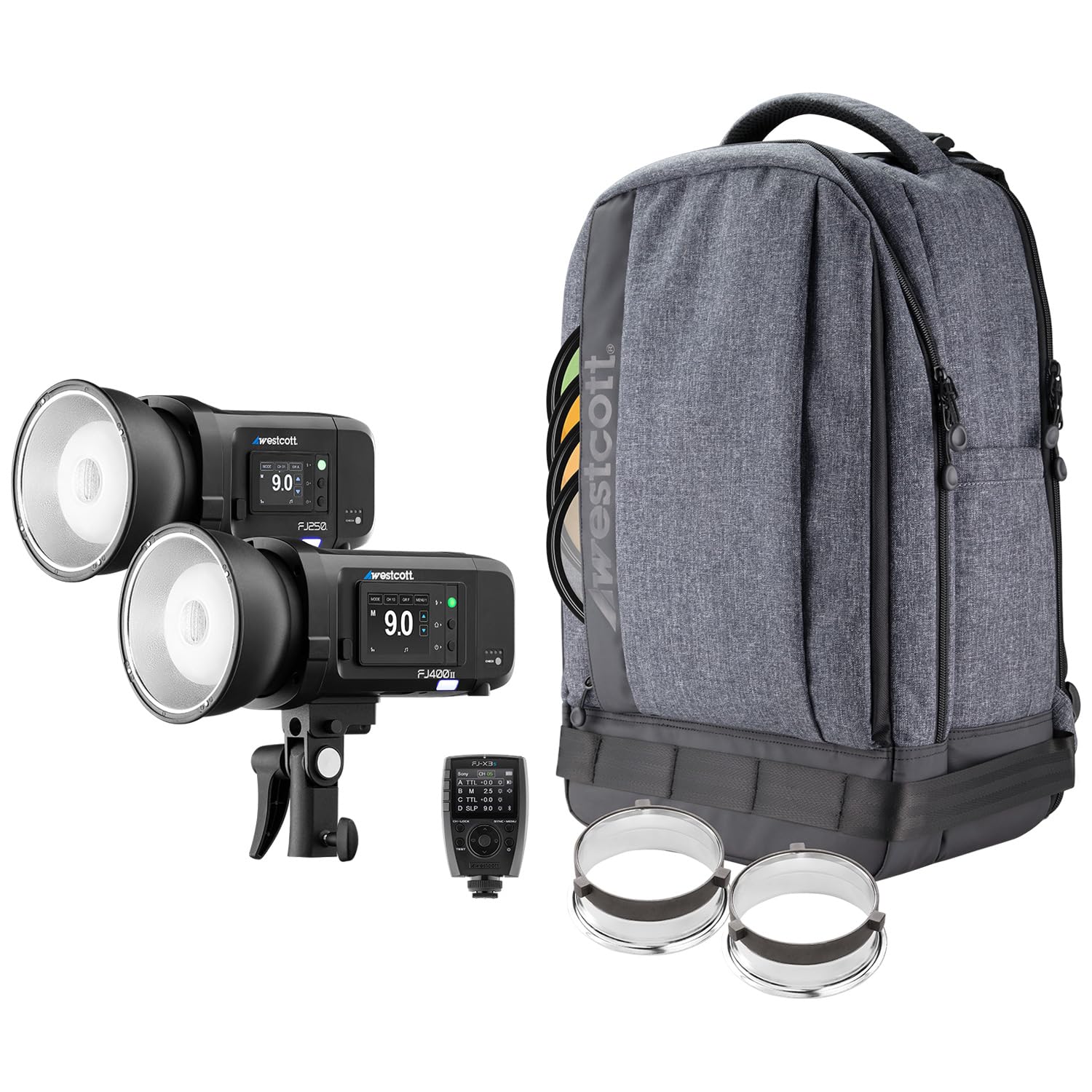
- Use one light as your main source and keep the second as accent or background light.
- Start with simple light placement: 45 degrees from the subject and slightly above eye level.
- Adjust flash power to complement ambient rather than overpower it immediately.
Balance Ambient Light and Flash for the Best of Both Worlds
4. Think of ambient and flash as two separate exposures
One of the most useful off-camera flash concepts is learning that shutter speed typically affects ambient exposure, while flash power affects the subject lit by flash. Once you understand that relationship, blending natural light with artificial light becomes far less intimidating.
- Set your ambient exposure first for the background mood you want.
- Add flash to lift the subject and create shape.
- Fine-tune shutter speed, ISO, or aperture depending on how much environment you want to keep.
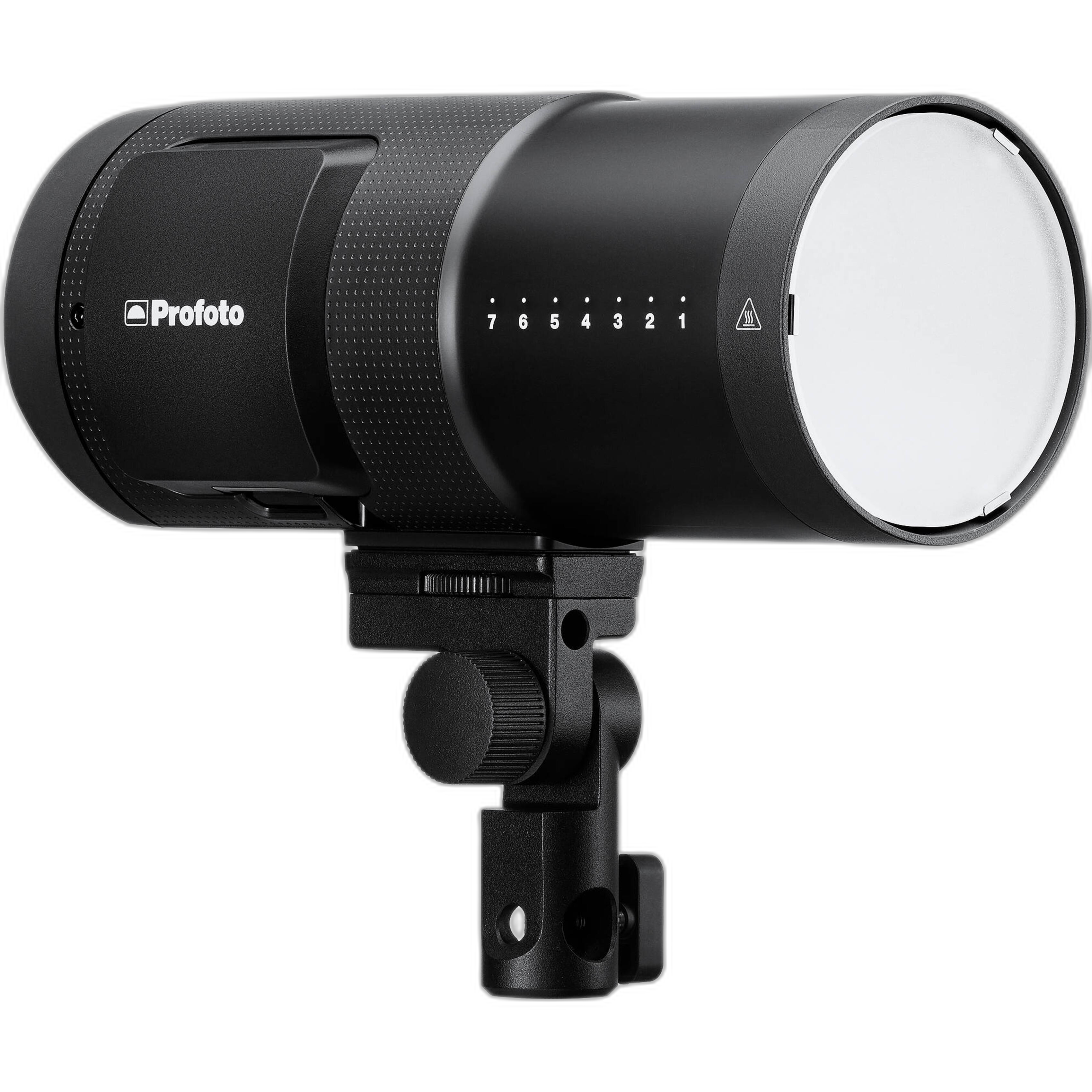
This technique is ideal outdoors at sunset, indoors near windows, and in event spaces where you want the room to feel alive instead of blacked out. A portable, high-performance option like the Profoto B30 OCF Flash Head can be especially attractive for photographers who regularly work on location and want dependable output with a compact footprint.
Keep Your Flash Setup Simple at First
5. One light used well beats multiple lights used poorly
Many photographers overestimate how much gear they need to start with flash. In reality, one off-camera light used intentionally can cover a huge range of looks, from clean headshots to dramatic portraits. Begin by learning how distance, angle, and modifier choice affect softness and shadow depth.
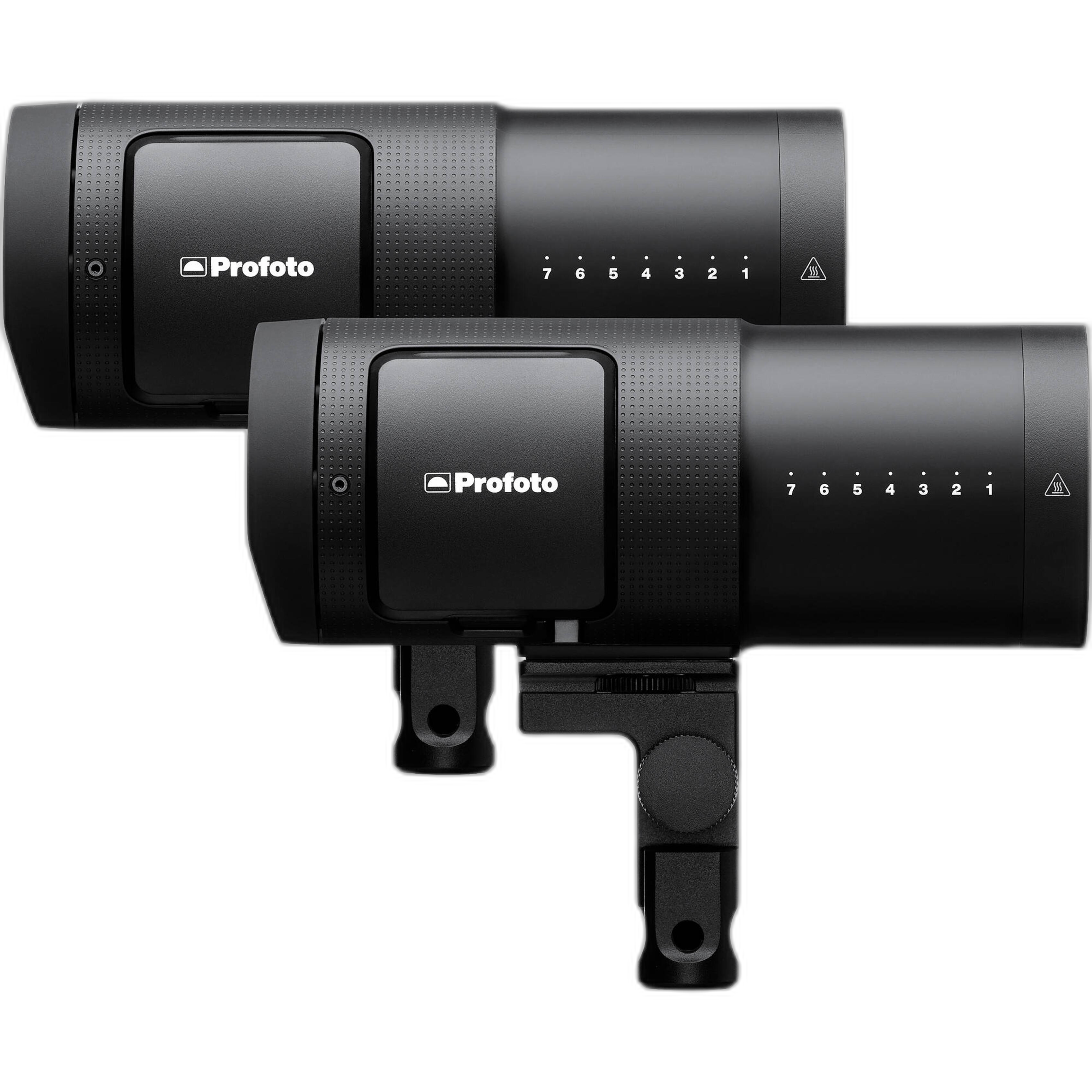
If you need more flexibility for larger setups or more ambitious location shoots, the Profoto B30 OCF Flash Head Duo Kit expands your options without forcing you into a complex studio system right away. Two matching heads can help you build polished key-and-rim setups, light groups, or separate subject and background with ease.
- Move the light closer for softer shadows and more wrap.
- Move it farther away for a harder, more contrasty look.
- Feather the light across the subject instead of pointing it directly every time.
Use Speedlights for Lightweight, Budget-Friendly Flexibility
6. A compact flash can still be a powerful learning tool
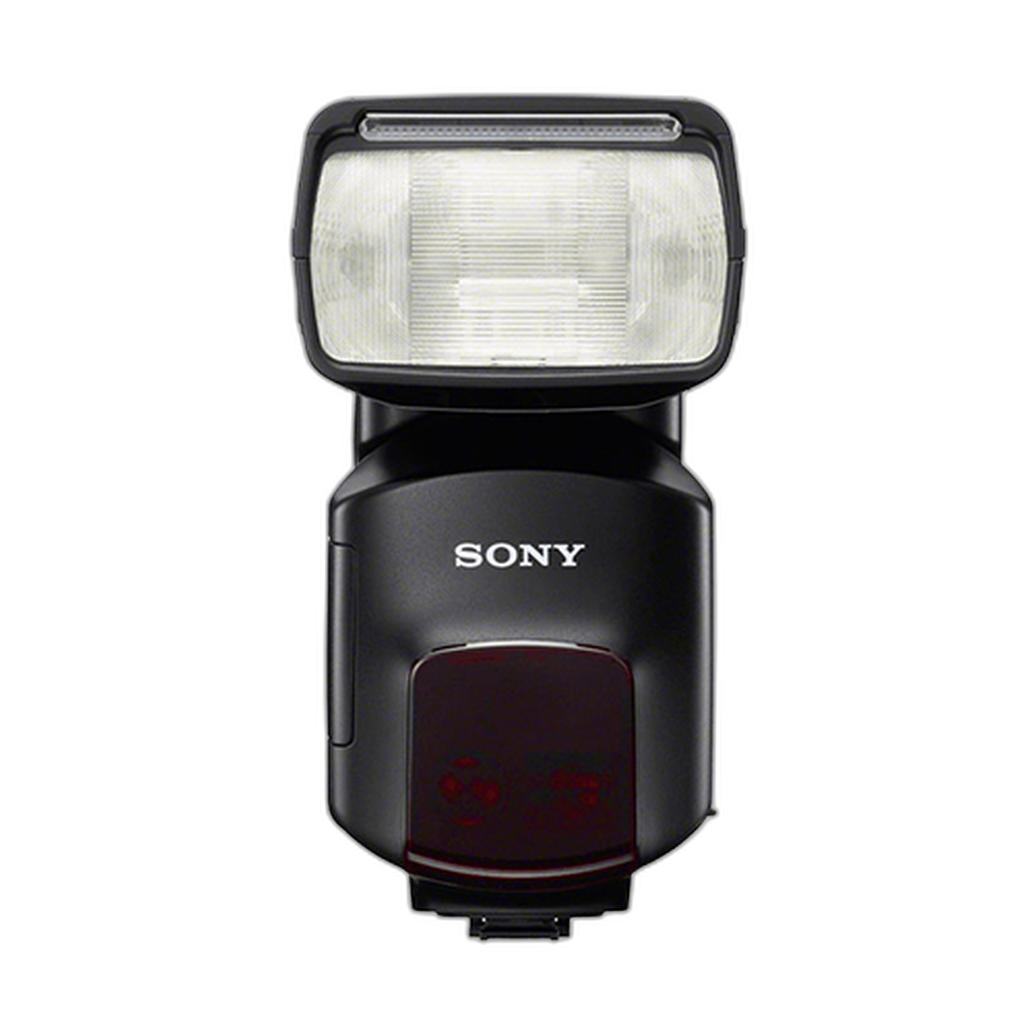
If you want to experiment with flash without jumping immediately into a larger kit, a speedlight can be an approachable place to begin. The Used Sony HVL-F60M Speedlight Flash - Excellent is the kind of compact flash option that can serve well for event coverage, simple off-camera portraits, or backup lighting in a mobile kit.
Speedlights are especially useful when:
- You need a lighter kit for travel or weddings.
- You are learning flash fundamentals like bounce, TTL, and manual output.
- You want a small accent light for hair, background, or detail shots.
Consider Specialized Lighting for Repro and Controlled Commercial Work
7. Some assignments call for precision over portability
Natural light can be beautiful, but it is not always ideal for copy work, reproduction, or highly controlled tabletop photography. In those cases, consistency and evenness matter more than spontaneity. The Hensel Copy One Repro Flash Lighting Set is the kind of specialized lighting solution that makes sense when uniform coverage and repeatable output are priorities.
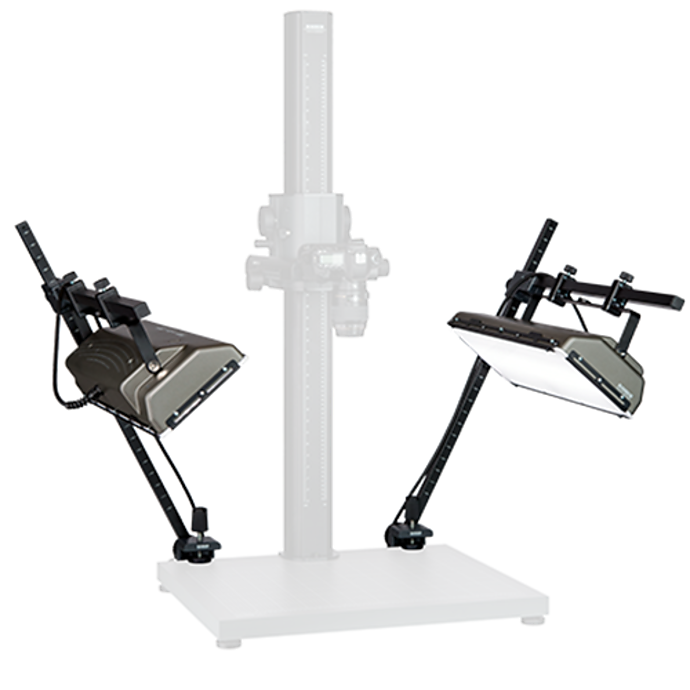
If your workflow involves artwork, documents, archival materials, or product photography where color and lighting uniformity are critical, purpose-built lighting can save time in both capture and post-processing.
Know the Trade-Offs Before You Arrive on Set
8. Compare speed, consistency, and creative freedom
Both natural light and off-camera flash come with advantages and compromises:
- Natural light advantages: fast to use, flattering in the right conditions, minimal gear, ideal for candid and lifestyle work.
- Natural light challenges: changes quickly, can be flat or harsh, less predictable, harder to replicate.
- Off-camera flash advantages: consistent, shapeable, controllable, effective in poor lighting, easier to repeat.
- Off-camera flash challenges: requires setup time, practice, and additional equipment.
The best photographers usually learn both. Natural light sharpens your eye for direction and quality, while flash teaches you how to build the light you wish you had.
Practice with Intention
9. Test the same portrait with and without flash
A simple exercise is to photograph one subject in the same location using both approaches. Start with available light only. Then create a version using one off-camera flash that mimics or enhances the existing light direction. Compare the files and ask:
- Which image fits the mood better?
- Which method gave you more consistency?
- How did skin tone, background tone, and subject separation change?
- Which setup was faster for the type of work you do most?
This kind of side-by-side practice quickly reveals when natural light is enough and when flash gives you a stronger final result.
Conclusion
Natural light and off-camera flash are not competing styles so much as complementary tools. The more comfortable you become with both, the more confidently you can adapt to any location, subject, or creative brief. Whether you're refining your eye with educational resources like the Rocky Nook lighting books or building a more capable kit with options from Westcott, Profoto, Sony, or Hensel, the goal is the same: create light that supports your vision.
If you're ready to explore lighting gear and photography learning tools, Unique Photo is a great place to keep building your setup and your skills.