Landscape photographers quickly learn that great images are not made by the camera alone. The right accessories can make hiking easier, improve sharpness in changing weather, and help you control light in ways that transform an ordinary view into a memorable final image. Across day hikes, roadside overlooks, alpine climbs, seascapes, and nighttime shoots, photographers consistently recommend a smart kit built around transport, stabilization, and filter use.
At Unique Photo, we regularly see photographers refine their landscape setups with a mix of trusted brands, practical add-ons, and clever DIY solutions. Whether you are building your first kit or upgrading for more demanding adventures, these field-tested recommendations can help you travel lighter and shoot more effectively.
What accessories do landscape photographers consider essential?
When photographers compare notes on must-have landscape photography accessories, a few items come up again and again:
- A sturdy tripod for sharp images at sunrise, sunset, blue hour, and night
- A reliable camera bag or backpack designed for hiking and weather resistance
- Lens filters, especially circular polarizers and neutral density filters
- Remote shutter release or self-timer workflow to reduce camera shake
- Extra batteries and memory cards for long days in the field
- Weather protection such as rain covers, dry bags, and microfiber cloths
- Comfort and transport accessories like straps, clips, trekking pole support, and packing cubes
The exact combination depends on where and how you shoot. A roadside scenic photographer may prioritize speed and simple transport, while a backcountry adventurer may focus on weight savings, modular organization, and all-weather durability.
Best landscape photography transport accessories for hiking and travel
Transport is one of the most important parts of landscape photography that many beginners underestimate. If carrying your gear feels awkward, unstable, or exhausting, you are less likely to reach great locations and more likely to miss the best light.
Photographers often recommend these transport solutions:
Camera backpacks for outdoor use
A dedicated backpack remains the top choice for most landscape photographers. Look for padded compartments, side access, tripod carry options, hydration compatibility, and weather-resistant materials. Popular bag brands often mentioned by outdoor shooters include Lowepro, Think Tank, Peak Design, MindShift, f-stop, and Shimoda.
Many photographers prefer backpacks with customizable dividers so they can carry one or two camera bodies, a wide-angle zoom, a telephoto lens, filters, snacks, extra layers, and safety essentials without wasting space.
Chest and strap systems for quick access
For locations where light changes fast, clip-based carry systems can be a major upgrade. A camera clip mounted to a backpack strap keeps the camera accessible without bouncing around during hikes. Peak Design is a commonly suggested brand in this category, though many photographers also create DIY strap stabilizers using paracord or webbing to keep their camera from swinging.
DIY transport tips photographers actually use
Not every useful solution needs to be expensive. Landscape photographers frequently share DIY ideas such as:
- Using padded lens wraps instead of bulky cases to save backpack space
- Repurposing small dry bags to separate wet filters, snacks, or batteries
- Attaching a carabiner and cord loop to secure a tripod externally
- Using foam inserts in non-camera hiking packs for lighter carry
- Keeping silica gel packs in storage pouches to reduce moisture buildup
For photographers just getting into adventure shooting, these lower-cost solutions can be a great way to improve comfort before committing to a premium outdoor camera pack.

How to choose the best tripod for landscape photography
If there is one accessory landscape photographers nearly always rank as essential, it is the tripod. Sharp images at low ISO, long exposures of waterfalls, and bracketed exposures for dynamic range all become easier with stable support.
What photographers want in a landscape tripod
- Stability in wind
- Reasonable weight for hiking
- Fast setup and adjustment
- Durability in sand, mud, and cold weather
- A dependable ball head or pan-tilt head
Carbon fiber tripods are frequently recommended for travel and hiking because they reduce weight while maintaining strong vibration control. Aluminum remains a budget-friendly option and can be a smart choice for photographers who do not hike far.
Tripod brands landscape photographers often recommend
Brands commonly mentioned in landscape circles include Gitzo, Benro, Manfrotto, Leofoto, Really Right Stuff, and Sirui. The right model depends less on brand loyalty and more on matching the tripod to your camera weight, lens size, and shooting conditions.
DIY stabilization tips when conditions get rough
Even a good tripod benefits from better technique. Photographers often use these stabilization tricks:
- Hang a bag or weight from the center column only when needed and only if wind will not cause sway
- Avoid extending the center column unless necessary
- Use thicker leg sections first for maximum rigidity
- Press tripod feet securely into soil, sand, or snow
- Shield the setup with your body during strong gusts
- Use a 2-second timer or remote trigger to reduce shake
Some photographers also create DIY ground plates or use bean bags on rocks, guardrails, or logs when a full tripod is impractical.
Which filters improve landscape photography the most?
Filter use remains one of the most discussed topics in landscape photography, especially among photographers working in bright daylight, near water, or in scenes with dramatic skies. The three most useful filter types are circular polarizers, neutral density filters, and graduated neutral density filters.
Circular polarizer filters for color and glare control
A circular polarizer, often called a CPL, is one of the most useful filters you can own. It can reduce reflections on water and leaves, deepen blue skies, and increase contrast in clouds. Landscape photographers often keep one on hand for forests, lakes, waterfalls, and post-rain scenes.
Popular filter brands often suggested include B+W, Hoya, Tiffen, Breakthrough Photography, PolarPro, and NiSi. The key is good optical quality and a filter size that matches your most-used lens or works with step-up rings.
Neutral density filters for long exposures
Neutral density filters cut light so you can use slower shutter speeds during the day. This is especially helpful for smoothing waterfalls, showing cloud movement, or creating a glassy look on water. A 3-stop, 6-stop, or 10-stop ND filter is commonly recommended depending on your style.
Graduated ND filters for bright skies
Graduated neutral density filters darken only part of the frame, helping balance a bright sky with a darker foreground. While some photographers now handle this with exposure blending, others still prefer grads in the field to simplify capture and save editing time.
Filter holder systems vs screw-in filters
Screw-in filters are compact and simple, making them ideal for many hikers and casual landscape shooters. Filter holder systems offer more flexibility for stacking and adjusting graduated filters but add bulk and setup time. Adventure photographers often choose based on how fast they need to work and how much weight they can carry.
Best accessories for waterfall, seascape, and long exposure photography
Different landscapes call for different support gear. If you photograph waterfalls, coastlines, or moving clouds, a few accessories become especially valuable.
- Tripod with spiked or grippy feet for slippery or uneven terrain
- ND filters for longer shutter speeds in daylight
- Lens cloths for sea spray, mist, or rain
- Filter pouch to keep glass safe and accessible
- Waterproof boots or pack cover to keep you shooting comfortably
Photographers working around waves often recommend carrying several microfiber cloths in sealed bags and checking the front element constantly. A great composition can be ruined by one unnoticed droplet.
Night landscape photography accessories photographers recommend
For astro and nighttime landscape work, stabilization and power management become even more important. Long exposures, cold weather, and remote locations can stress both gear and photographer.
Night landscape photographers typically suggest:
- A strong tripod with minimal flex
- A headlamp with a red light mode
- Extra batteries stored in a warm pocket
- A remote release or intervalometer
- Dew prevention tools or simple hand-warmer DIY fixes
- A compact star tracker for advanced astro landscapes
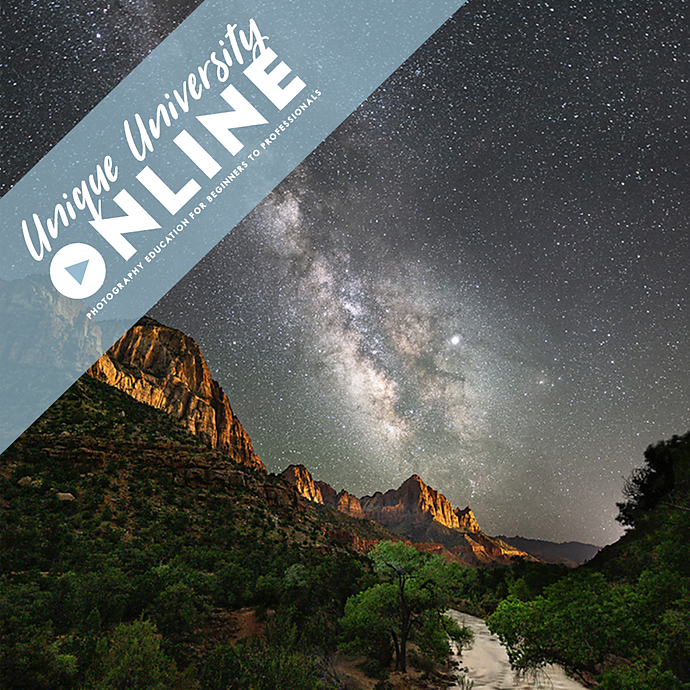
If nighttime landscape photography is part of your goal, Unique Photo also offers educational resources that can help you improve technique alongside your gear choices, such as UUOnline: Photographing the Nighttime Landscape with Roman Kurywczak.
How to pack landscape photography accessories for different adventure scenarios
One of the best ways to build a practical landscape kit is to think in scenarios. Photographers often create kits based on the type of outing rather than carrying everything every time.
Road trip or roadside overlook kit
- Camera body and wide-angle lens
- Tripod
- CPL and ND filter
- Cleaning cloth
- Extra battery and memory card
This setup prioritizes speed and convenience.
Day hike landscape kit
- Comfortable backpack
- Camera body plus two lenses
- Lightweight carbon fiber tripod
- Filter kit and step-up rings
- Snacks, water, rain layer, battery bank, and navigation essentials
This is the most common all-purpose setup for serious enthusiasts.
Backcountry or alpine photography kit
- Minimal lens selection to save weight
- Compact tripod
- Weatherproof storage and dry bags
- Emergency kit and extra insulation
- Power management system for multi-day use
Backcountry photographers often remove duplicate accessories and use ultralight storage methods wherever possible.
Beach and coastal landscape kit
- Sealed pouches for filters and cards
- Tripod easy to rinse after salt exposure
- Multiple microfiber cloths
- Rain cover or towel for sudden spray
Salt, sand, and wind make protection a priority.
Affordable DIY landscape photography accessories worth trying
Many photographers mix premium gear with homemade solutions. A few DIY ideas remain popular because they are cheap, effective, and easy to customize:
- DIY rain cover: A clear plastic bag with an elastic band can protect your camera in a surprise shower
- DIY lens wrap: Padded fabric wraps secured with hook-and-loop fasteners can replace hard cases
- DIY tripod weight bag: A small stuff sack filled on location with rocks can improve stability
- DIY filter storage: Soft card wallets or padded envelopes can organize filters in a pinch
- DIY anti-fog and moisture kit: Silica packets and resealable bags help keep accessories dry
DIY solutions are especially useful for photographers testing a workflow before investing in specialized accessories.
How education and editing tools support better landscape photography
Accessories help you capture the image, but learning technique is what helps you use them well. Unique Photo supports landscape photographers not only with gear, but also with classes and workshops that cover composition, fieldcraft, and post-processing.
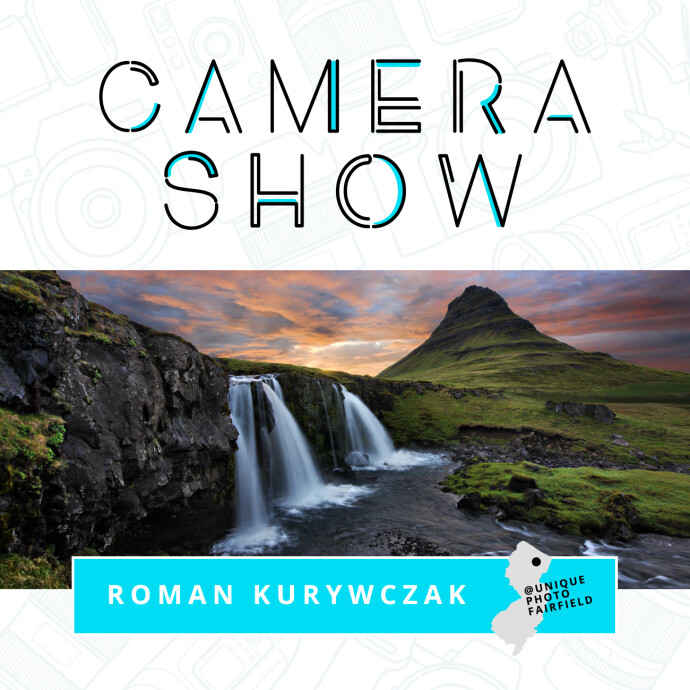
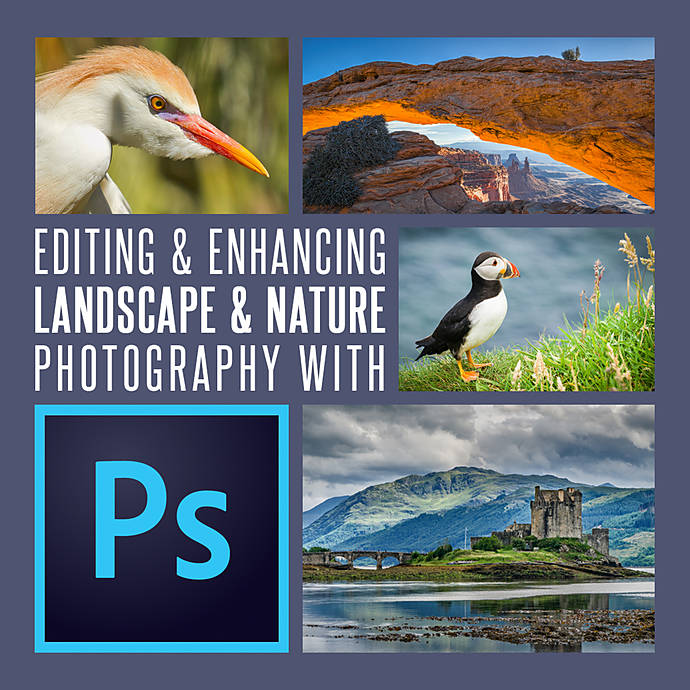
For example, photographers looking to sharpen their post-capture workflow may be interested in Editing and Enhancing Landscape and Nature Photography with Photoshop, while those wanting more creative inspiration can explore classes like Photographing the Introspective Landscape with Salvatore Vasapolli and CS: For the Love of Landscapes with Roman Kurywczak (Tamron).

Final thoughts on the best landscape photography accessories
The best landscape photography accessories are the ones that solve real field problems. A better backpack makes longer hikes realistic. A stronger tripod improves sharpness and confidence. The right filters give you more control over glare, reflections, and shutter speed. And thoughtful DIY additions can save money without sacrificing results.
At Unique Photo, landscape photographers can find both inspiration and education for every stage of the journey, from beginner-friendly learning resources to advanced classes focused on creative vision and night shooting. As you refine your kit, think less about buying every accessory and more about building a system that fits your locations, weather conditions, and shooting style.
For helpful internal linking opportunities, consider guiding readers to related Unique Photo pages such as landscape photography classes, filter and tripod buying guides, camera backpacks, and post-processing workshops. You can also link to educational listings like Macro and Landscape Photography at Duke Farms with Michael Downey, UUOnline: Photographing the Nighttime Landscape with Roman Kurywczak, and Editing and Enhancing Landscape and Nature Photography with Photoshop to keep readers exploring the next step in their landscape photography journey.