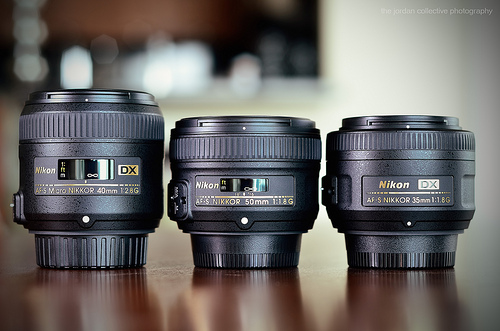
Macro photography, or close-up photography, is the art of capturing close-up images of small subjects, like insects and other small creatures. If the botanical classification is to be considered, then there are easily more than a million insect varieties known to us. An insect is an attractive choice for photography, since a close-up image gives you an entirely different view of these tiny creatures. Macro photography is done with the special lens, the ‘macro lens,’ which will allow you to focus well. There are many macro lenses available in Nikon.
Starting with Macro photography

The first rule is to use the best macro lens possible. Macro photography has special lenses, called the ‘macro lenses.’ This helps to deliver a close focus on the tiny subject. In Nikon’s range, these lenses are called Micro-NIKKOR lenses. The next tip, while trying macro photography, is always to carry a good tripod. Like other forms of photography, this one too is all about precision. This comes in handy when you are using a long shutter speed or telephoto lens. The ideal way of shooting a tiny subject is to use the cable release to trip the shutter. You can also lock up the mirror in your DSLR prior to tripping, as this further reduces the possibility of camera shake. In case you do not have a cable release, you can use the self-timer on your camera.
Subject focus and detail

Keeping the focus on the issue or the insect is imperative and portent in macro photography. You must make sure that you capture the detailing on the subject’s body. Insects have a fascinating body and head with a varied range of colors. You should try to obtain this through the macro lenses. The entire insect life can make for an interesting story through your camera. Try to capture the body parts separately, like covering just the head and the antenna in one shot, and then going ahead and capturing the other details, like the legs and the tiny torso in a different shot. You can also try and experiment with different ideas. In macro photography, ratio, composition, and background colors play a major role. If the subject is dark-colored, like many insects, you should make it a point to keep the background lighter and a little bit out of focus to make sure that the subject stands out and catches the viewers’ attention.
Macro photography tips

Another good macro photography tip is to use a shallow depth of field. You can change this with the aperture setting. Low f/stops, say, f/2.8, will give a shallow depth of field and will make it possible for the subject to be in focus. The positioning of the camera is also important, because you need to place it in such a way that the topic appears bright. Another macro photography tip is to photograph early in the morning or in the evening, as the insects are slower in their movements during this time. Also, the light is more flattering.
As in all types of photography, macro photography is all about patience and persistence. Having a good depth of field and focusing on your subject are two points to keep in mind for macro photography. These close-up images will be simple, and yet, give you the most dramatic and beautiful results.
Macro of a fly with Droplets of Dew

Photo Credits: John Cogan
Crab Spider Giving a macro Pose

Photo Credits: John Cogan