Tamron 28-200 vs Sony 24-240: Travel Zoom Showdown
For Sony full-frame mirrorless photographers who want one lens to cover everything from wide travel scenes to distant details, two of the most popular all-in-one options are the Tamron 28-200mm F/2.8-5.6 Di III RXD and the Sony FE 24-240mm f/3.5-6.3 OSS. Both are designed to reduce lens changes, lighten your bag, and make travel photography simpler—but they take slightly different approaches.
The Tamron prioritizes a brighter aperture, lighter carry weight, and a more modern compact feel. The Sony counters with a wider 24mm starting point, longer 240mm reach, and built-in Optical SteadyShot stabilization. If you shoot vacations, day trips, family outings, landscapes, street scenes, and occasional wildlife, this is exactly the kind of comparison worth making before you buy.
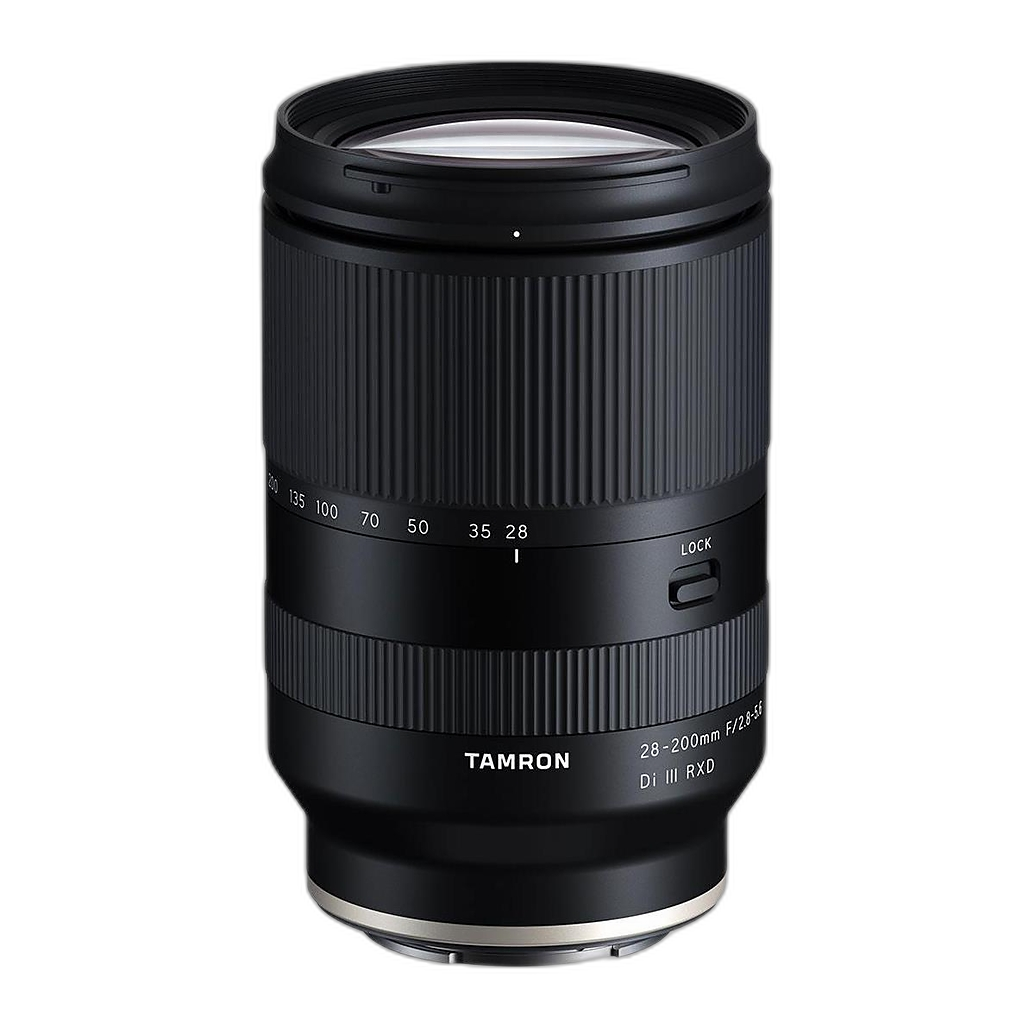
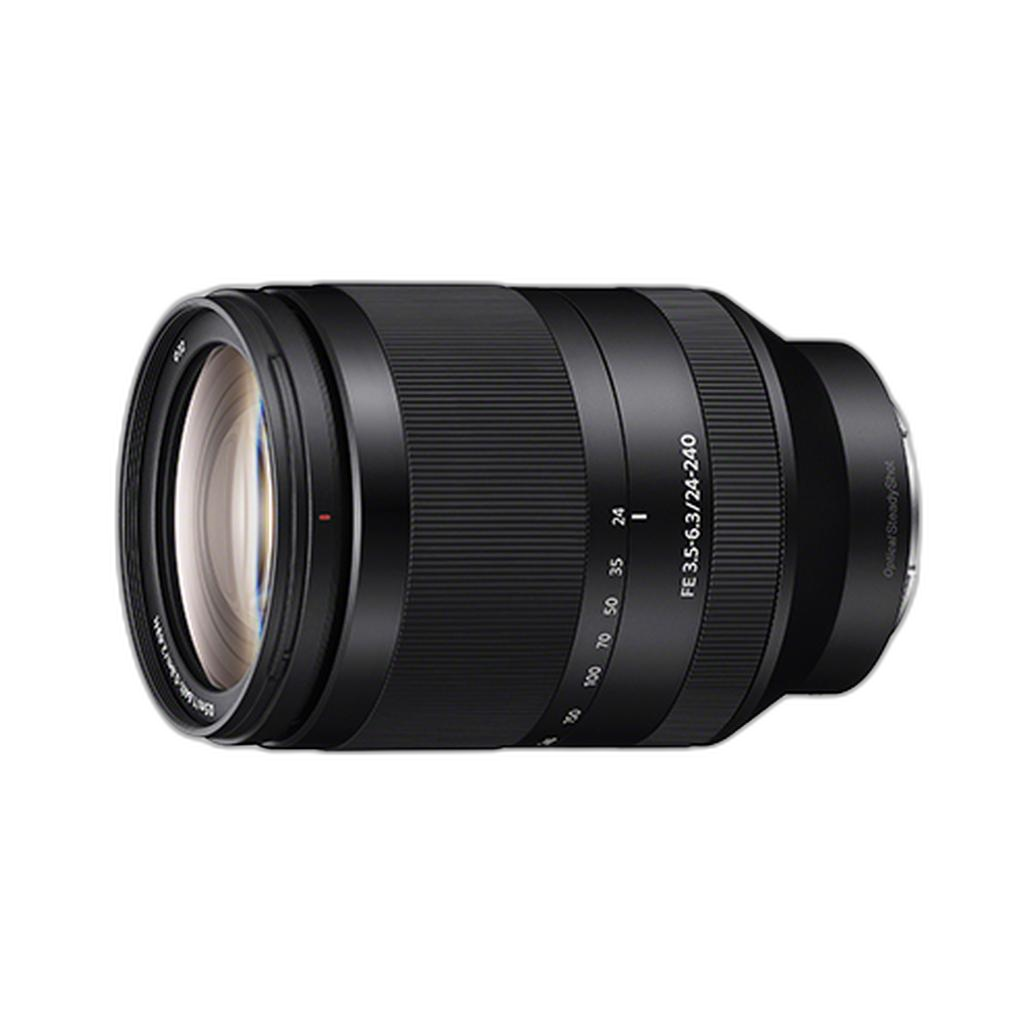
Specs at a Glance
| Specification | Tamron 28-200mm F/2.8-5.6 Di III RXD | Sony FE 24-240mm f/3.5-6.3 OSS |
|---|---|---|
| Mount | Sony FE | Sony FE |
| Format Coverage | Full-frame | Full-frame |
| Focal Length | 28-200mm | 24-240mm |
| Maximum Aperture | f/2.8-5.6 | f/3.5-6.3 |
| Image Stabilization | No lens-based stabilization | Yes, OSS |
| Zoom Ratio | Approx. 7.1x | 10x |
| Wide-End Advantage | Brighter aperture | Wider 24mm field of view |
| Telephoto Reach | 200mm | 240mm |
| Best Fit | Travelers wanting speed and lighter carry | Travelers wanting maximum versatility and stabilization |
Design and Portability
Tamron 28-200: Better for Packing Light
One of the biggest reasons the Tamron has become such a favorite is that it gives you a large zoom range without feeling like a giant superzoom. For travel photographers who walk all day, keep a camera on a strap, or want to fit a lens into a smaller shoulder bag, that matters a lot.
The Tamron simply feels more optimized for modern mirrorless portability. It is an especially appealing option for photographers who want an all-in-one lens but do not want their setup to feel front-heavy.
Sony 24-240: Bigger Range, Bigger Presence
The Sony offers more zoom on both ends, and that extra versatility comes with a larger overall footprint. It is still absolutely practical as a one-lens travel solution, but compared to the Tamron, it is more of a traditional superzoom in both size and feel.
If your priority is covering the broadest set of situations with one lens, the added bulk may be well worth it. But if portability is your top buying factor, the Tamron generally has the edge.
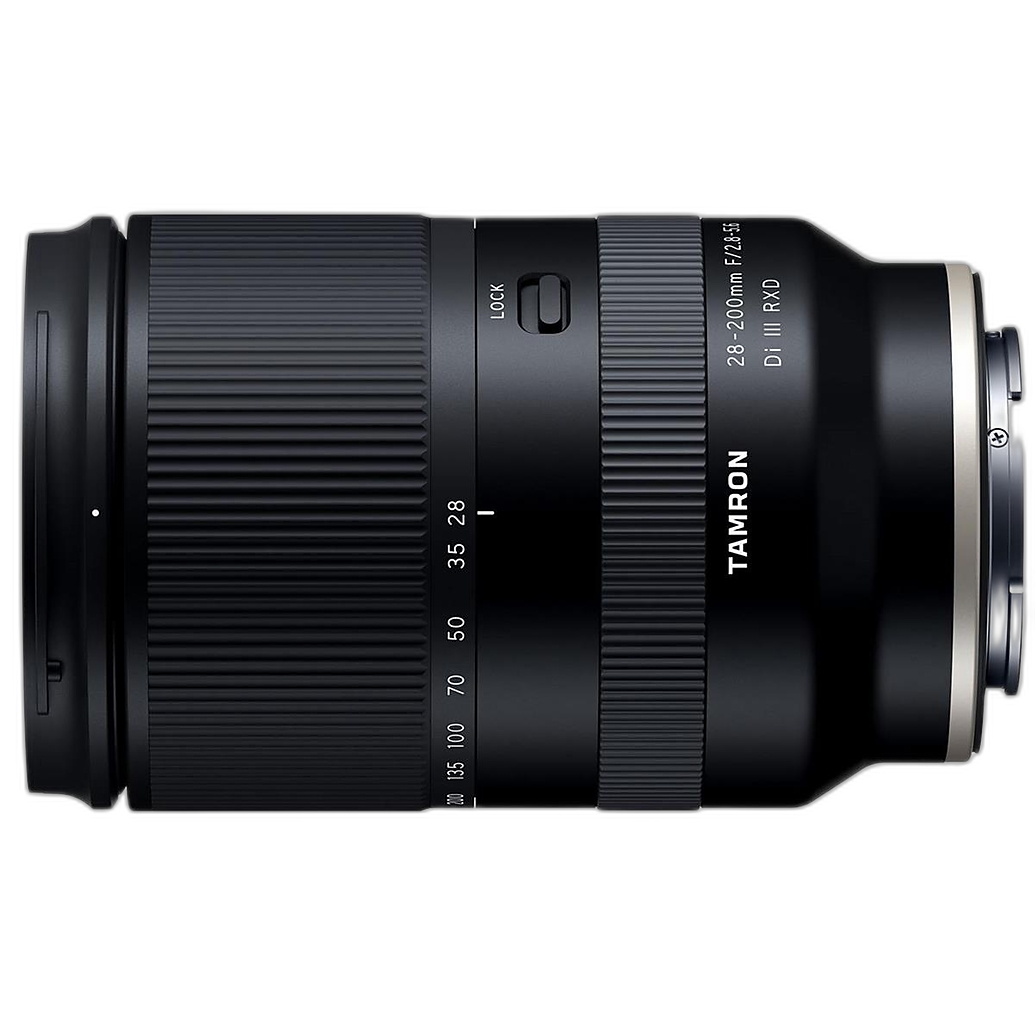
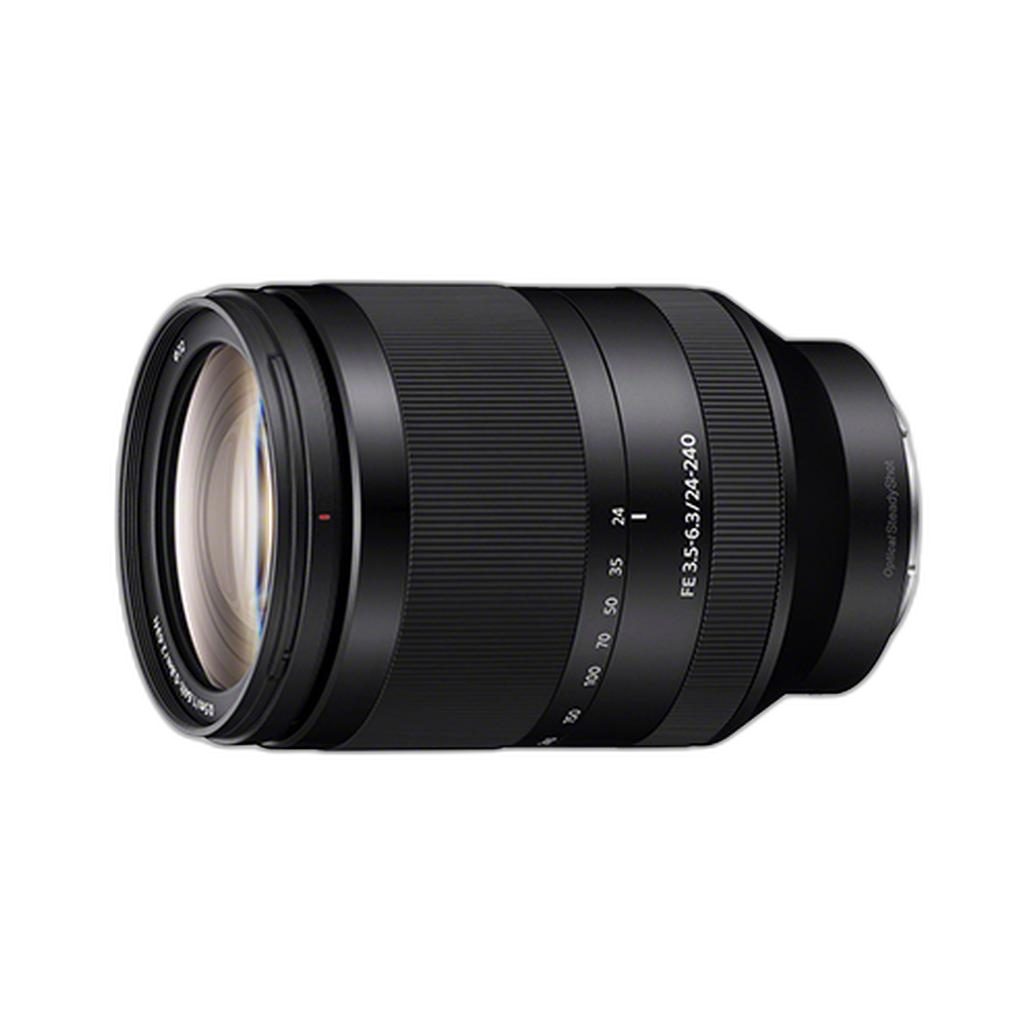
Focal Range and Real-World Flexibility
Sony Wins on Convenience
The Sony's 24-240mm range is the main reason many shooters choose it. Starting at 24mm gives you a noticeably wider view for architecture, interiors, city scenes, and landscapes. On the long end, 240mm gives you more framing flexibility for distant subjects like wildlife, sports from the sidelines, and compressed travel details.
That range can be incredibly useful when you cannot move your feet easily or when you want to stay with one lens all day and avoid compromises.
Tamron Is Still Extremely Versatile
Even though 28-200mm is not quite as expansive, it still covers a huge amount of photographic territory. For portraits, food, street, casual landscapes, and tighter travel details, the Tamron remains very flexible. Many photographers will find 200mm more than enough for the majority of their trips.
The tradeoff is simple: the Sony gives you more range, while the Tamron gives you more speed.
Maximum Aperture and Low-Light Use
Tamron Has the More Attractive Aperture Range
This is where the Tamron really separates itself. Its f/2.8-5.6 maximum aperture is notably faster than the Sony's f/3.5-6.3 range. At the wide end especially, f/2.8 can make a meaningful difference for indoor shooting, evening street photography, museums, restaurants, and softer subject isolation.
That brighter aperture can help you keep ISO lower or shutter speeds a bit more usable in dim conditions. It also makes the Tamron feel less like a compromise lens and more like a travel zoom that still delivers enthusiast-friendly performance.
Sony Trades Speed for Range
The Sony's slower aperture is the cost of its broader 24-240mm design. In bright daylight, this is less of an issue. But in lower light, the lens may push your camera toward higher ISO settings sooner, especially toward the telephoto end.
If you often travel in cities at dusk, shoot indoors, or want the strongest all-purpose image quality potential from a superzoom, the Tamron's aperture advantage is significant.
Stabilization
Sony Has Built-In OSS
The Sony FE 24-240mm includes Optical SteadyShot, which is a major plus for handheld photography and especially helpful at the long end. If you are using a Sony body without in-body image stabilization, this benefit becomes even more important.
For travel shooters working quickly, stabilization can help with static subjects in lower light and can make the lens easier to use at 240mm.
Tamron Relies More on the Camera Body
The Tamron does not include lens-based stabilization. On Sony bodies with in-body image stabilization, that may be less of a concern. On bodies without it, however, the Sony can offer a more forgiving handheld experience.
So while the Tamron wins on aperture, the Sony scores a meaningful point for stabilization.
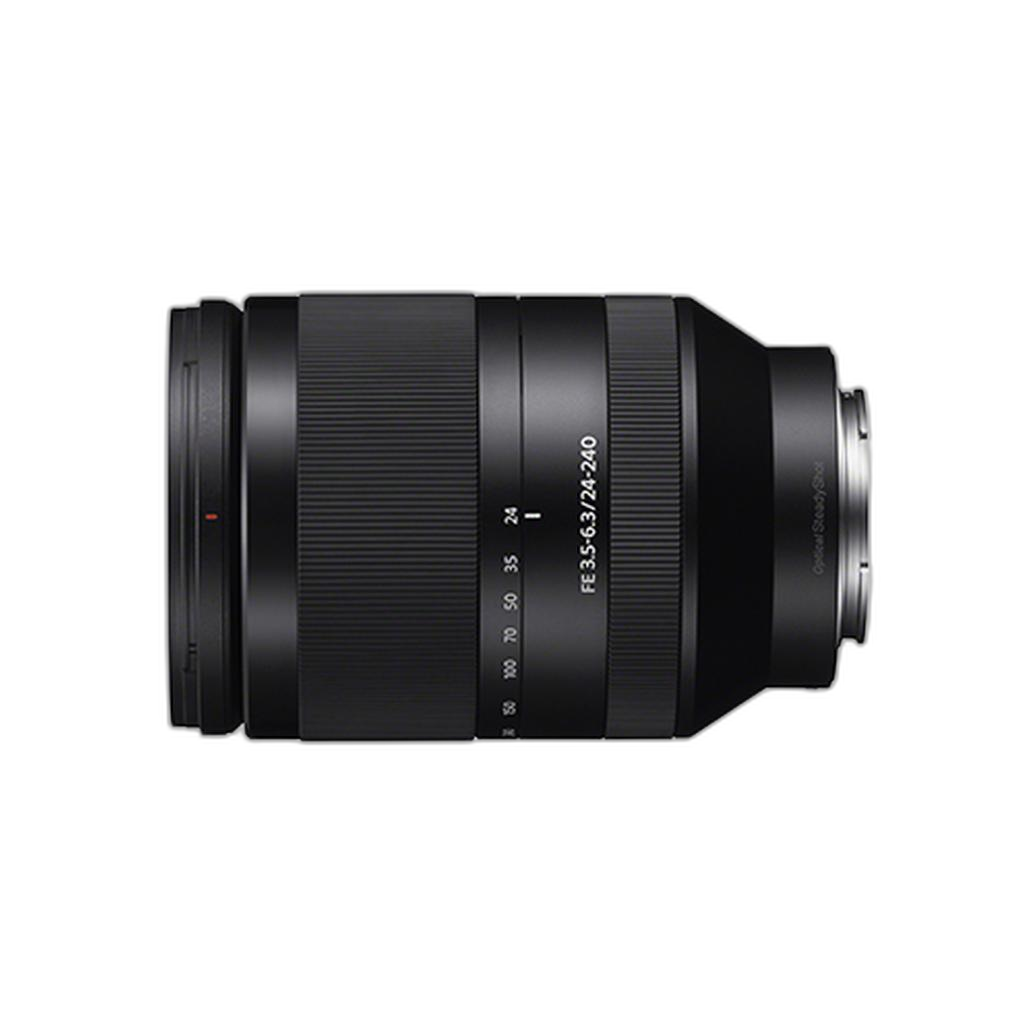
Image Quality Expectations
Tamron Often Appeals More to Image-Conscious Buyers
Among travel zoom shoppers, the Tamron is widely attractive because it feels like the more performance-oriented choice. A brighter aperture and a more restrained zoom range often translate into a lens that enthusiasts and serious travelers find easier to love in everyday use.
If you care about getting strong results without stepping up to multiple lenses, the Tamron is usually the more compelling option on paper.
Sony Prioritizes All-in-One Coverage
The Sony's main appeal is not necessarily that it is the most specialized performer—it is that it covers an enormous range in one lens. For many users, that convenience outweighs any tradeoffs. If the alternative is missing a shot because you do not have the right focal length, the Sony's flexibility becomes a real image-quality advantage in practical terms.
Who Each Lens Is Best For
Choose the Tamron 28-200 if You Want:
- A lighter-feeling travel setup
- A brighter aperture for low light and subject separation
- A more enthusiast-oriented all-in-one zoom
- A strong balance between convenience and performance
Choose the Sony 24-240 if You Want:
- The widest and longest range in one lens
- 24mm for landscapes, interiors, and city travel
- 240mm for more telephoto flexibility
- Built-in OSS stabilization
Our Pick
Our Pick: Tamron 28-200mm F/2.8-5.6 Di III RXD
For most Sony travel photographers, the Tamron is the more appealing overall buy. Its brighter aperture, more portable design, and strong everyday versatility make it the better fit for the way many people actually travel and shoot. It feels less like a compromise and more like a smart one-lens solution.
The Sony 24-240 is still a very good choice if your top priority is maximum focal range and built-in stabilization. But if you are deciding which lens is likely to satisfy more photographers in real-world use, the Tamron gets our nod.
Conclusion
Both of these lenses solve the same problem: how to travel with less gear while still being ready for almost anything. The Tamron 28-200mm stands out for speed, portability, and overall balance, while the Sony 24-240mm stands out for reach, width, and stabilization. Your best choice comes down to whether you value brighter optics or broader coverage more.
If you are shopping for a versatile Sony travel zoom, Unique Photo is a great place to compare both new and pre-owned options, so you can find the lens that best fits your style and budget.