Introduction: Building a Smart Beginner Kit Starts with the Right Essentials
For a new photographer, the phrase “essential kit” usually brings lenses to mind first: a flexible zoom, maybe a fast prime, and eventually something wider or longer as skills grow. But there is an important reality beginners often discover after buying their first lens: protecting that investment and shaping light creatively matters almost as much as the lens itself. That is why a practical beginner setup is not only about focal lengths—it is also about the accessories that help a lens stay useful, safe, and versatile in everyday shooting.
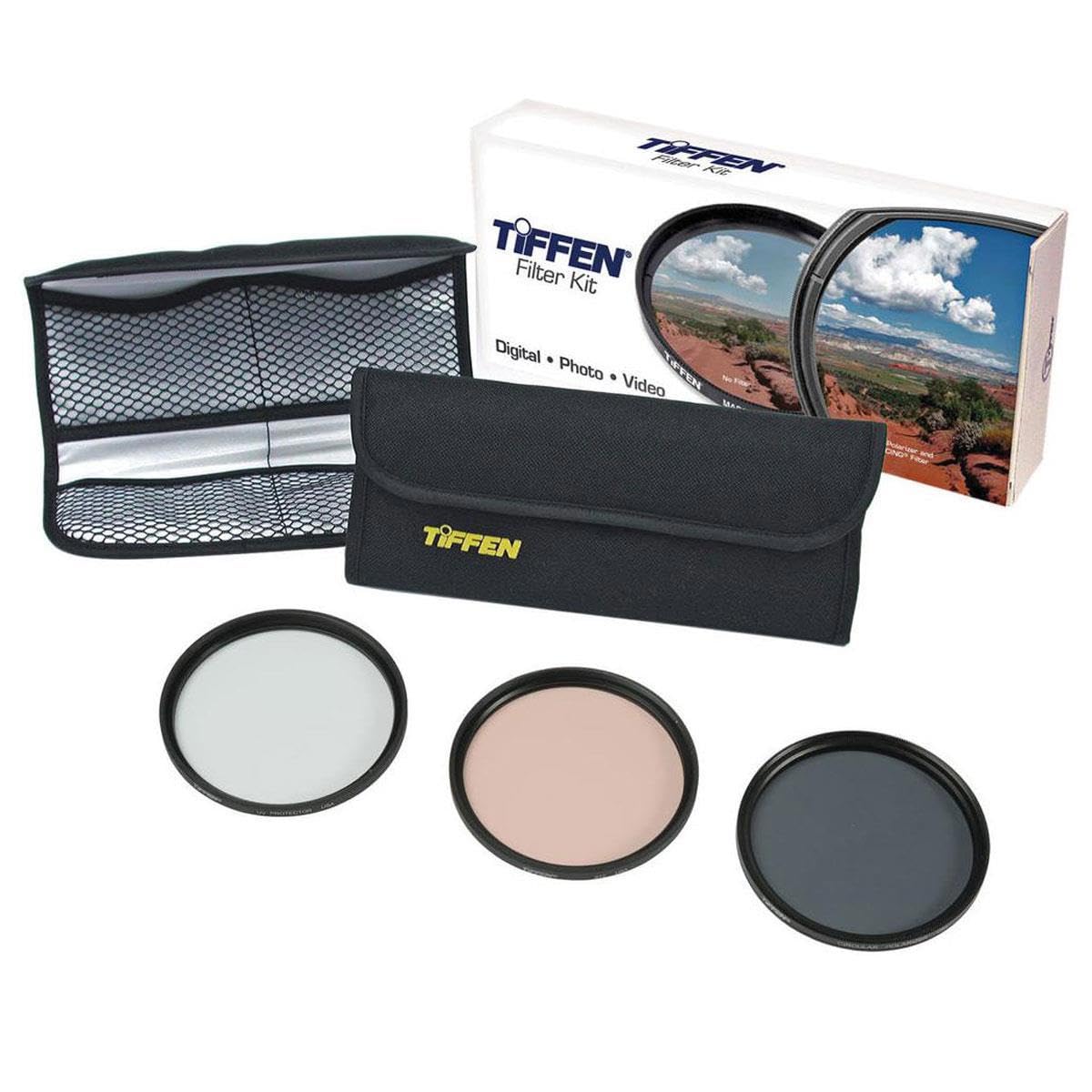
In that context, the Tiffen Photo Essentials Kit and Tiffen Digital Essentials Kit options stand out as some of the most approachable add-ons for new photographers. Rather than being lenses themselves, these kits complement beginner lenses by adding protective and creative filter tools in the most common thread sizes. For a first-time camera owner using a kit zoom, walkaround zoom, or entry-level portrait lens, these bundles can be a cost-effective way to get more out of that glass from day one.
For contrast, the Sigma T2/T1.5 FF 7 Lens Kits included here represent the opposite end of the spectrum: a highly specialized, professional cinema lens solution that shows just how far “lens kits” can go. They are extraordinary products, but not what most beginners need. That comparison makes the Tiffen kits even easier to position: they are sensible, affordable essentials for photographers still learning what they like to shoot.
Product Positioning: What Makes Sense for a New Photographer?
If you are just starting out, the best gear is the gear that helps you shoot more often and with more confidence. That means avoiding overcomplicated purchases and focusing on tools that improve everyday usability. The Tiffen essentials kits fit that role well because they are built around common filter needs: lens protection, light control, and basic image enhancement.
The available sizes—72mm, 77mm, and 82mm—are especially relevant for photographers using enthusiast zoom lenses and many modern full-frame or APS-C lenses. If your lens uses one of these thread sizes, a kit like this can be more practical than buying individual filters separately.
Meanwhile, the Sigma cine lens kits are elite filmmaking tools designed for productions that need consistent optical character, geared housings, fast apertures, and a matched set across multiple focal lengths. These are impressive systems, but for beginners they are aspirational rather than practical. Most new photographers should start much simpler.
Tiffen Essentials Kits Review
Tiffen Photo Essentials Kit: A Straightforward Match for Beginner Photography
The Tiffen Photo Essentials Kit, available here in 72mm, 77mm, and 82mm sizes, is the most beginner-friendly option in this group. It is positioned for general still photography and offers an easy entry point into filter use without overwhelming a new shooter. For someone learning landscapes, portraits, travel, and everyday outdoor photography, this kind of bundle makes a lot of sense.
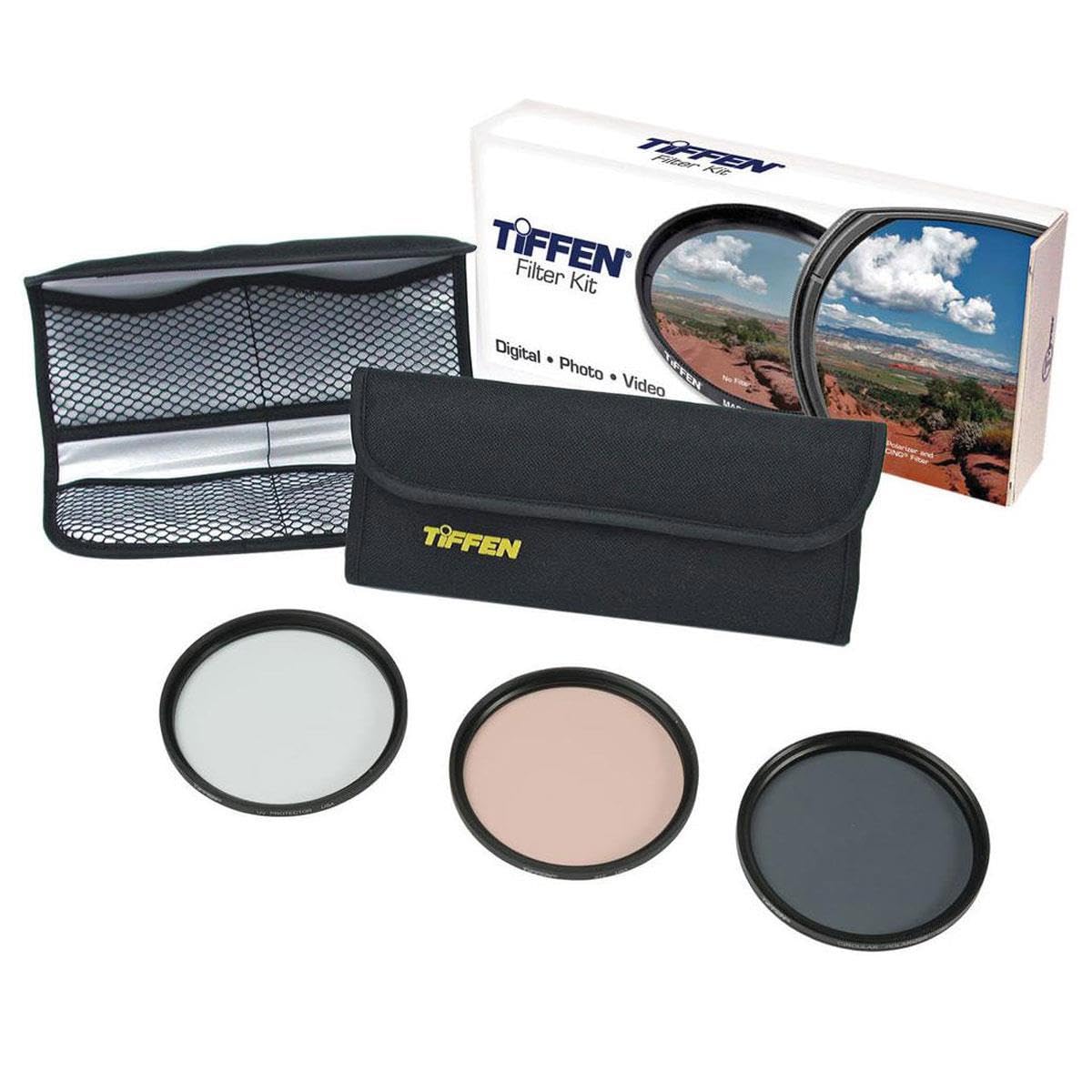
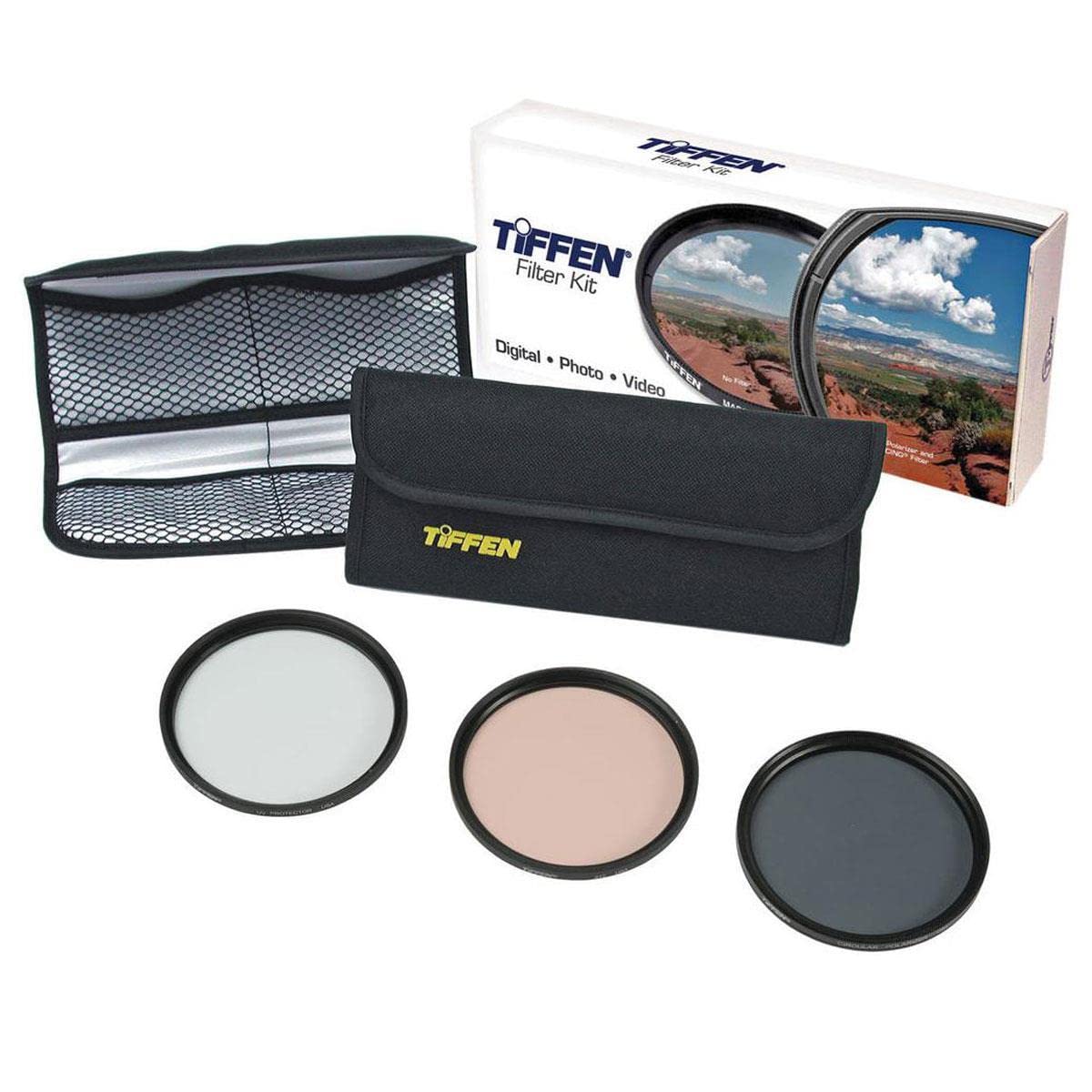
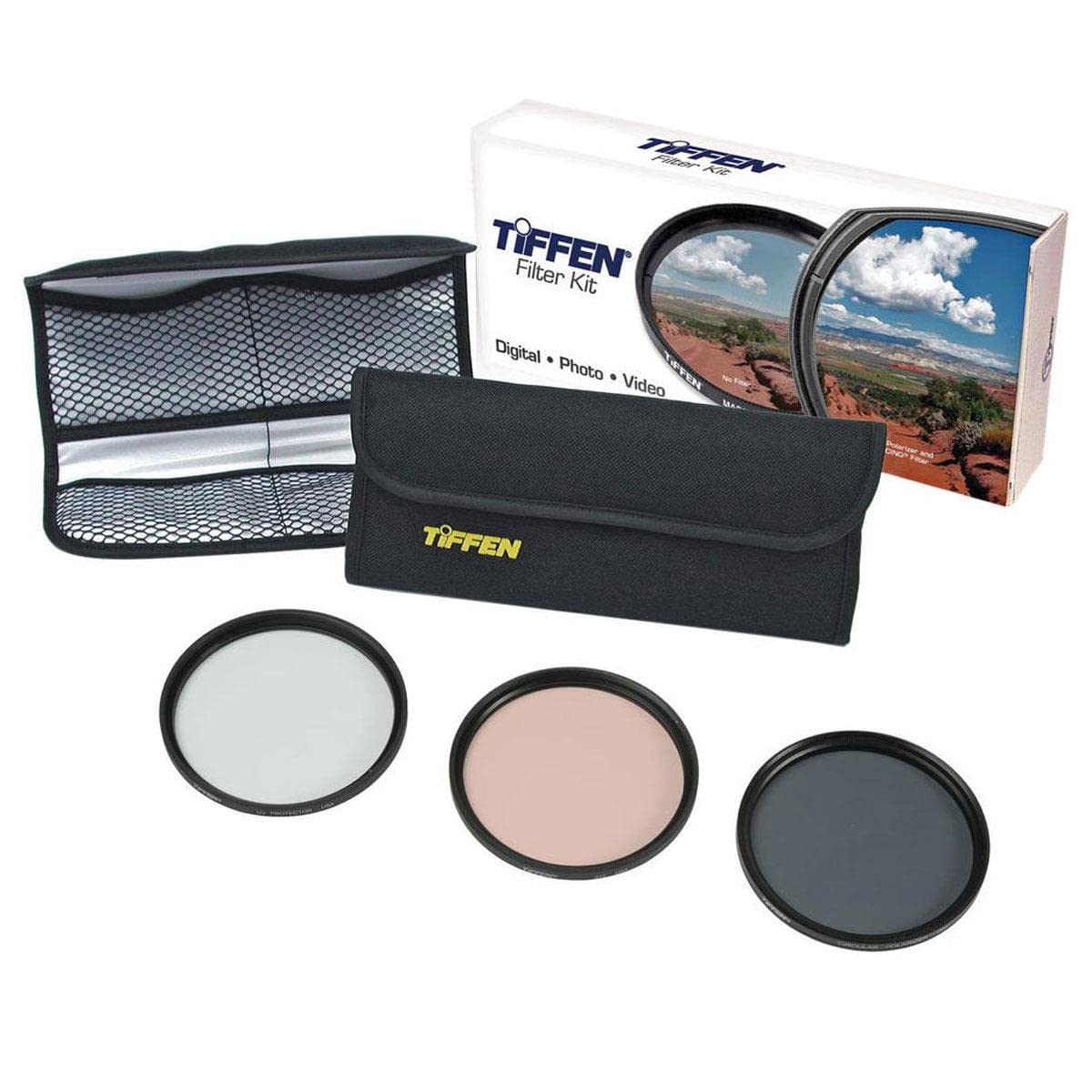
The strongest appeal here is accessibility. New photographers often do not yet know which filters they will use most, so a bundled kit lowers the barrier to experimentation. Instead of committing to one expensive specialty filter, they can learn what each type does in real shooting situations.
Tiffen Digital Essentials Kit: A Good Fit for Modern Digital Workflow
The Tiffen Digital Essentials Kit, also offered in 72mm, 77mm, and 82mm versions, feels slightly more tuned to the needs of today’s digital shooter. If you are using a mirrorless camera or DSLR and primarily sharing, editing, and printing digital images, this kit is easy to recommend as a practical extension of your lens setup.
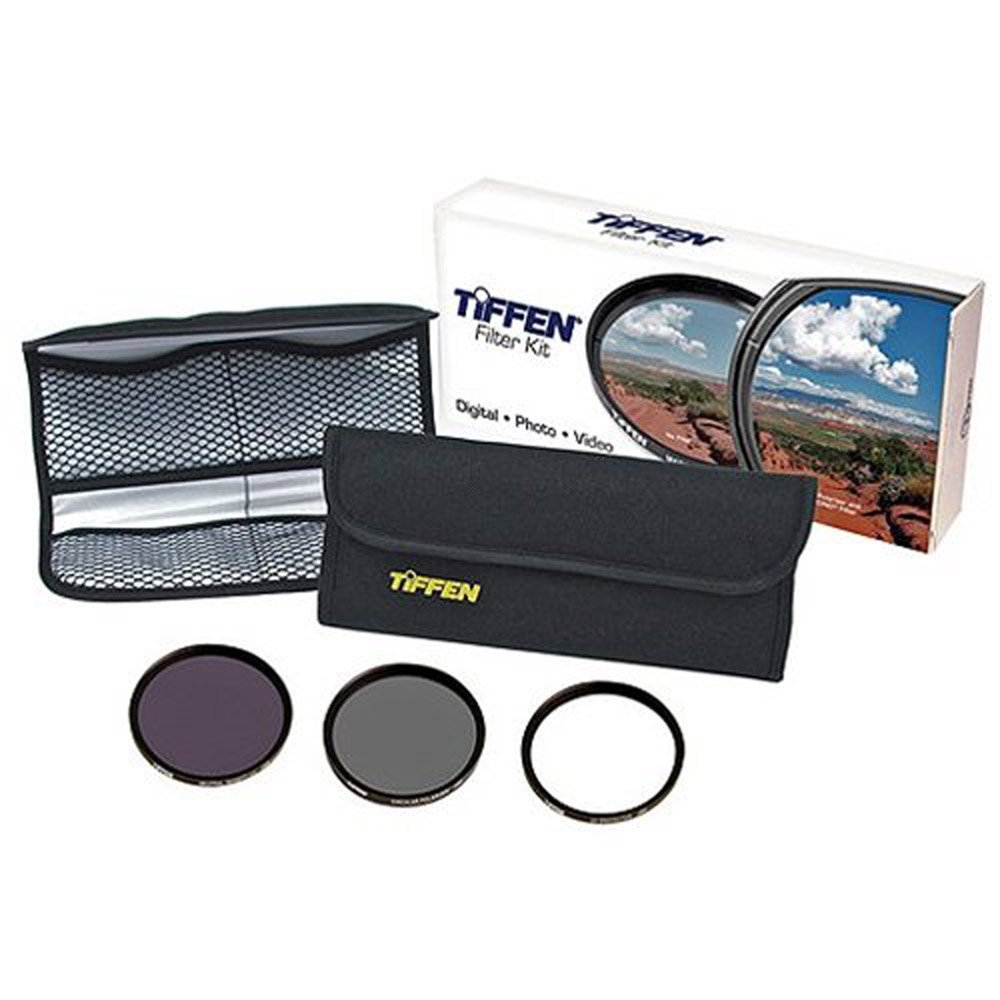
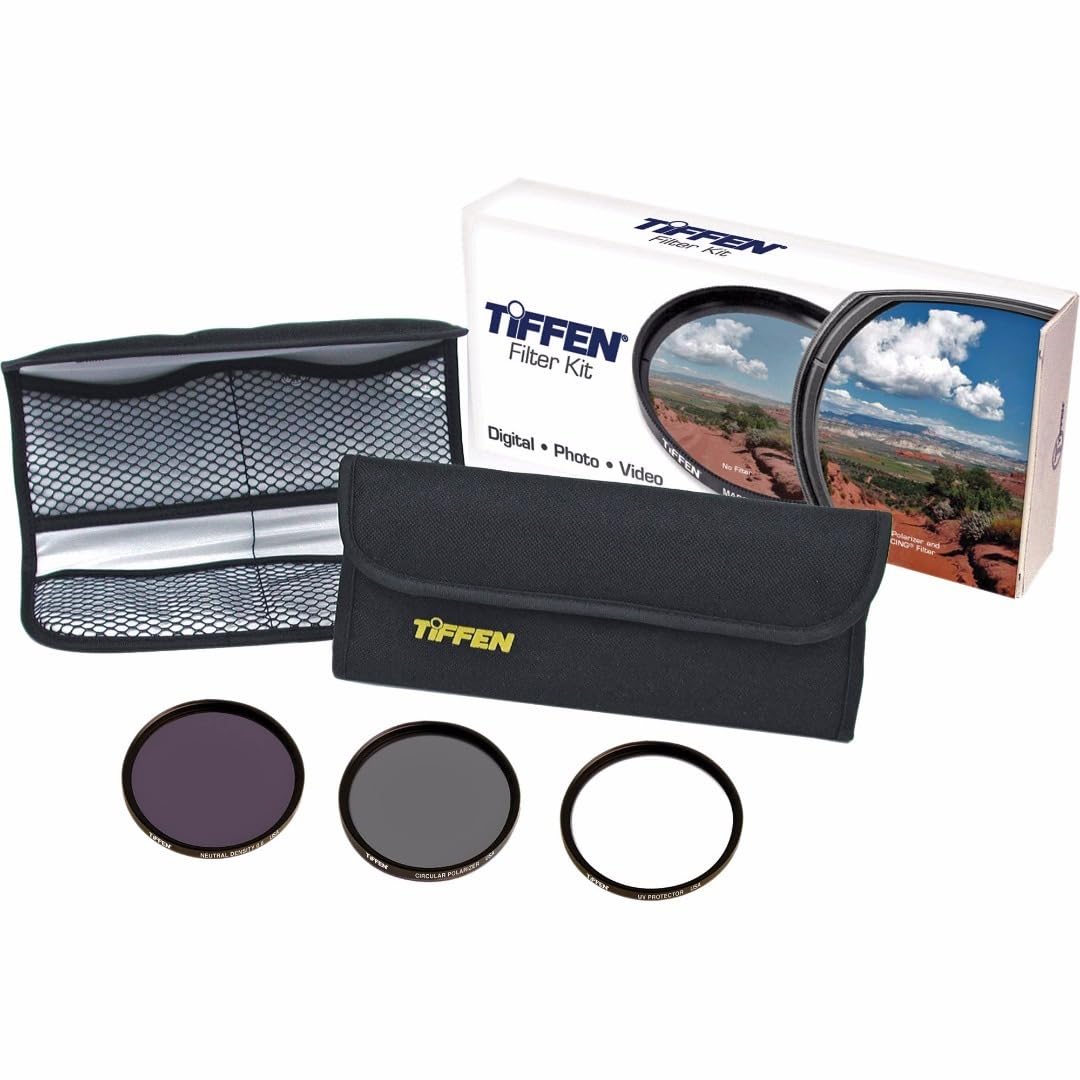
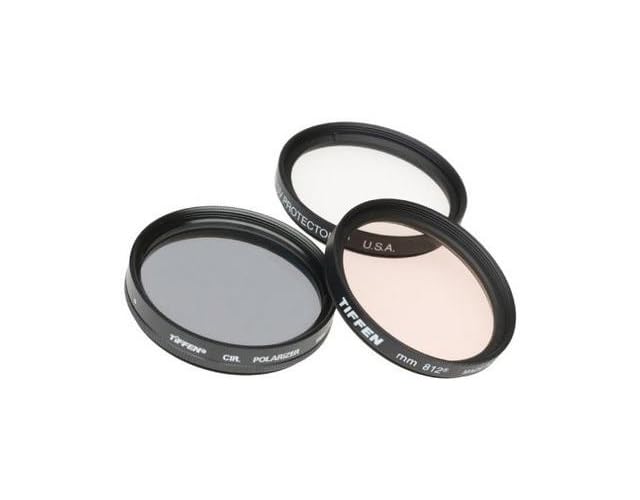
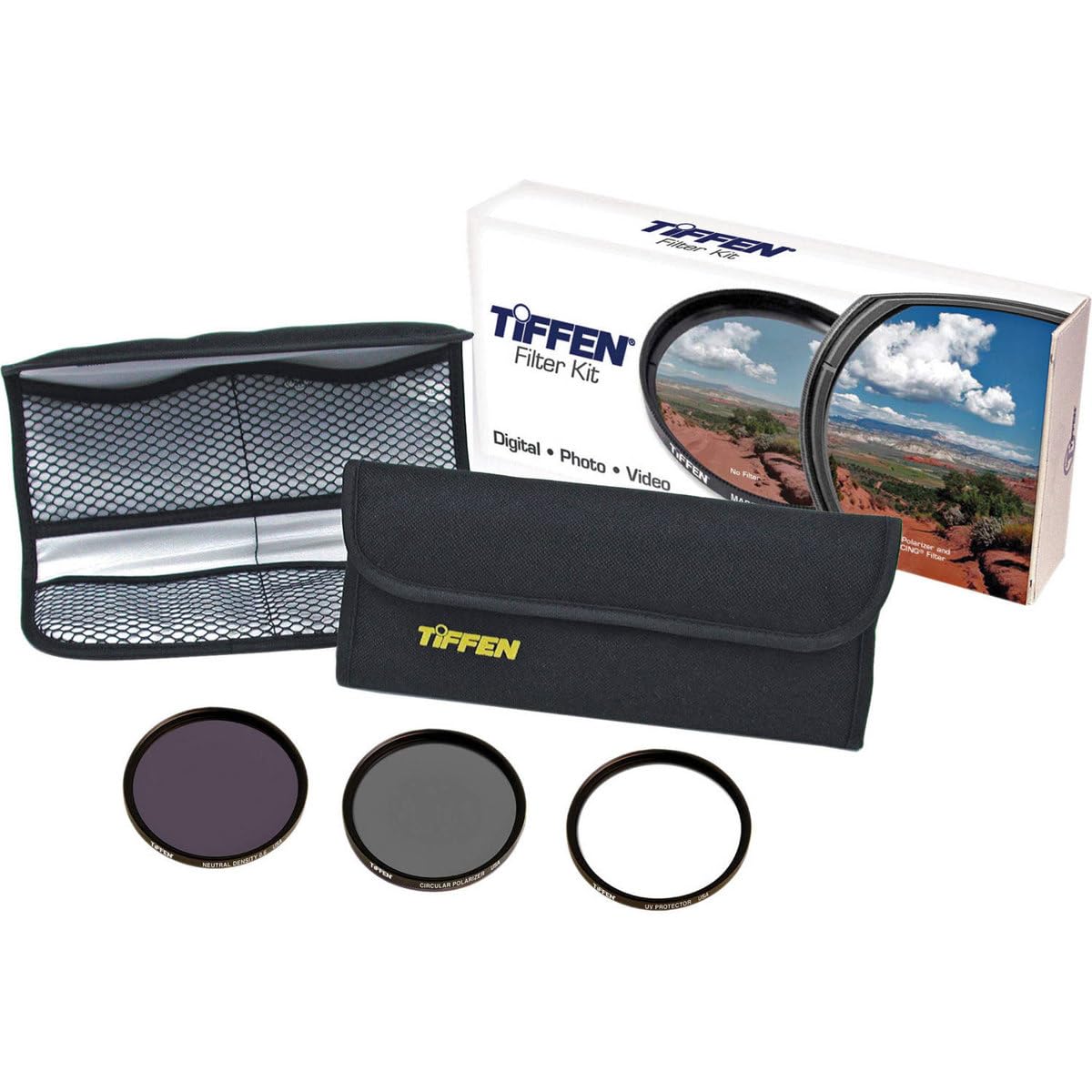
For a beginner, one of the biggest advantages of a digital-oriented kit is that it supports the real-world shooting most people do first: daylight images, vacations, outdoor portraits, city scenes, and nature. It is less about niche techniques and more about helping a basic lens handle varied conditions more effectively.
Key Features That Matter for Beginners
1. Common Filter Sizes for Popular Lenses
The 72mm, 77mm, and 82mm options are important because they cover many enthusiast-grade lenses. A beginner who has moved beyond the smallest kit lens may already own a lens in one of these sizes. That makes these kits especially useful for photographers upgrading to better standard zooms, telephoto zooms, or wide-angle lenses.
2. Better Lens Protection
One of the easiest beginner mistakes is underestimating how vulnerable a lens front element can be. Dust, fingerprints, spray, and accidental contact happen quickly. A filter kit can help protect the front of the lens while also introducing useful creative control. For a new photographer nervous about damaging gear, that extra layer of reassurance has real value.
3. Learning Through Hands-On Experimentation
Filter kits are educational. They help a new shooter understand how light behaves before the image even reaches the sensor. That is an important step in developing photographic instinct. Beginners who start using filters early often become more intentional about exposure, reflections, contrast, and atmosphere.
4. More Value Than Buying Piece by Piece
Budget matters for first-time buyers. Spending heavily on multiple lenses right away is often unnecessary. A smarter approach is to buy one good everyday lens and pair it with accessories that expand its usefulness. That is exactly where these Tiffen kits offer strong value.
What About the Sigma 7-Lens Cine Kits?
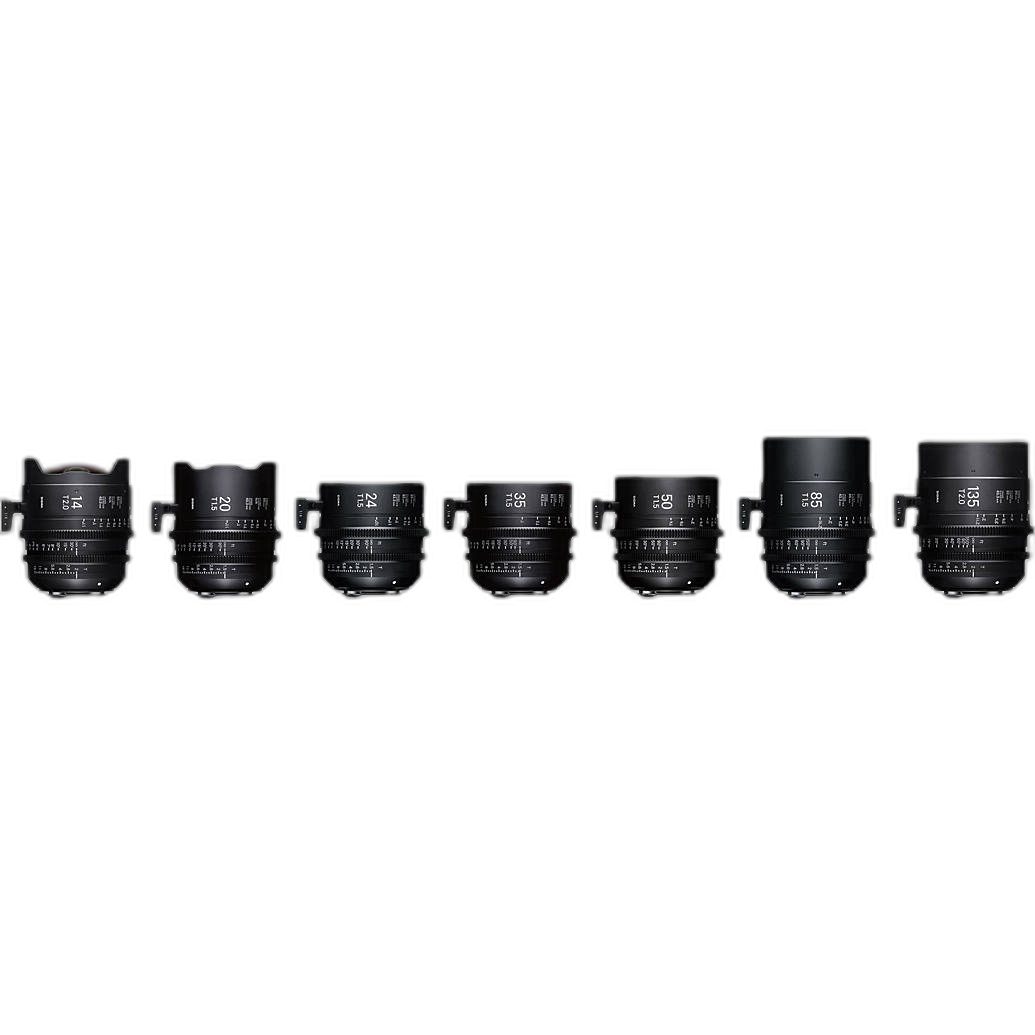
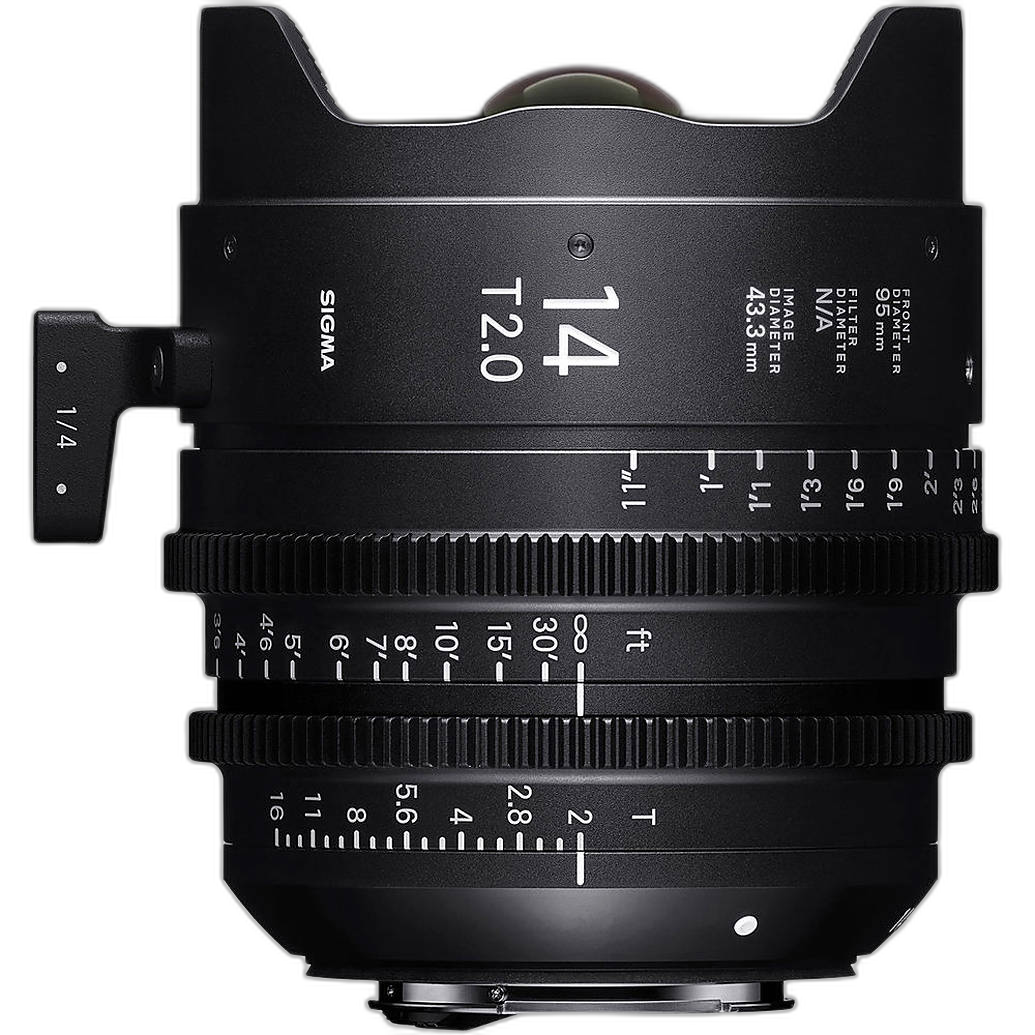
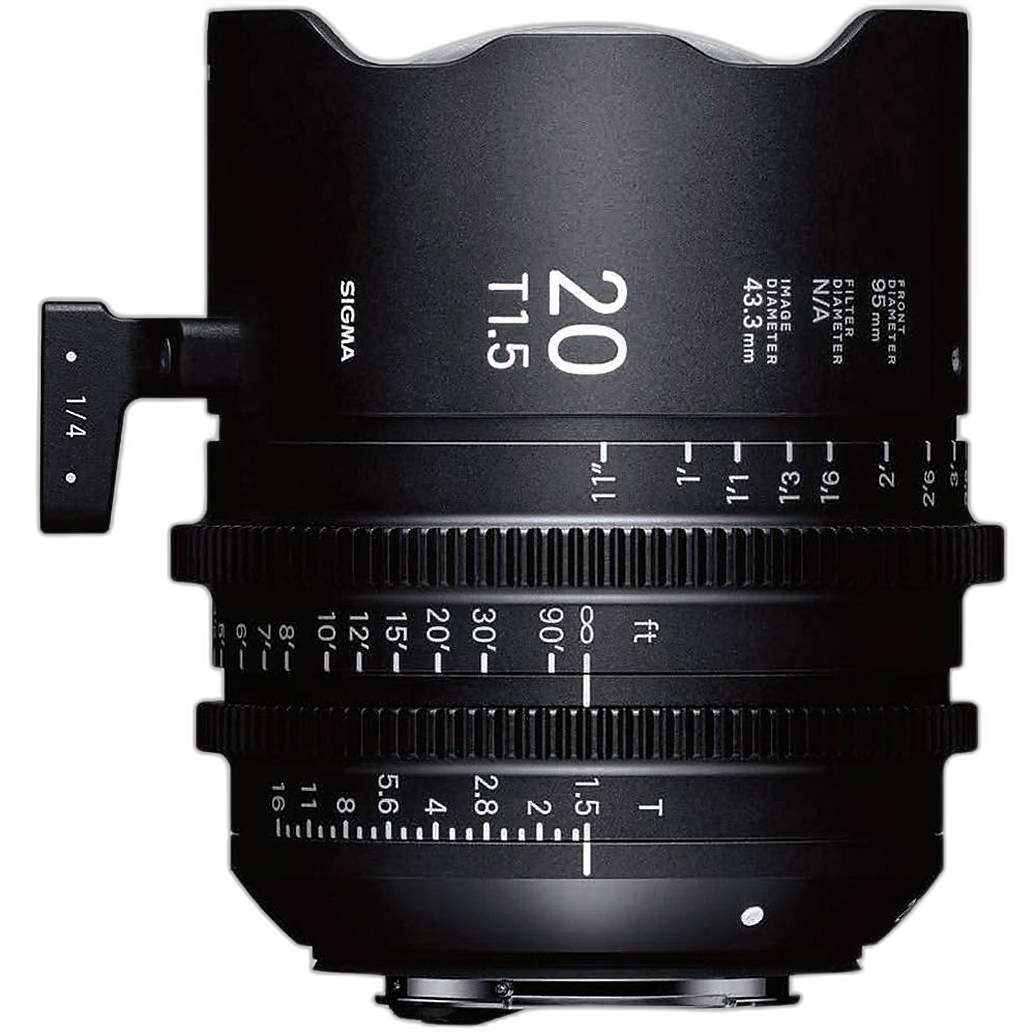
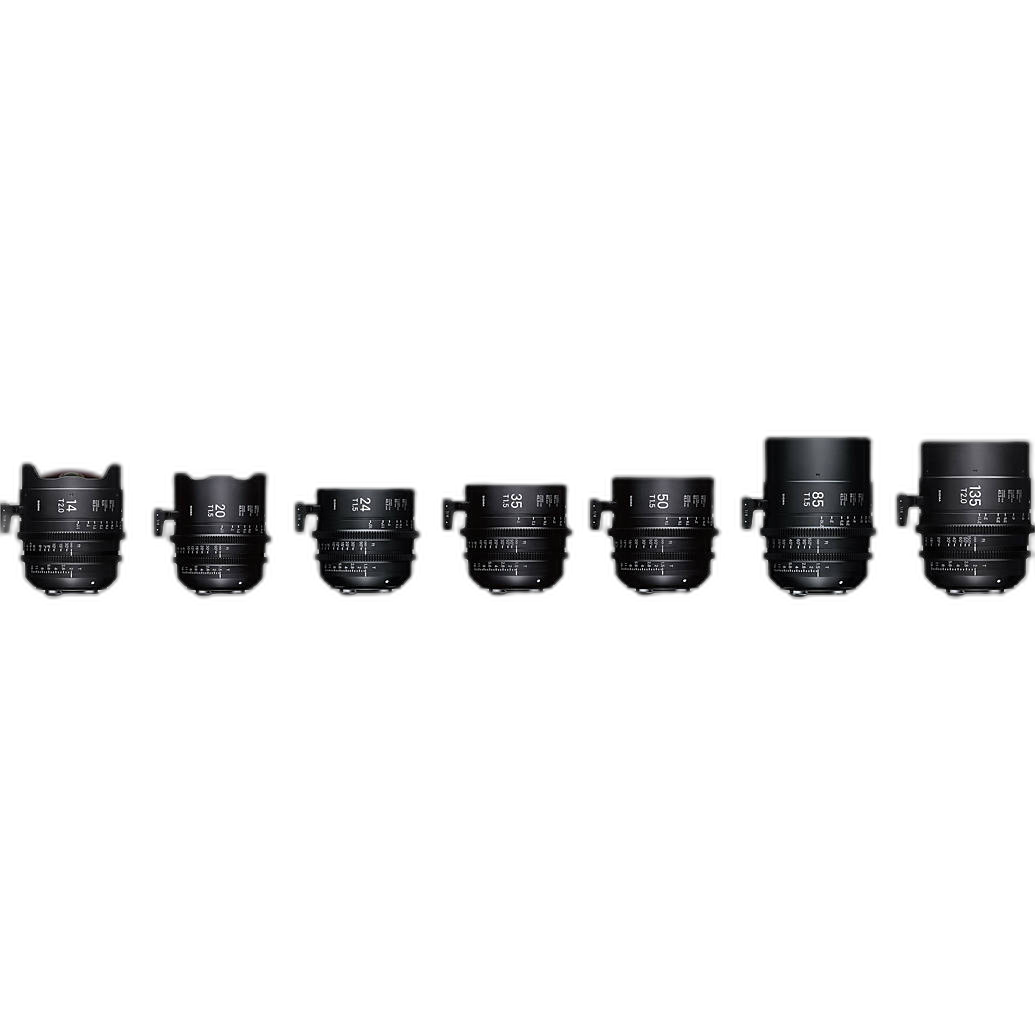
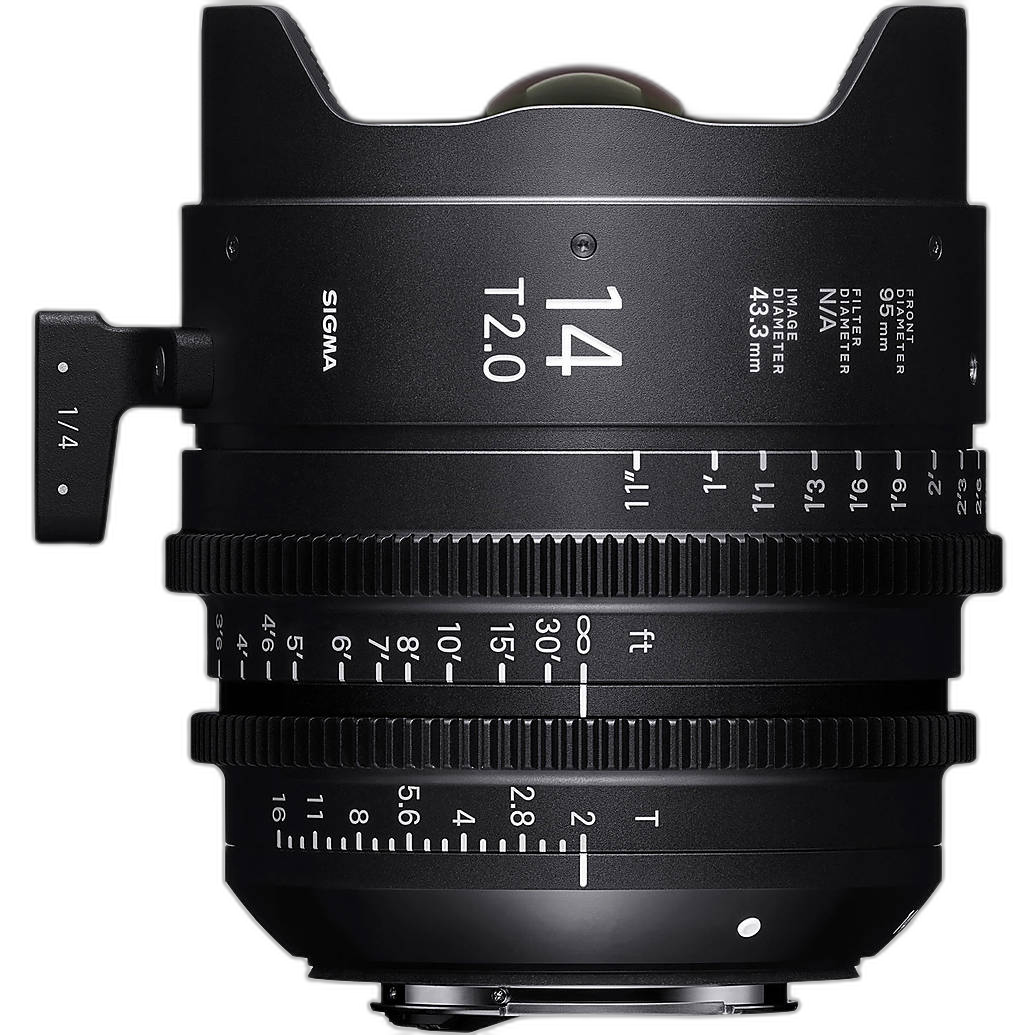
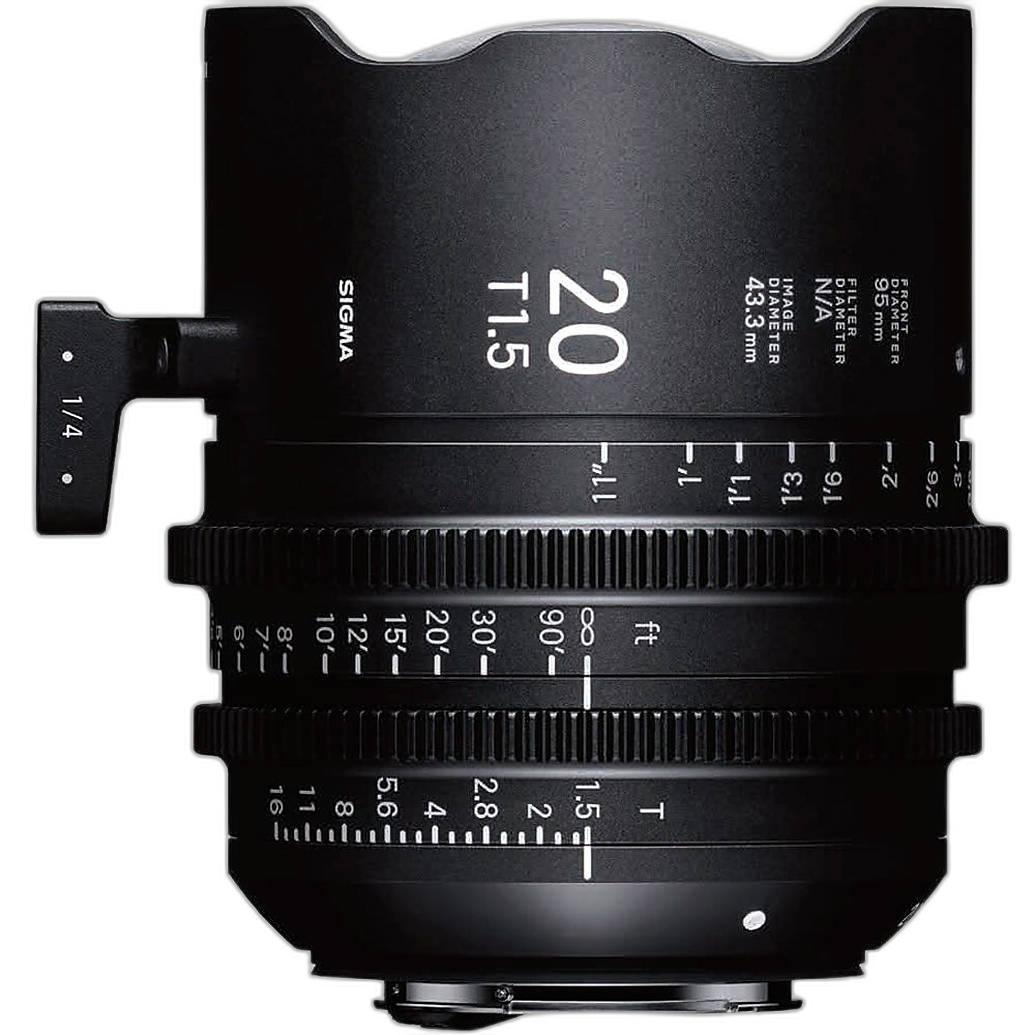
The Sigma T2/T1.5 FF 7 Lens Kit with Case (Canon EF) and the Sigma T2/T1.5 FF 7 Fully Luminous Lens Kit with Case (Canon EF, Metric) are phenomenal professional products, but they are not realistic beginner recommendations for still photographers asking what belongs in an essential starter kit.
These lens sets are built for cinema production. Their strengths include a matched full-frame lineup, fast apertures, professional mechanics, and consistency across focal lengths. For filmmakers working on narrative, commercial, or high-end production work, that kind of kit is a dream setup. For a new photographer, though, it is far beyond what is necessary in both complexity and intended use.
In a way, these Sigma kits serve as a helpful benchmark. They highlight the difference between professional specialization and beginner essentials. Most new photographers are better served by learning composition, exposure, and lens behavior with a modest lens setup plus practical accessories like the Tiffen kits.
Pros and Cons
Tiffen Photo Essentials Kit / Digital Essentials Kit
- Pros: beginner-friendly, practical add-on for common lenses, useful for learning filter techniques, available in popular sizes, good value compared with buying individually, helps protect lens investment.
- Cons: not a substitute for owning additional lenses, usefulness depends on matching your lens thread size, some beginners may not immediately use every filter equally.
Sigma T2/T1.5 FF 7 Lens Kits
- Pros: exceptional professional cine solution, matched full-frame set, fast apertures, production-ready presentation with case, ideal for serious filmmaking environments.
- Cons: far too specialized for most beginners, overkill for entry-level still photography, not the practical answer for a starter “essential kit.”
Who Should Buy What?
If you are a brand-new photographer, the right path is usually simple:
- Start with one versatile lens you can use often.
- Add a practical filter kit that fits that lens.
- Learn what you actually enjoy shooting before investing in more glass.
That is why the Tiffen essentials kits make the strongest case here. They are the type of accessory purchase that supports growth without demanding a huge budget. They are also easy to understand and easy to use, which matters when you are still building confidence.
By contrast, the Sigma cine kits are best reserved for advanced users, film students with very specific goals, rental houses, or production teams who already know exactly why they need a matched seven-lens cinema set.
Verdict
For the topic of “Lenses for Beginners: What’s the Essential Kit for a New Photographer?” the smartest answer among these products is not the most expensive lens package—it is the most practical companion to the lens a beginner already owns. The Tiffen Photo Essentials Kit and Tiffen Digital Essentials Kit are the standout recommendations because they help new photographers protect their lenses, explore creative control, and stretch the usefulness of a basic setup without overspending.
If you are just getting started, choose the kit that matches your lens filter thread size—72mm, 77mm, or 82mm—and treat it as part of your first real camera bag. It is a sensible upgrade that supports learning rather than distracting from it.
For photographers and filmmakers ready to shop, Unique Photo is the place to buy these Tiffen essentials kits as well as advanced options like Sigma’s professional cine lens sets.