LED vs Tungsten Lighting for Small Studio Videography
Setting up a small studio for video means every watt, degree of heat, and inch of space matters. Two classic paths emerge: modern LED fixtures and traditional tungsten (quartz‑halogen) lights. Below, we compare them head‑to‑head for small studio videography, focusing on color quality, control, power, heat, noise, and overall workflow so you can choose the right foundation for your space.
Quick Specs Comparison
| Attribute | LED (bi‑color/RGBWW) | Tungsten (quartz‑halogen) |
|---|---|---|
| Color Temperature (CCT) | Variable (often 2700–6500K; RGBWW adds deeper control) | Fixed ~3200K (tungsten balance) |
| Color Rendering | CRI/TLCI typically 95–98 on quality models | Excellent, near CRI 100, smooth spectrum |
| Efficiency (Output per Watt) | High; strong output at low power draw | Low; high power draw for comparable output |
| Dimming | 0–100% onboard; minimal color shift on quality units | 0–100% via dimmer; warms noticeably when dimmed |
| Power Options | AC or battery (V‑mount/NP‑F, etc.) | Primarily AC mains only |
| Heat at Source | Low front heat; safer in tight rooms | Very hot; can raise room temp quickly |
| Noise | Some have fans (usually quiet/passive on smaller heads) | Silent (no fans), but radiates significant heat |
| Flicker | Modern units are high‑speed safe; check spec | Effectively flicker‑free due to filament inertia |
| Color Shift When Dimmed | Stable on quality constant‑current designs | Shifts warmer as intensity decreases |
| Built‑in Effects | Common (RGB effects, gels, practical simulations) | None; gels/dimmers required |
| Footprint/Weight | Compact heads common (e.g., 60–150W class) | Bulkier/heavier for equivalent output |
| Ownership Costs | Higher upfront; low energy, no lamp changes | Lower upfront (esp. used); higher energy and lamp costs |
| Safety | Cooler operation; lower burn risk | Hot surfaces; more caution with fabrics/gels |
Category‑by‑Category Analysis
Color Quality and Skin Tones
Tungsten remains a gold standard for smooth, continuous spectra and beautiful skin reproduction at 3200K. High‑end LEDs have largely closed the gap, offering CRI/TLCI in the mid‑ to high‑90s plus tint controls on RGBWW units to fine‑tune green/magenta. For a small studio where you might mix with daylight or practicals, LED’s variable CCT is a major advantage over tungsten’s fixed 3200K.
Output and Control in Tight Spaces
LEDs deliver more output per watt, meaning you can achieve key and fill levels with less power and heat. Small LED monolights (60–150W) punch well above their size and are easy to shape with softboxes, grids, and reflectors. Tungsten fixtures can still cut through modifiers beautifully, but they often require larger heads and more distance for comfort and safety.
Heat and Comfort in Small Rooms
Heat is the tungsten deal‑breaker in small studios. Quartz‑halogen bulbs run very hot and can raise ambient temperature quickly, affecting talent comfort and makeup. LEDs remain cool to the touch up front and are safer around flags, gels, and fabric modifiers.
Power and Portability
LEDs sip power and frequently support battery operation, which is handy for flexible studio layouts and power‑limited spaces. Tungsten typically needs dedicated AC circuits and can trip breakers when adding multiple heads or other gear.
Dimming, Effects, and Consistency
LEDs dim from 0–100% with minimal shift on quality fixtures and provide built‑in lighting effects—candle, TV, police, and virtual gels—that speed creative setups. Tungsten’s dimming is smooth but shifts warm as you lower output, requiring gels or color correction in post to maintain consistency.
Flicker and High‑Speed Imaging
Modern constant‑current LED fixtures from reputable brands are designed to be flicker‑free at typical frame rates and often well beyond; always verify per model if you shoot high speed. Tungsten is effectively flicker‑free because the filament’s thermal inertia smooths AC cycles.
Noise and On‑Camera Audio
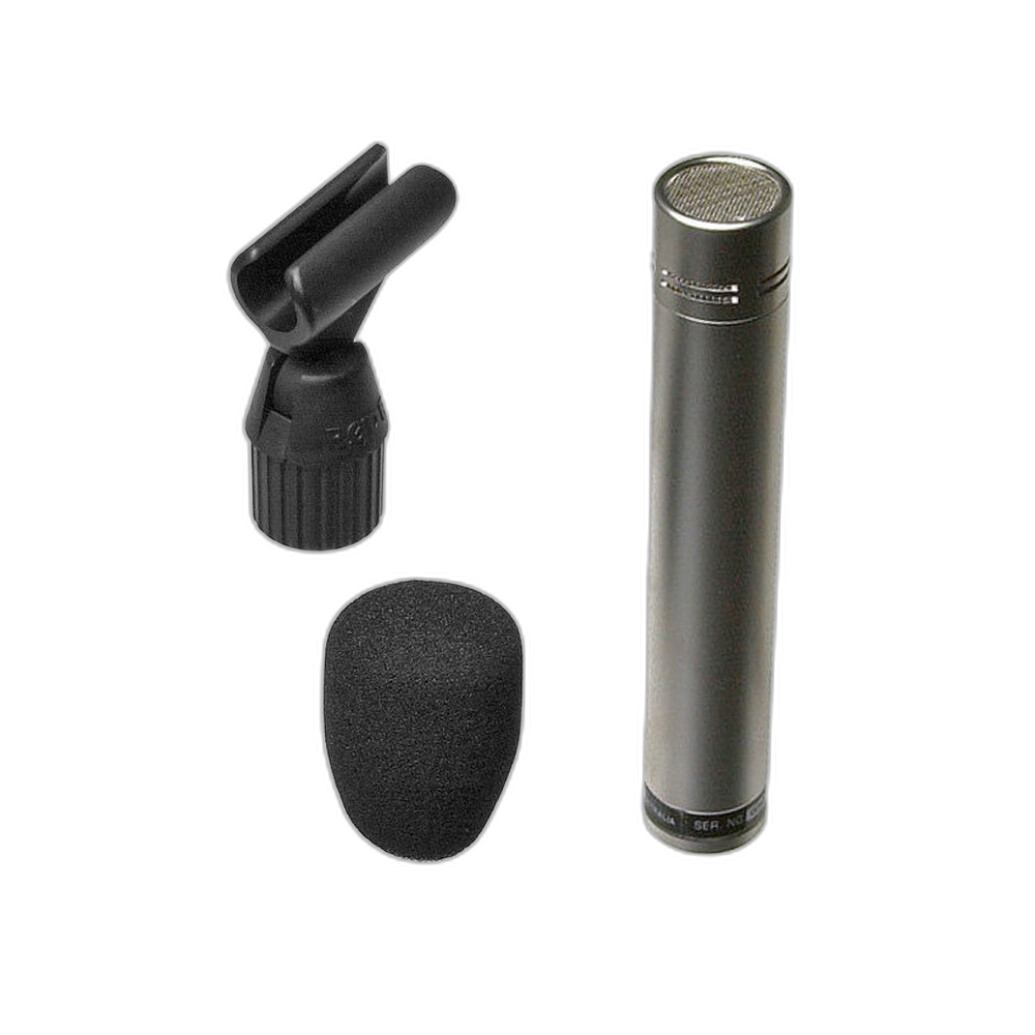
Tungsten is silent but hot; LEDs may have active cooling. In small rooms, a quiet LED with a well‑tuned fan curve is usually unobtrusive, but verify noise specs if your mic is close to the fixture. For interview and VO work, passively cooled or ultra‑quiet LED heads pair best with sensitive microphones.
Modifiers, Beam Control, and Look
Both ecosystems offer excellent shaping options. LED monolights commonly use Bowens mounts (softboxes, lanterns, grids), while many tungsten fixtures are Fresnels with precise beam control and traditional barn doors. If you love the classic Fresnel look, there are modern LED Fresnels that deliver a similar aesthetic with far less heat and power draw.
Cost of Ownership
Upfront, tungsten can be inexpensive (especially on the used market), but ongoing costs—electricity, air‑conditioning load, and lamp replacements—add up quickly. LEDs cost more initially but pay off through efficiency, flexibility, and long service life.
Our Pick
For small studio videography, LED lighting is our clear recommendation. It runs cooler, uses far less power, dims cleanly, and adapts to any environment with variable CCT or full RGBWW control. You’ll work faster, keep talent comfortable, and maintain consistent color without extra gels or cooling time.
Great LED directions to consider at Unique Photo:
- Godox ML60II Bi‑Color LED Monolight Kit 2 – compact, bi‑color monolights ideal for small rooms.
- Godox Litemons LA300R RGB LED 3‑Light Kit – versatile RGB kit for creative looks and effects.
- Godox KNOWLED MS60R 2‑Light Kit – portable RGB options for accent and background control.
Conclusion
If you love the classic tungsten look, you can replicate much of it today with LED Fresnels and warm CCTs—without the heat or power penalties. For most small studio videographers, LEDs deliver the right blend of quality, control, and comfort. Visit Unique Photo to explore LED kits, compare in person, and level up your technique with our lighting classes and events.