Underwater photography can be an immensely pleasurable experience like no other. The joy of capturing marine life at the depths of the ocean bed amongst the flora and fauna of the aquatic world, is something that simply cannot be expressed in mere words. However, certain aspects of underwater photography could get somewhat complicated if you aren't certain of the right approach of getting the shot. In order to dispel all doubts and make underwater photography the hassle-free, pleasurable experience it's meant to be, let's get familiar with a few valuable tips that are sure to make life easier for all oceanic photographers.
Get Comfortable Underwater
Becoming familiar with the underwater ambiance is one of the key factors to effectively take your pictures. This is very essential, as the photographer literally serves as a base for the camera to rest. Another vital skill that is imperative is the capability of being an efficient and at times even a quick swimmer to catch up to certain species of fish.
Shoot While Scuba Diving
Many a folk prefer to snorkel while taking their pictures below the ocean's surface, as it is a relatively simple method and doesn't need you to learn any kind of special underwater navigation techniques. However, there are also many disadvantages associated with snorkeling, including the short periods you get to remain underwater and the limited depths to which you can swim.

Image Courtesy: National Geographic
Understand Marine Life
It's not only the usual suspects like sharks, whales, and jelly fish that you need to be averse of and approach cautiously before capturing their pictures. Contrary to popular misconceptions, you also need to take appropriate precautions before attempting to photograph certain innocuous looking fish and underwater plants, as they might be poisonous or react erratically to approaching targets. Another vital factor that must be remembered is that the further you dive, the more color fades away exponentially. So it would also be useful to learn about the actual colors of the various oceanic species, so that you can compose pictures more efficiently.

Image Courtesy: National Geographic
Choose the Right Equipment
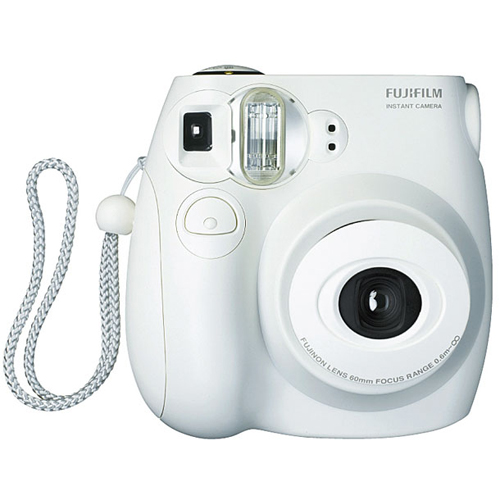
There are essentially two diverse types of cameras that can be used for underwater photography – a point-and-shoot camera in a waterproof case and a DSLR camera in an underwater housing with external strobes. The first type of camera is user-friendly, requires no complicated setup, and is pretty economical. It also serves better near the ocean's surface, on account of the huge amount of natural sunlight. However, it is very difficult to direct light with this camera, since its strobe is fitted within the body itself. Manual exposure control also proves to be a major obstacle with a point-and-shoot camera. For this reason, many experienced underwater photographers prefer a DSLR camera as they get complete control over the system. You can easily vary the aperture and speed as per the scenario and achieve your desired results. Directing the strobes as per your requirements also becomes very easy.
Familiarity with Basic Settings
The camera's white balance should always be in daylight mode or ideally a custom white balance especially when using flash. Shooting in RAW allows more flexibility in attaining a proper white balance in post production.

Image Courtesy: Alix Malka
Use Natural Light
Flash does yield brilliant images, but not every time. Sometimes the natural underwater light, especially near the surface might produce better results. For this to happen, it's necessary that the right exposure is achieved. Underexposing by a solitary f-stop delivers amazing silhouettes. A shutter speed of 1/250th effectively freezes the light rays entering the water. All these tips should come in handy to facilitate better quality images underwater. And remember, even while shooting underwater, the same rules of photography do apply.