If you shoot landscapes, you've probably asked the classic filter question: should you reach for a circular polarizer or an ND filter first? The short answer is that both are useful, but they solve very different problems. This guide is for landscape photographers trying to decide which filter deserves a place in their bag first, and which circular polarizer options make the most sense for different lenses and shooting styles.
For many photographers, a circular polarizer is the more versatile day-to-day landscape tool. It can reduce glare on water and foliage, deepen blue skies, improve cloud contrast, and help reveal color and detail hidden by reflections. An ND filter, by comparison, is the choice when your goal is a slower shutter speed—think silky waterfalls, streaking clouds, or blurred surf in bright light.
So which do we prefer? For general landscape shooting, we prefer a polarizer first because the effect usually can't be replicated convincingly in post. You can lower highlights or increase contrast later, but you can't truly remove reflections from wet rocks, leaves, or lake surfaces after the fact. If your landscape style leans heavily toward long exposures, though, an ND filter becomes essential.
Polarizer vs ND Filter: What's the Real Difference?
| Filter Type | Best For | Main Effect | When We Prefer It |
|---|---|---|---|
| Circular Polarizer | Lakes, waterfalls, forests, coastal scenes, midday landscapes | Reduces reflections and glare; boosts saturation and sky contrast | When you want cleaner color, richer skies, and better control over reflections |
| ND Filter | Long exposures, waterfalls, moving clouds, surf, bright daylight | Reduces light entering the lens to allow slower shutter speeds | When motion blur is the creative goal |
A polarizer changes the look of the scene itself. An ND filter changes your exposure options. That's why many landscape photographers eventually carry both—but if you're building a kit from scratch, a circular polarizer is often the smarter first buy.
Why We Usually Prefer a Polarizer for Landscape Photography
In practical outdoor use, a circular polarizer often gives you an immediate visual improvement without forcing you into tripod-based, long-exposure shooting. It's especially effective for:
- Water scenes: cut reflections on rivers, ponds, and wet rocks
- Forest landscapes: reduce leaf glare and reveal deeper greens
- Mountain scenes: improve atmospheric clarity and cloud separation
- Coastal shooting: control glare on tidal pools and darken bright sky areas
It also adds flexibility. You can leave a polarizer in your bag for everyday landscape work and use it handheld when needed. ND filters are more specialized and often shine when you already know you want a slower shutter speed effect.
Our Pick
Best first filter for most landscape photographers: Marumi 52mm Fit+Slim Circular Polarizer Filter
The Marumi 52mm Fit+Slim Circular Polarizer Filter stands out as an excellent starting point for landscape shooters who want the classic benefits of a polarizer in a low-profile design. Slim filters are especially appealing for wide-angle landscape work, where minimizing the risk of vignetting matters.
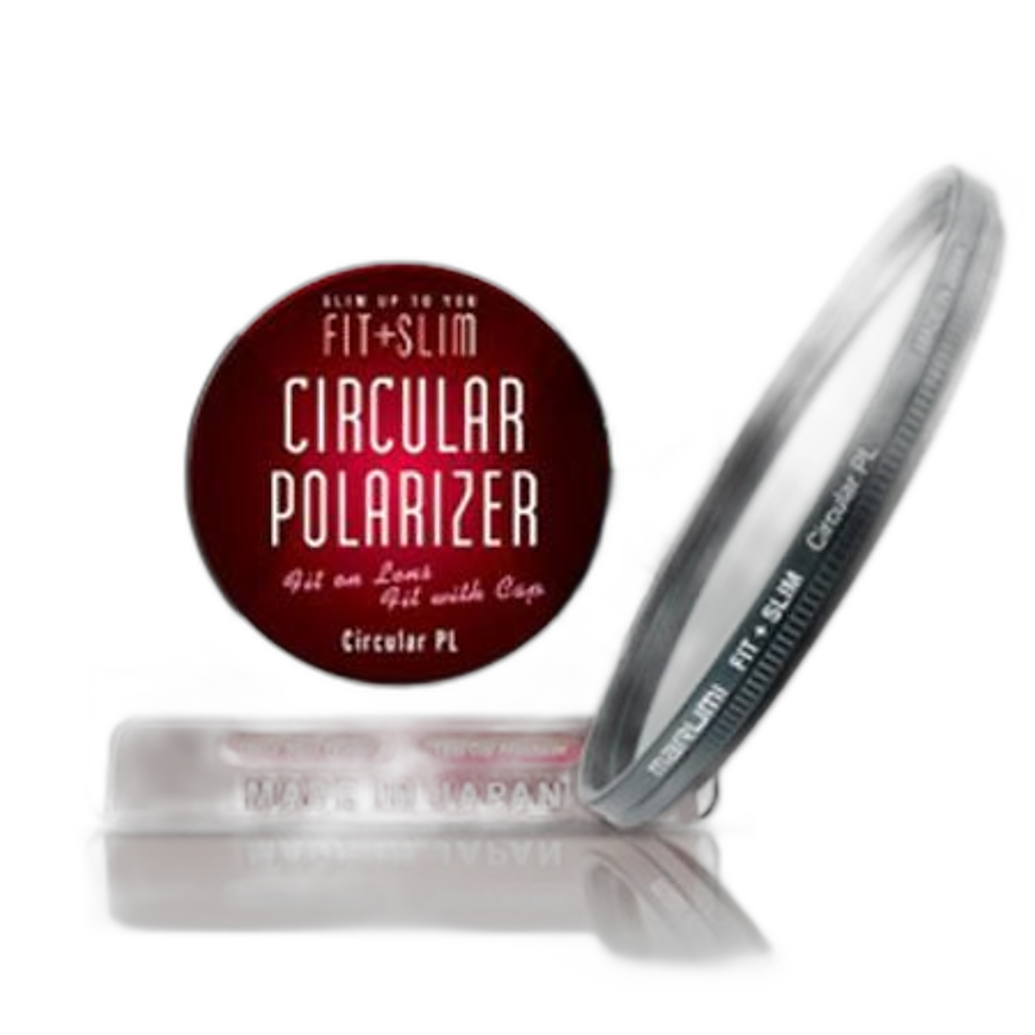
If your lens uses a 52mm filter thread, this is an easy recommendation for photographers who want stronger skies, reduced glare, and more saturated outdoor color without overcomplicating their setup.
Recommended Circular Polarizers for Landscape Shooters
Marumi 52mm Fit+Slim Circular Polarizer Filter
Best for: photographers with 52mm-thread lenses who want a versatile, travel-friendly polarizer.
This is the most broadly appealing option in this lineup for everyday landscape use. The slim profile makes sense for scenic work with wider lenses, and Marumi has a solid reputation among photographers looking for dependable filter performance without unnecessary bulk.
Why buy it: Great first circular polarizer, practical slim design, ideal for photographers prioritizing color and glare control in outdoor scenes.
Marumi Fit+Slim Circular Polarizer 40.5mm
Best for: compact systems, smaller lenses, and travel landscape kits.
If you shoot with a lens that takes 40.5mm filters, this Marumi Fit+Slim option delivers the same basic circular polarizer benefits in a compact format. It's a smart choice for lighter mirrorless or compact-lens setups where portability matters.
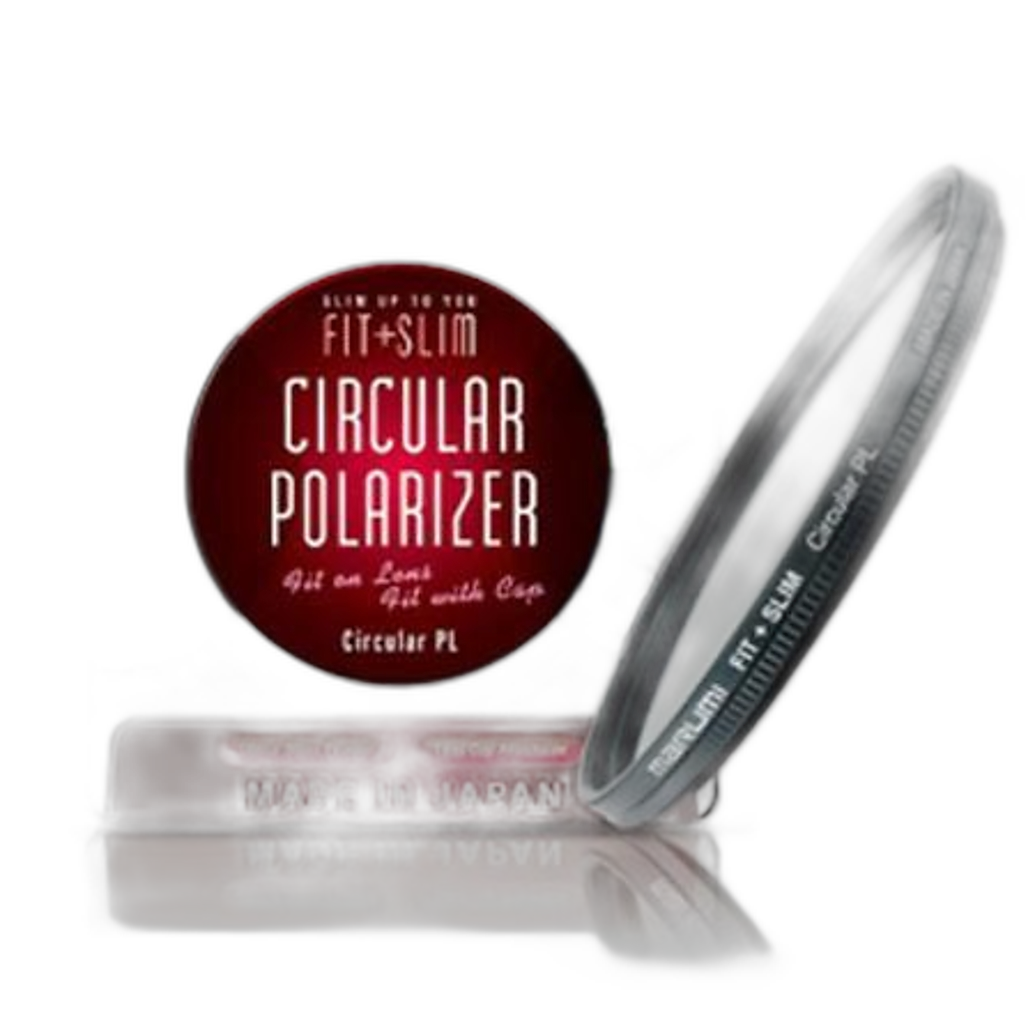
Why buy it: Good match for smaller lenses, easy to carry, and especially useful for travel landscapes where controlling glare can dramatically improve image quality.
Macro and Landscape Photography at Duke Farms with Michael Downey
Best for: photographers who want to improve technique, not just gear.
While not a filter, education can have just as much impact on your landscape results as hardware. This class is a worthwhile add-on for photographers who want to better understand how to approach landscape scenes, composition, and field technique.

Why buy it: A great complement to a new polarizer if you want to sharpen your field skills and get more from your gear.
Editing and Enhancing Landscape and Nature Photography with Photoshop
Best for: landscape photographers who want stronger final images after capture.
Even though a polarizer creates effects you can't fully duplicate in post, editing is still an important part of the landscape workflow. This course can help you refine contrast, color, local adjustments, and finishing techniques to make the most of your files.
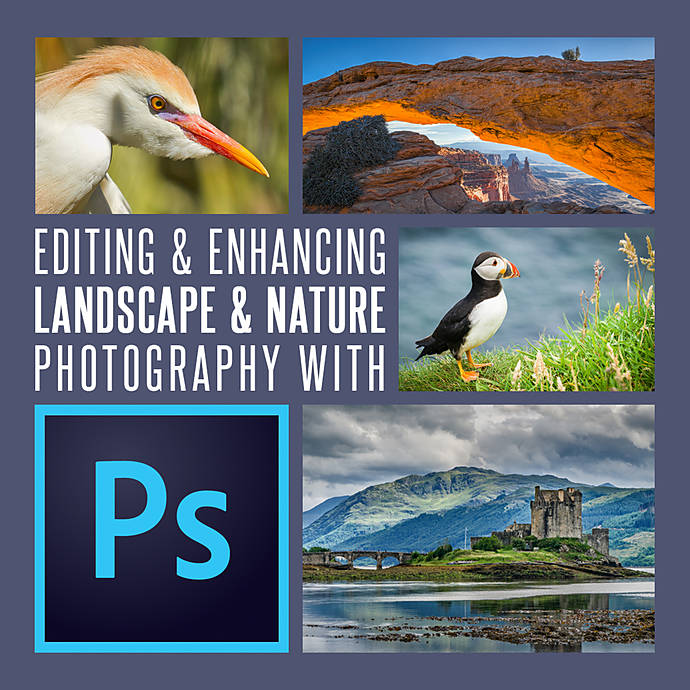
Why buy it: Ideal for photographers who want to combine stronger in-camera capture decisions with more polished post-processing.
Quick Comparison
| Product | Type | Best For | Why It Stands Out |
|---|---|---|---|
| Marumi 52mm Fit+Slim Circular Polarizer Filter | Circular Polarizer | General landscape shooting | Versatile size and slim design for everyday scenic work |
| Marumi Fit+Slim Circular Polarizer 40.5mm | Circular Polarizer | Compact and travel setups | Great fit for smaller lenses and lightweight kits |
| Macro and Landscape Photography at Duke Farms with Michael Downey | Workshop/Class | Learning field technique | Helps improve real-world landscape shooting skills |
| Editing and Enhancing Landscape and Nature Photography with Photoshop | Course | Post-processing improvement | Supports better finishing and image enhancement |
When an ND Filter Is the Better Choice
Even though we lean toward polarizers as the better first filter for most landscape shooters, ND filters absolutely win in some situations. Choose an ND filter first if your main goals are:
- Creating silky water effects in waterfalls and streams
- Blurring ocean waves for a minimalist look
- Stretching cloud movement across the sky
- Shooting long exposures in bright daytime conditions
In other words, if your preference is driven by shutter speed creativity rather than reflection control, ND is the right answer. But for broader landscape versatility, a circular polarizer usually earns more use.
Final Recommendation
If you're deciding between a polarizer and an ND filter for landscape photography, our recommendation is simple: start with a circular polarizer unless long-exposure work is your primary style. A polarizer improves skies, foliage, water, and overall scene clarity in ways that are immediately visible and often impossible to recreate later.
For most photographers shopping today, the Marumi 52mm Fit+Slim Circular Polarizer Filter is our top pick from this selection, with the Marumi Fit+Slim Circular Polarizer 40.5mm being an excellent alternative for smaller lenses. And if you want to go beyond gear alone, Unique Photo's landscape-focused classes are a smart way to improve both your shooting and editing.
Ready to upgrade your landscape kit? Explore filters and photography education at Unique Photo to build a setup that matches how you actually shoot.