Landscape Composition Head-to-Head: Field Practice vs Formal Design
When your landscapes feel technically solid but composition falls short, it’s time to sharpen your visual design. Here, we compare two Unique Photo offerings focused on composition: Macro and Landscape Photography at Duke Farms with Michael Downey and NJCS: Composition and Photographic Communication with Shiv Verma (Lumix). One emphasizes hands-on field work at a premier location; the other centers on formal composition frameworks and photographic communication. Which should you choose to elevate your landscape compositions right now?

Side-by-Side Specs Comparison
| Attribute | Macro and Landscape Photography at Duke Farms (Michael Downey) | NJCS: Composition & Photographic Communication (Shiv Verma) |
|---|---|---|
| Brand | Unique Photo | Unique Photo |
| SKU | UUU406 | UUUCS8426 |
| Format | Field workshop (macro + landscape) | Composition seminar focused on visual design & communication |
| Primary Focus | On-location composition for landscapes; integrating macro elements | Formal composition theory, visual language, and image communication |
| Setting | Duke Farms | Seminar/event format |
| Hands-On Shooting | High, on-location | Conceptual/analytical, with examples |
| Best For | Photographers who learn by doing, want field guidance and scene-building | Photographers seeking a robust composition framework to apply across genres |
| Landscape-Relevant Extras | Foreground anchors, layering, practical vantage-point scouting, macro detail | Balance, visual weight, figure-ground, leading lines, narrative intent |
Category-by-Category Analysis
Teaching Approach and Learning Style
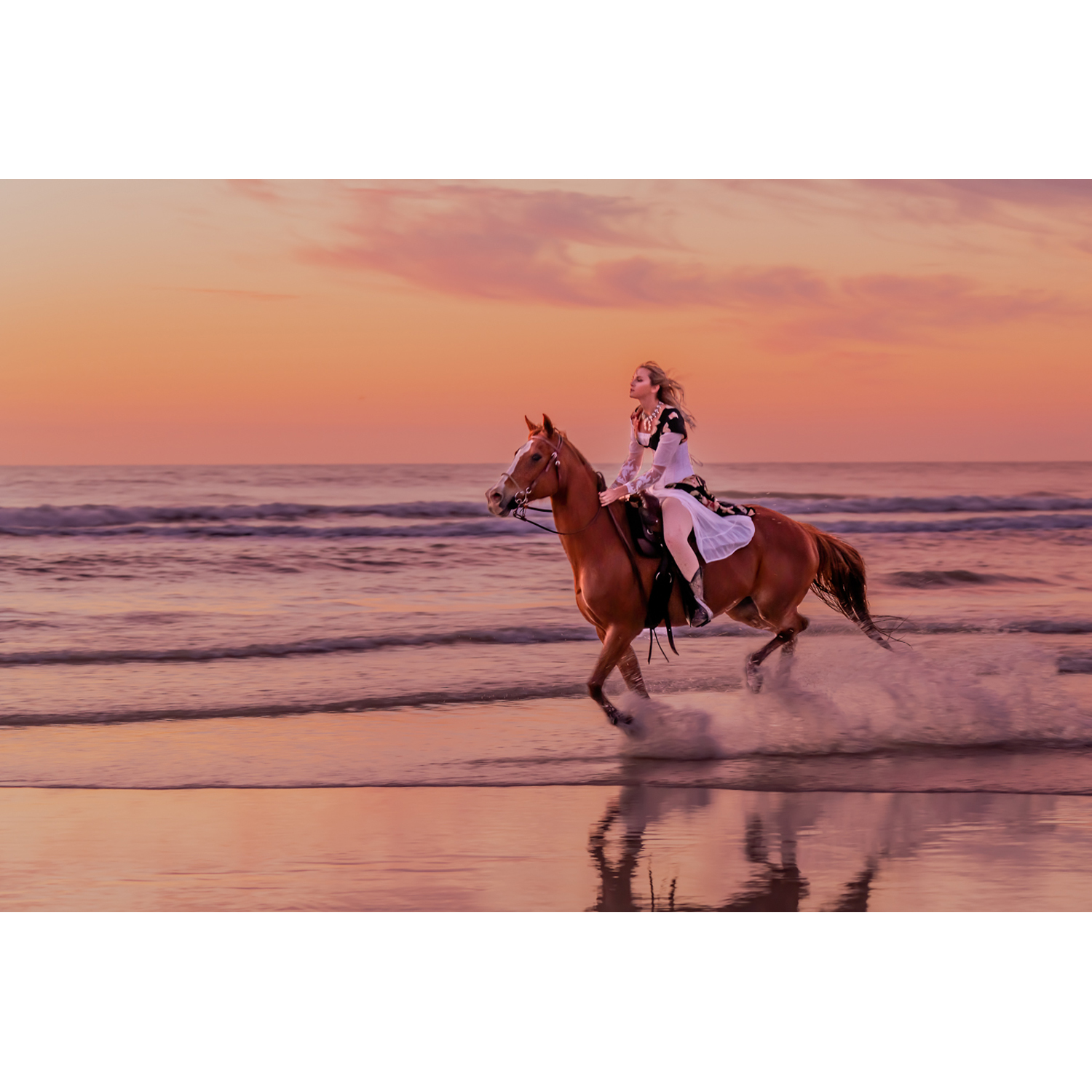
Michael Downey’s Duke Farms workshop prioritizes experiential learning—composing in real scenes, making decisions under changing light, and integrating macro textures into broader landscape frames. Shiv Verma’s seminar focuses on deep composition foundations—how visual elements guide the eye, convey intent, and create meaning—so you understand the “why” behind strong frames and can repeat success across varied conditions.
Composition Depth and Frameworks
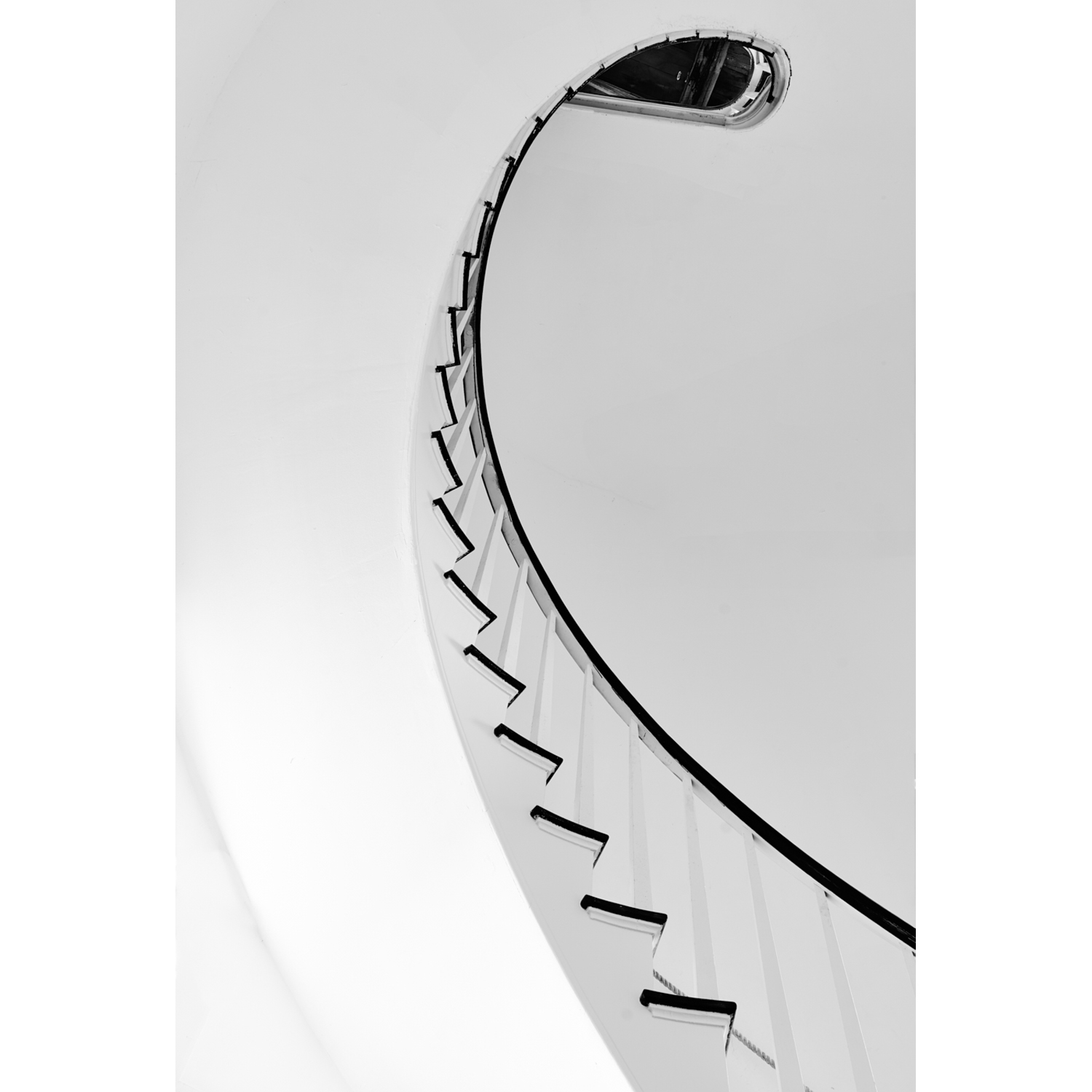
If you want a formal, comprehensive framework, Shiv Verma’s program shines. Expect emphasis on visual weight, balance, figure-ground relationships, leading lines, geometric structure, rhythm/pattern, and how these choices communicate ideas. That structure makes it easier to critique your own work and improve consistently. Michael Downey’s field approach turns many of those concepts into practical exercises: selecting foreground anchors, layering mid-ground and background, managing edges, and simplifying the frame to remove distractions.
Landscape-Specific Techniques
Landscape composition hinges on structure and flow. Downey’s on-location format helps with real-world decisions: where to place the horizon for balance; how to build depth with foreground interest; how to use diagonals and S-curves to guide the viewer; and when to change vantage point or focal length to simplify. Verma’s seminar refines the strategic design choices behind those moves—clarifying intent, controlling visual mass, and improving figure-ground separation so your subject reads cleanly.
Macro Integration for Texture and Story
Macro details add context and mood to landscapes, especially in transitional seasons or delicate ecosystems. Downey’s class explicitly integrates macro, so you’ll learn to use textures, patterns, and micro-subjects as lead-ins or complementary frames. Verma’s composition focus helps you decide when macro elements support the visual narrative and when they introduce competing subjects or clutter.
Field Problem-Solving vs. Universal Theory
In-variable field conditions—wind, uneven light, restricted access—require pragmatic composition tweaks. Downey’s workshop trains that decision-making. Verma’s program equips you with universal principles that transfer to any scene, letting you design stronger frames before you click and refine them after.
Post-Processing to Reinforce Composition
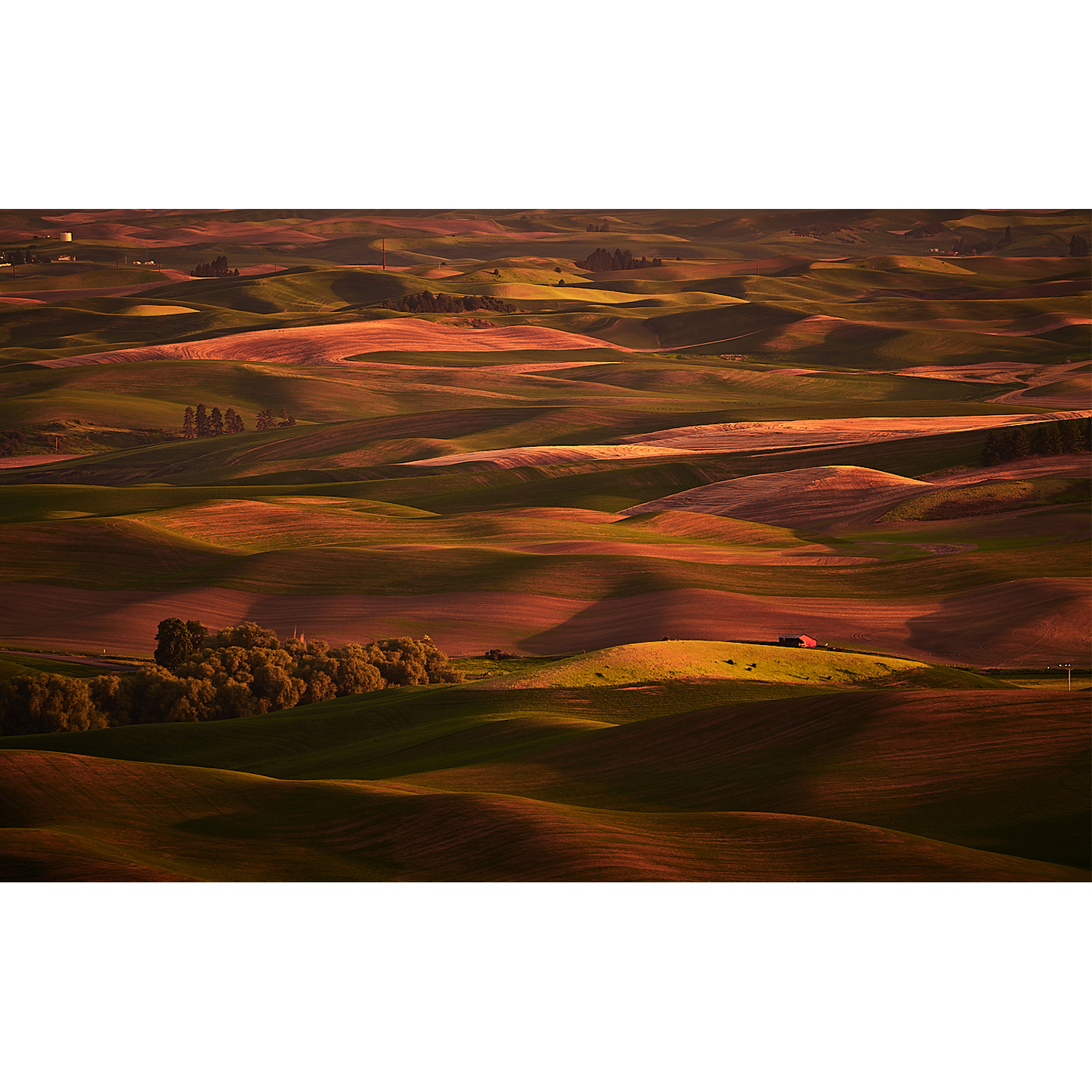
While both offerings prioritize capture-side composition, your editing choices can strengthen intent: subtle cropping for balance, local contrast for figure-ground separation, and color direction for mood. To build that skill, consider the complementary class Editing and Enhancing Landscape and Nature Photography with Photoshop.

Actionable Composition Tips You’ll Practice
- Build depth: anchor a strong foreground, layer mid-ground, and give the eye a destination in the background.
- Control the horizon: place it high or low to emphasize sky or land; keep it level and clean at the edges.
- Simplify: eliminate competing elements; use longer focal lengths to compress and declutter.
- Guide the eye: leverage diagonals, leading lines, and S-curves to establish flow.
- Mind figure-ground: ensure subject separation with light, color, or contrast.
- Work the scene: change height and distance; bracket vantage points and focal lengths.
- Use macro selectively: textures and patterns can add mood without stealing attention.
Our Pick
Conclusion
For landscape shooters ready to elevate composition, start with Shiv Verma’s composition seminar to internalize design principles, then reinforce those skills in the field with Michael Downey at Duke Farms. Round out your toolkit with the landscape-focused Photoshop class to fine-tune balance and figure-ground in post. Explore these and more education options at Unique Photo to keep building your craft.