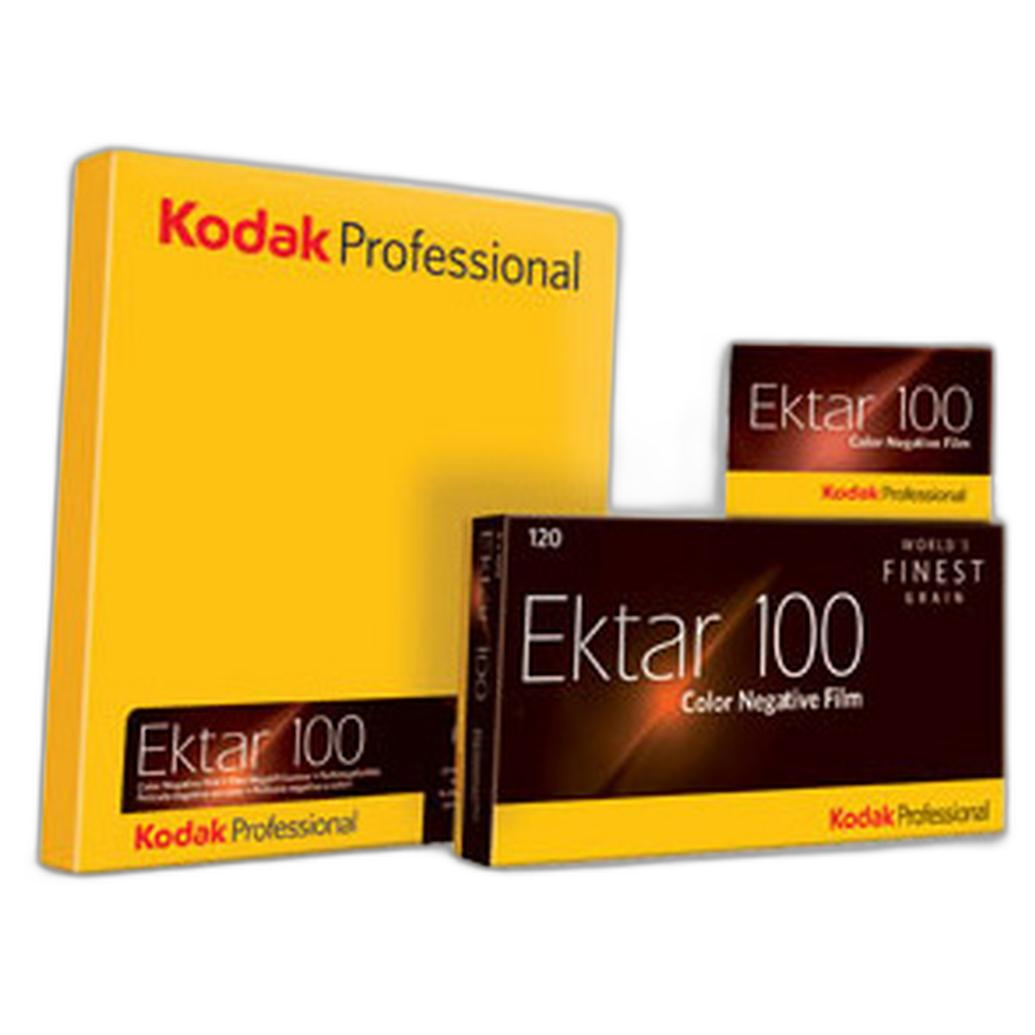
Kodak Ektar 100 Arrives: A New Benchmark for Color Negative Film
In 2008, Kodak introduced a film that immediately caught the attention of landscape, travel, and fine-art photographers: Kodak Ektar 100. At a time when film photography was already becoming more specialized, Ektar 100 stood out by offering something unusually specific and highly desirable: ISO 100 color negative film with saturated color and ultra-fine grain. For photographers who loved the latitude of C-41 film but wanted a cleaner, sharper, more vivid look than traditional consumer color stocks often delivered, Ektar 100 arrived as a serious option.
Its name also carried weight. The Ektar label has a long history in Kodak’s broader photographic lineage, associated with quality and high performance. With this modern release, Kodak applied that heritage to a new-generation color negative (C-41) film designed for photographers who wanted rich color, excellent detail, and some of the finest grain ever seen in a color negative emulsion.
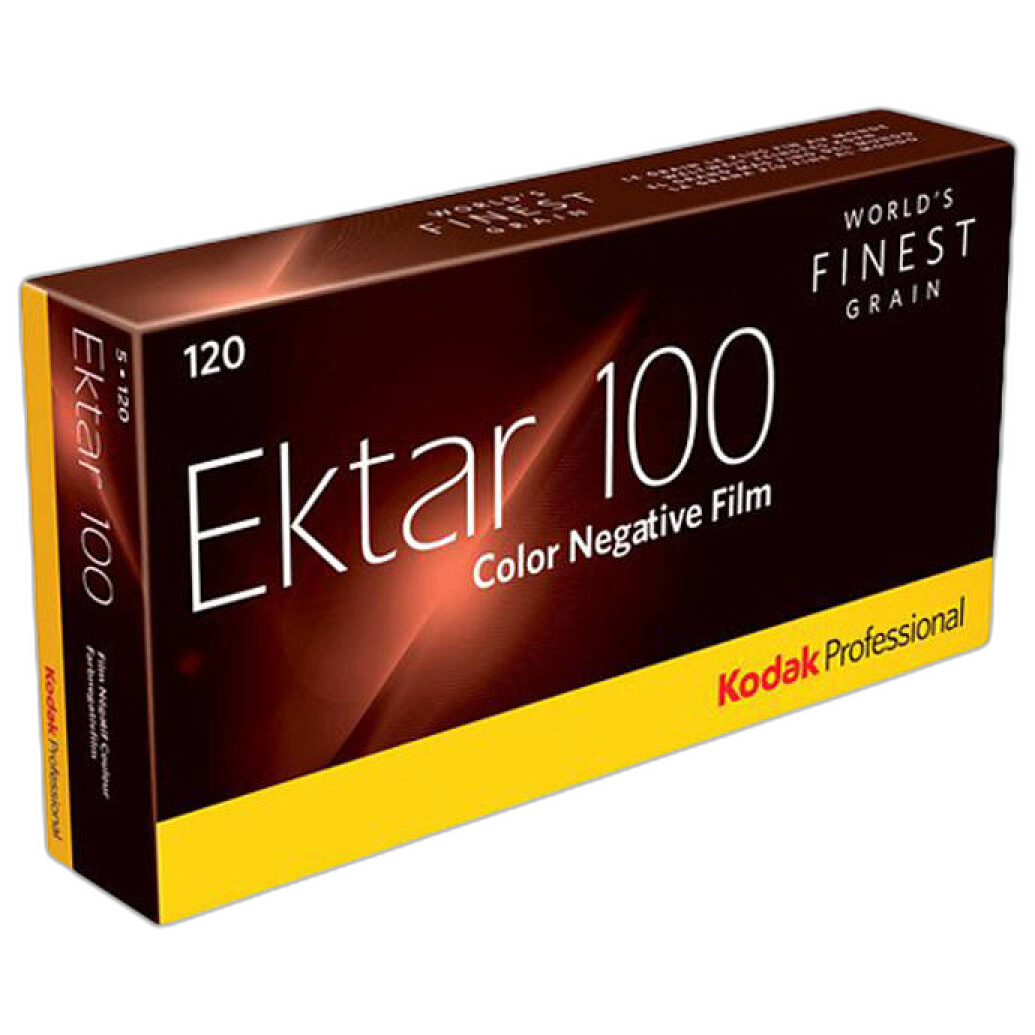
What Kodak Ektar 100 Is
Kodak Ektar 100 is a daylight-balanced ISO 100 color negative film processed in the standard C-41 chemistry used by minilabs and professional labs around the world. That alone makes it notable. Unlike slide films that require the more exacting E-6 process and narrower exposure tolerance, Ektar 100 gives photographers the practicality and flexibility of negative film while pursuing an image character that feels especially refined and premium.
The defining traits Kodak emphasized from the start were simple and powerful:
- ISO 100 speed
- Saturated color
- Ultra-fine grain
That combination made Ektar 100 especially appealing to photographers working in strong light or on a tripod, where lower-speed film is not a disadvantage but an advantage. Landscapes, architecture, nature, still life, and carefully composed outdoor scenes were obvious matches.
The Look: Saturation With Precision
The most immediate thing photographers noticed about Ektar 100 was its color. This is not a muted or neutral-only stock. Ektar was designed to produce a bold, saturated palette, making blues, greens, reds, and earth tones feel energetic and full. For images of autumn foliage, desert rock, tropical water, flower fields, and clean sunlit architecture, that visual emphasis can be very compelling.
Importantly, Ektar’s saturation is usually discussed alongside its clarity. It is not simply vivid for its own sake. The film’s fine grain helps preserve a sense of crispness, so the enhanced color often comes across as polished rather than muddy. In practical terms, this makes it attractive not only for enlargements but also for high-resolution scanning, where coarse grain can become distracting.
Photographers coming from Kodak Portra stocks would likely see Ektar 100 as the more overtly colorful option. Where portrait-oriented films are often prized for gentler rendering and skin-tone subtlety, Ektar pushes more naturally toward landscapes and scenes where color intensity is part of the subject’s appeal.
Why the Grain Matters
Kodak positioned Ektar 100 as having ultra-fine grain, and that claim is central to the film’s identity. Grain is not just a technical measurement; it affects how an image feels. Fine-grained color negative film can hold delicate textures, distant detail, and smooth tonal transitions in ways that are especially noticeable in large prints and scans.
For landscape photographers, this matters tremendously. Foliage, rock faces, water reflections, clouds, and distant terrain all benefit from a film that does not break the image apart into visible grain too quickly. Ektar 100’s low-speed ISO rating contributes to that refined look, making it well suited to scenes where image cleanliness and detail are priorities.
In the late 2000s, this characteristic also mattered in a newer way: scanning workflows were becoming increasingly important. Film users were no longer thinking only about optical printing. Many were digitizing negatives for editing, archiving, and inkjet output. A color negative film with especially fine grain gave scanners less texture to fight through, often resulting in cleaner files and more flexible post-processing.
Where Ektar 100 Excels
Landscape Photography
If there is one genre most closely associated with Kodak Ektar 100, it is landscape work. The film’s combination of ISO 100 speed, vivid color, and very fine grain makes it an obvious choice for scenes where photographers want maximum detail and visual impact. Sunrise and sunset light, national parks, coastlines, mountain vistas, and broad open skies all align naturally with Ektar’s strengths.
Travel and Architecture
Travel photographers often want a film that makes locations feel alive. Ektar 100’s saturated rendering can give city scenes, seaside towns, markets, and landmarks a polished, postcard-like brilliance without giving up the forgiving handling of C-41 negative film. Architectural photographers can also appreciate how the film records clean lines and surface detail when exposure is well controlled.
Nature and Still Life
Flowers, gardens, food, product studies, and natural textures all benefit from Ektar’s rich color response. Subjects with strong local color are especially rewarding. Photographers who like to work slowly and deliberately, whether in the studio or outdoors, will find the film’s low speed a natural fit.
Exposure and Practical Use in the 2008 Era
Because Ektar 100 is a color negative film, it offers the kind of practical exposure flexibility photographers expect from C-41 materials. That makes it less unforgiving than transparency film, even though its visual ambition may remind some users of more exacting professional stocks. In real-world shooting, this means photographers can pursue a premium look without completely sacrificing negative-film latitude.
That said, ISO 100 still suggests a deliberate approach. Bright daylight, tripod use, or wider apertures will often define the way many photographers use Ektar. It is not the obvious choice for low-light handheld work, action in dim interiors, or events where speed is more important than absolute image refinement. Its personality is most convincing when the photographer can slow down and let the film do what it was built to do.
Ektar 100 in Kodak’s Film Lineup
Within Kodak’s color film offerings of the period, Ektar 100 occupied a distinct niche. It was neither a casual snapshot film nor a portrait-specialist stock. Instead, it presented itself as a premium ISO 100 C-41 film for photographers who wanted exceptionally fine grain and notably saturated color.
That niche is important historically. By 2008, film users were increasingly intentional about stock selection. Rather than choosing film only by speed and price, many selected emulsions for their specific visual signatures. Ektar 100 fit that moment well. It was a film with a strong identity and a clear promise: negative-film convenience with a high-definition, color-rich aesthetic.
A Film With Lasting Appeal
Even viewed as a release-period archival piece, it is easy to see why Ektar 100 made an impression. Kodak identified a real desire among serious film photographers: the need for a color negative film that could look modern, vivid, and exceptionally clean. By delivering saturated color and ultra-fine grain at ISO 100, Ektar 100 quickly established itself as a standout choice for image-makers who prioritized detail and color impact.
For photographers seeking a film stock that flatters landscapes and richly colored subjects, Ektar 100 remains one of the most distinctive names in Kodak’s catalog from the late 2000s. It represents a confidence in what color negative film could still offer even in a changing photographic world: flexibility, beauty, and a uniquely film-based rendering that digital capture did not simply replace.
Final Thoughts
Kodak Ektar 100 arrived with a focused purpose and delivered a look that many photographers had been missing: fine-grained, saturated color negative film optimized for scenic and detail-rich subjects. It is a film that rewards careful exposure, good light, and subjects with strong color and texture. For landscape photographers especially, it quickly earned a reputation as one of the most compelling C-41 choices of its era.
If you want to buy Kodak film, explore classic emulsions, or learn more about the history and use of photographic materials, Unique Photo is an excellent place to shop and dig deeper.