Comparing the ISO performance of my D80 to my D7000 is night and day; it gets even more startling when compared to a full-frame sensor, like the D800. Sensor manufacturers have made leaps and bounds, to put it mildly, since the early days of the digital camera. But how far can we push our current sensor design? Turns out that may not be as relevant a question as it once was.

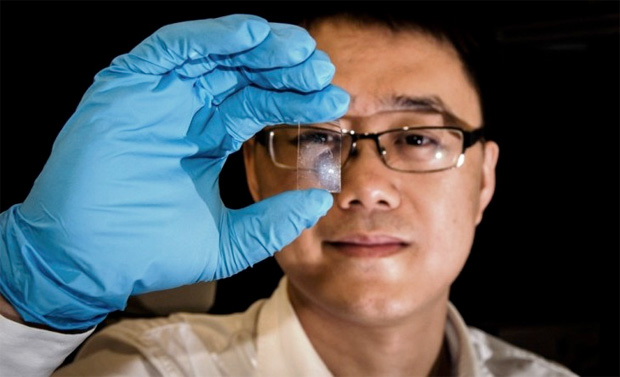
Researchers at Nanyang Technical Institute have just created a new sensor design based solely around a piece of pure graphene. What does this mean? The sensor the researchers developed is 1000x more sensitive to light than a traditional CMOS or CCD sensor. This is because graphene is able to detect and hold light-generated electrons for much longer than traditional sensor types. This means incredible low light performance, and because it's so cheap, it should barely affect camera prices, if at all. Admittedly, the technology is still in its early stages, so it may be a while before we can take a portrait lit by candlelight without a blizzard of noise. Still, it's exciting. Stay tuned!