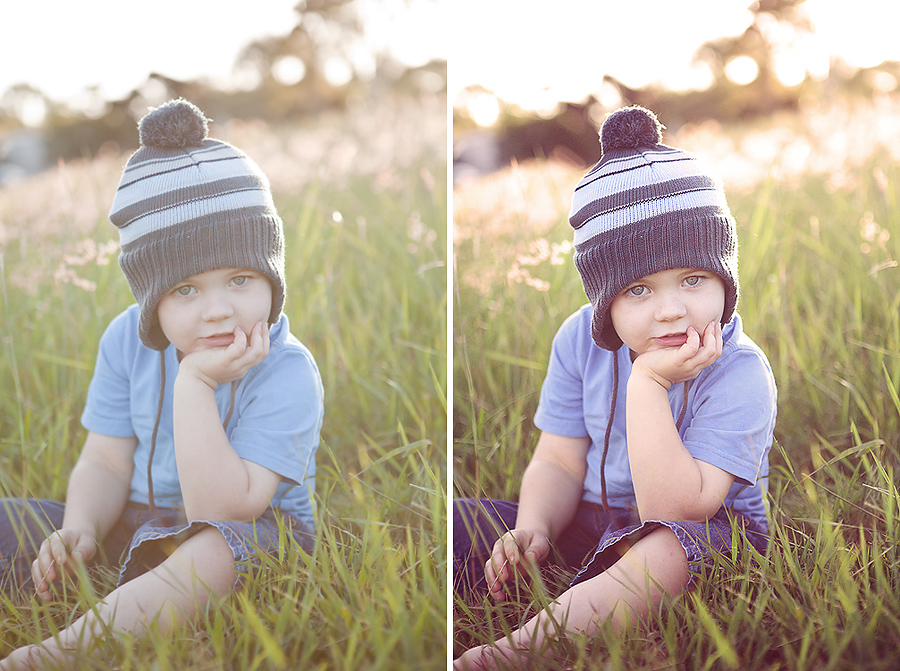
Post-processing is the method used since the early stages of photography. This phenomenon is useful for creating a photographic masterpiece. Most photographers have mastered the art of processing, which can be seen in their impressive photographs. As opposed to film cameras, which required processing with various levels and scales, the digital cameras provide the ability to create balanced pictures directly from it. Every digital camera produces a different image quality. However, the pictures produced from digital cameras are always eye-catching and impressive. So these pictures usually don’t require any corrections through an image-editing software.

Courtesy of Cindy Haines
If the captured picture doesn’t turn out to be balanced, then you may need to process it. The images can be processed using two different options: look closely to get the accurate photograph or dramatize the photograph to make it look surreal. However, it is necessary to avoid processing a picture just because it has to be done. Sometimes, people process a picture just to get a wonderful picture. However, the artists have to ascertain the need and vision they have before processing their shots.
Also Read: 10 basic rules of composition in photography
Post-processing tips and tricks
- You need to have a vision about the way your final photo should look before you start processing it. This will reduce the overall processing time.
- As a photographer, you also need to pre-visualize a picture, even before you open Photoshop.
- Once you take a picture, half of your job is done. After that, you just need to ensure that you present that picture with the same depth through the processing.
- It is necessary to be creative while processing an image. Processing is considered an art that cannot be copied. So, you need to master the tools required for processing an image. However, you need to decide whether you really want to use processing for the photos you have taken.
Avoid these while processing a picture
- While processing an image, it is necessary to create your own processing style, and not imitate others. Also, there is a possibility that others’ style may not suit the photo you have taken.
- Avoid keeping a copy of a bad picture with post-processing.
- Additionally, you need to ensure that processing doesn't do away the essence of your original photo.
- There are many advanced photo editing packages currently available. However, you need to ensure that using them don’t kill the quality of the original photograph.

Courtesy of Simone Carter
Conclusion
With these post-processing tips, you can easily practice preserving the delicate balance in your pictures without losing its originality. You need to keep in mind that processing is a method used for making a picture look interesting. However, it is necessary to not go overboard and apply post-processing in excess, as it can ruin the picture completely. It is essential that people enjoy your pictures, rather than your post-processing work, as it is not something to be proud of, but being a photographer surely is.
Hope this article clears the air a little regarding post-processing, and you will be able to incorporate the tips mentioned in the article. Do share it with your friends.
Also Read: How to fix grainy photos