Introduction: Metering Film Is More Nuanced Than “Just Overexpose”
One of the most common pieces of advice in film photography is to overexpose your film. While that recommendation is often useful, it is also incomplete. Properly metering for film depends on the type of film you are using, the contrast of the scene, your scanning or darkroom workflow, and—most importantly—the meter you trust to make the exposure decision.
In practical terms, negative film usually tolerates overexposure better than underexposure, while slide film demands far greater precision. That means the real question is not simply whether you should overexpose, but when you should, by how much, and what metering tool will help you do it consistently. For film photographers who want repeatable results instead of guesswork, a dedicated handheld or shoe-mounted meter can make a dramatic difference.
This review-style guide looks at the metering philosophy behind film exposure and highlights several excellent meter options available from Unique Photo for photographers using everything from classic rangefinders to studio setups.
Why Film Often Benefits from a Little Extra Exposure
Color negative and black-and-white negative films generally have generous highlight latitude. In real-world shooting, this means giving negative film an extra half stop to one stop of exposure can produce richer shadows, smoother tonality, and scans that are easier to work with. If your meter reading is uncertain, erring slightly on the side of more exposure is often safer than starving the film of light.
That said, overexposure is not a universal rule. Too much extra exposure can flatten contrast, mute color separation, or create scanning challenges, especially with very bright scenes. Slide film is even less forgiving, and a casual “rate it one stop over” approach can quickly destroy highlight detail. Proper metering means understanding your film stock and reading the scene accurately rather than applying the same compensation every time.
Key Features to Look for in a Film Meter
Incident vs. Reflected Metering
Incident metering measures the light falling on your subject, which is often the most reliable way to meter negative film consistently. Reflected metering reads the light bouncing off a scene, making it more dependent on subject tone. If you frequently photograph high-contrast scenes, incident capability can remove much of the guesswork.
Spot Metering Precision
Spot meters are invaluable when you want to place shadows and highlights intentionally. For zone-system-minded black-and-white photographers or slide film shooters, spot metering provides the level of control that broad reflected readings cannot.
Portability for Everyday Carry
For rangefinder and compact film camera users, bulk matters. A small meter that fits a hot shoe or pocket can be the difference between metering carefully and simply estimating exposure.
Studio and Flash Compatibility
If you shoot film in the studio, a meter that reads strobes is essential. Film rewards consistency, and handheld flash meters help you dial in repeatable lighting setups with much more confidence than trial and error.
Product Highlights
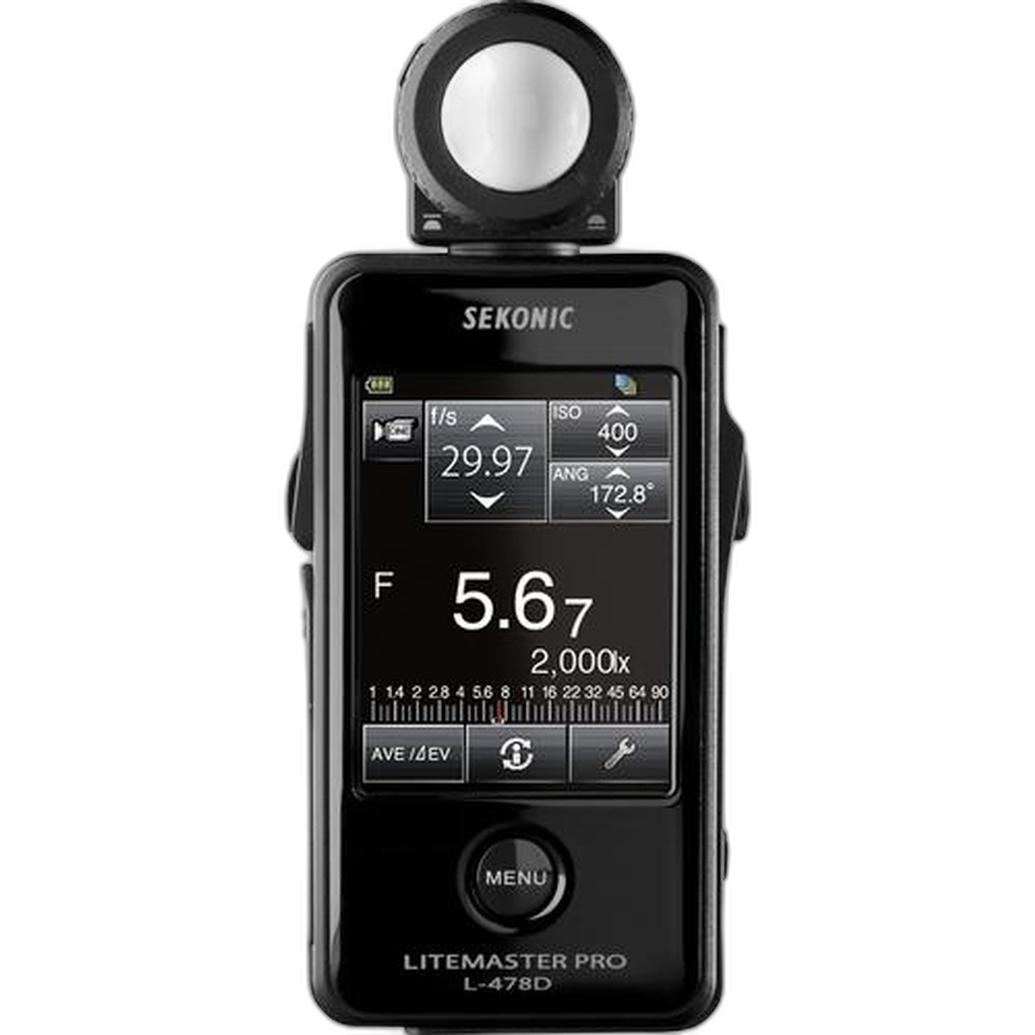
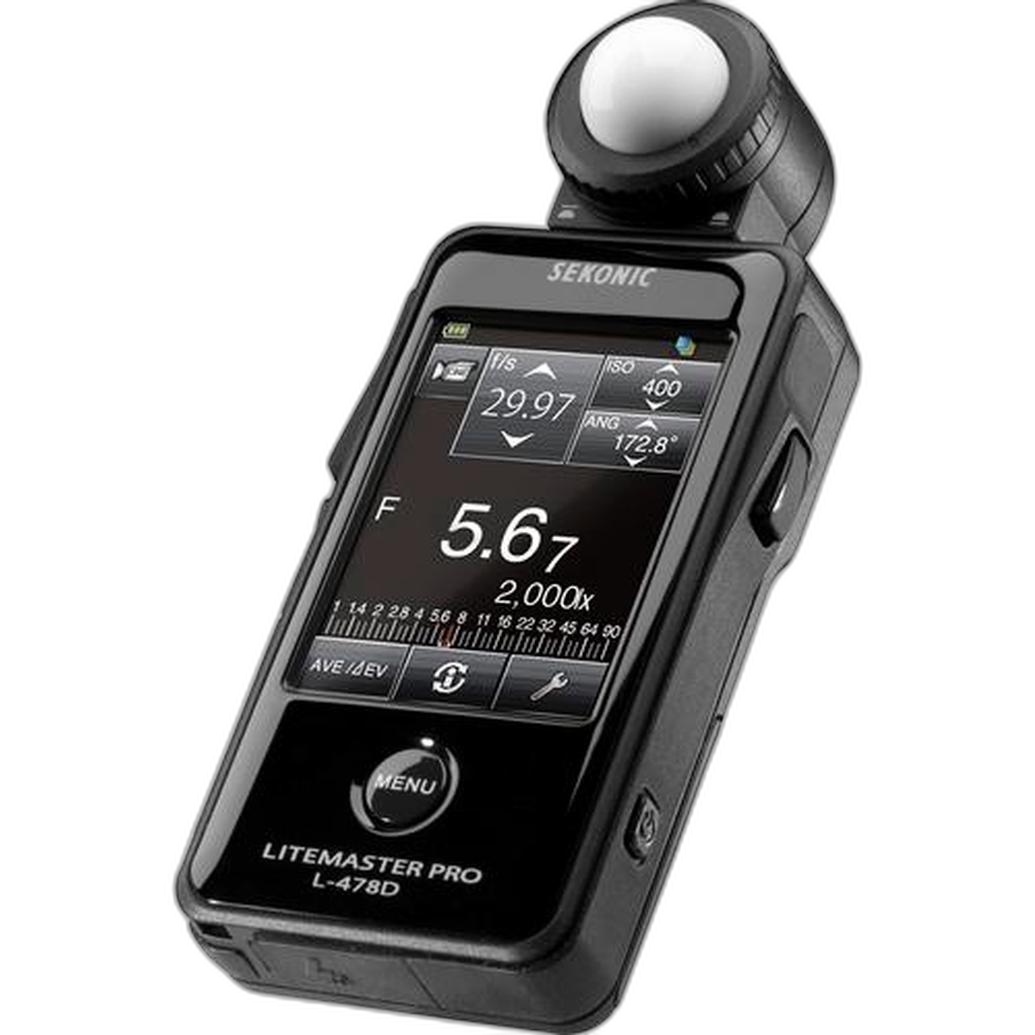
Sekonic L-478D LiteMaster Pro Meter: A Modern All-Around Choice
The Sekonic L-478D LiteMaster Pro Meter is one of the strongest options for film photographers who want a modern, highly capable handheld meter. Its touchscreen interface makes it approachable, but the real value is its versatility. It is well suited for ambient metering, incident readings, and studio applications, making it a smart choice for photographers working across multiple formats and lighting conditions.
For film, the L-478D is especially compelling because it supports a more deliberate metering workflow. Instead of relying on vague rules about overexposure, you can take a clean reading, decide whether your negative film deserves a little more exposure, and make that choice intentionally. That degree of control is a major upgrade from inconsistent in-camera meters or aging meter systems on vintage bodies.
Sekonic L-478DR LiteMaster Pro Meter: Best for Hybrid Studio Shooters
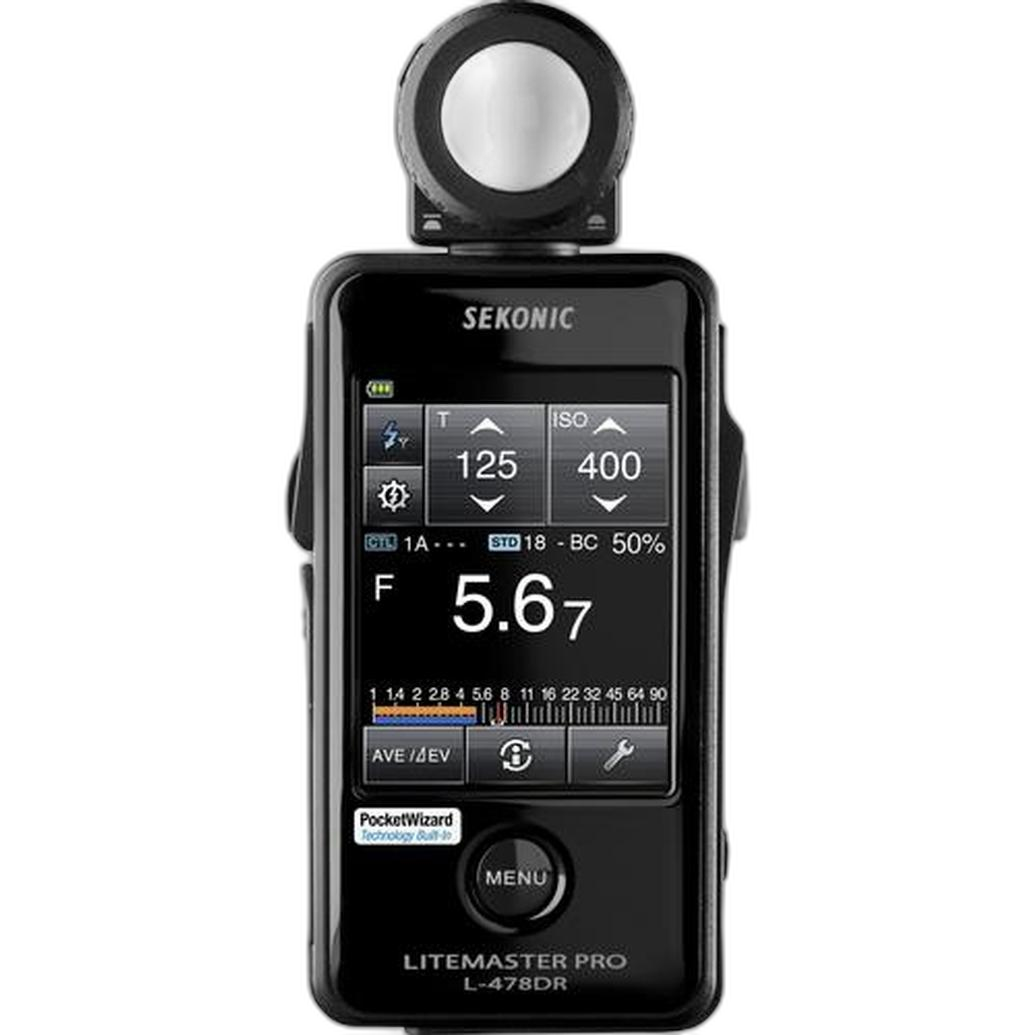
The Sekonic L-478DR LiteMaster Pro Meter w/Pocket Wizard Wireless Module builds on the L-478D platform by adding wireless triggering functionality for compatible setups. For photographers shooting film portraits, editorial work, or controlled lighting environments, this can streamline exposure testing significantly.
In a film workflow, fewer variables mean fewer wasted frames. The L-478DR is particularly valuable if you are metering strobes and want consistent exposure from roll to roll. It is less about whether you should overexpose and more about whether you can reliably hit your desired negative density every time—and this meter helps you do exactly that.
Sekonic L-398A Studio Deluxe Meter: Classic Simplicity for Analog Purists
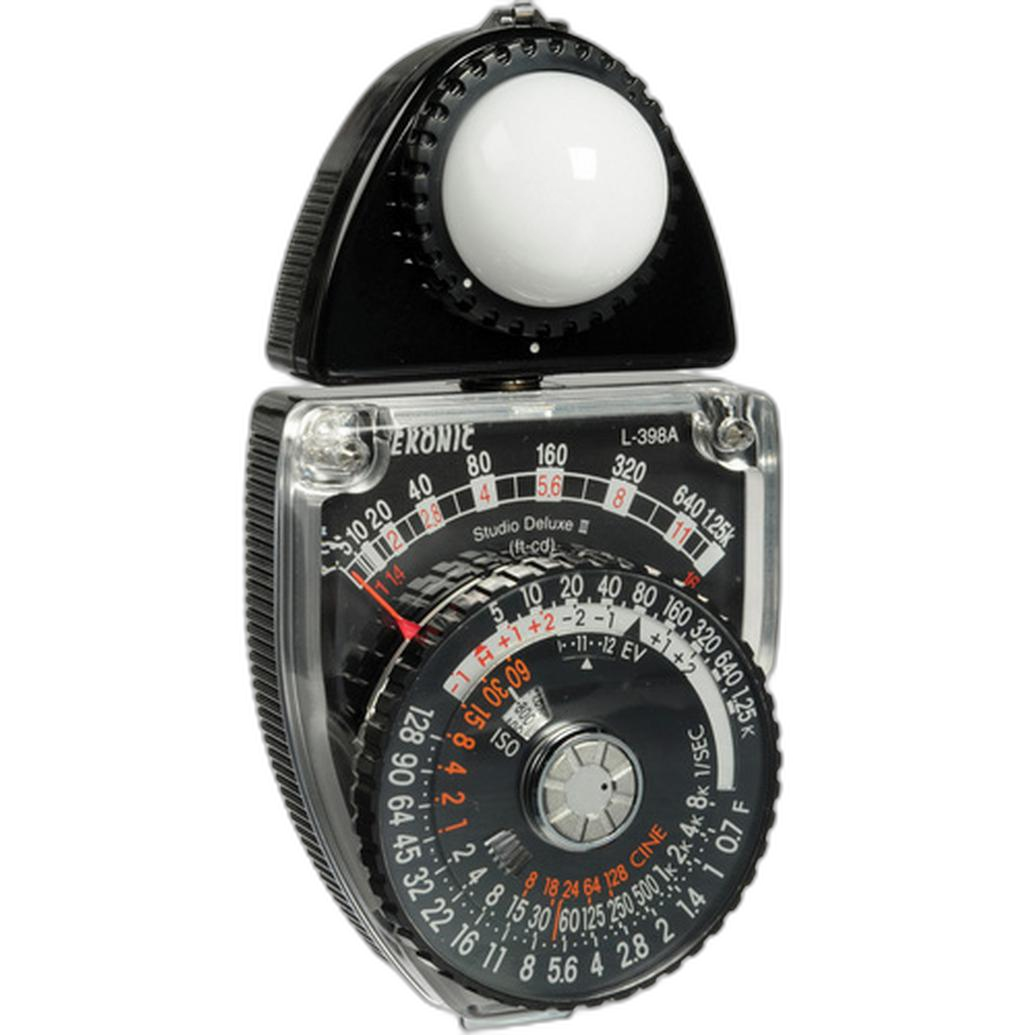
The Sekonic L-398A Studio Deluxe Meter remains a favorite among photographers who appreciate a battery-free, analog metering experience. Its classic design feels right at home beside mechanical film cameras, and for many users, it offers a satisfying tactile workflow that complements slower, more deliberate shooting.
This meter is particularly appealing for photographers who want reliable incident readings without the complexity of digital menus. If your approach to film photography is hands-on and methodical, the L-398A encourages careful exposure decisions rather than automatic habits. That makes it a very natural fit for anyone learning when overexposure helps and when it does not.
KEKS M-Meter: Elegant Metering for Leica M and Classic Rangefinders
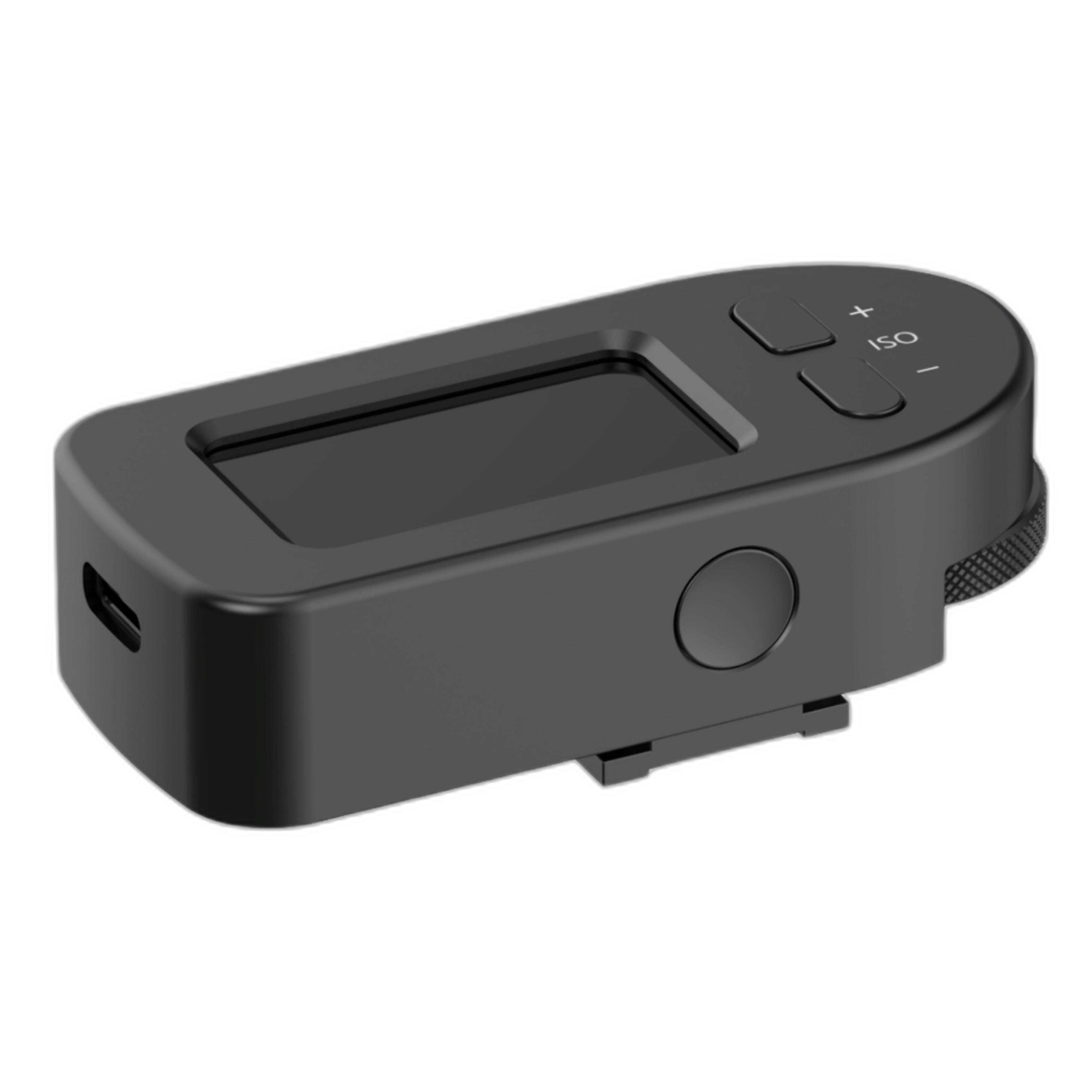
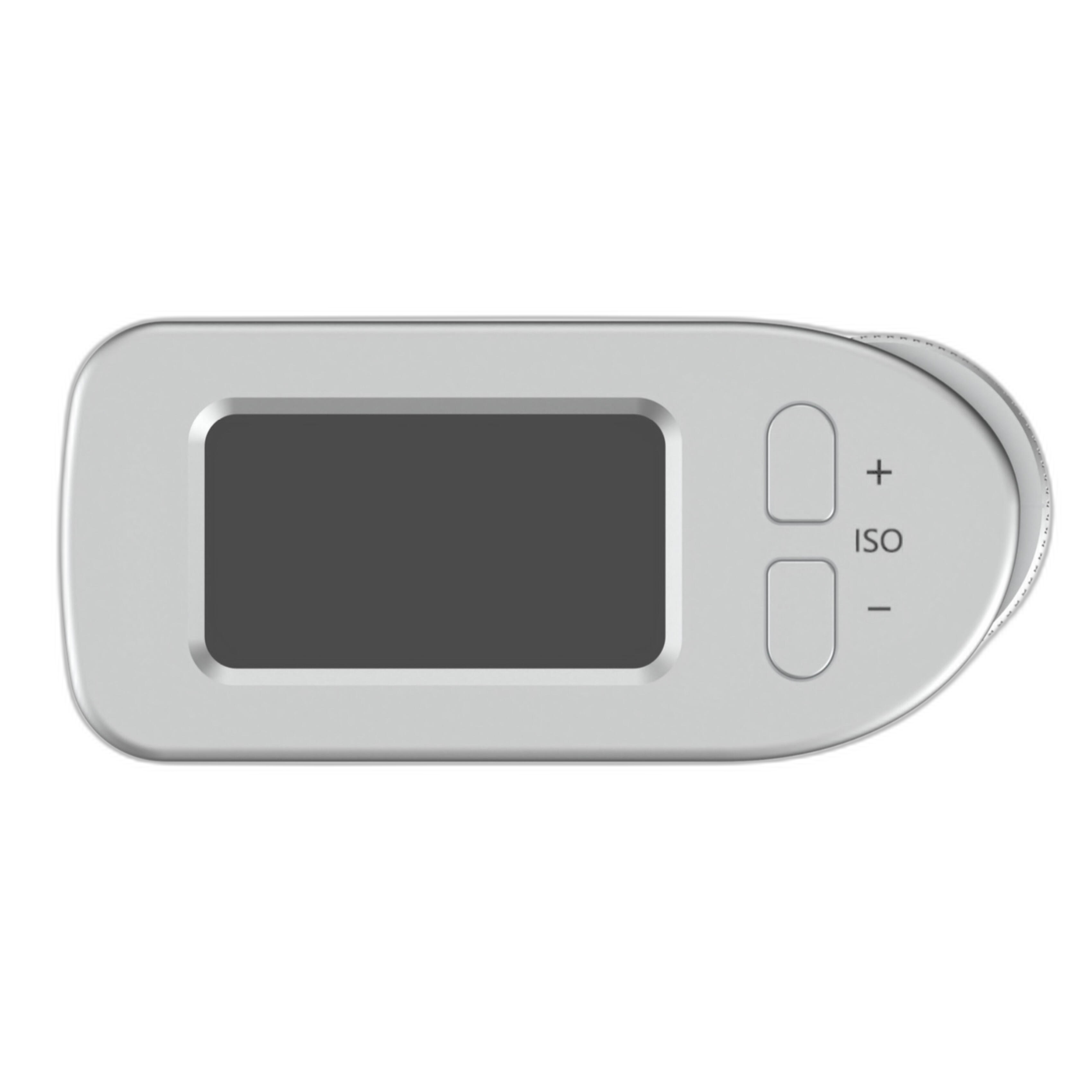
The KEKS M-Meter, available in both black paint and chrome finishes, is designed for photographers using Leica M cameras and similar classic rangefinders that may lack a built-in meter. It offers a clean, compact solution that preserves the form factor and shooting style rangefinder users love.
For street and travel film photography, this type of meter is especially useful. It keeps your setup small and responsive while still giving you better exposure guidance than guesswork alone. If you tend to rate negative film a little generously, the KEKS can help you do so with intention rather than approximation.
Hensel Strobe Master Light Meter: Practical for Film Lighting Control
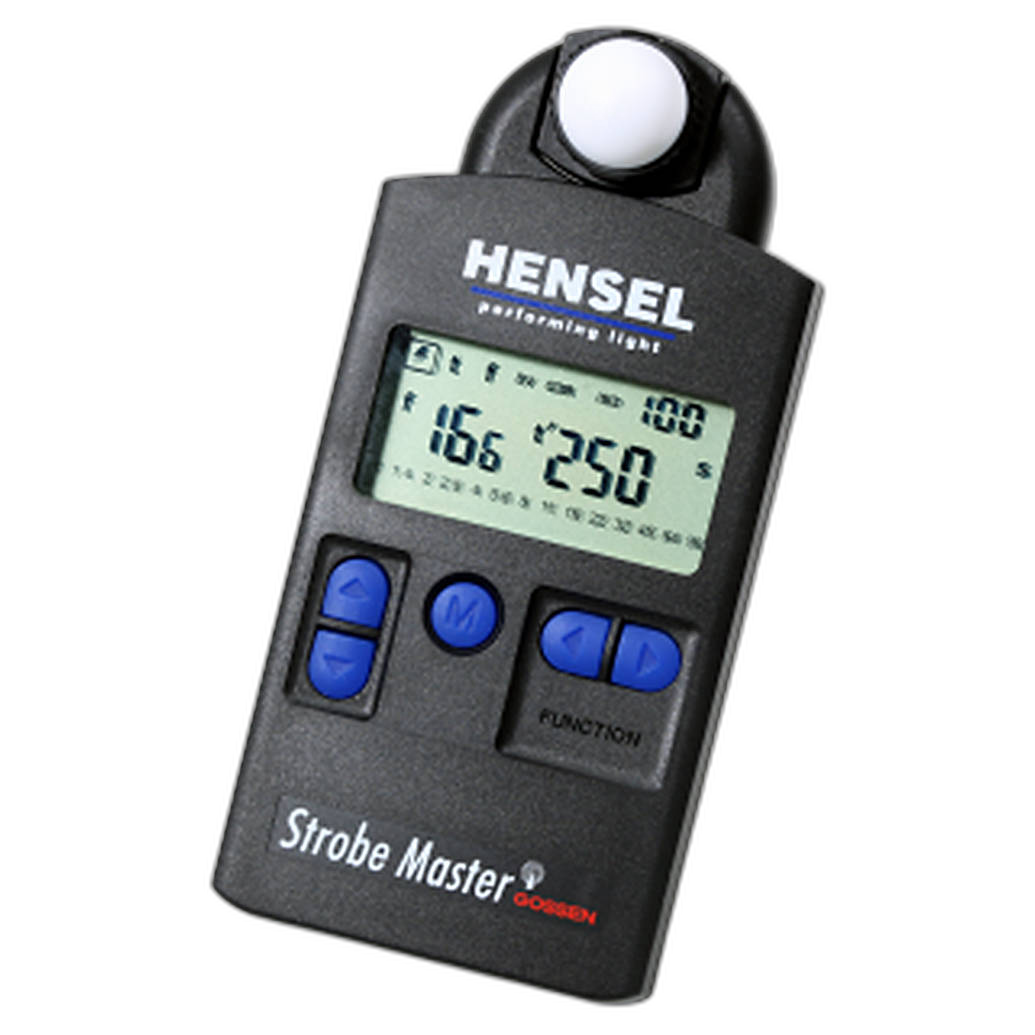
The Hensel Strobe Master Light Meter is aimed more directly at photographers who need dependable flash metering. If your film work includes studio portraiture, tabletop, or controlled commercial setups, a dedicated strobe meter can save considerable time and film.
When shooting film under flash, guessing exposure is an expensive habit. A meter like this lets you establish a repeatable baseline, then adjust creatively from there. That is the kind of precision that matters far more than broad overexposure advice.
How to Decide: Overexpose or Not?
For most negative film shooters, a practical rule is this: meter carefully first, then bias exposure based on the film stock and scene. If you are shooting color negative film in open shade or lower-contrast light, adding around half a stop to one stop can produce excellent results. If you are dealing with harsh sun, very bright highlights, or slide film, precision matters more, and blind overexposure becomes risky.
Metering also depends on your workflow after the exposure. Lab scans often handle dense negatives differently than home scanning, and darkroom printers may have their own preferences for how much density they want in the negative. In other words, the “correct” amount of overexposure is not just about the film—it is also about how you finish the image.
Pros and Cons
Pros
- Dedicated meters provide more consistency than relying on aging in-camera meters.
- Incident metering is especially helpful for negative film and changing light.
- Spot and studio meters improve precision for slide film, black-and-white work, and flash setups.
- Compact options like the KEKS M-Meter suit rangefinder users extremely well.
- Modern Sekonic models combine accuracy, flexibility, and strong workflow advantages.
Cons
- Handheld meters add cost to a film workflow that is already not inexpensive.
- Not every photographer needs advanced wireless or studio-focused features.
- Overexposure advice can still be misapplied even with a good meter if the scene is not interpreted correctly.
- Some compact meters prioritize convenience over the deep control of larger handheld units.
Verdict: Meter Intentionally, Not Automatically
If there is one takeaway, it is this: film does not always need overexposure, but it often rewards thoughtful exposure placement. The best results come from understanding your film stock and using a meter that matches your shooting style. For all-around flexibility, the Sekonic L-478D stands out as an excellent recommendation. For studio and flash-heavy work, the Sekonic L-478DR is even more compelling. For purists and rangefinder shooters, the Sekonic L-398A and KEKS M-Meter are both highly appealing, depending on how portable you need your setup to be.
If you are ready to improve your film exposures and move beyond generic advice, Unique Photo is an excellent place to buy the right light meter for your workflow.