Photo contests often ask for more than technical skill—they ask for interpretation. If you've ever seen a theme like connection, movement, or identity and wondered how to create something original without drifting off-topic, this guide is for you. Rather than recommending cameras alone, this buying-guide approach focuses on tools and resources that can help you research, refine, edit, and present a stronger thematic image. The goal: understand the brief, avoid obvious clichés, and make work that feels both relevant and personal.
Start with interpretation, not illustration
The biggest mistake contest entrants make is treating a theme like a literal prompt. If the theme is reflection, many photographers immediately submit mirrors, water, or windows. Those can work—but judges usually respond more strongly to images that explore the idea behind the word. Reflection might mean memory, self-examination, repetition, or even social commentary.
A smart workflow is to break a theme into three layers:
- Literal meaning: what the word directly shows
- Emotional meaning: what the theme feels like
- Conceptual meaning: what the theme suggests about people, place, or culture
That kind of thinking is often strengthened by studying great photographers, tightening your edit, and polishing final presentation. The products below are especially useful for photographers who want to develop a more nuanced contest entry.
Our Pick
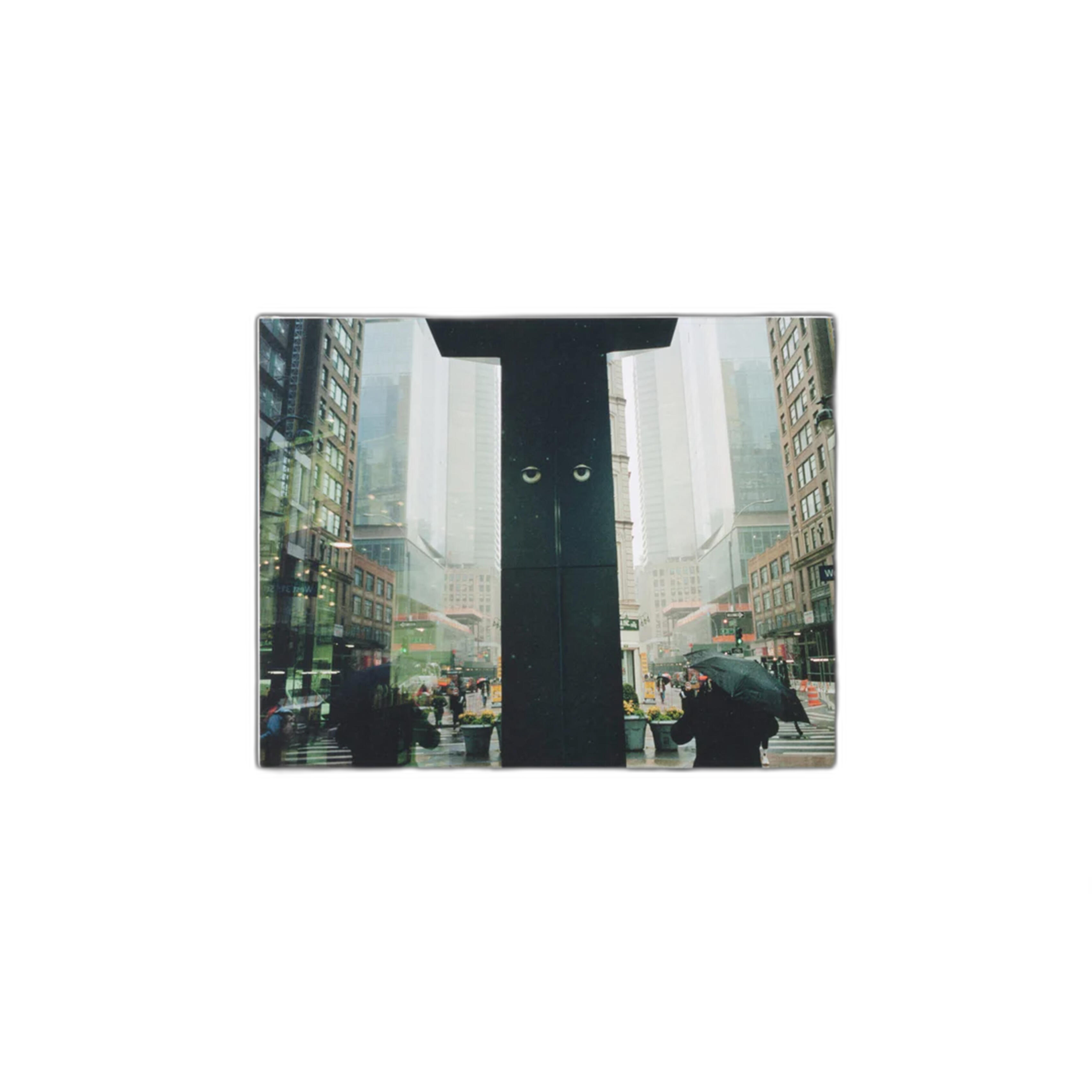
You Are What You Do - Daniel Arnold is our pick for photographers trying to interpret contest themes with more subtlety. It’s an excellent reminder that strong images often communicate through behavior, gesture, timing, and observation rather than obvious symbols.
Best resources for building stronger theme-driven contest entries
You Are What You Do - Daniel Arnold
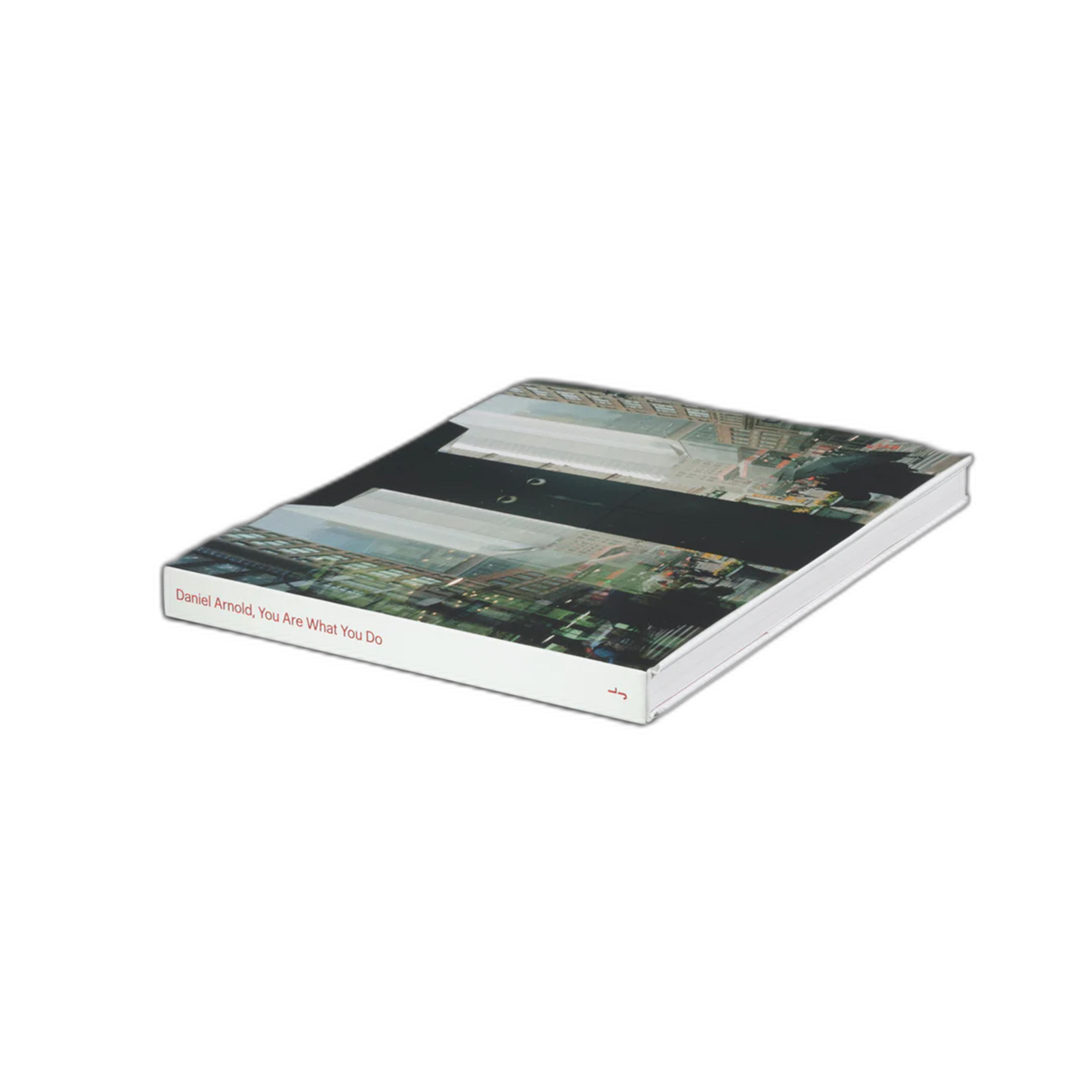
Daniel Arnold’s work is a strong reference point if you want to avoid being too literal. His photographs often succeed because they capture human tension, humor, contradiction, and everyday moments that imply larger ideas. For contest themes, that matters: instead of photographing the most obvious representation of a concept, you learn to look for gestures, relationships, and scenes that embody it indirectly.
Why it helps:
- Encourages observational storytelling over obvious symbolism
- Helps you see how everyday moments can express bigger themes
- Useful for street, documentary, and contemporary contest entries
Best for: photographers entering open-theme, documentary, lifestyle, or street-based contests.
Eugene Richards- Do I Know You?
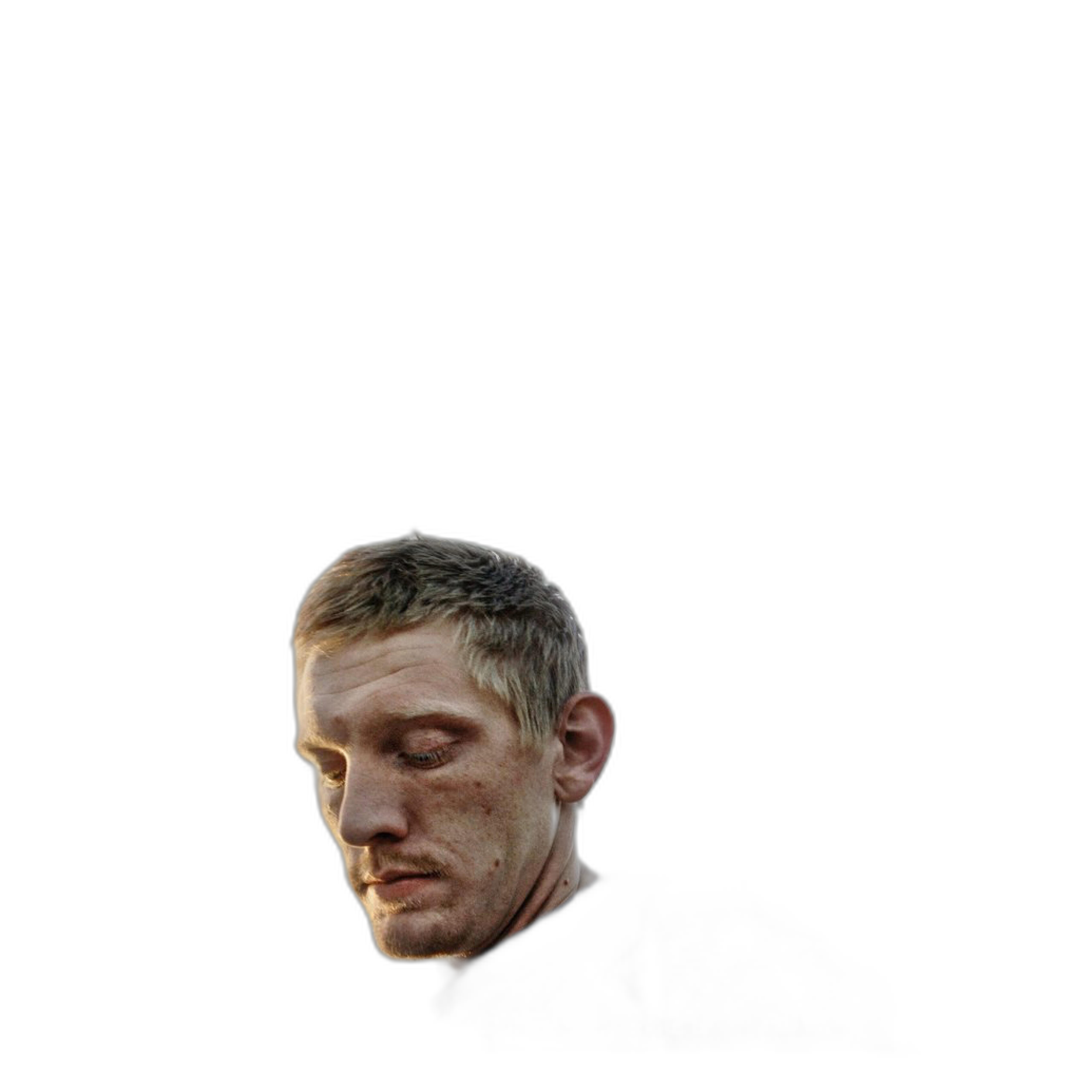
If your challenge is making images feel emotionally deep rather than conceptually obvious, this book is a strong study tool. Eugene Richards is known for layered, intimate work that invites interpretation without spelling everything out. That’s exactly the sweet spot many contests reward.
Studying this kind of work can help you ask better questions before you shoot: What tension is inside the theme? What human experience does it point to? How can framing, distance, and sequencing support that meaning?
Why it helps:
- Shows how mood and emotional complexity can carry a theme
- Useful for portrait and narrative contest submissions
- Pushes you beyond one-note or overly neat visual metaphors
Best for: photographers exploring identity, relationships, memory, social themes, and portrait-led contests.
Rocky Nook - How Do I Do That In Photoshop by Scott Kelby
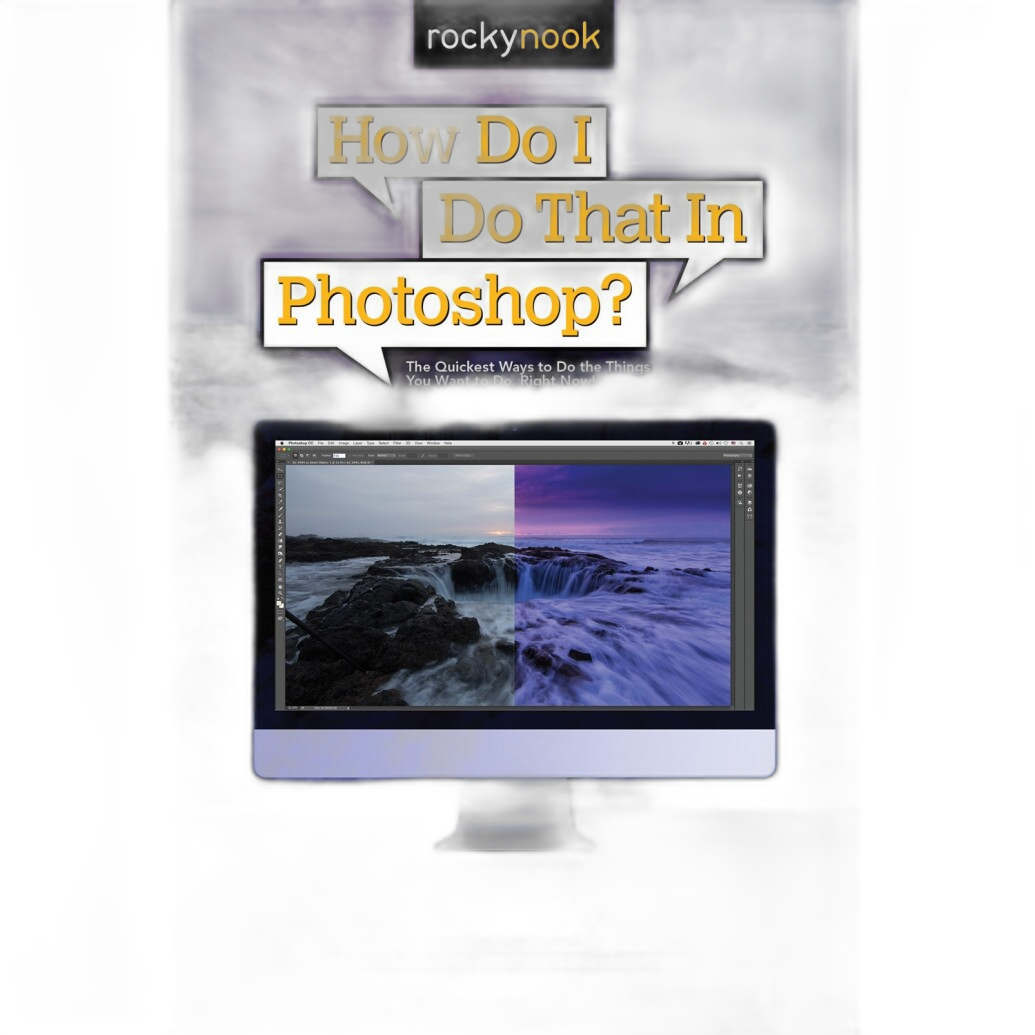
Once you have a strong interpretation of the theme, editing matters. Photoshop can help guide the viewer toward your intended meaning without making the image feel overworked. Thoughtful local adjustments, tonal shaping, cleanup, and compositing—when appropriate—can all support a clearer conceptual read.
This book is especially useful for photographers who understand the shot they want to make, but need better post-production control to make the message land.
Why it helps:
- Improves clarity, emphasis, and final presentation
- Helps avoid distracting elements that weaken your theme
- Useful for fine-art, conceptual, portrait, and composite work
Best for: entrants who want their final image to feel more deliberate and polished.
Rocky Nook - How Do I Do That in Indesign? by Dave Clayton
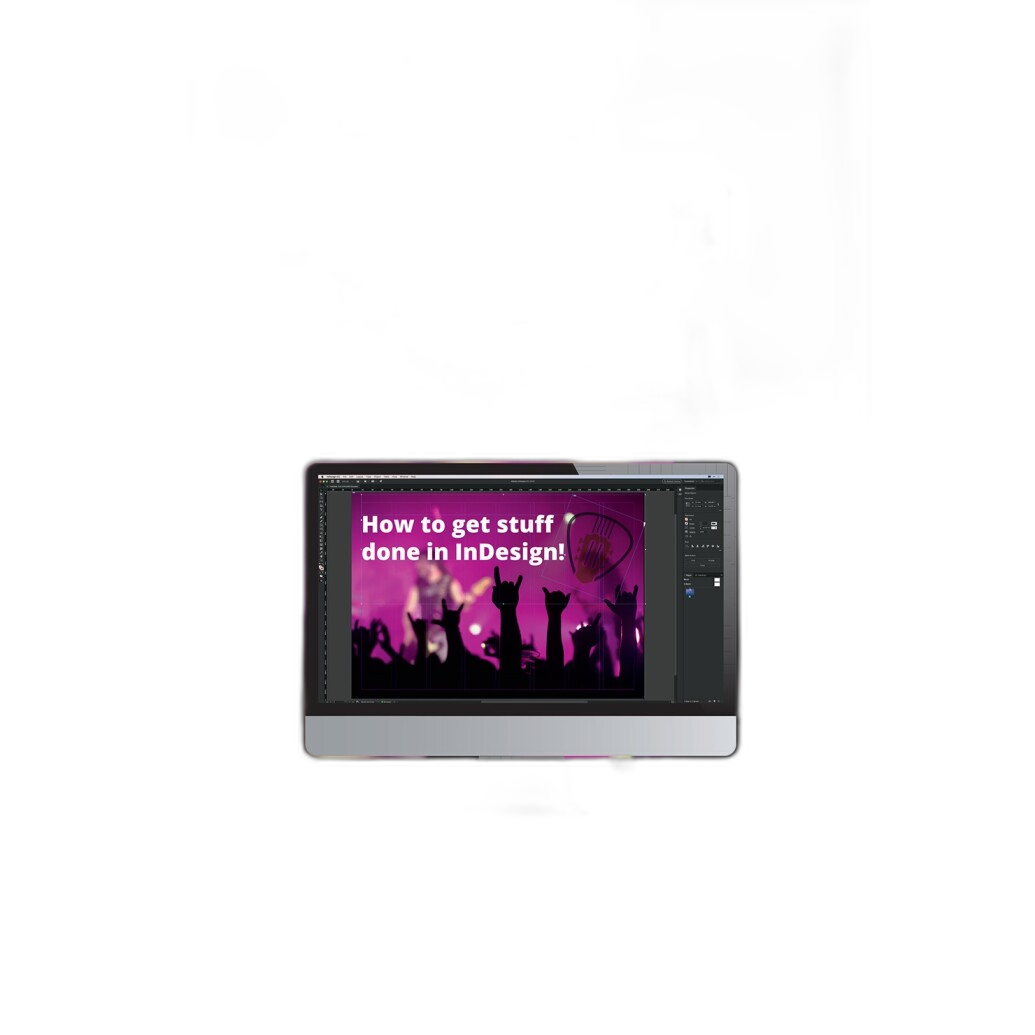
Some contests require more than a single file. You may need to submit a portfolio, sequence, zine, statement sheet, or presentation layout. In those cases, InDesign becomes surprisingly relevant. A sequence can strengthen your interpretation by showing progression, contrast, or nuance across multiple images.
If a contest allows series submissions, layout is part of storytelling. This guide can help you build a cleaner, more professional presentation that supports your concept rather than distracting from it.
Why it helps:
- Great for portfolio and series-based contest entries
- Helps sequence images around a theme more effectively
- Useful for artist statements, leave-behinds, and presentation PDFs
Best for: photographers entering juried series, portfolio reviews, or contests with presentation requirements.
Comparison table
| Product | Best Use | Why It Matters for Contest Themes | Ideal For |
|---|---|---|---|
| You Are What You Do - Daniel Arnold | Visual inspiration | Shows how indirect, observational images can express bigger ideas | Street, candid, open-theme work |
| Eugene Richards- Do I Know You? | Emotional depth | Helps photographers build layered, human interpretations of themes | Portrait, documentary, narrative work |
| How Do I Do That In Photoshop | Post-production | Strengthens visual emphasis and conceptual clarity | Fine-art, portrait, composite, polished submissions |
| How Do I Do That in Indesign? | Presentation and sequencing | Useful when your theme works best as a series or designed portfolio | Juried series, portfolios, presentation PDFs |
How to follow a theme without being obvious
Here are a few practical strategies that can improve your odds in a themed contest:
- Brainstorm around the word, not just the object. Write down associations, emotions, opposites, and social meanings.
- Avoid the first idea. Your first concept is often the one many other entrants will also submit.
- Look for gesture and relationship. Themes often become stronger when expressed through people interacting with space, objects, or each other.
- Use editing to support meaning. Crop, tone, and sequence with intention.
- Ask whether the image still works without the title. A strong contest image should suggest the theme even before the viewer reads the caption.
When gear matters less than preparation
For this topic, preparation and visual literacy often matter more than adding another lens or accessory. Studying accomplished photographers, refining your personal point of view, and improving your edit can do more for a contest submission than simply chasing more equipment. That’s why the strongest recommendations here are books and workflow resources—they help you think better, not just shoot more.
Final recommendation
If you want one place to start, choose You Are What You Do - Daniel Arnold for inspiration on finding less literal, more revealing images. Pair it with Eugene Richards- Do I Know You? if you want greater emotional complexity, and add the Photoshop or InDesign guides if your final presentation needs work. For photographers preparing a stronger contest entry, Unique Photo offers thoughtful resources that can help you move from simply matching a theme to interpreting it in a way judges will remember.