Home Film Developing FAQ: Beginner Setup, Mistakes, and Helpful Gear
Developing film at home is one of the most rewarding ways to take control of your photographic process. Whether you're just starting with black-and-white rolls or building toward a more complete darkroom workflow, the right setup and a clear understanding of common mistakes can make the experience much smoother.
At Unique Photo, we regularly help photographers put together practical film workflows, from cameras and chemistry-related supplies to paper for traditional printing. Below, we answer some of the most common questions beginners ask when setting up to process film at home.
What do I need to start developing film at home?
For most beginners, the easiest starting point is black-and-white film development. A basic setup usually includes a changing bag or dark room access for loading film, a developing tank and reels, graduates for measuring chemistry, storage bottles, a thermometer, timer, clips for drying, and the chemistry itself. You will also want a clean workspace with consistent water access and a methodical routine for mixing, timing, and washing.
If you are also exploring classic film photography equipment, a simple medium format folder like a used camera can be a fun way to shoot before you process. For example, vintage options such as the Used Voigtlander Perkeo I 6x6 120 Film Camera can be an appealing entry into medium format for photographers who want a traditional film experience before moving into home processing.
Is black-and-white film easier to develop at home than color film?
Yes. Black-and-white film is generally the best place to start because it is more forgiving with temperature and timing than color negative or slide film. Small variations in agitation or temperature often have less dramatic impact, which gives beginners more room to learn the process. Once you feel comfortable loading reels, mixing chemistry, and maintaining consistency, you can decide whether to move into color processing.
If your long-term goal includes making prints in a darkroom, it also helps to think beyond just developing negatives. Darkroom supplies such as photographic paper are part of that workflow. Unique Photo carries products in this category, including Fujifilm DIGITAL PRO glossy paper for print workflows.
Why is loading film onto the reel so difficult for beginners?
Loading film in complete darkness is one of the biggest hurdles for new home developers. The most common reasons it feels difficult are damp hands, a reel that is not fully dry, film that has a slight bend from being wound tightly, or trying to move too quickly. Practice with a sacrificial roll in daylight first so you can build muscle memory. Once you understand how the reel feeds the film, the process becomes much more reliable.
It also helps to keep your workflow organized before you turn off the lights or zip up a changing bag. Have scissors ready, the tank assembled, and your reel checked for cleanliness and dryness. A rushed setup is one of the biggest causes of crimped film, jammed reels, and frustration.
What are the most common home film development mistakes?
The most frequent beginner problems are inconsistent temperature, inaccurate measuring, under-agitation or over-agitation, exhausted chemistry, and contamination between steps. Another common issue is simply skipping notes. If you do not record your dilution, temperature, development time, and agitation pattern, it becomes much harder to troubleshoot thin negatives, excessive contrast, or uneven development later.
For anyone planning to expand into a more complete analog workflow, chemical consistency becomes even more important in printing. Products such as Fujifilm Digital RA PRO Developer/Replenisher Part B are examples of chemistry-related supplies used in larger photo finishing and darkroom environments, illustrating how critical repeatable process control is as your setup grows.
How do I avoid water spots, streaks, or drying marks on my negatives?
Drying marks usually come from hard water, dust, or too much handling after the wash stage. A final rinse with a wetting agent is often the easiest way to reduce water spotting. After that, hang the film in a dust-free area and let it dry naturally. Avoid touching the emulsion, and resist the urge to squeegee aggressively unless you are very experienced and using clean tools designed for the purpose.
Many photographers get better results by running a hot shower briefly in a bathroom before hanging film to dry, since the moisture can help settle dust in the air. The cleaner and calmer the drying space, the better your negatives will look when scanned or printed.
Can I build a darkroom at home for making prints too?
Absolutely. Many photographers begin by developing film and scanning negatives, then later add an enlarger, trays, safelight, and paper for wet printing. If you are interested in traditional prints, choosing the right paper finish matters. Matte and glossy papers produce different looks and are suited to different image styles and presentation preferences.
Unique Photo offers darkroom-related materials including Fujifilm paper options that fit print workflows. For example, Fujifilm Paper Super Type Cn matte paper is designed for photographers who prefer a less reflective surface, while glossy options can provide a punchier presentation depending on the image and display conditions.
What if I want a hybrid workflow instead of a full darkroom?
A hybrid workflow is a very practical choice. You can develop your negatives at home and then scan them for editing, sharing, and printing digitally. This approach gives you the hands-on satisfaction of film processing without requiring a dedicated print darkroom right away. It is especially useful for photographers working in smaller spaces or those who want flexibility between analog capture and digital output.
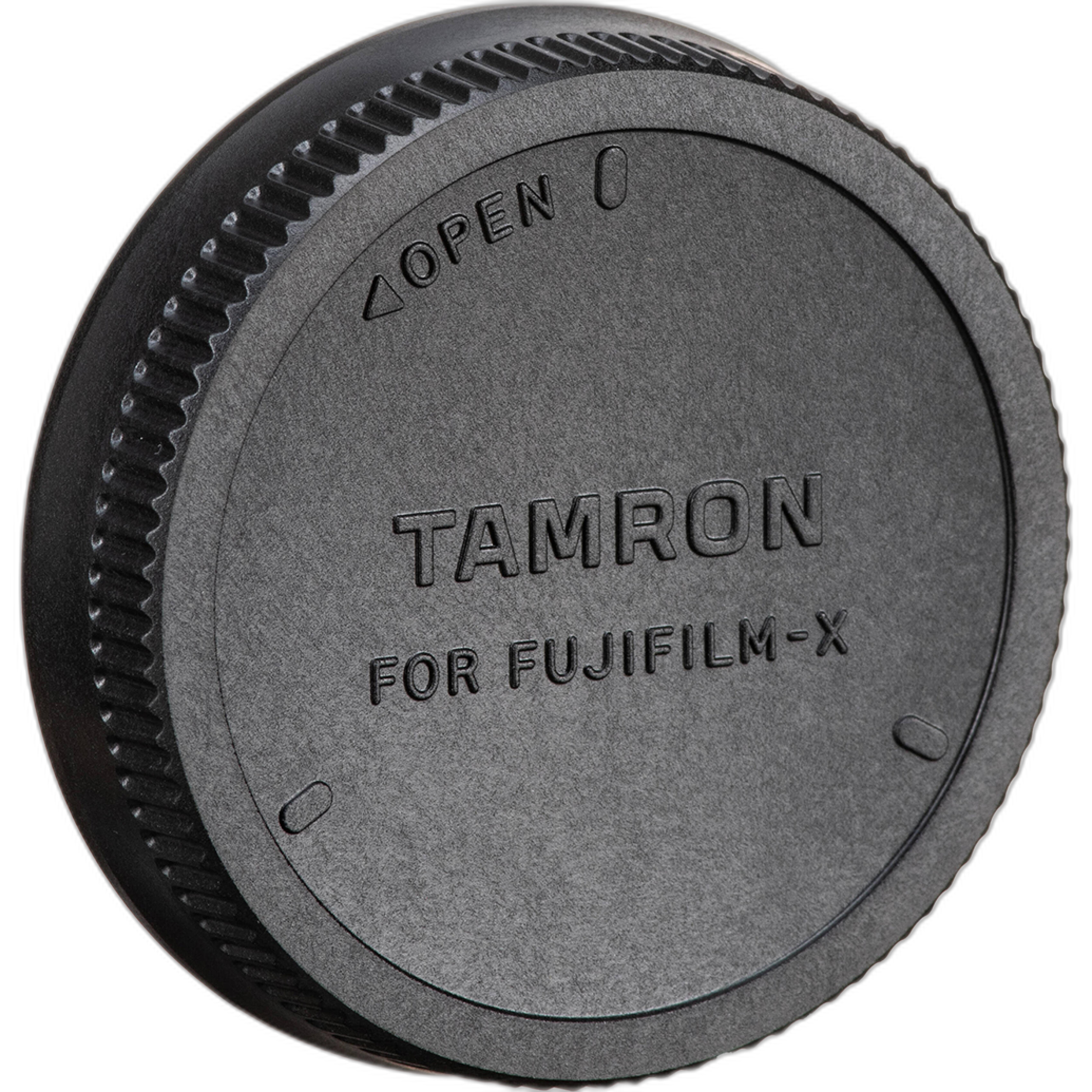
As your workflow expands, organization becomes increasingly important. Even accessories that seem unrelated at first glance can help maintain order in a mixed camera setup. For example, if you shoot film and digital Fujifilm systems side by side, simple storage items like the Tamron rear lens cap for Fujifilm X mount can help keep extra lenses protected and your workspace tidy.
Do I need special gear if I also shoot digital alongside film?
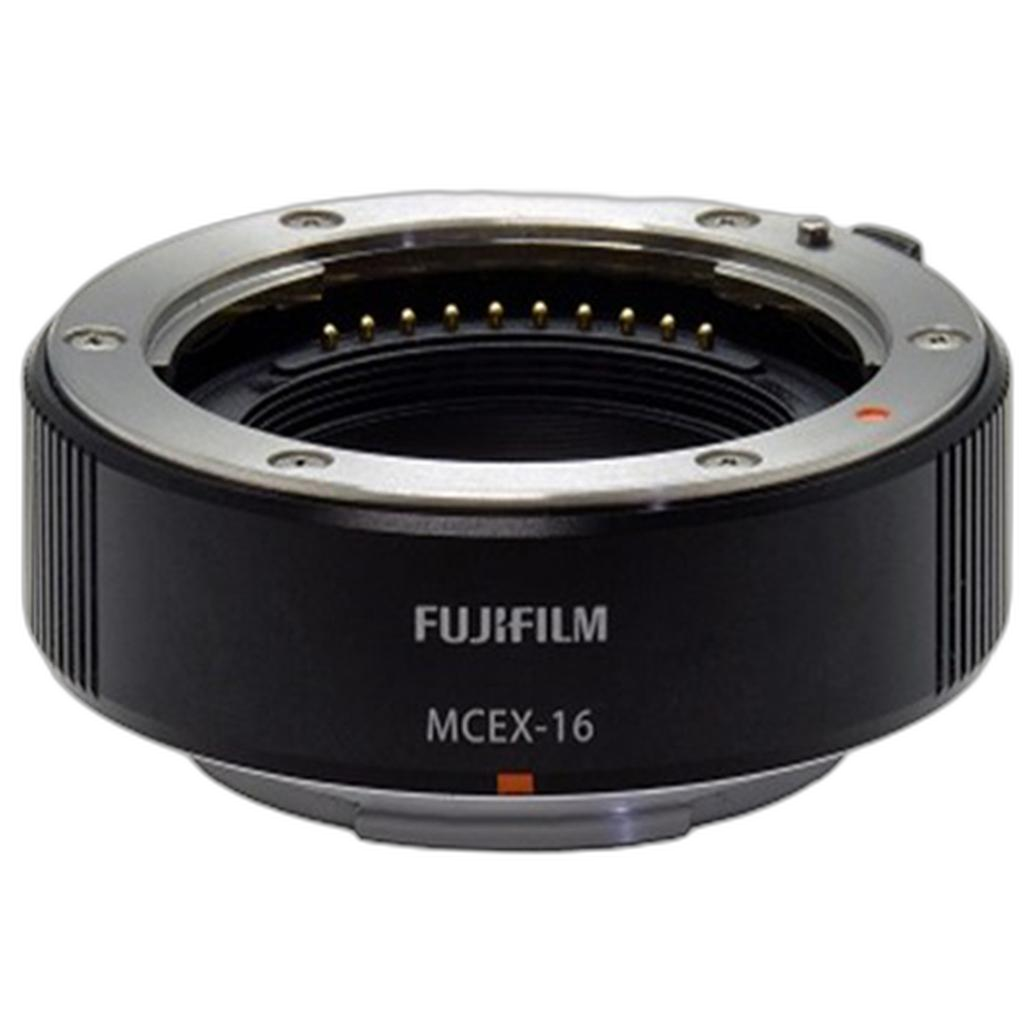
Not necessarily, but many photographers today balance both mediums. Digital can be useful for testing lighting, documenting setups, or even digitizing negatives with a copy stand and macro-capable setup. If you already use a Fujifilm mirrorless body, accessories such as the Fujifilm MCEX-16 16mm Extension Tube can be helpful for close-up work, including certain negative digitizing applications when paired with a compatible lens.
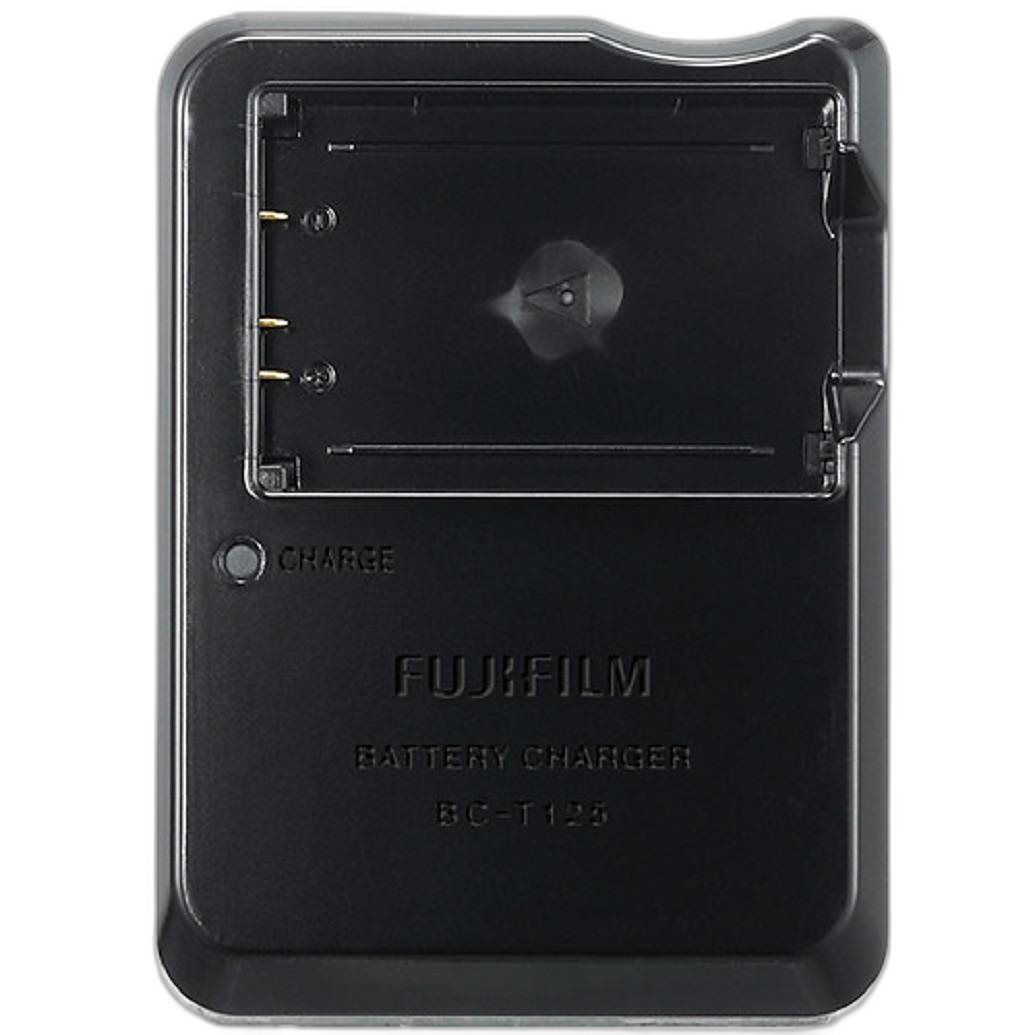
And if you rely on a digital body as part of your film workflow, dependable power is important. Keeping a dedicated charger like the Fujifilm BC-T125 Battery Charger on hand can be a smart addition for photographers using GFX cameras in a hybrid setup.
Where can beginners learn good technique and troubleshoot problems?
The best learning approach is to combine clear written instructions, manufacturer recommendations, and repeatable practice. Start with one film stock, one developer, and one process until your results are consistent. From there, make only one change at a time. That makes troubleshooting much easier than changing film, chemistry, and technique all at once.
It is also worth learning from reputable educational sources, hands-on classes, and experienced photo retailers. At Unique Photo, we help photographers narrow down practical gear choices and build workflows that match their goals, whether that means basic black-and-white developing, traditional darkroom printing, or a hybrid analog-digital setup.
Home film development becomes much easier once you simplify your process and use dependable tools. If you're ready to build your setup, explore film cameras, darkroom supplies, printing materials, and accessories at Unique Photo to get started with confidence.