Gimbal vs. Tripod for Run-and-Gun Videography: What Should You Prioritize?
For fast-moving video work, choosing between a gimbal and a tripod can feel like a bigger decision than choosing the camera itself. The right answer depends on how you shoot, how much you travel, and whether your biggest challenge is camera shake, framing consistency, or speed on location.
At Unique Photo, we usually advise run-and-gun creators to think in terms of shot type first. If you spend more time walking, following subjects, and changing angles on the move, a gimbal may deliver the biggest immediate benefit. If your work demands controlled interviews, locked compositions, or repeatable pans and tilts, a tripod is still one of the smartest investments you can make.
Is a gimbal essential for smooth shots, or can I get by with a tripod and good technique?
A gimbal is not automatically essential, but it can dramatically improve moving shots when you are shooting handheld while walking, circling a subject, or navigating tight spaces. Good handheld technique can reduce shake, and a tripod can absolutely help you create professional-looking footage, but they solve different problems. A tripod gives you stability when the camera is stationary or when you want deliberate camera movement from a fluid head. A gimbal is designed for motion.
If your run-and-gun style includes establishing shots, interviews, product demos, or B-roll where you can pause and compose, a tripod may be the better first purchase. A solid video tripod with a fluid head lets you get cleaner pans, better horizon control, and more consistent framing than handheld shooting alone. The Tilta Cine Fluid Head and One Touch Carbon Fiber Tripod Legs 17.6lb Space Gray is a strong example for creators who want support that is still travel-friendly while offering video-oriented movement control.
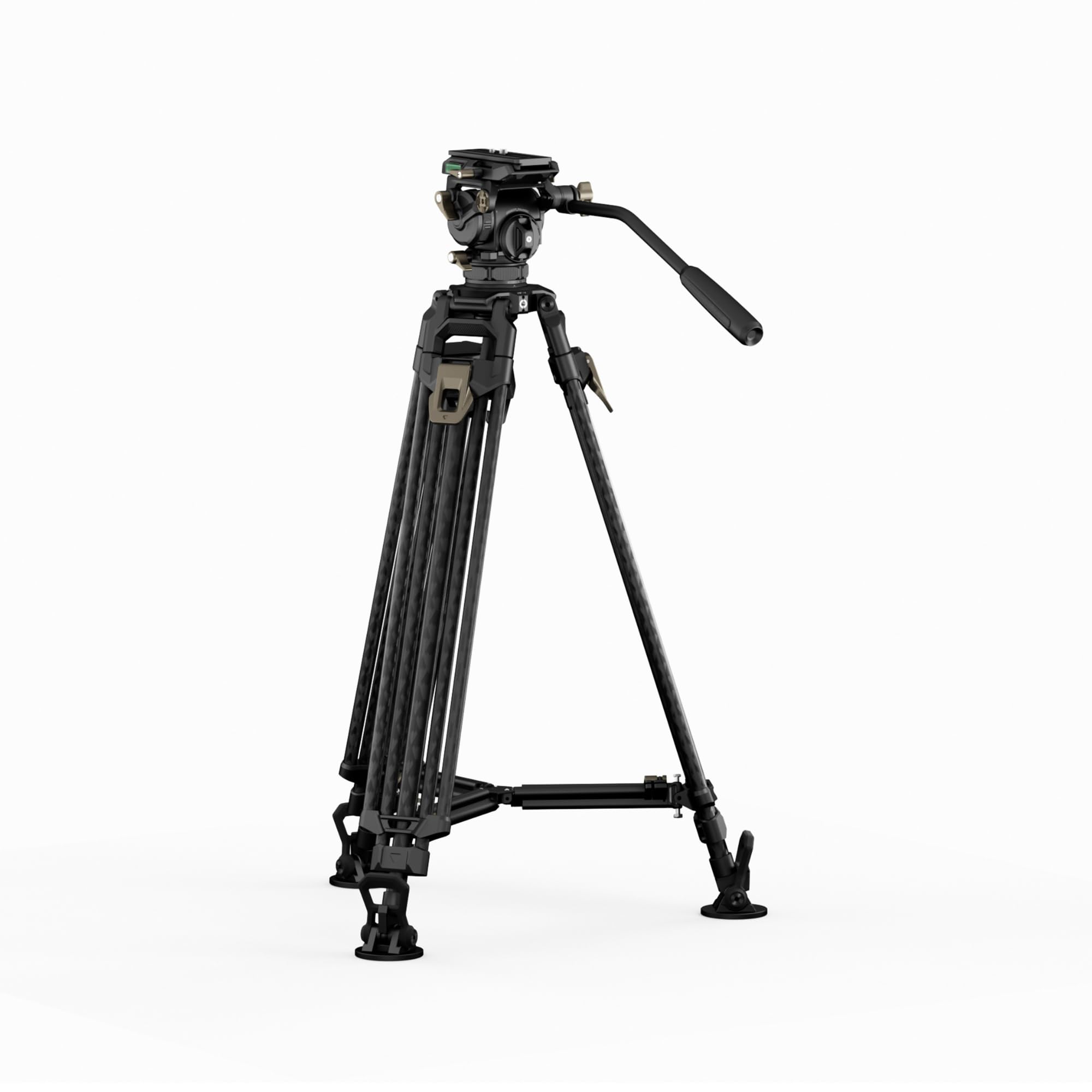
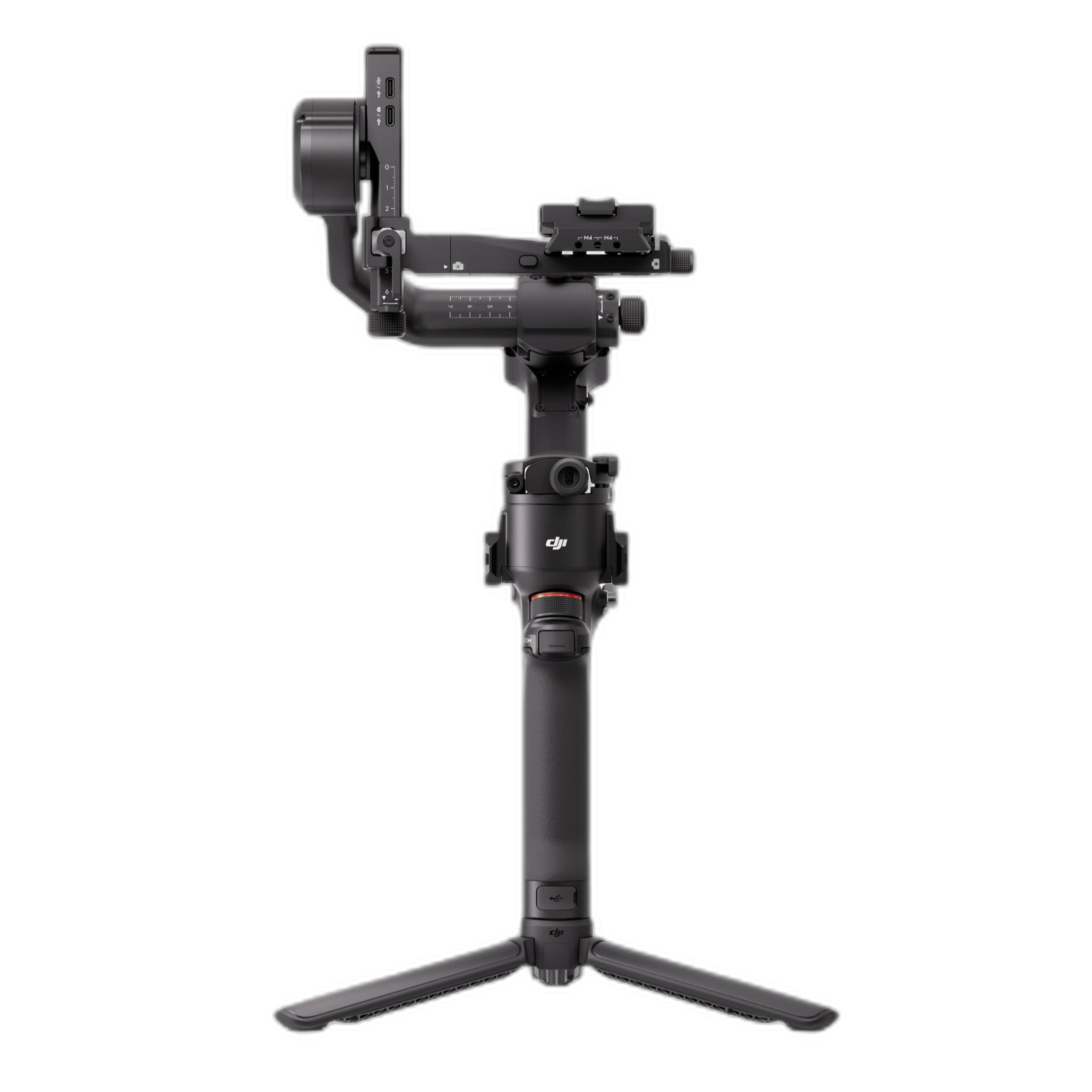
On the other hand, if your footage often involves following people through events, filming real estate walkthroughs, capturing weddings, or producing dynamic social video, a gimbal can make a bigger difference than a tripod on day one. The DJI RS 5 Gimbal is well suited for creators who want stabilized movement without stepping into a much larger cinema rig.
What should I buy first for true run-and-gun shooting?
If your priority is mobility and your subjects rarely stay in one place, start with a gimbal. Run-and-gun videography often rewards speed, and a gimbal helps you stay light, reactive, and ready to capture motion smoothly. This is especially true for creators shooting with mirrorless cameras and compact lenses.
If your assignments involve a mix of static and motion work, it is worth asking yourself how often you actually walk during the shot. Many videographers imagine they need a gimbal for every job, but in practice they may spend more time on tripod-based shots than expected. Interviews, talking-head content, venue details, performances, and cutaway shots often look best when the camera is planted and controlled.
A practical approach is this: buy a gimbal first if movement is the look you are after; buy a tripod first if reliability, speed of setup, and stable composition matter more. For many professionals, the tripod remains the most-used tool because it works in more situations and requires less prep than balancing a gimbal before every session.
Are there compact gimbals that fit in a small bag?
Yes, especially if your camera setup is reasonably compact. Modern mirrorless-focused gimbals are much more travel-friendly than earlier generations, and many can fit into a small production bag once folded or packed down. When evaluating portability, do not just look at the gimbal body itself. Think about the total kit: grip, tripod feet, batteries, quick release plates, cables, and whether you will keep the camera mounted in transit.
The DJI RS 5 Gimbal is an appealing option for creators who want a capable stabilizer without committing to a bulkier cinema-oriented setup. If you want extra accessories bundled in, the DJI RS 5 Combo can be a smart way to build out a more complete run-and-gun kit from the start.
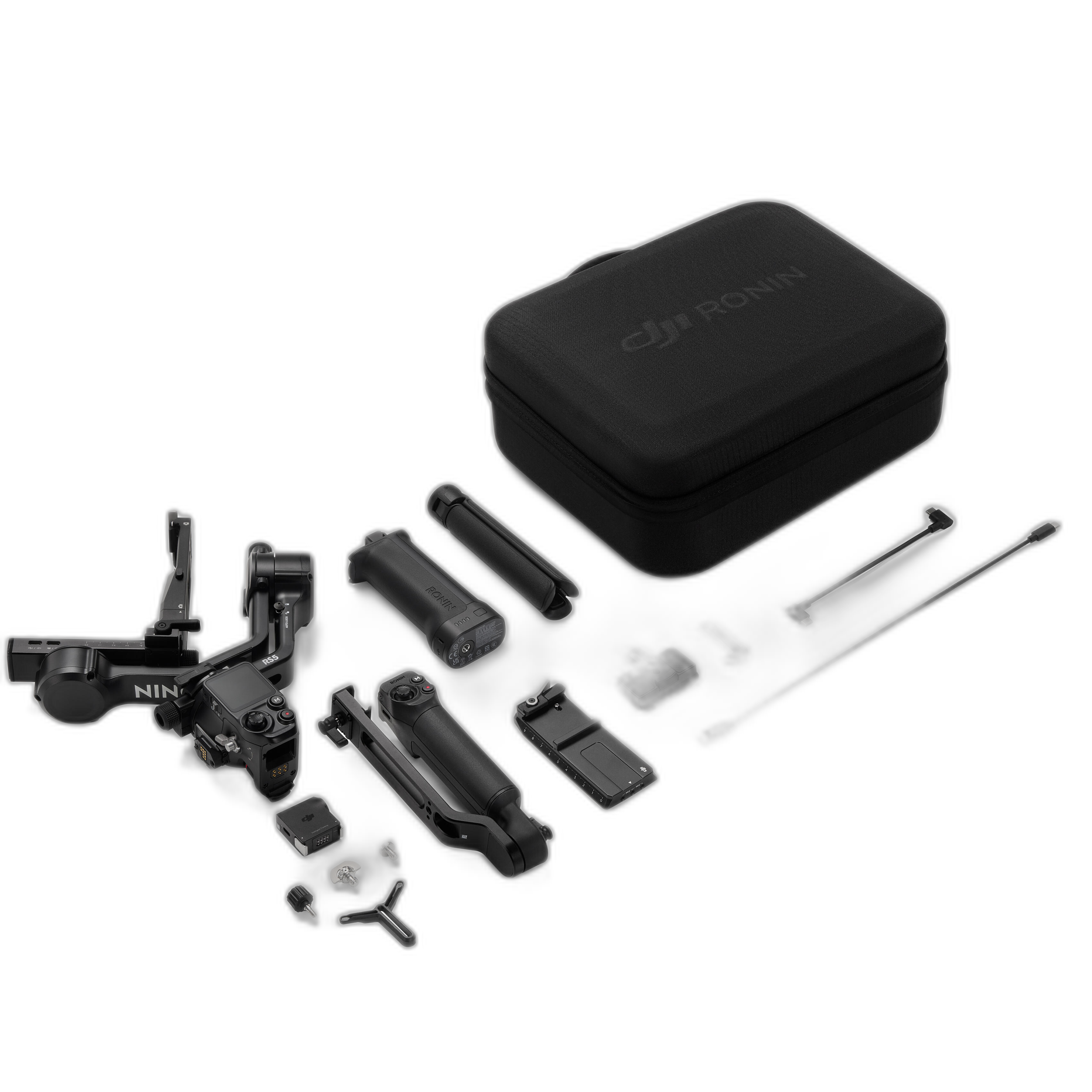
If you are flying frequently or packing for all-day location work, also consider how quickly the gimbal deploys. A compact gimbal that is easy to balance and fast to set up is often more valuable than a slightly smaller model that slows you down in the field.
What if I need a gimbal for heavier or more advanced camera setups?
As your rig gets more complex, payload capacity and accessory support become more important. That is where stepping up to a more advanced model can make sense. If you use larger lenses, follow focus systems, external monitors, or heavier camera bodies, a more robust option like the DJI RS 4 Pro Combo or the Zhiyun CRANE 4 3-Axis Handheld Gimbal Stabilizer Combo Kit may be a better fit.
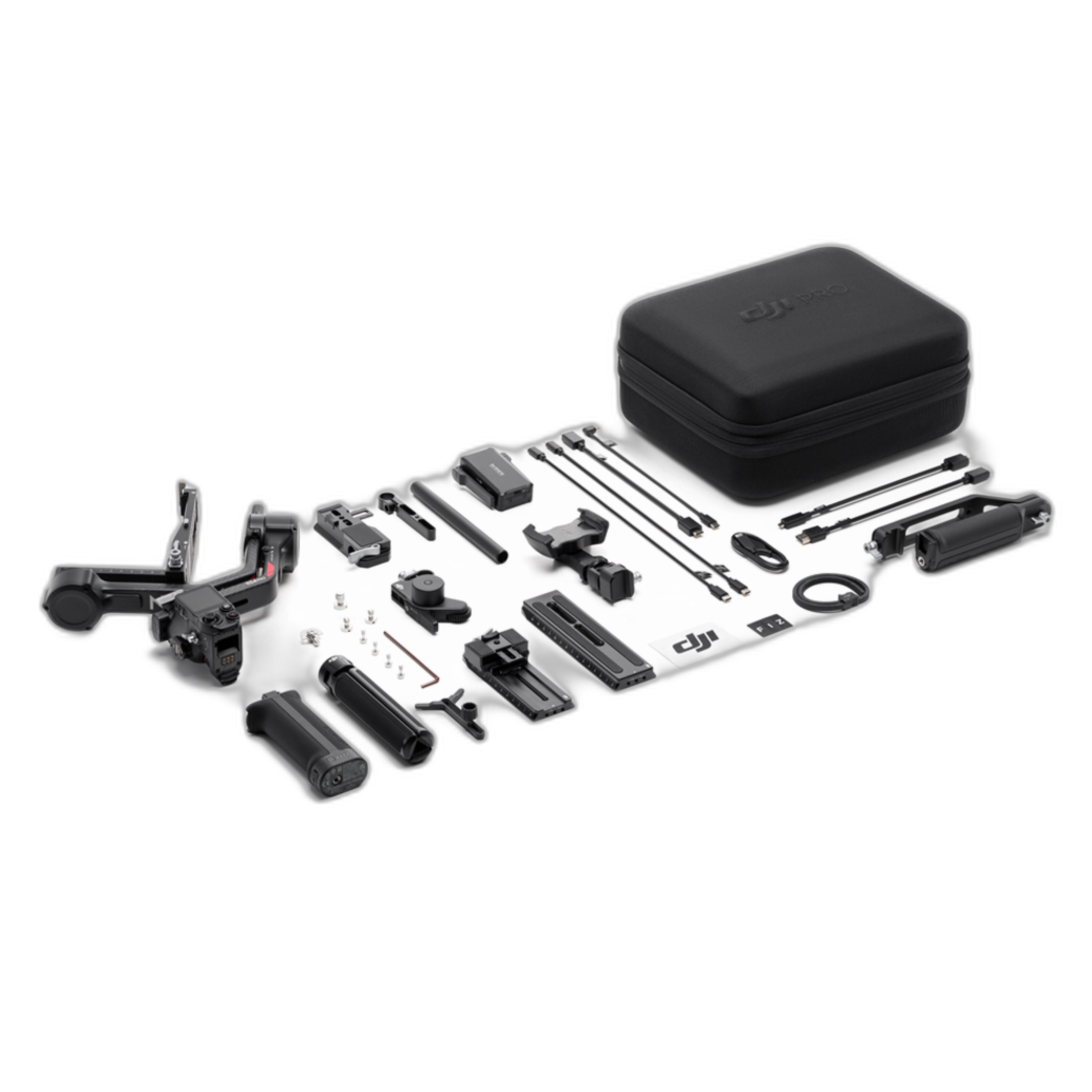
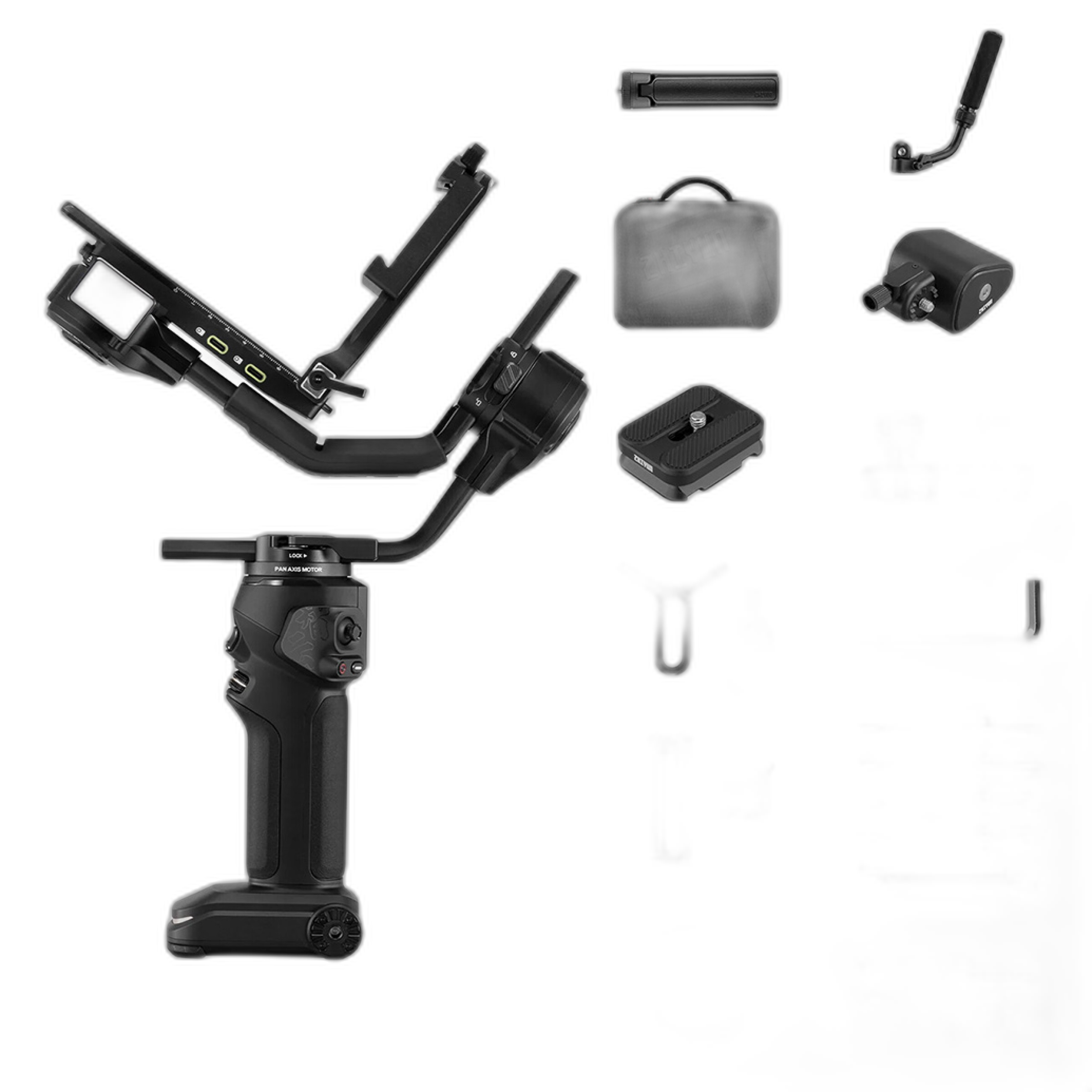
These kinds of gimbals are especially useful for videographers who are moving beyond lightweight travel shooting and into commercial, event, documentary, or wedding work where stabilization needs to remain dependable even with a more serious camera package. The tradeoff is that larger gimbals can be more tiring over long shooting days, so they are best chosen when their extra strength will actually be used.
Can a tripod still work for run-and-gun travel video?
Absolutely. A tripod is often underestimated in travel production because people associate it with slow, deliberate filmmaking. In reality, a good carbon fiber video tripod can be surprisingly effective for travel, particularly when you need to move quickly between static setups, capture telephoto shots, or shoot in places where handheld footage would look unstable.
Carbon fiber designs are especially appealing for travel because they reduce weight without giving up too much rigidity. The Tilta cine tripod line offers several useful configurations for mobile shooters, including the Tilta Cine Fluid Head and 3-Stage Carbon Fiber Tripod Legs 17.6lbs Space Gray, Forest Camo, and Snow Camo. These kits are worth considering if you want a dedicated fluid-head system for cleaner pans and tilts while staying relatively portable.
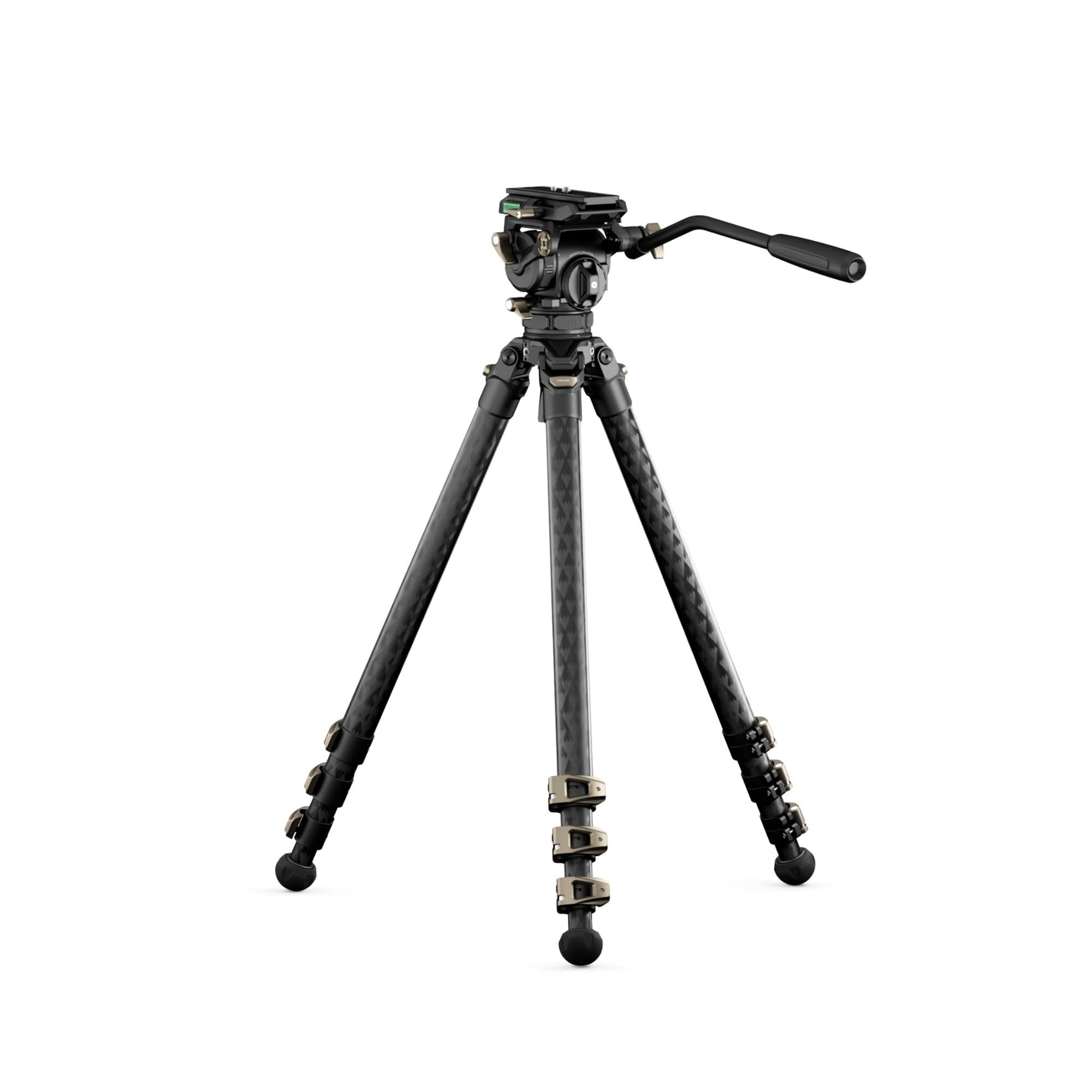
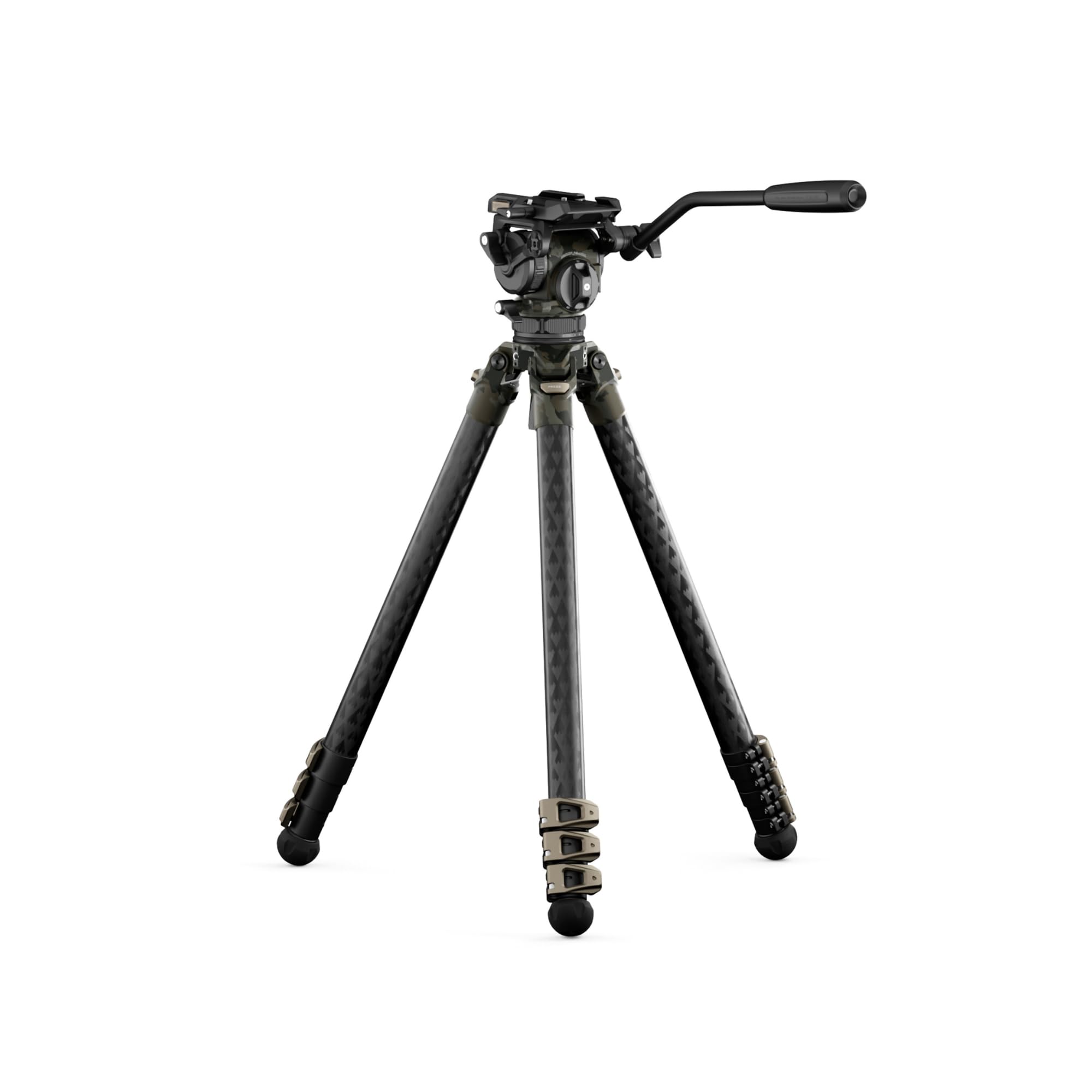
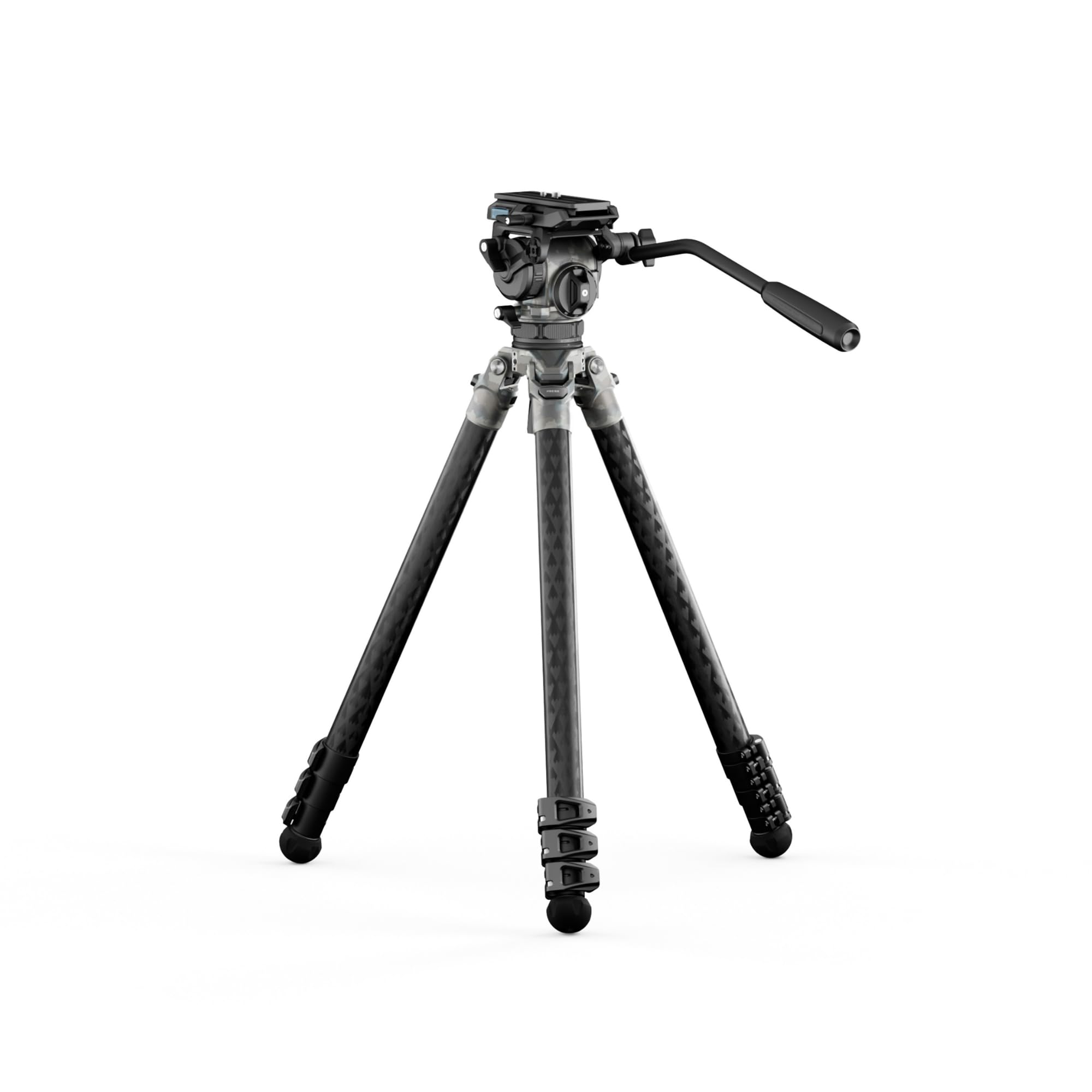
For travel video, a tripod also helps when you are working at sunrise, sunset, or indoors, where slower shutter speeds and longer focal lengths make handheld footage more difficult. If your content combines cinematic B-roll with occasional locked shots to camera, a tripod may become more useful than expected.
What about hybrid monopod or mini-tripod/gimbal setups?
Hybrid support setups can be helpful, but they do not replace the core strengths of a dedicated tripod or a dedicated gimbal. Some shooters use the built-in mini tripod feet on a gimbal for quick rest points, low-angle starts, or temporary placement between takes. Others pair a gimbal with lightweight support methods to reduce fatigue and improve flexibility.
That said, it is important to be realistic: a gimbal-based setup is still designed for stabilized movement, not for the kind of locked-off precision and fluid pan resistance you get from a true video tripod head. If you regularly need both walking shots and static coverage, the best answer is often not a single hybrid tool, but a two-piece kit built around your most common job requirements.
In practical terms, many creators start with a gimbal like the DJI RS 5 or Zhiyun CRANE 4, then add a carbon fiber tripod once they realize how often they need controlled static footage. That combination covers far more real-world scenarios than trying to force one support system to do everything.
Which brands and models are best for frequent travel?
For travel-focused videographers, DJI remains one of the easiest recommendations because of its strong balance of stabilization performance, setup efficiency, and broad ecosystem support. The DJI RS 5 Gimbal is a compelling choice for many mirrorless shooters, while the DJI RS 5 Combo adds value for those who want a more complete package. If your kit is heavier or you need more advanced support, the DJI RS 4 Pro Combo is worth serious consideration.
Zhiyun is also a strong option for shooters who want a capable 3-axis system with room for more advanced rigs, and the Zhiyun CRANE 4 Combo Kit is especially relevant for creators balancing portability with more demanding camera setups.
On the tripod side, Tilta's carbon fiber cine tripod kits are attractive for travel because they combine lower carrying weight with video-friendly fluid head operation. If your travel work includes interviews, documentary inserts, landscapes, architecture, or any shot where clean support matters more than constant movement, a Tilta tripod can be an excellent foundation.
How do I decide based on the type of video I shoot?
Think about your last five projects. If most of your standout shots involved walking, reveals, tracking movement, or weaving through a location, prioritize a gimbal. If your strongest footage came from carefully framed compositions, slow pans, locked interviews, or scenes where stability and repeatability mattered, prioritize a tripod.
Here is a simple guideline:
Choose a gimbal first if you shoot: weddings, events, real estate walkthroughs, lifestyle content, behind-the-scenes coverage, or social media video with lots of movement.
Choose a tripod first if you shoot: interviews, educational content, product videos, scenic travel pieces, long-lens B-roll, performances, or documentary setups that require consistency.
If your work spans both categories, build around the item that solves your biggest current limitation. Most creators eventually benefit from having both, but the first purchase should address the shots you are missing right now.
What is the smartest long-term setup for serious run-and-gun creators?
The best long-term setup is usually not gimbal or tripod. It is gimbal and tripod, purchased in the order that matches your work. A stabilized moving shot and a locked cinematic composition are both foundational tools in modern video production, and each serves a distinct purpose.
For many mirrorless shooters, a practical path is to start with a travel-friendly gimbal like the DJI RS 5, then add a carbon fiber fluid-head tripod such as one of the Tilta cine tripod kits. If your camera package is larger, stepping up to the DJI RS 4 Pro Combo or Zhiyun CRANE 4 Combo Kit can make more sense before adding a dedicated tripod.
At Unique Photo, we help videographers match support gear to real shooting scenarios, not just spec sheets. Whether you are building your first run-and-gun kit or upgrading for travel, events, or commercial work, explore our selection of gimbals and tripods to find the setup that keeps you fast, stable, and ready for the next shot.