Gimbal vs. Handheld Stabilizers: Which Is Best for Solo Shooters?
For solo filmmakers, vloggers, and travel creators, stabilization gear can make the difference between footage that feels polished and footage that feels distracting. The right choice depends on your camera size, shooting style, travel needs, and how much setup time you can realistically handle on a one-person shoot.
At Unique Photo, we help creators compare electronic gimbals, support systems, and lighter alternatives so they can build a kit that fits the way they actually work in the field.
Are electronic gimbals worth the extra setup time?
In many cases, yes. Electronic gimbals offer a level of smoothness that is difficult to match with simple handheld techniques alone, especially when you are walking, tracking a subject, or creating cinematic movement. For solo shooters, they are particularly valuable when you need repeatable, professional-looking motion without a second operator.
The tradeoff is setup. A gimbal needs to be balanced correctly, powered on, and sometimes tuned to the payload. If you frequently switch lenses or accessories during the day, that setup time can add up. However, for creators producing travel videos, real estate walk-throughs, event clips, or social video with lots of movement, the benefit often outweighs the inconvenience.
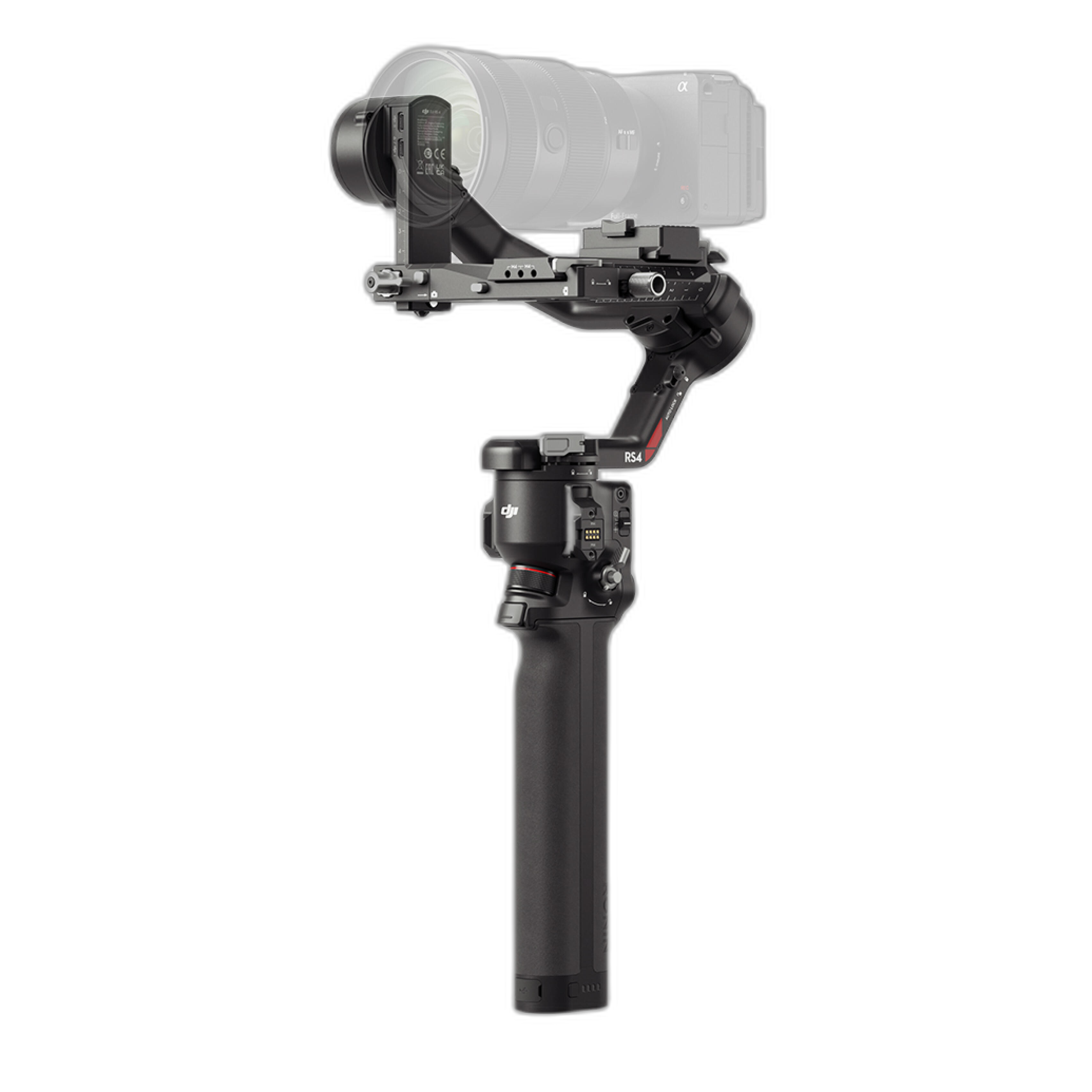
If you want a modern option with strong performance for demanding shoots, the DJI RS 4 is an excellent choice for creators who want advanced stabilization and a professional workflow.
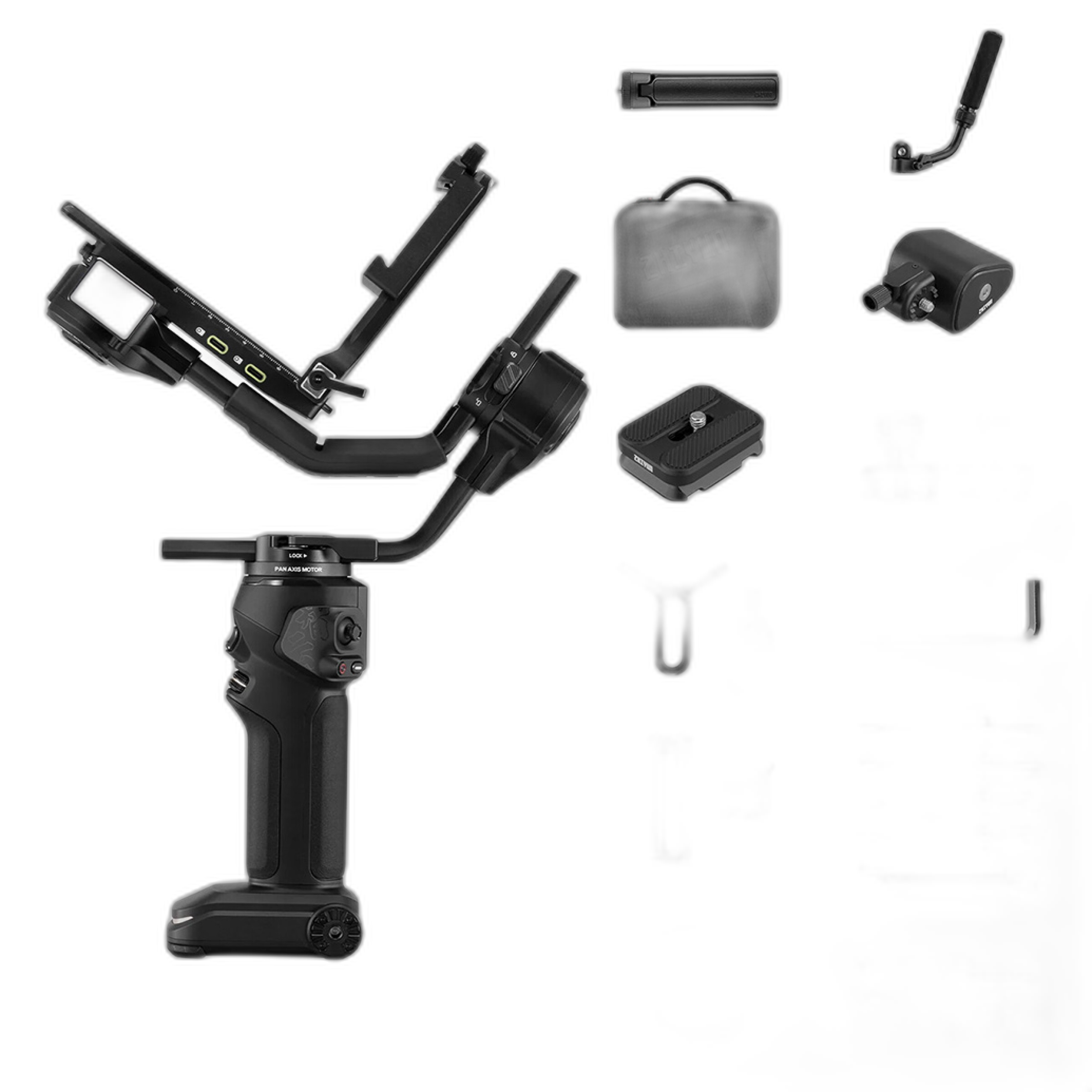
For users who need support for heavier builds or more feature-rich shooting, the Zhiyun CRANE 4 3-Axis Handheld Gimbal Stabilizer Combo Kit is another strong option worth considering.
What is the biggest advantage of a gimbal for a one-person crew?
The biggest advantage is movement control. A gimbal allows a solo shooter to walk with the camera, follow a subject, reveal a location, or create smooth push-ins and pull-backs without needing a larger crew or support cart. That is especially helpful when you are both directing and operating at the same time.
Gimbals also help when shooting in tight travel environments where tripods are inconvenient or too slow to reposition. If your content relies on motion shots rather than static framing, a gimbal can dramatically improve production value while keeping your kit compact enough for run-and-gun work.
What affordable gimbal options are best for lightweight mirrorless cameras?
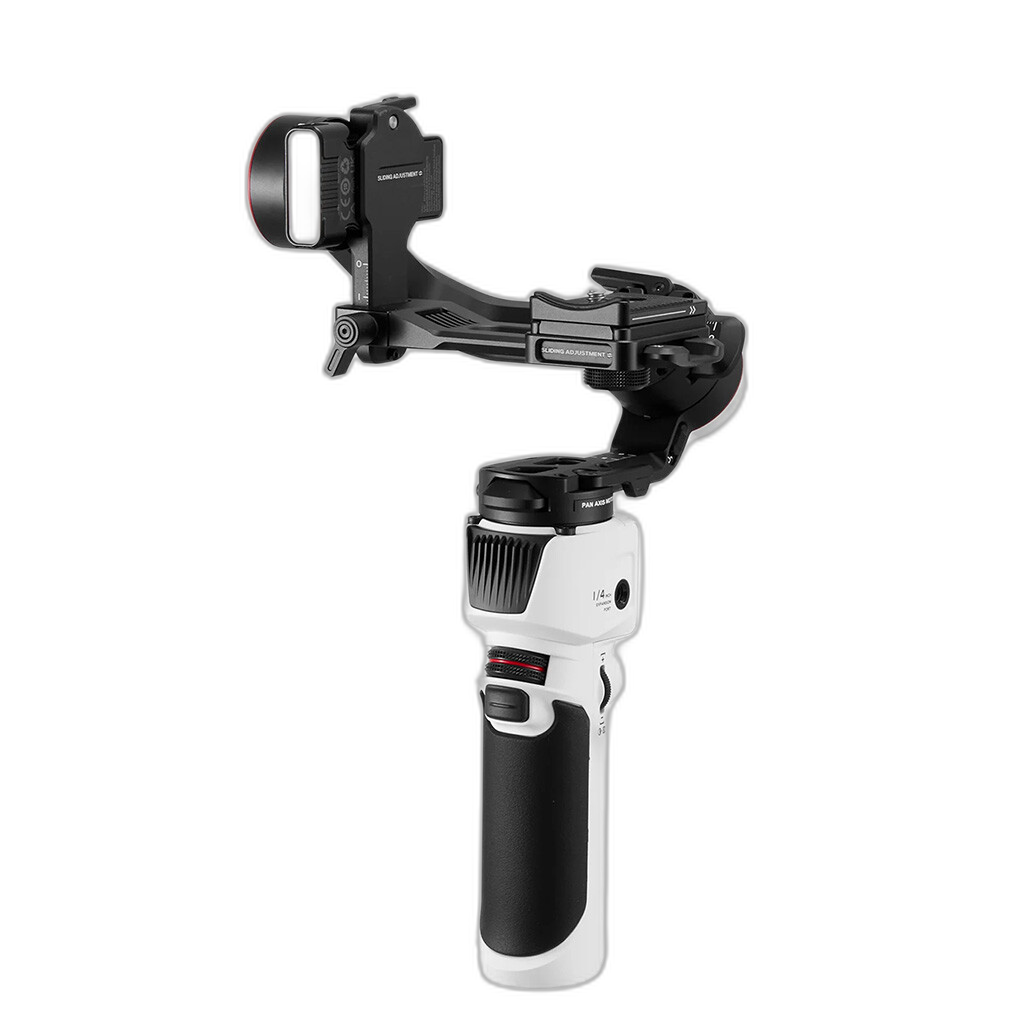
For lightweight mirrorless setups, compact gimbals are often the sweet spot. They are easier to carry all day, quicker to rebalance, and less intimidating for creators who are newer to stabilization tools. The Zhiyun CRANE M3S Handheld Gimbal Stabilizer Combo is a particularly appealing option for small mirrorless cameras and creator-focused rigs because it keeps size and weight manageable while still delivering motorized stabilization.
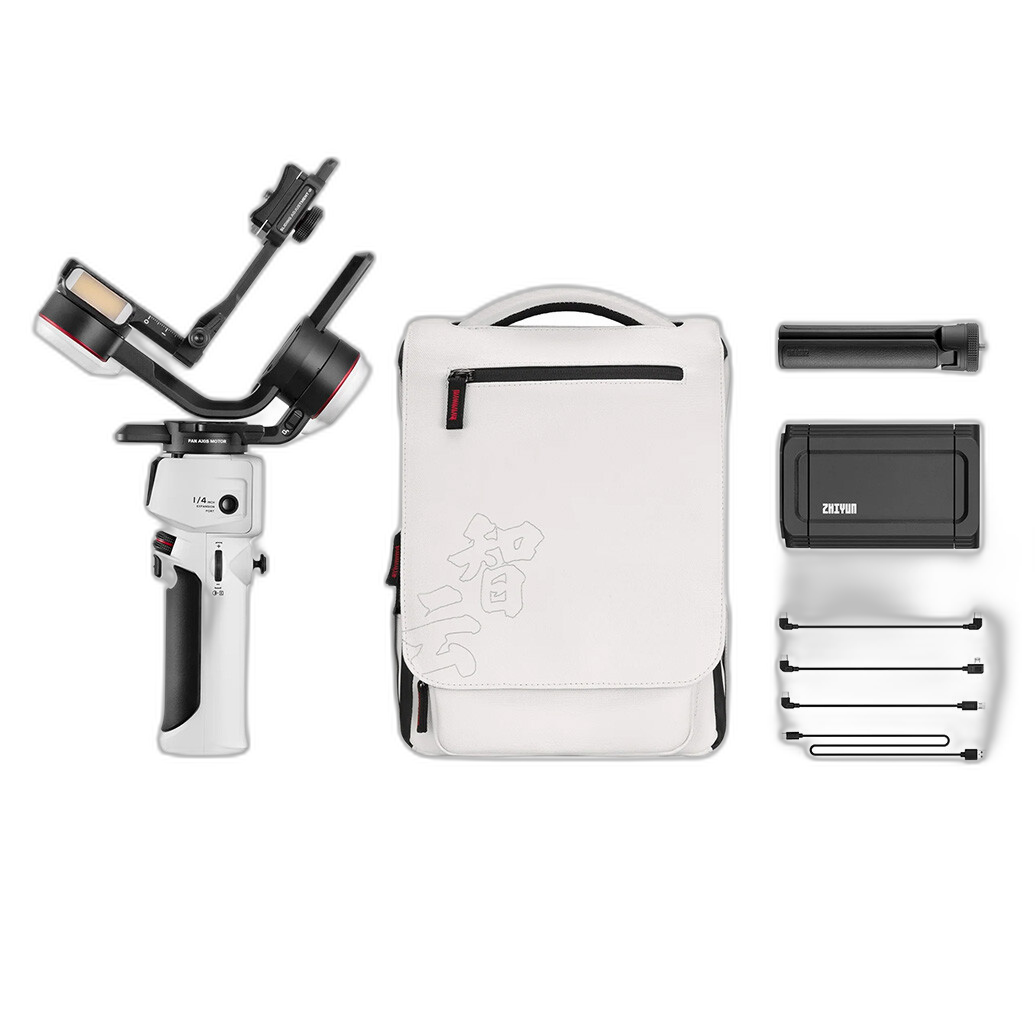
If budget matters most, shopping used can be a smart way to start. Unique Photo often carries used stabilization gear that can help new video creators stretch their budget. A used Zhiyun CRANE M3S can be especially attractive for those who want a compact current-generation style gimbal at a lower cost of entry.
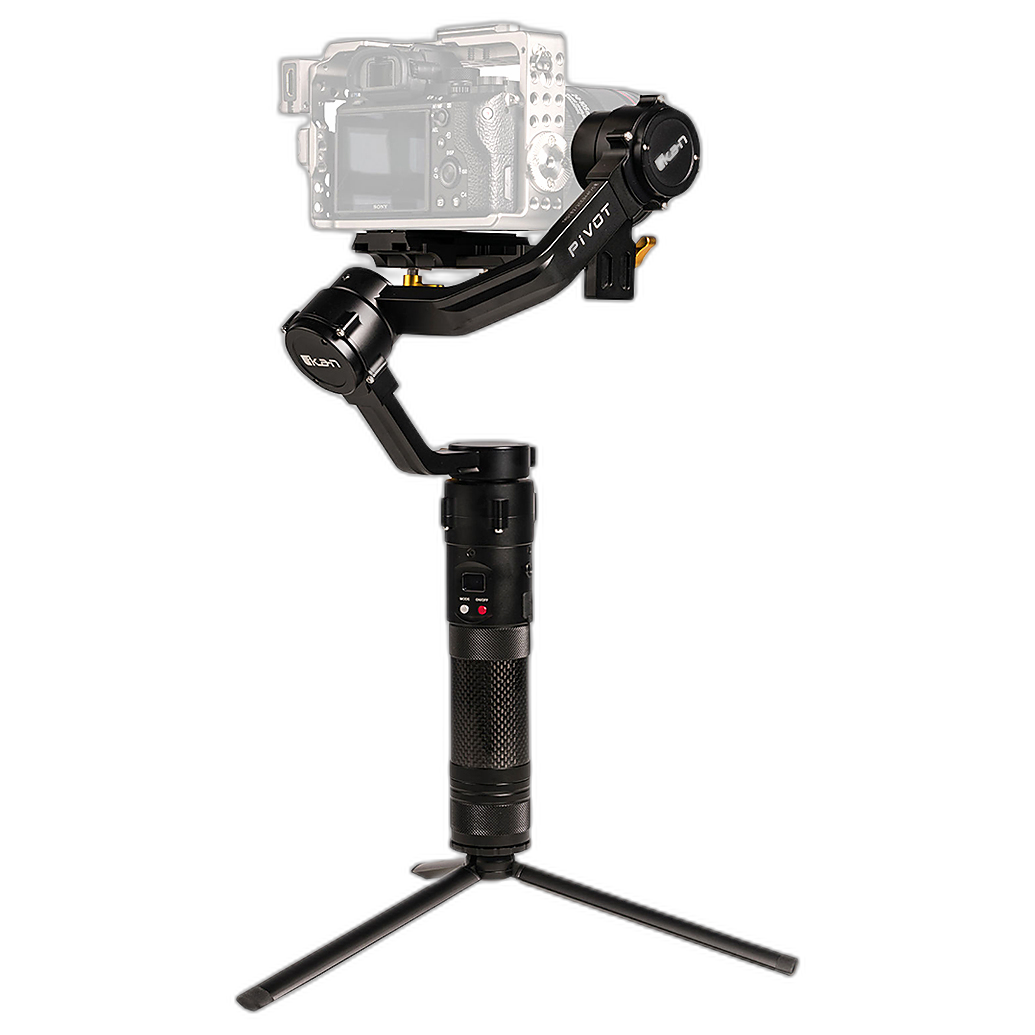
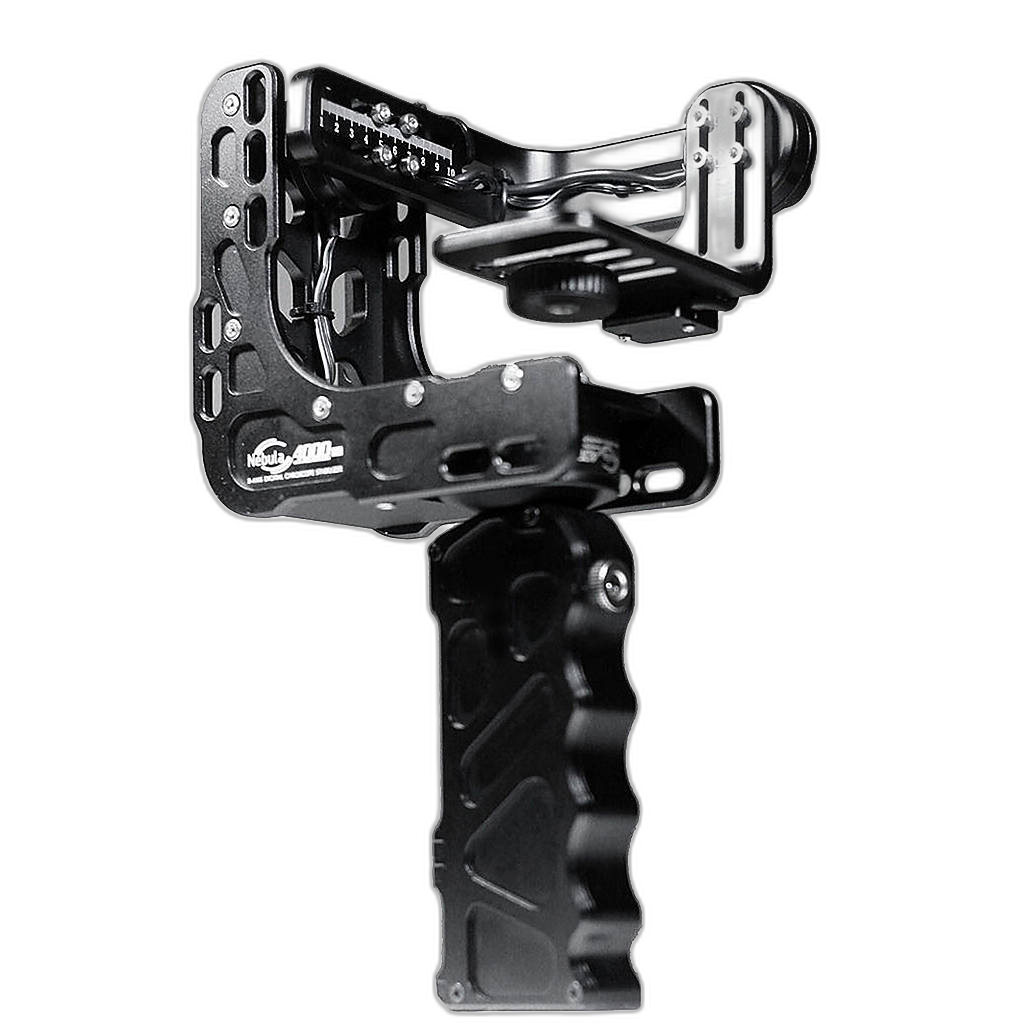
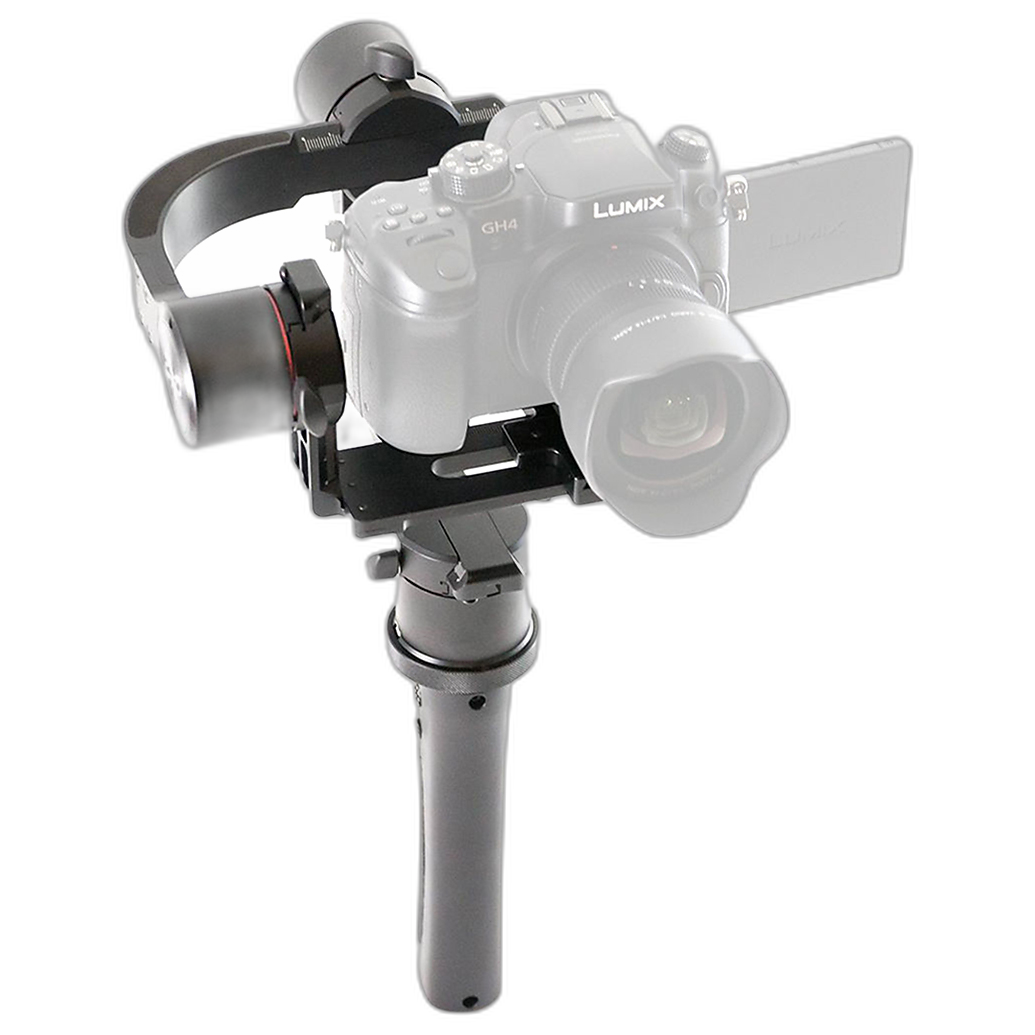
Other used options such as the ikan PIVOT, Nebula 4000 Lite, and Pilotfly H2 may also suit budget-conscious shoppers, particularly if you are building a starter video kit and want to prioritize stabilization without buying new.
Can monopods or handheld rigs still work well for travel video?
Yes, depending on the look you want. A monopod, compact support rig, or careful handheld technique can absolutely produce usable and even attractive travel footage. These options are often faster to deploy than a gimbal, take up less bag space, and work well when you are mainly shooting short clips, static shots, or controlled camera moves.
That said, they do not replace a gimbal for walking shots or fluid tracking motion. If your travel style is light, spontaneous, and focused on documentary-style clips, a simpler support method may be enough. If you want smoother motion while exploring cities, resorts, or landscapes, a gimbal will usually deliver a more polished result.
How important is battery life for all-day shooting?
Battery life matters a great deal when you rely on a gimbal as your primary movement tool. A gimbal with strong battery performance reduces downtime, keeps your workflow moving, and gives you confidence during long event coverage, travel days, or location shoots where charging opportunities are limited.
For all-day use, consider not only rated runtime but also how often you power the gimbal on and off, whether your camera payload is near the upper limit, and whether accessories such as microphones, monitors, or focus motors increase strain. Heavier setups generally place more demand on the system, so choosing a gimbal with enough headroom is important.
If you regularly shoot for extended periods, a robust option like the DJI RS 4 or Zhiyun CRANE 4 can make more sense than trying to push a smaller model beyond its ideal use case.
Should I choose a compact gimbal or a larger professional model?
Choose a compact gimbal if portability is your top priority and your camera setup is relatively light. This is often the best fit for mirrorless cameras, travel creators, hybrid shooters, and solo operators who want a stabilization tool they will actually carry regularly.
Choose a larger professional model if you use heavier lenses, full-frame bodies, accessory-heavy rigs, or need a bit more flexibility for commercial work. A larger model can feel less convenient in transit, but it usually rewards you with better payload capacity, more comfortable handling for demanding setups, and room to grow your rig over time.
The Zhiyun CRANE M3S is ideal for smaller kits, while the Zhiyun CRANE 4 and DJI RS 4 make more sense for creators who expect to scale up their production needs.
Are used gimbals a good idea for beginners?
Used gimbals can be an excellent choice for beginners, especially if you are still learning what type of video work you enjoy most. Buying used can lower the cost barrier and let you experiment with stabilization before investing in a higher-end system.
At Unique Photo, used options such as the Nebula 4000 Lite, Pilotfly H2, and ikan PIVOT can appeal to shooters who want to enter the gimbal world without stretching their budget too far. The key is to match expectations to the product: older or used units can still be useful, but newer gimbals generally offer easier balancing, better ergonomics, and more refined performance.
What if my gimbal works well, but my arms do not?
Fatigue is a real issue for solo shooters, especially during weddings, long-form event coverage, or commercial production days. Even a well-balanced gimbal becomes tiring over time, particularly with larger cameras and repeated takes. That is where support systems can make a major difference.
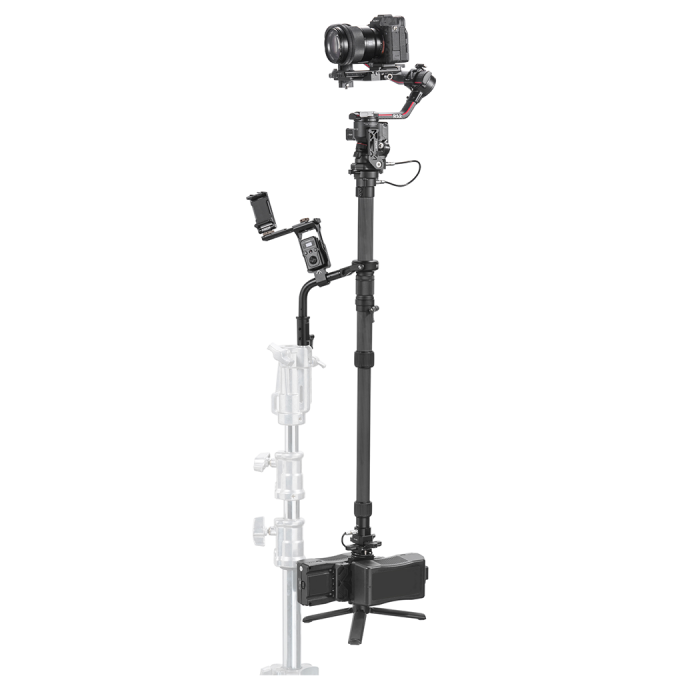
If you already use a compatible DJI gimbal and need to reduce strain during long shoots, the Tilta Float Handheld Gimbal Support System for DJI RS2/3 can help shift weight more comfortably and support longer operating sessions. This kind of accessory is especially valuable when you need the mobility of a gimbal but cannot afford to sacrifice endurance during a full day of production.
So which option is best for most solo shooters?
For most solo shooters, an electronic gimbal is the best choice when smooth movement is a major part of the final video. It offers the strongest visual improvement for walking shots, reveal shots, and dynamic scene transitions. A compact model is usually the smartest starting point for lightweight mirrorless users, while a higher-capacity model is better for advanced rigs and commercial work.
If your priority is simplicity, low weight, and quick deployment, handheld support methods still have value. But if you consistently want cleaner movement and more polished footage, a dedicated gimbal is usually the more effective investment.
Whether you are shopping for a compact creator gimbal, a full-featured pro stabilizer, or a budget-friendly used option, Unique Photo has a strong selection to help you build the right solo video kit. Explore our gimbals and support gear to find the setup that matches your camera, your workflow, and your next shoot.