Introduction: Choosing Film for Portraits Starts With the Right Camera
Portrait film photography is as much about rendering as it is about technical image quality. Skin tone response, highlight roll-off, grain structure, contrast, and the way a lens draws all combine to shape the final portrait. For photographers exploring film selection for portraits, medium format remains one of the most rewarding places to start, especially when paired with a proven portrait lens and dependable studio lighting.
Among the options here, the Used Contax 645 w/ 80mm f/2 Planar T* and 2 Film Backs - Really Good stands out as the most compelling portrait-oriented film platform. Its reputation is built on beautiful Zeiss rendering, medium format depth, and a shooting experience that complements portrait work exceptionally well. While this article focuses on film selection, the camera body and lens matter enormously because they define how those emulsions are translated into real images.
For photographers building a portrait workflow around film, this Contax kit is positioned as a premium used medium format setup that pairs wonderfully with classic portrait stocks. It is the kind of camera you choose when you want portraits to feel dimensional, polished, and unmistakably analog. If you are shopping for one, Unique Photo is an excellent place to buy used camera gear with confidence.
Why the Contax 645 Makes Sense for Portrait Film Photography
The Contax 645 has long held a near-legendary status among portrait photographers, and it is easy to understand why. The included 80mm f/2 Planar T* hits a sweet spot in medium format: flattering perspective, shallow depth of field, and a look that feels refined without becoming overly clinical. In portrait work, that matters more than sheer sharpness. The combination gives faces shape, keeps transitions smooth, and produces backgrounds that feel elegant rather than distracting.
When discussing film recommendations for portraits, camera choice often gets overlooked. Yet a medium format negative changes the character of film dramatically. Grain appears finer, tonal transitions become smoother, and the natural subject separation from an 80mm lens on 645 format creates an upscale portrait look even with relatively modest film stocks.
The fact that this used kit includes two film backs is especially useful. Portrait photographers can load one back with a color negative stock and the other with black-and-white film, or use one for daylight-balanced film and another for a higher-speed option. That flexibility makes real-world portrait sessions much easier.
Film Recommendations for Portraits
Color Negative Film: The Safest and Most Versatile Choice
For most portrait photographers, color negative film remains the best starting point. It offers broad exposure latitude, forgiving highlight retention, and generally flattering skin tone reproduction. In a camera like the Contax 645, these strengths become even more apparent. Medium format color negative film delivers creamy tonal transitions that are particularly attractive for headshots, environmental portraits, and fashion-inspired work.
My general recommendation is to choose portrait film stocks based on the mood you want:
- Warm, romantic portraits: ideal for natural light sessions, family portraits, and lifestyle work.
- Neutral, polished color: excellent for commercial portraiture, editorial work, and consistent skin tones.
- Higher-speed color film: useful for lower light, handheld shooting, or dynamic portrait sessions.
The Contax 645 excels with all of these because the 80mm Planar has enough character to make softer or more forgiving films feel rich rather than mushy, while still extracting plenty of detail.
Black-and-White Film: Timeless for Character-Driven Portraits
If your portrait style leans emotional, graphic, or classic, black-and-white film is still one of the strongest choices available. In medium format, black-and-white portrait film gains a depth and tonal elegance that is difficult to replicate digitally. Skin texture can look natural and expressive, and the larger frame size helps preserve subtle gradation across faces.
This is where the second film back in the Contax kit becomes a major advantage. You can keep one back loaded with black-and-white film and swap when the mood or lighting shifts. For portrait specialists, this is more than convenience; it expands creative options during the session without interrupting momentum.
Lower ISO vs Higher ISO for Portraits
For controlled portraits, lower ISO film is usually the ideal choice. It provides finer grain and cleaner tonality, especially in medium format. In studio conditions or bright window light, lower-speed film lets the Contax system produce images with an almost luminous quality.
Higher ISO film still has a place, especially for environmental portraits, evening sessions, or photographers who prefer handheld natural light work. The tradeoff is more visible grain and often more contrast, but on 645 format that grain tends to remain attractive rather than distracting.
Lens Character and Portrait Rendering
The Included 80mm f/2 Planar T*
The heart of this kit is the 80mm f/2 Planar T*. It is one of the main reasons photographers seek out the Contax 645 for portraits in the first place. The lens offers enough speed to create a shallow, luxurious look while maintaining a highly usable focal length for everything from half-body portraits to tighter framing.
Its rendering complements portrait film beautifully. Skin tones feel rounded, out-of-focus areas remain smooth, and images often carry that subtle Zeiss microcontrast that gives portraits presence without harshness. This is especially valuable with color negative film, where the final look depends heavily on tonal nuance rather than obvious digital-style crispness.
Comparing the Look to Other Portrait Optics
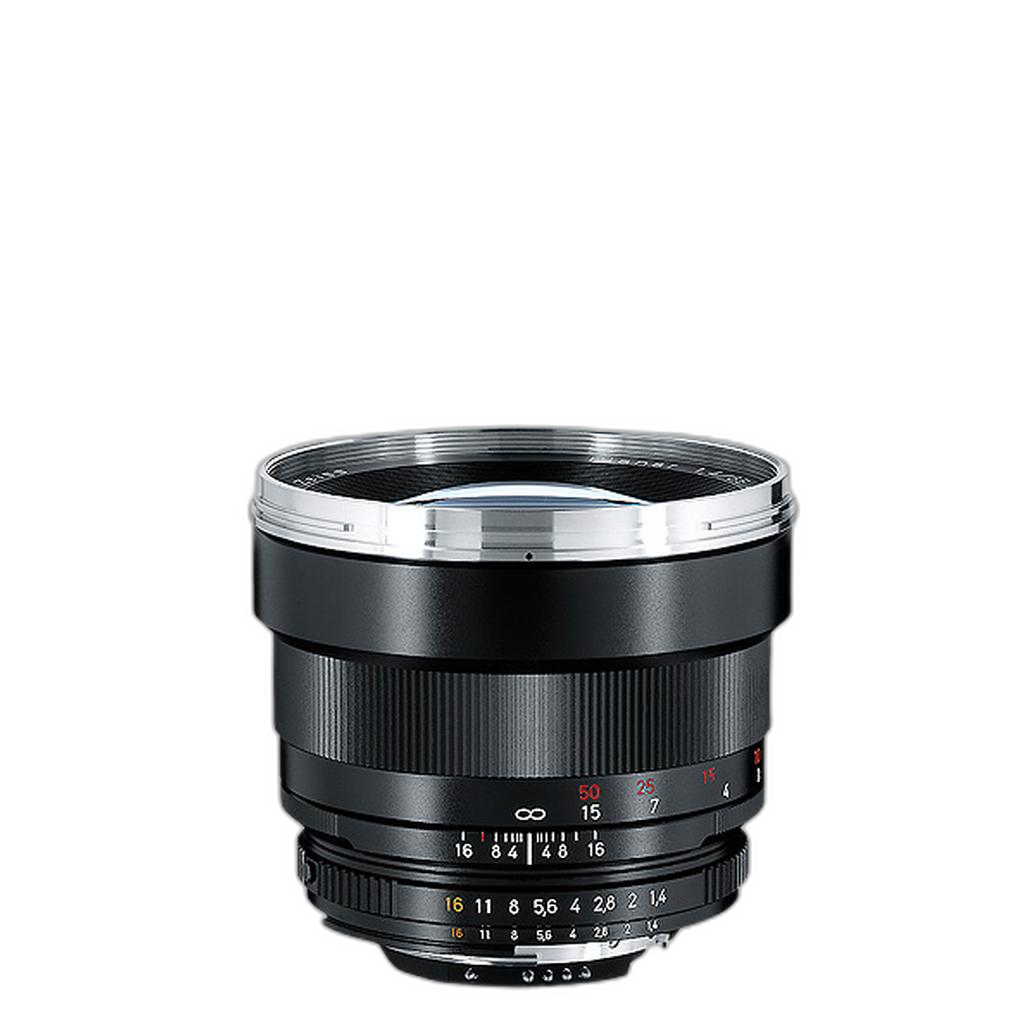
For photographers familiar with classic portrait glass, the appeal of Zeiss rendering is easy to appreciate. Even outside the Contax system, lenses like the Zeiss Planar T 85mm f/1.4 ZF.2 Portrait Lens for Nikon Mount - Black have built a reputation for producing portraits with strong dimensionality and elegant falloff. That same visual philosophy carries into the Contax 645 lens experience: portraits feel intentional, premium, and visually rich.
How Lighting Affects Film Choice in Portraits
Studio Portraits and Controlled Light
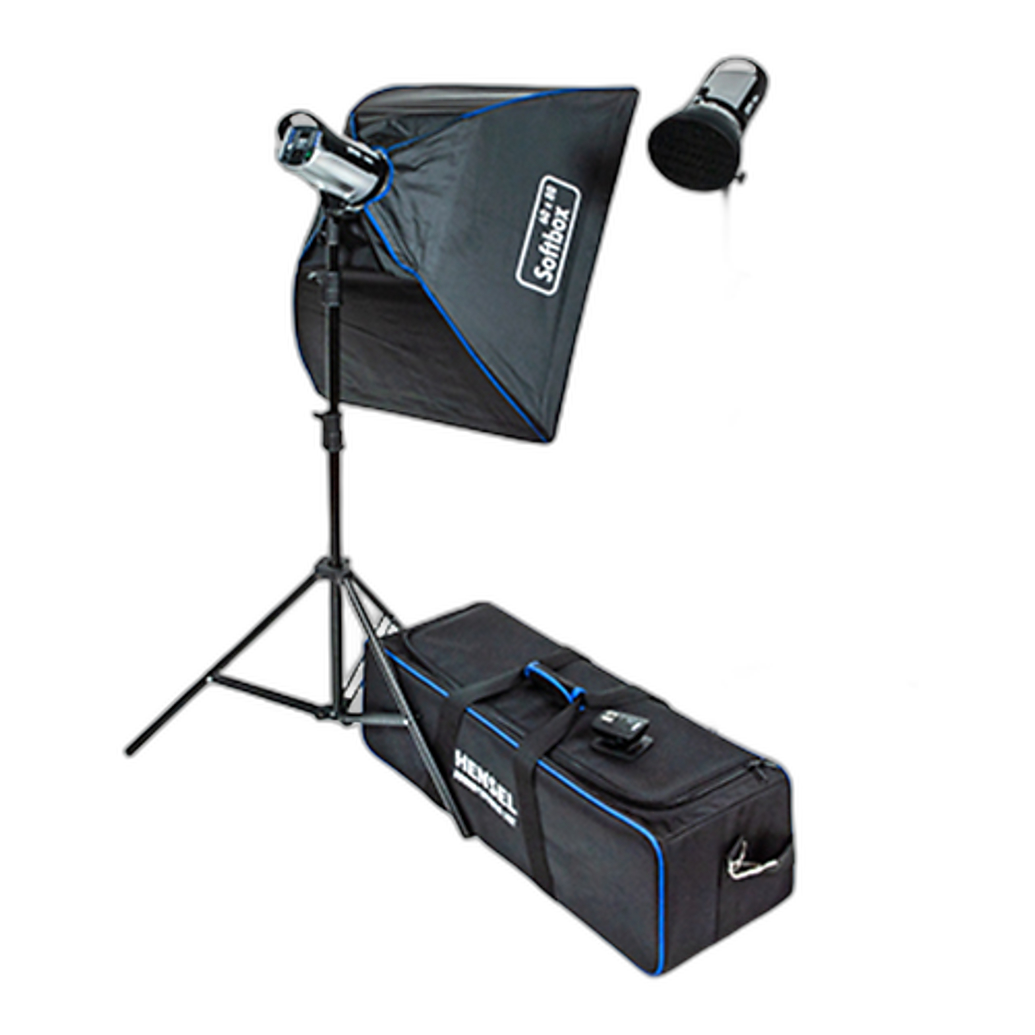
When shooting portraits on film in a studio, consistency matters. Reliable strobes let you expose for cleaner shadows, richer midtones, and predictable skin tone results. That is especially useful when using lower ISO portrait films. A kit like the Hensel Certo Portrait Kit is well suited to this kind of work, giving film photographers a controlled environment where exposure becomes repeatable from frame to frame.
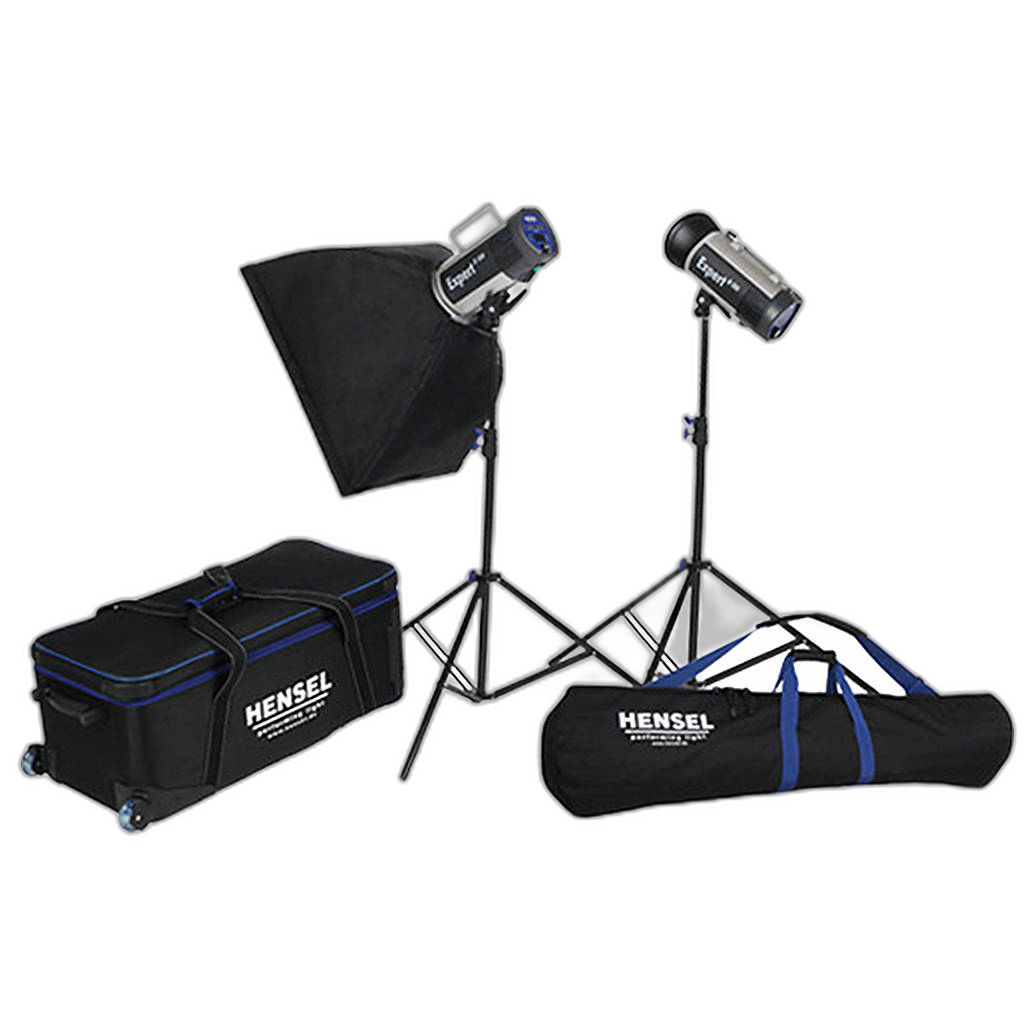
Likewise, the Hensel Expert D 1000 Kit offers the kind of output and consistency that can help film shooters maintain dependable results, particularly when balancing modifiers, lower-speed film, and medium format depth of field demands.
Why This Matters for Film Selection
Better lighting expands your film options. If you have strong, consistent light, you can confidently use slower films for finer grain and smoother tonality. If your lighting is limited or variable, higher-speed portrait films become more practical. In other words, the best portrait film is not chosen in isolation; it is chosen based on your camera, lens, and lighting setup.
Experience in Use: What This Kit Does Well for Portraits
In real portrait use, the Contax 645 offers a shooting rhythm that encourages deliberate composition. That slower pace is an advantage with film portraits. Subjects often settle into the session more naturally, and the photographer tends to make more intentional framing and exposure decisions. The 645 format also provides a strong balance between image quality and practicality, giving more exposures per roll than larger medium format systems while still delivering a distinctly medium format look.
The included dual film backs make the camera especially practical for portrait sessions. One back can be dedicated to a soft, pastel-leaning color stock, while the other holds a punchier black-and-white film. That flexibility is difficult to overstate for photographers who want to tailor film choice to wardrobe, mood, or lighting.
Because this is a used camera kit, condition matters, but the appeal remains clear: this is a professional portrait tool with a rendering style many photographers still actively seek out. If your goal is portraits with presence, analog richness, and the visual signature medium format is known for, this setup remains highly desirable.
Pros and Cons
Pros
- Excellent medium format portrait rendering with the 80mm f/2 Planar T*
- Two film backs add real flexibility for switching film stocks during a session
- Beautiful tonal transitions and subject separation for portrait work
- Strong match for both color negative and black-and-white portrait films
- Used pricing can make a premium portrait system more attainable
- Ideal platform for photographers who want a deliberate, refined portrait workflow
Cons
- As a used medium format system, condition and service history are important considerations
- Slower, more deliberate operation than modern digital portrait cameras
- Film and processing costs add up quickly for high-volume portrait work
- Best results often come with a well-controlled lighting setup
Verdict
For photographers researching film selection for portraits, the biggest takeaway is that film choice works best when paired with the right capture platform. The Used Contax 645 w/ 80mm f/2 Planar T* and 2 Film Backs - Really Good is an outstanding portrait-oriented medium format camera because it flatters nearly every classic portrait film category: low-ISO color negative, higher-speed natural light stocks, and expressive black-and-white emulsions alike.
Its Zeiss 80mm lens is the star, delivering the kind of rendering portrait photographers often describe as cinematic, dimensional, and elegant. Add the convenience of two film backs, and this kit becomes even more practical for serious portrait sessions.
If you want a film camera that truly rewards thoughtful portrait shooting, this is a highly recommended option. Pair it with dependable studio strobes like the Hensel kits shown here when you want maximum consistency, or shoot available light with your favorite portrait stock for a more organic feel. Either way, this is a camera system that elevates the portrait experience. For photographers ready to buy, check Unique Photo for availability and trusted used gear support.