Film cameras reward careful handling, but age, storage conditions, and worn seals can turn a great roll into a frustrating surprise. This guide is for film photographers shopping used cameras who want to understand common maintenance needs, recognize likely light leak trouble spots, and choose gear that makes ownership more manageable. If you are buying a vintage 35mm camera, especially used equipment, knowing what to inspect before and after purchase can save both money and missed shots.
Below, we break down what causes light leaks, what routine maintenance matters most, and which available used film cameras are worth considering depending on your comfort level with repair, meter issues, and cosmetic wear.
What causes light leaks in film cameras?
Most light leaks come from deteriorated foam seals around the camera back, hinge area, or mirror box on SLRs. On older rangefinders and compact cameras, leaks may also come from warped back doors, damaged door channels, missing velvet or foam sealing material, or cracks around the viewfinder and body coverings. Sometimes what looks like a light leak is actually a shutter issue, pinholed shutter curtain, or even improper film loading.
Common warning signs include:
- Bright orange, red, or white streaks near the edge of the frame
- Consistent fogging across multiple rolls
- Leaks that appear in the same position frame after frame
- Intermittent flaring after opening the camera in bright sun
- Uneven exposures caused by shutter timing problems rather than actual leaks
Maintenance checks to make before you buy
When shopping used film cameras, start with a practical inspection list. Even if a camera is cosmetically appealing, age-related issues are common and should factor into value.
| Inspection Area | What to Check | Why It Matters |
|---|---|---|
| Back door seals | Crumbling foam, sticky residue, gaps | Primary source of light leaks |
| Hinges and latch | Loose fit, bent door, poor closure | Can let light in even with new seals |
| Lens and finder | Haze, fungus, cracks | Reduces image quality and usability |
| Light meter | Accurate, intermittent, or non-working | Affects exposure workflow |
| Shutter speeds | Consistency across settings | Can mimic exposure or leak problems |
| Film advance/counter | Smooth loading and spacing | Prevents overlap, missed frames, and user error |
How to troubleshoot a suspected light leak
If you already own a film camera or are testing a newly purchased used body, troubleshoot systematically:
- Inspect the seals visually. If foam is gooey, powdery, or missing, replace it.
- Shoot a test roll. Use one roll in mixed lighting, noting when the camera is in direct sun.
- Check frame consistency. Same-position leaks usually point to seals or door fit; random broad fogging may indicate loading or shutter issues.
- Examine the shutter. On cloth-curtain bodies, pinholes can create bright spots.
- Rule out processing issues. Ask the lab whether fogging looks camera-related or handling-related.
Recommended cameras for film shooters concerned about maintenance
Used Rollei 35S Black 35mm Film Point and Shoot Camera - Fair *Light Meter D
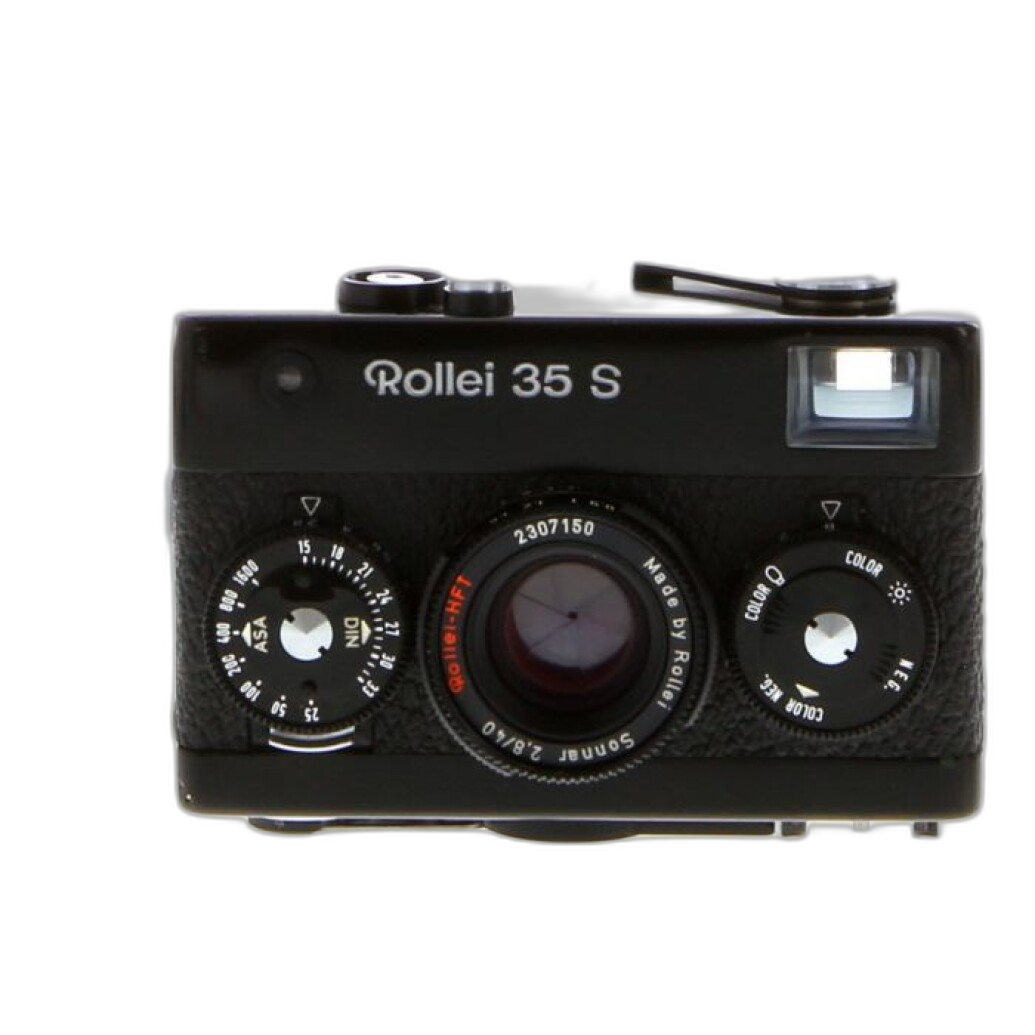
The Rollei 35S is one of the most appealing choices here for photographers who want a truly compact, premium-feeling 35mm camera and do not mind a little hands-on ownership. The listing notes a light meter issue, which is important, but meter problems are often easier to work around than severe structural defects. For maintenance-minded buyers, this makes the camera more attractive than bodies with major finder or shutter concerns.
Because this is a compact vintage camera, inspect the back door seals carefully and be prepared for preventive maintenance. If the seals are tired, replacing them early is one of the best ways to avoid edge fogging and inconsistent results. If you are comfortable exposing manually or using a phone meter, this can be a smart enthusiast buy.
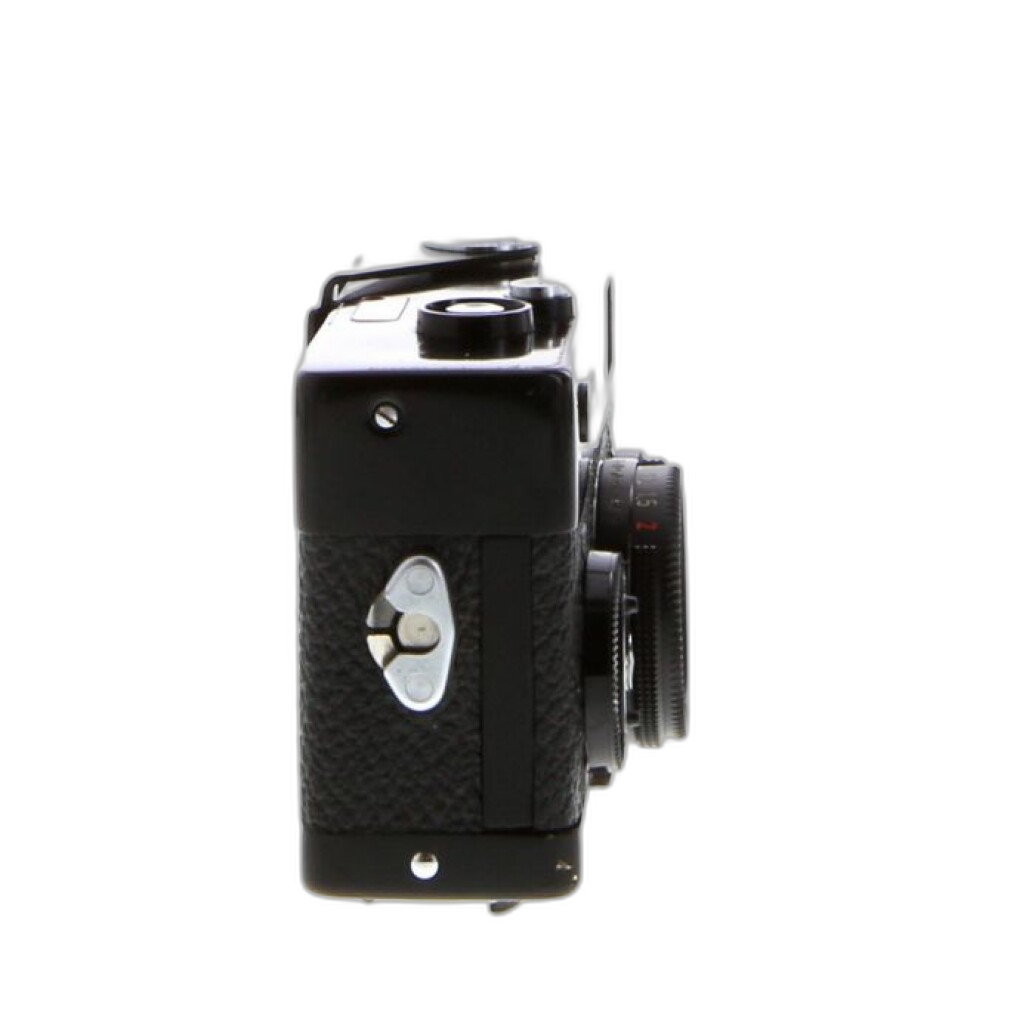
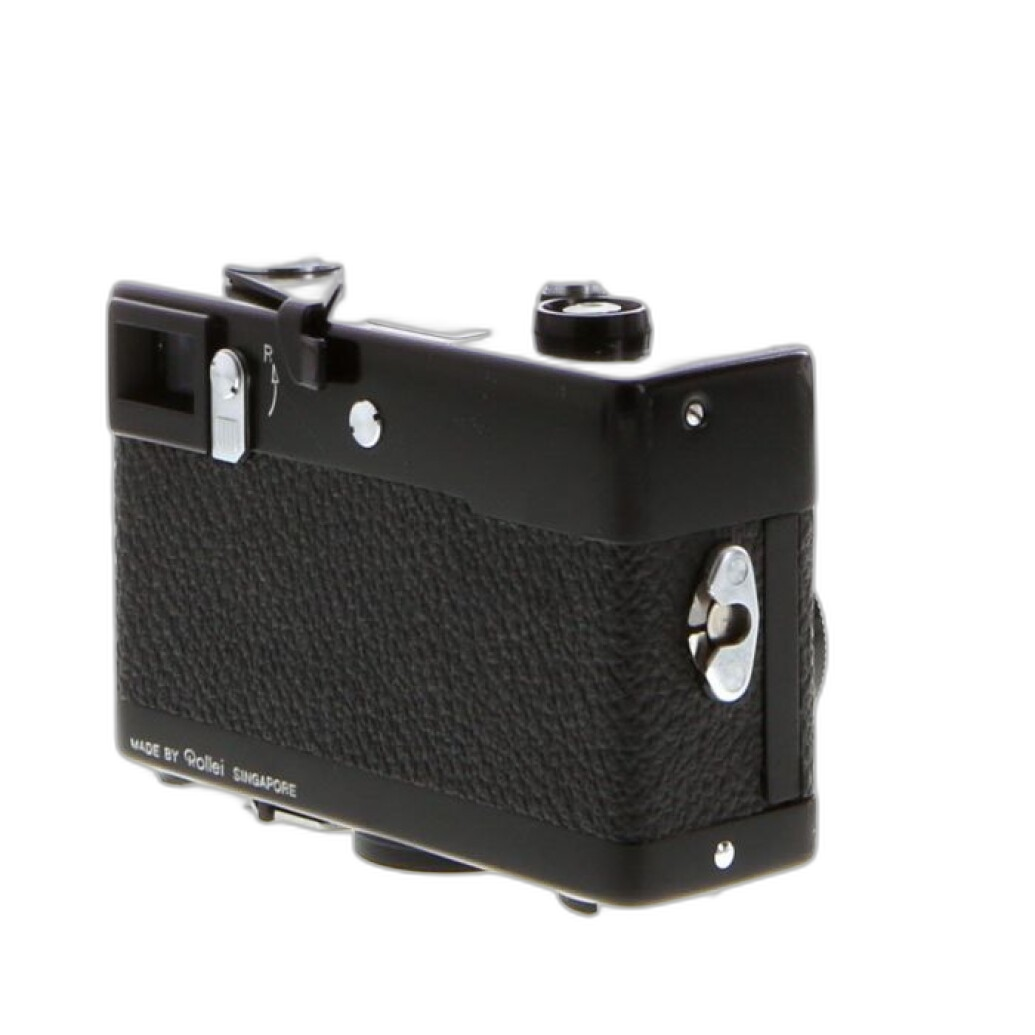
Best for: Photographers who want a collectible compact 35mm camera and are comfortable managing exposure without relying on the built-in meter.
Used Voigtlander R4M 35MM Rangefinder - Fair
The Voigtlander R4M is a compelling option for shooters who want a more modern-feeling rangefinder experience with fewer unknowns called out in the listing. Compared to much older cameras, a camera like this can be less intimidating from a maintenance standpoint, especially for regular use. While any used body should still have its seals and shutter operation checked, the lack of severe noted faults makes it a more practical choice for someone who wants to spend more time shooting and less time troubleshooting.
For light leak prevention, rangefinder bodies still deserve inspection around the rear door channels and hinge. If your priority is dependable handling and a body that may require less immediate intervention, this is one of the safer-looking options in this group.
Best for: Users wanting a usable rangefinder platform with potentially fewer major restoration issues.
Used Mamiya AutoMetra Rangefinder Film Camera - Fair *Light Meter not workin
The Mamiya AutoMetra may appeal to budget-minded film shooters who are comfortable with old-camera quirks. As with the Rollei, a non-working light meter is inconvenient but often manageable. The main question is whether the body remains mechanically consistent and whether the film door seals are intact.
This can be a good learning camera for someone willing to perform basic maintenance, test a roll, and use external metering. Just remember that with older rangefinders, light leaks can sometimes hide behind what first appears to be simple under- or overexposure, so testing is essential.
Best for: Buyers seeking a lower-cost entry into vintage rangefinder shooting with realistic expectations about upkeep.
Used Leica MDa 35MM Film Camera - As Is *Speeds off and Counter Bad*
The Leica MDa has strong collector appeal, but this specific example is better suited to experienced buyers or repair-minded users. The noted shutter speeds being off means exposure problems may be mistaken for film or light leak issues, while a bad frame counter complicates testing and regular use.
If you are troubleshooting film results, separating shutter timing problems from actual leaks becomes much harder on a body with known mechanical faults. Unless you specifically want a project camera or donor body, this is not the easiest recommendation for buyers focused on reliable film maintenance.
Best for: Advanced users, collectors, or buyers already planning service.
Used Leica I 35MM Camera - As Is *Haze Fungus and Cracked Finder
This Leica I is the most restoration-heavy option in the group. Haze, fungus, and a cracked finder all affect usability, and they also suggest a camera that may need deeper inspection for storage-related deterioration. While not directly a light leak issue, these signs often indicate a camera that has had a hard life and may require broader servicing beyond seals alone.
For most photographers simply looking to shoot film reliably, this is difficult to recommend as a first purchase. It is more appropriate for collectors, display, or specialized restoration interest.
Best for: Collectors and restoration enthusiasts rather than everyday shooters.
Quick comparison
| Camera | Condition Notes | Maintenance Risk | Light Leak Troubleshooting Friendliness | Recommended Buyer |
|---|---|---|---|---|
| Rollei 35S | Fair, light meter issue | Moderate | Good if you can meter externally | Enthusiasts wanting a compact premium body |
| Voigtlander R4M | Fair | Moderate to low | Strong | Shooters prioritizing usability |
| Mamiya AutoMetra | Fair, light meter not working | Moderate | Good with test-roll discipline | Budget-conscious vintage users |
| Leica MDa | As Is, speeds off, counter bad | High | Challenging | Repair-minded buyers |
| Leica I | As Is, haze, fungus, cracked finder | Very high | Poor for practical testing | Collectors/restorers |
Helpful accessories and testing tools
Used Frezzi Mini-Fill On-Camera Light with 4-pin XLR [A] - Good
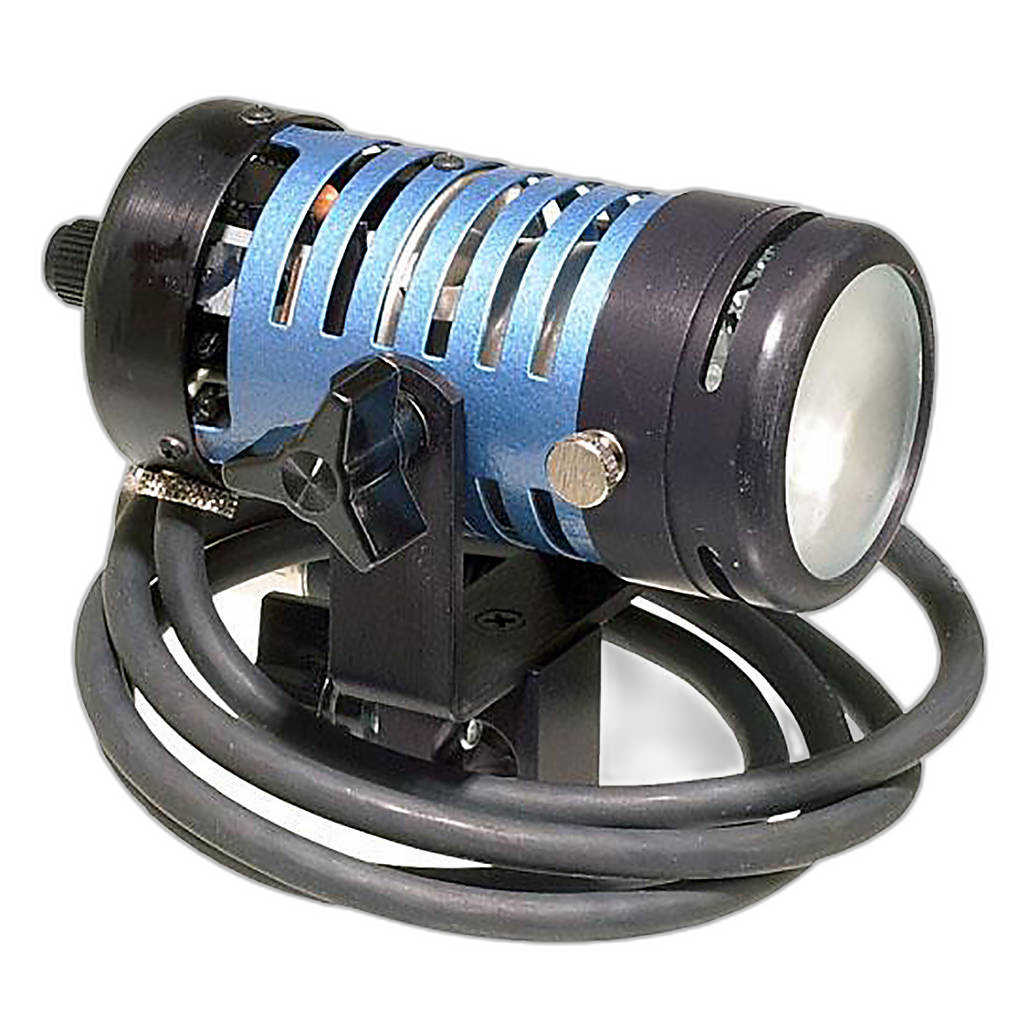
While not a repair tool, a compact on-camera light like this Frezzi can be useful in controlled testing scenarios, especially if you are checking basic shutter operation or working through exposure consistency with a camera that has a bad meter. It is less about fixing leaks and more about creating repeatable conditions when diagnosing whether your problem is exposure-related or truly stray light entering the body.
Best for: Controlled exposure testing and vintage workflow experimentation.
Which camera should you buy?
If your priority is a camera worth maintaining and enjoyable to use after basic service, the Used Rollei 35S Black 35mm Film Point and Shoot Camera is the standout pick here. If you want a more practical rangefinder with fewer stated red flags, the Used Voigtlander R4M 35MM Rangefinder is also a very sensible choice. Buyers on a tighter budget can consider the Used Mamiya AutoMetra, but should plan for test rolls and external metering.
For most photographers trying to avoid complicated troubleshooting, the more heavily compromised Leica bodies are better left to experienced collectors or repair specialists.
Conclusion
Film camera maintenance starts with realistic expectations: old seals fail, meters stop working, and condition notes matter. The easiest way to avoid light leak frustration is to buy a camera with manageable issues, inspect the back and seals immediately, and run a test roll before trusting it on important work. For most buyers in this group, the Rollei 35S offers the best mix of desirability and maintainability, while the Voigtlander R4M is a strong usability-first alternative. When you are ready to shop used film gear with confidence, Unique Photo is a great place to compare options and find the right vintage camera for your shooting style.