Fast, reliable, mobile: gear choices for covering the news
Forum debates about news-gathering gear often circle the same priorities: get the frame, get it sharp, get it out—no excuses. Whether you lean DSLR for long-haul reliability or mirrorless for blistering AF and silent shooting, the right choices come down to assignments, deadlines, and how quickly you can move. Here’s a practical, field-tested checklist to help you decide.
1) Start with the assignment—then pick DSLR or mirrorless
- Breaking news and fast action: Mirrorless bodies with stacked sensors offer blackout-free bursts, subject-detect AF, and quiet shutters for courtrooms or hospitals.
- Remote or multi-day coverage: DSLRs are proven for ruggedness and battery endurance, with optical viewfinders that are friendly in rain, snow, or bright sun.
- Bottom line: Choose the platform that solves the assignment’s biggest risk (missing focus vs. running out of power vs. working in harsh conditions). Keep muscle memory consistent across bodies.
2) Build a fast, flexible lens kit
- Core trio: 24–70mm f/2.8 for general coverage, 70–200mm f/2.8 for sidelines and stand-offs, and a fast wide prime (24mm/35mm) for tight spaces.
- Lightweight alternatives: A 24–105mm f/4 or compact prime can keep you mobile for protests, marches, and walk-and-talks.
- Stabilization matters: Pair stabilized zooms or in-body stabilization for pressers and low-light vigils.
3) Tune your camera for speed and accuracy
- AF setup: Use subject detection for faces/eyes; map AF-ON to back button; store a second recall for small zone AF when subjects are cluttered.
- Drive mode: Favor a high continuous burst for peak action, then switch to medium to conserve buffer during long moments.
- Shutter choice: Use electronic for silence when allowed; switch to mechanical or anti-flicker modes under nasty LED lighting or when rolling shutter could distort motion.
4) Power and media redundancy that won’t quit
- Cards: Dual-slot bodies, mirrored recording for critical events. Use fast, reliable CFexpress/UHS-II and rotate labeled cards by day.
- Batteries: Cold weather halves capacity—carry more than you think and stage them in different pockets to keep warm.
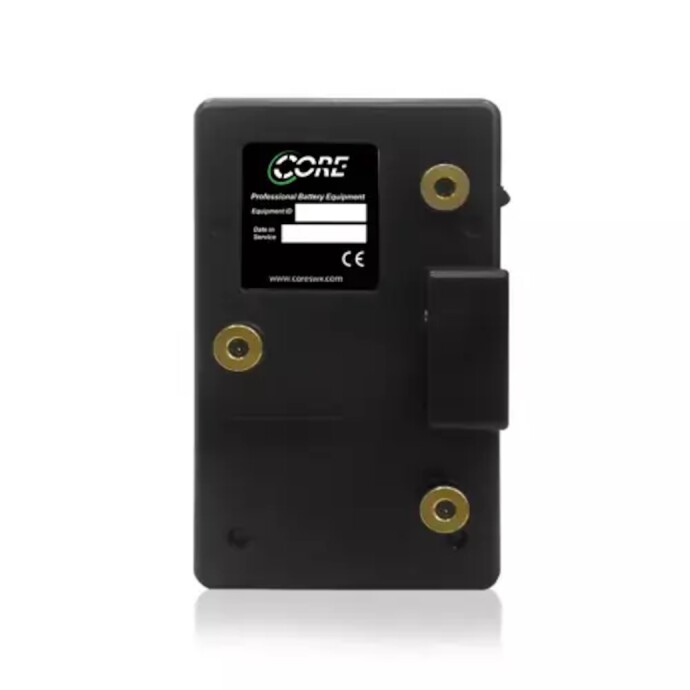
- Cross-compat power: If you mix ENG/cinema cams or lights on different battery standards, a bridge like the Core SWX Apex Battery V-Mount Adapter for G-Mount Equipment helps unify your kit without re-buying bricks.
5) Pack to move—protect and color‑code your kit
- Wraps: Soft wraps let you toss a second body or prime into a backpack or messenger and sprint. Sizes make a difference: the 3 Legged Thing Wrapz Alaska Small Equipment Wrap 12 X 12 Inch is great for compact primes; the 3 Legged Thing Wrapz Retro Medium Equipment Wrap (15 x 15 IN) or 3 Legged Thing Wrapz Busseat Medium Equipment Wrap 15 x 15 Inch suit mid-size zooms; the 3 Legged Thing Wrapz Busseat X-Large Equipment Wrap 24 x 24 Inch swallows a pro body with a small lens attached; and the 3 Legged Thing Wrapz Swirls Equipment Wrap 3-Pack 12 Inch 15 Inch 18 Inch covers multiple pieces with one purchase.
- Color-code: Use different patterns/sizes to ID lenses by feel. Keep rain cover and a microfiber tucked into one wrap.
6) Weatherproof and ruggedize for the worst day
- Rain plan: Pack a compact rain shell, gaffer tape for ports, and silica gel. Lens hoods and UV protection help fend off spray and debris.
- Hard learn: If you must wade into a storm, stage one wrapped backup body in your bag so you can swap fast without exposing everything at once.
7) Own the low light: pressers, vigils, and venues
- Exposure strategy: Use Auto ISO with a minimum shutter tied to your focal length; bias toward faces with spot metering when stage lighting burns backgrounds.
- AF help: Pre-assign a focus peaking/manual override for backlit podiums and sparser light.
- Keep learning: Sessions like PCS: Discussing Concert Photography with Ricky Shoebio (Nanlite, Tamron) translate directly to dim pressers and night assignments—expect practical focusing and exposure tactics you can repurpose.
8) Build an on‑the‑go workflow
- Metadata presets: File IPTC/contact info into custom functions so every frame is searchable on deadline.
- Cull and send: Use in‑camera ratings, voice memos, and a phone tether to transmit two selects before the scene breaks up—then flesh out the set.
- Backups: One copy to the cloud/cell, one to a rugged card wallet. Never travel with all cards in one place.
9) Stay sharp with community and pro insights
- Mirrorless AF keeps evolving—learn from pros. Events like the Sony Inspirational Panel Discussion with Gene Szucs and the Pros can give you setting-by-setting breakdowns and real-world heuristics for news assignments.
- Ask hard questions: blackout-free bursts vs. buffer depth, eye AF in masks/helmets, and how to avoid banding under LED walls.

10) Redundancy wins deadlines
- Two bodies, overlapping lenses, and at least two card types covered. Label and test everything the day before.
- Carry quick-fix tools: multi-tool, tape, lens pen, spare hot-shoe foot, and a safety tether for mic/transmitter packs.
Final word
There’s no single “right” rig for news—only the kit that lets you work faster, more reliably, and more invisibly for the story in front of you. Try configurations, protect what you carry, and keep sharpening skills. When you’re ready to refine your loadout or learn from working pros, visit Unique Photo online or in-store—we’re here to help you make and move the picture.