Sony shooters now have a powerful way to narrow down lens choices: the Sony Lens Compare Beta experience. For photographers and hybrid creators trying to decide between ultra-wide, standard zoom, and all-purpose options, side-by-side comparison tools can reveal which focal lengths, apertures, and handling characteristics best fit real-world shooting. In this guide, Unique Photo breaks down what lens preferences this kind of comparison often reveals, how to interpret the results, and how to turn that information into better images.
Whether you are building a Sony full-frame kit for travel, landscapes, events, architecture, or everyday content creation, understanding the strengths of each lens category is often more important than chasing specs alone.
What Is Sony Lens Compare Beta and Why Does It Matter?
Searchers looking for Sony Lens Compare Beta usually want help answering one simple question: which lens should I actually buy or bring to a shoot? Comparison tools help visualize how different Sony lenses stack up in focal length coverage, aperture, size, and use case. That matters because a lens choice changes perspective, depth of field, low-light ability, and even how confidently you can work on location.
For many photographers shopping at Unique Photo, comparison results tend to highlight three favorite lens types:
- Ultra-wide zooms for landscapes, interiors, architecture, and video establishing shots
- Standard zooms for walkaround, travel, portraits, and events
- High-range zooms for users who prioritize convenience and flexibility over a faster constant aperture
Rather than viewing one lens as universally best, the Sony Lens Compare Beta mindset encourages choosing the best tool for your most common subjects.
Favorite Sony Lens Type #1: Why Ultra-Wide Zooms Stand Out
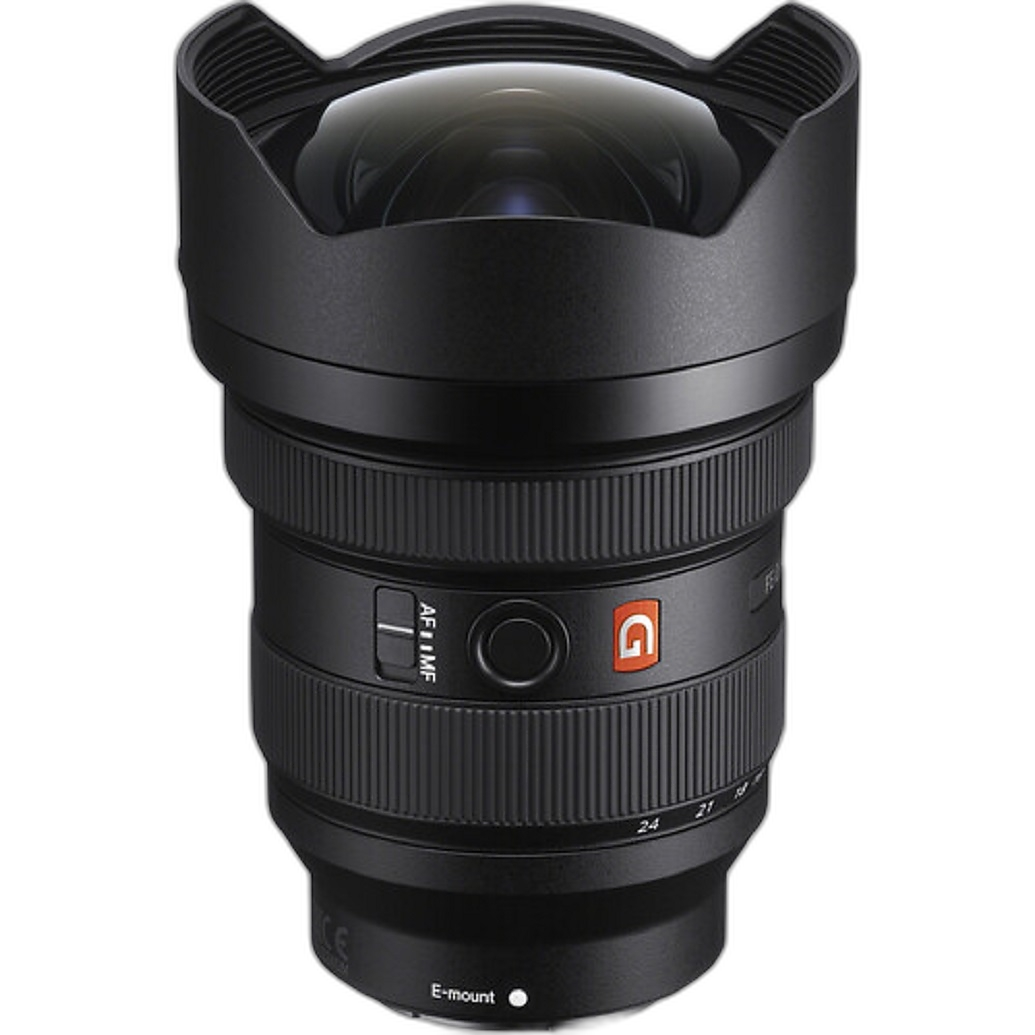
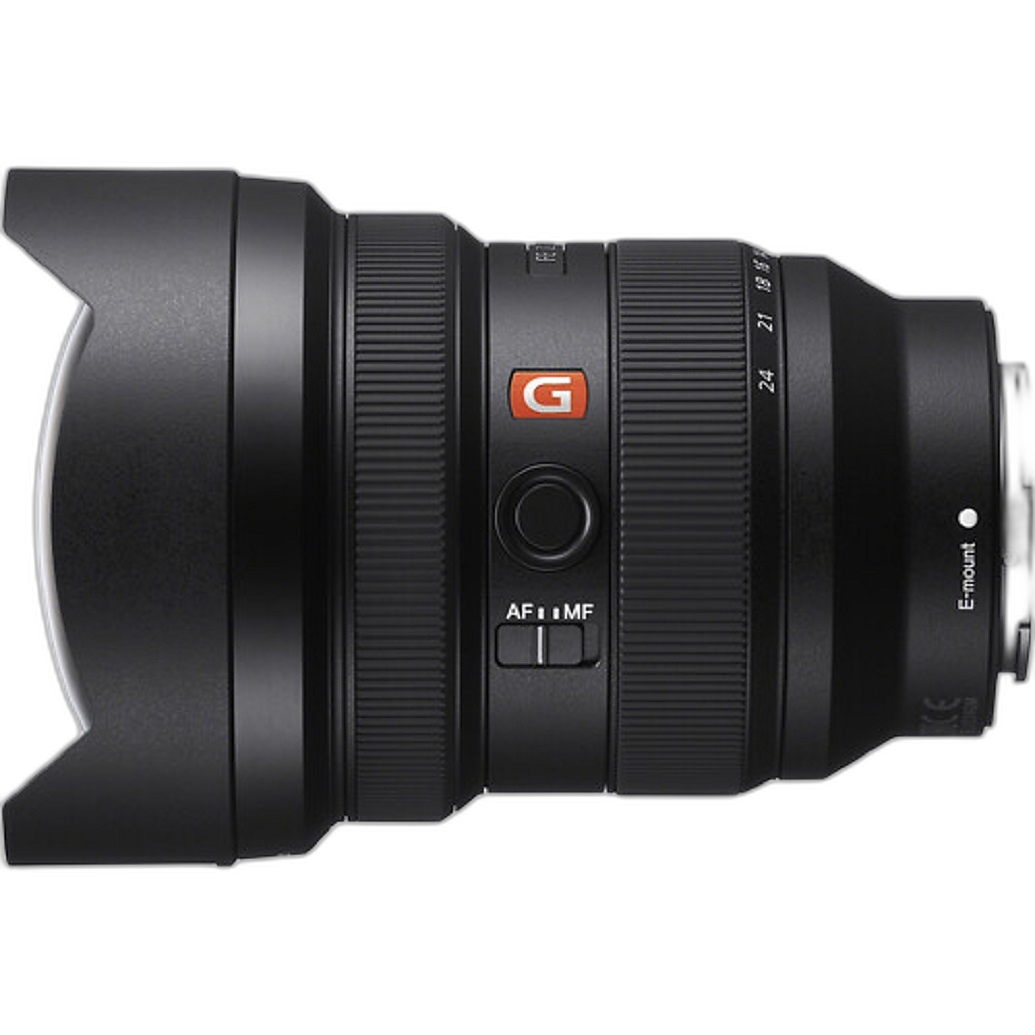
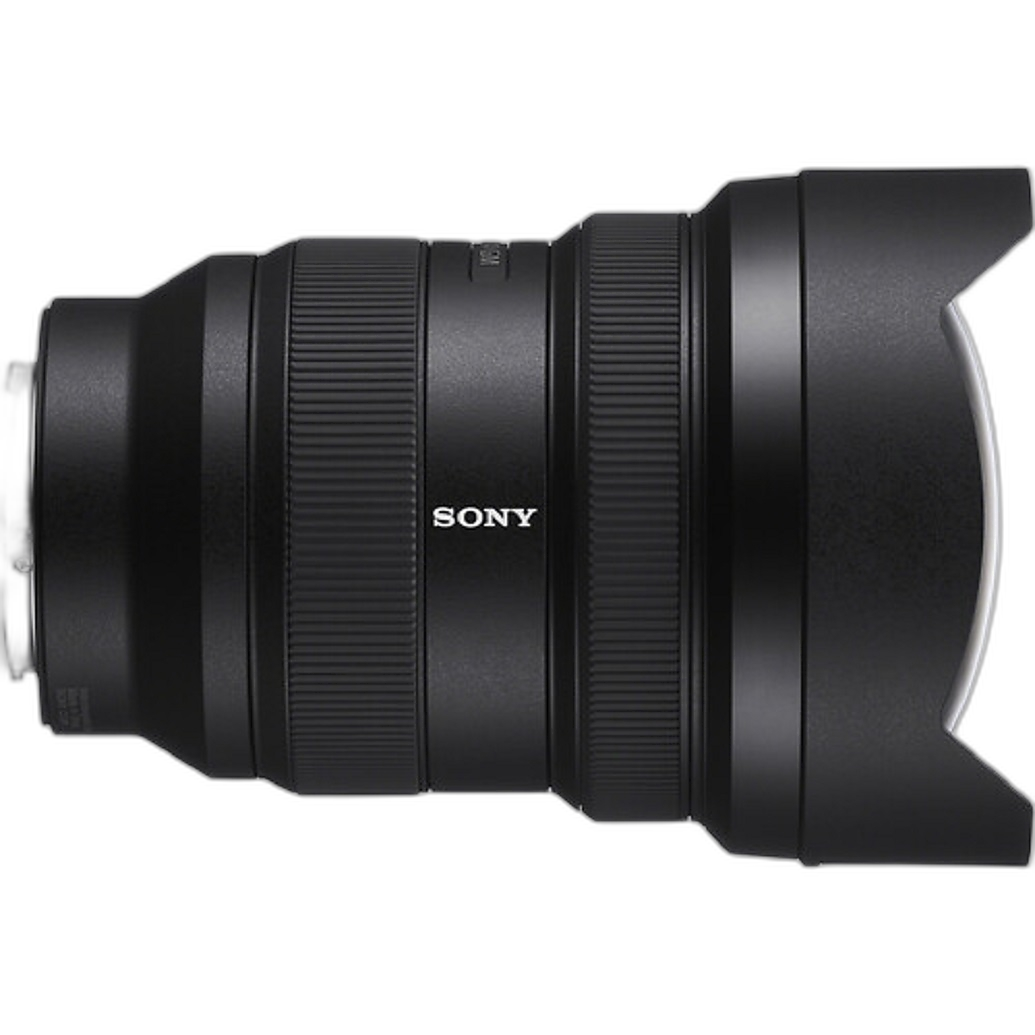
One of the clearest takeaways from lens comparisons is how useful an ultra-wide zoom can be for photographers who want dramatic perspective and scene coverage. The Sony FE 12-24mm f/2.8 GM Lens is a standout example for Sony full-frame users who need exceptional width plus a bright f/2.8 aperture.
At 12mm, you can capture expansive foregrounds in landscapes, dramatic architectural lines, tight interiors, and immersive environmental scenes that simply are not possible with a standard zoom. The added f/2.8 aperture also makes this category appealing for nightscape photographers, event shooters in dim venues, and video creators who need strong low-light performance.
What comparison tools reveal is that favorite lenses are often not just about sharpness. They are about creative access. An ultra-wide lens gives you access to views that other lenses cannot.
Best Shooting Tips for an Ultra-Wide Sony Lens
If the Sony Lens Compare Beta is steering you toward a wide zoom, these shooting tips will help you get better results:
- Use foregrounds intentionally. Rocks, flowers, textures, leading lines, and architectural details become much more powerful at 12mm to 16mm.
- Keep your camera level when shooting buildings or interiors if you want to minimize exaggerated perspective distortion.
- Get close to your subject. Wide lenses reward proximity. If your composition feels weak, move closer rather than zooming in.
- Watch the edges of the frame. Ultra-wide compositions can accidentally include distracting corners, stretched limbs, or clutter.
- Use f/2.8 strategically. It is useful for astro, low light, and subject separation at close distances, but for landscapes you may still prefer stopping down for depth and edge consistency.
At Unique Photo, ultra-wide options like the Sony FE 12-24mm f/2.8 GM Lens are often favored by photographers who specialize in landscapes, real estate, architecture, and dramatic travel imagery.
Favorite Sony Lens Type #2: Why the Standard Zoom Is a Top Everyday Choice
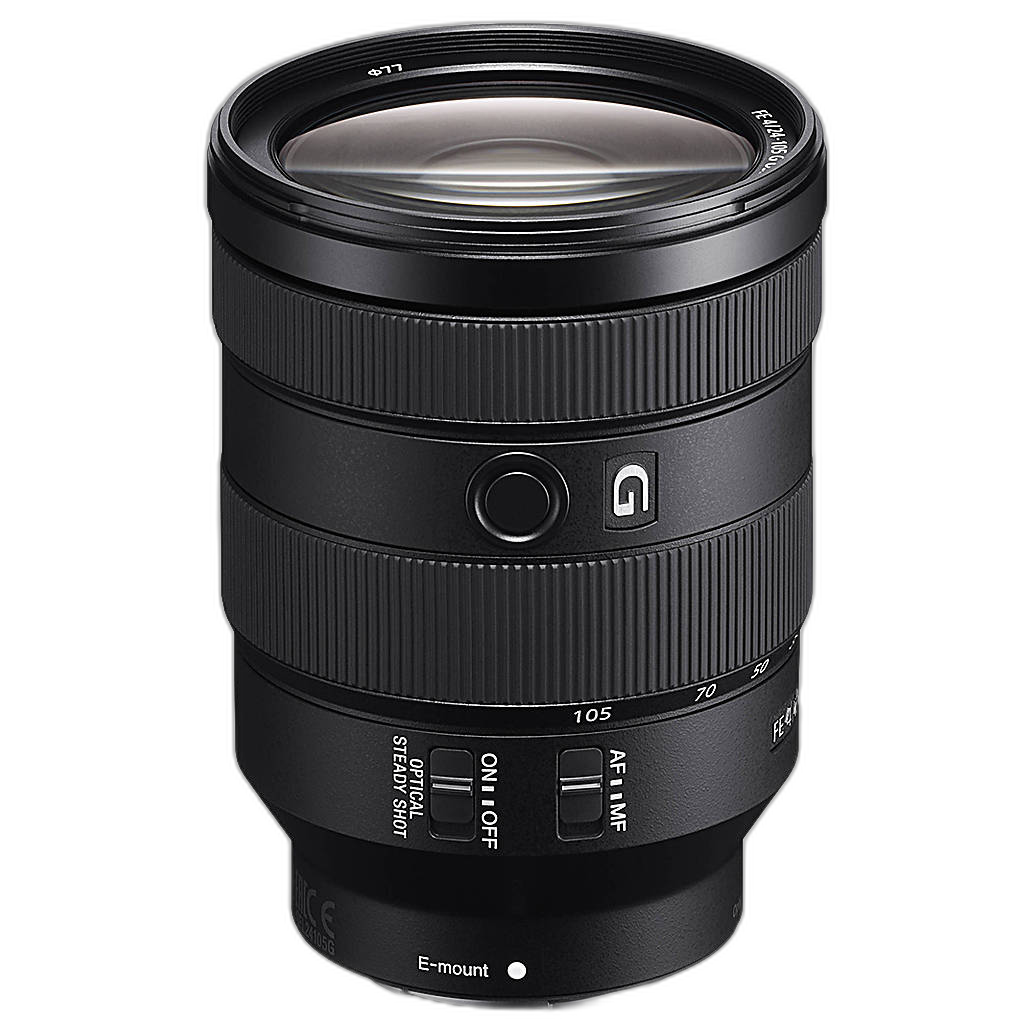
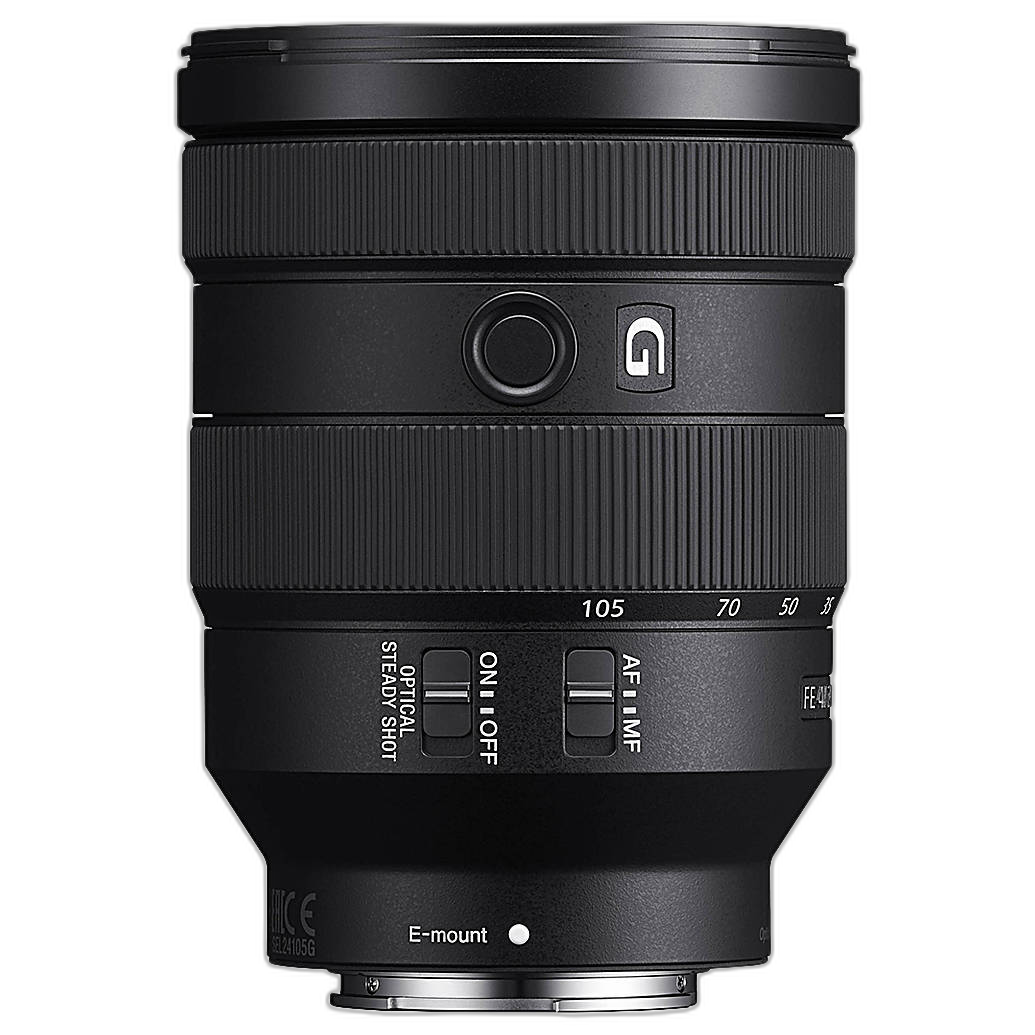
If one lens category consistently emerges as the practical favorite in comparison tools, it is the standard zoom. The Sony FE 24-105mm f/4 G OSS Lens covers an extremely useful range for full-frame Sony users. It starts wide enough for street scenes, travel, and environmental portraits, then extends into short telephoto territory for tighter portraits, detail shots, and events.
For many photographers, this focal range represents the best balance of image quality, portability, and flexibility. When users compare lenses and ask what they will use most often, a 24-105mm zoom tends to rise to the top because it solves so many common needs in one lens.
The constant f/4 aperture is also easier to work with than variable-aperture designs when you are shooting across the zoom range. Add stabilization benefits in many real-world situations, and it is easy to see why this type of lens is often a favorite recommendation at Unique Photo for travel and all-around photography.
Sony 24-105mm Shooting Tips for Travel, Portraits, and Events
If your Sony Lens Compare Beta results suggest that a 24-105mm lens is your ideal everyday option, use these practical techniques:
- At 24mm, build context. Use the wider end for travel scenes, environmental portraits, room views, and storytelling frames.
- At 50mm to 70mm, work naturally. This range feels very intuitive for lifestyle photography, family photos, and documentary-style coverage.
- At 85mm to 105mm, simplify backgrounds. Step back and zoom in to create cleaner portrait compositions and stronger subject isolation.
- Use aperture and distance together. Even at f/4, you can achieve pleasing separation by increasing subject-to-background distance.
- Avoid staying in one position. Zooming helps, but moving your feet still changes perspective in ways cropping or zooming cannot.
For photographers who want a lens they can leave on the camera most of the time, the Sony FE 24-105mm f/4 G OSS Lens is a strong example of why standard zooms often become the favorite after side-by-side comparison.
What Lens Comparisons Reveal About Real-World Buying Decisions
When photographers use a comparison tool, they often begin by looking at technical specifications. But the real decision usually comes down to shooting style. Here is what lens preferences often reveal:
- Landscape and architecture shooters usually prioritize the widest focal lengths and edge-to-edge performance.
- Travel photographers often prefer broad focal range coverage that limits lens changes.
- Event and wedding shooters care about low-light ability, reliable autofocus, and practical focal ranges.
- Video creators tend to evaluate breathing behavior, framing flexibility, and weight for handheld or gimbal work.
- Portrait photographers often lean toward focal lengths that flatter features and simplify backgrounds.
This is why Unique Photo encourages shoppers to think beyond isolated specs. A lens can be amazing on paper but still not fit the way you actually shoot.
How to Choose Between Wide Zoom and Standard Zoom on Sony
A frequent search query related to Sony Lens Compare Beta is some version of "Should I get a 12-24mm or 24-105mm lens?" The answer depends on your primary use:
- Choose an ultra-wide zoom if you mainly shoot landscapes, architecture, interiors, real estate, astro, or dramatic video scenes.
- Choose a standard zoom if you need one lens for travel, walkaround photography, portraits, events, and general daily use.
For many Sony full-frame users, the smartest long-term setup is not necessarily one or the other. It is often a two-lens kit that combines both categories. The Sony FE 12-24mm f/2.8 GM Lens handles your widest visual needs, while the Sony FE 24-105mm f/4 G OSS Lens covers everyday shooting from wide to short telephoto.
Can Comparing Non-Sony Lenses Help You Understand Your Sony Preferences?
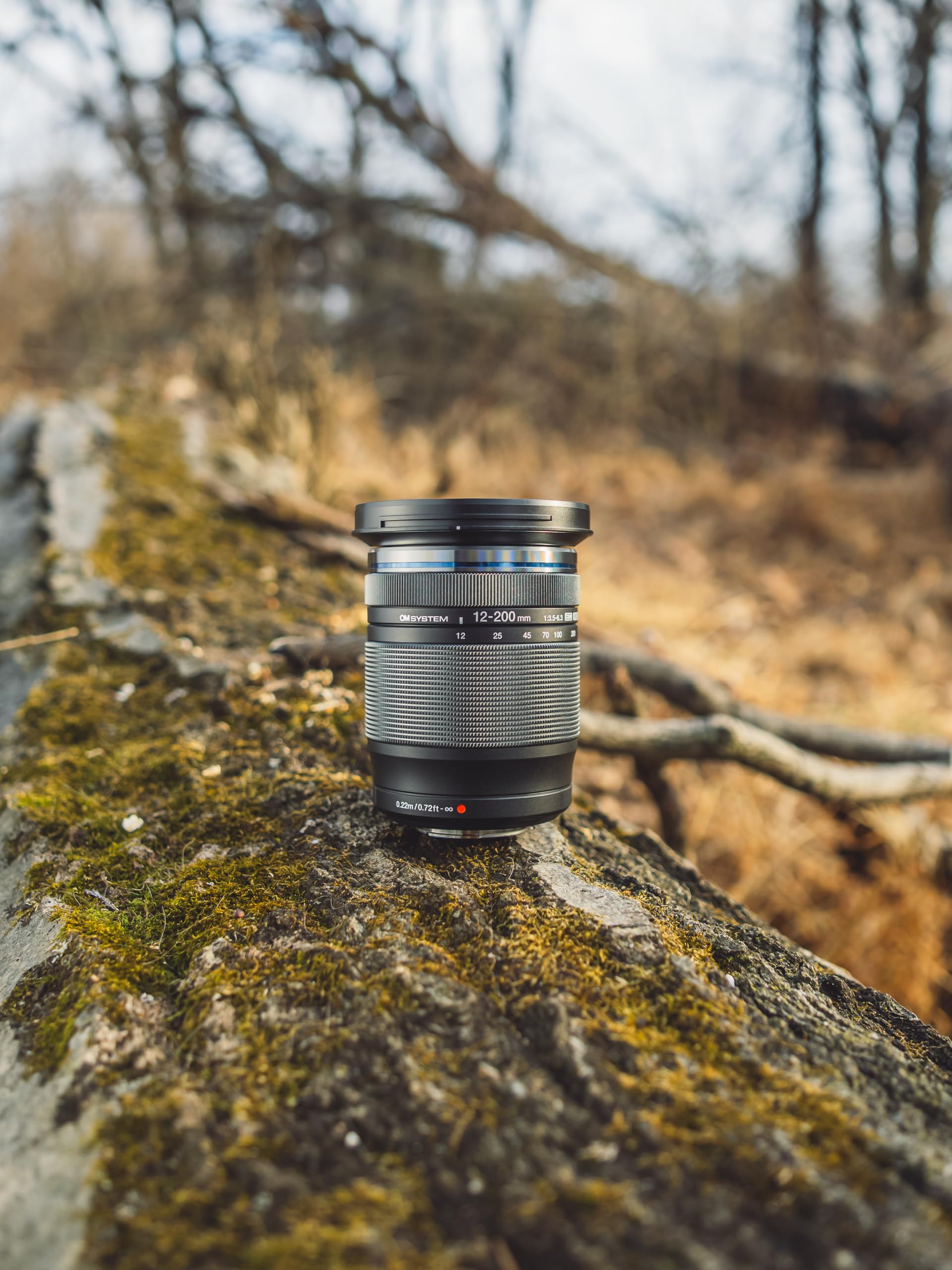
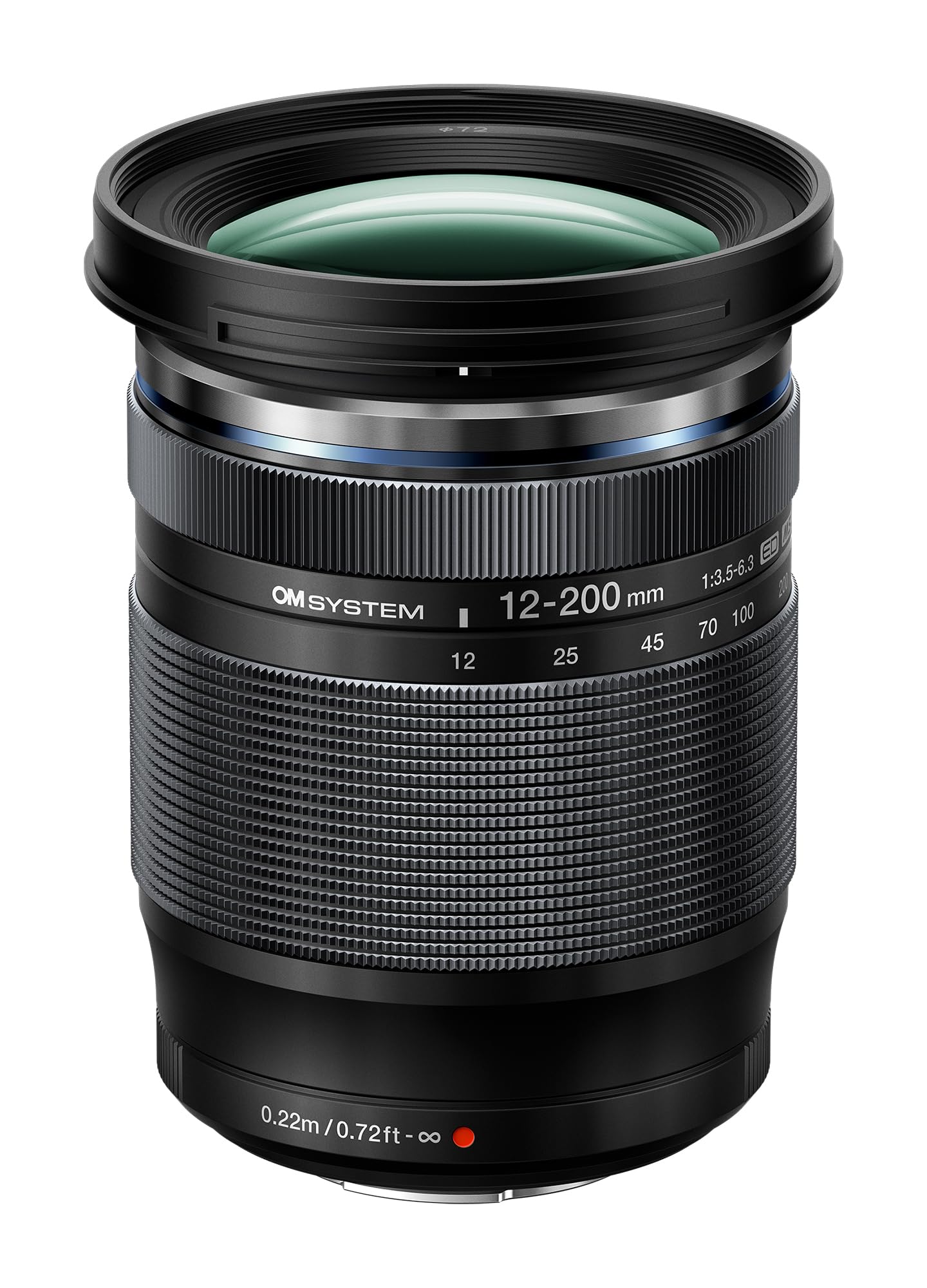
Surprisingly, yes. Even if you shoot Sony, looking at broader lens categories can help clarify what you value most. For example, a high-range all-in-one zoom like the OM SYSTEM M.Zuiko Digital ED 12-200mm f/3.5-6.3 Lens shows how much convenience some photographers prioritize. While it is designed for a different system, it highlights an important question: do you want maximum flexibility in one lens, or are you willing to carry specialized optics for higher performance in specific roles?
Similarly, classic primes such as the Used Canon FD 50mm f/1.8 Lens - Good remind us why some photographers still love a single focal length. A prime can teach composition discipline, improve low-light performance, and encourage a more deliberate shooting rhythm.
Unique Photo serves photographers across many systems, and that perspective can be valuable when you are trying to identify your Sony lens preferences with more confidence.
Shooting Tips Based on Your Favorite Focal Lengths
If the Sony Lens Compare Beta helps you discover a favorite focal length range, use that information intentionally:
- 12mm to 16mm: great for immersive landscapes, architecture, night skies, and energetic establishing shots. Pay close attention to composition and frame edges.
- 20mm to 24mm: ideal for travel, environmental portraits, vlogging, and wide documentary work with less distortion than extreme ultra-wide views.
- 35mm to 50mm: a classic range for street photography, storytelling, and natural-looking perspective.
- 70mm to 105mm: excellent for portraits, details, and event coverage where you want tighter framing and softer backgrounds.
A useful exercise is to review your image library and note which focal lengths you use most often. Comparison tools are helpful, but your own shooting history may tell you even more.
How to Get Better Results No Matter Which Sony Lens You Choose
Once you choose a lens, technique matters as much as gear. These universal shooting tips apply whether your favorite ends up being an ultra-wide or an everyday zoom:
- Match shutter speed to subject motion, not just focal length. People moving at events or on the street may require a faster shutter than expected.
- Use autofocus modes strategically. Eye AF and subject tracking can make a major difference for portraits, kids, pets, and events.
- Think in layers. Foreground, subject, and background relationships create stronger depth and storytelling.
- Check corners and backgrounds before pressing the shutter. Lens quality helps, but clean framing helps even more.
- Practice with one lens for a full outing. Limiting yourself often reveals whether a lens really suits your style.
At Unique Photo, many photographers discover that their favorite lens is the one that makes them want to shoot more often. Comfort, familiarity, and creative confidence matter.
Why Sony Lens Compare Beta Is Useful for Beginners and Experienced Shooters
Beginners benefit because comparison tools simplify the buying process and show how different focal lengths affect photographic possibilities. Experienced shooters benefit because they can refine a kit more strategically, reduce overlap, and identify gaps in coverage.
For example, if you already own a standard zoom and discover that most of your favorite images were made at the widest end, that may be a sign to add a dedicated ultra-wide option. If your favorite frames cluster around 70mm to 105mm, you may discover you prefer tighter compositions and portrait-oriented shooting.
That is the real value of Sony Lens Compare Beta: it is not just about comparing lenses. It is about comparing how you see.
Conclusion: Find Your Favorite Sony Lens Category and Shoot with Purpose
The favorite lenses revealed by Sony Lens Compare Beta are often the ones that align most closely with real-world shooting habits. For dramatic landscapes, interiors, and architecture, an ultra-wide option like the Sony FE 12-24mm f/2.8 GM Lens makes a compelling case. For day-to-day photography, travel, portraits, and events, the Sony FE 24-105mm f/4 G OSS Lens remains one of the most practical and versatile choices.
The best approach is to look beyond specs and ask what you photograph most, where you shoot most often, and how much flexibility you need. That is where comparison tools become genuinely useful. And when you are ready to explore Sony lenses in more depth, Unique Photo is a great place to compare options, get guidance, and build a kit that fits your style.
Internal linking suggestions: link this article to Sony mirrorless camera guides, Sony full-frame lens collections, wide-angle lens buying guides, travel photography lens recommendations, and beginner photography tips on Unique Photo.