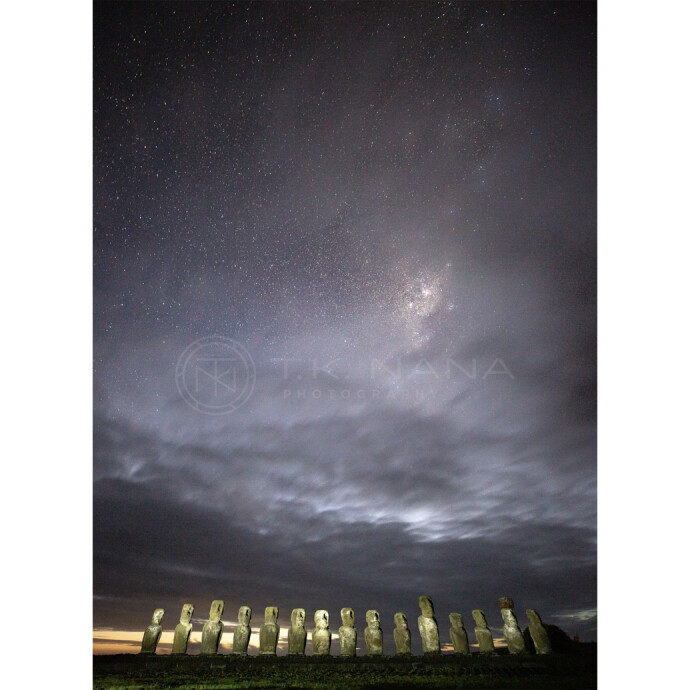
Photography contests can be inspiring, career-building, and highly motivating—but they also raise important questions about ethics, authenticity, editing, disclosure, and fairness. This guide is for photographers who want to compete responsibly, improve their craft honestly, and better understand where creative enhancement ends and misleading manipulation begins. Rather than focusing on gear alone, this buying-guide approach highlights educational resources that can help you build contest-ready skills while staying aligned with transparent, fair photographic practices.
If you are entering nature, travel, landscape, astrophotography, or documentary competitions, the right class or guide can help you avoid common ethical pitfalls such as overediting, misrepresenting scenes, failing to disclose composites, or presenting heavily staged work as candid. Below, we recommend several learning resources that support stronger technique and better judgment.
Why Ethics Matter in Photography Contests
Contest judges and audiences expect images to reflect both artistic vision and truthful representation within the rules of a given competition. Some contests allow extensive retouching; others prohibit object removal, sky replacement, AI-generated content, or composite imagery. Fair participation starts with understanding the category, reading the rules carefully, and choosing educational tools that help you create stronger images in-camera whenever possible.
Good ethics in contests often come down to a few core principles:
- Transparency: disclose composites, staging, or major edits when required.
- Rule awareness: different contests have different standards for manipulation.
- Craft over shortcuts: prioritize timing, light, composition, and field technique.
- Respect for subjects: especially in wildlife, documentary, and cultural photography.
- Fair post-processing: edit to enhance, not to deceive, unless the category explicitly allows creative manipulation.
Our Pick
For photographers concerned about where ethical enhancement ends and unfair manipulation begins, this is the most directly relevant learning resource in this guide. It helps build a more informed editing workflow—especially valuable for landscape and nature contest entrants, where rules are often specific and closely scrutinized.
Recommended Learning Resources
Editing and Enhancing Landscape and Nature Photography with Photoshop
Best for: Understanding responsible post-processing for contest entries
This course is the clearest fit for photographers navigating contest ethics because editing is where many disqualifications happen. In landscape and nature competitions, seemingly small changes—removing branches, combining exposures without disclosure, replacing skies, or altering wildlife behavior cues—can cross the line depending on the rules.
A class focused on enhancement gives photographers a better foundation for making tasteful, defensible edits. It can help you learn what kinds of tonal, color, contrast, sharpening, and cleanup adjustments preserve the integrity of the original scene while still producing polished work.
Why it supports fair contest participation:
- Encourages deliberate, knowledgeable editing choices
- Helps distinguish enhancement from manipulation
- Useful for landscape and nature categories with strict authenticity standards
- Builds confidence when submitting work to juried competitions
Who should choose it: Nature, landscape, and outdoor photographers who want stronger editing skills without risking ethical gray areas.
EXPO: Stories from the Road - Photography Across Worlds w. Matthew Borowick
Best for: Travel, cultural, and storytelling photographers thinking about representation and context
Ethics in contests are not only about Photoshop. They also involve how photographers represent people, places, and experiences. A presentation centered on photography across different worlds can be especially useful for contest entrants working in travel, documentary, or editorial-inspired categories, where fairness includes truthful storytelling and respectful visual framing.
This kind of event can broaden your perspective on intent, narrative responsibility, and the importance of not exaggerating or miscontextualizing what was actually witnessed.
Why it supports fair contest participation:
- Strengthens ethical storytelling awareness
- Encourages respect for subjects and context
- Useful for travel and documentary-style competition categories
- Helps photographers think beyond technical quality alone
Who should choose it: Photographers entering travel, reportage, or human-centered contests.
Macro and Landscape Photography at Duke Farms with Michael Downey
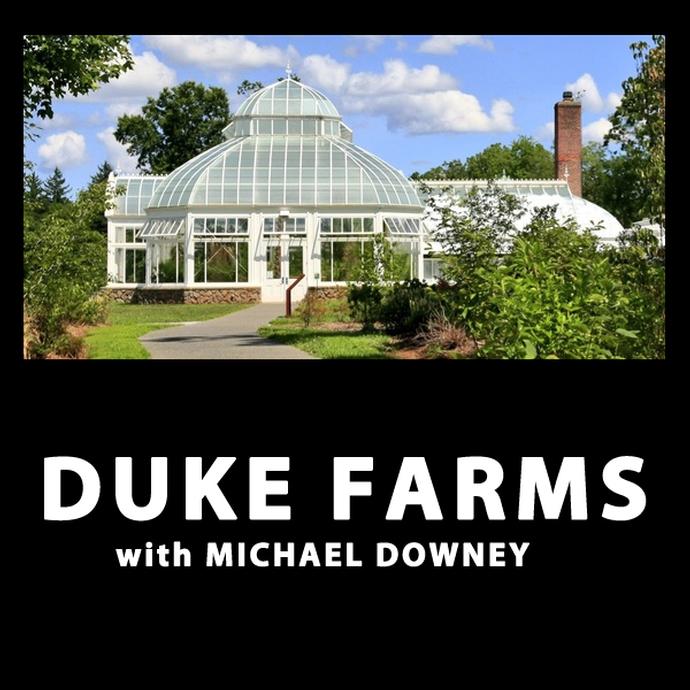
Best for: Creating stronger images in-camera instead of relying on heavy editing
One of the fairest ways to succeed in contests is to improve technique at capture. A field-based macro and landscape workshop supports that goal by helping photographers refine composition, observation, and use of natural light. The better your original file, the less pressure there is to make aggressive edits that might violate contest rules.
For contest-minded photographers, this matters a lot. Honest craft often starts with patience, camera position, timing, and scene selection—not software.
Why it supports fair contest participation:
- Builds capture skills that reduce dependence on manipulation
- Especially relevant for landscape and close-up nature contests
- Promotes authentic image-making in the field
- Encourages attention to detail and visual discipline
Who should choose it: Outdoor photographers who want cleaner, stronger files straight from the camera.
UUOnline: Astrophotography 4-Part Series with Temu Nana

Best for: Learning category-specific standards in a genre where composites and stacking are common
Astrophotography contests can be ethically complex because many accepted techniques—stacking, tracked exposures, panoramas, blending foregrounds, or noise-reduction workflows—may or may not be allowed depending on the competition. A focused multi-part series can help photographers understand both the craft and the disclosure expectations within this specialized genre.
The key advantage here is context. Astrophotography has its own norms, and learning from a dedicated course can help you produce impressive work while staying inside the rules of whichever contest you enter.
Why it supports fair contest participation:
- Helps clarify acceptable astrophotography workflows
- Useful for understanding stacking and blended-image ethics
- Supports better disclosure and category selection
- Improves technical quality without guesswork
Who should choose it: Night-sky photographers entering astronomy or low-light categories.
Product Photography and Post Production Editing with Blake Taylor

Best for: Photographers entering commercial, conceptual, or open-editing competition categories
Not every photography contest prioritizes straight-out-of-camera authenticity. In commercial, studio, advertising, and creative categories, advanced post-production may be expected. This class is valuable because it frames editing as a skill with purpose and control—important when contests allow significant retouching but still expect clean execution and honest category placement.
The ethical lesson here is that fairness often depends on entering the right category. Strong retouching is not inherently unfair; it becomes a problem when heavily constructed work is submitted to categories requiring realism or documentary truth.
Why it supports fair contest participation:
- Ideal for contests that allow or reward polished retouching
- Teaches intentional post-production techniques
- Reinforces the importance of matching style to category rules
- Useful for commercial and creative photographers
Who should choose it: Studio, product, and conceptual photographers who need high-level editing skills for appropriate contest categories.
Nikon D850 Guide to Digital SLR Photography by David Busch
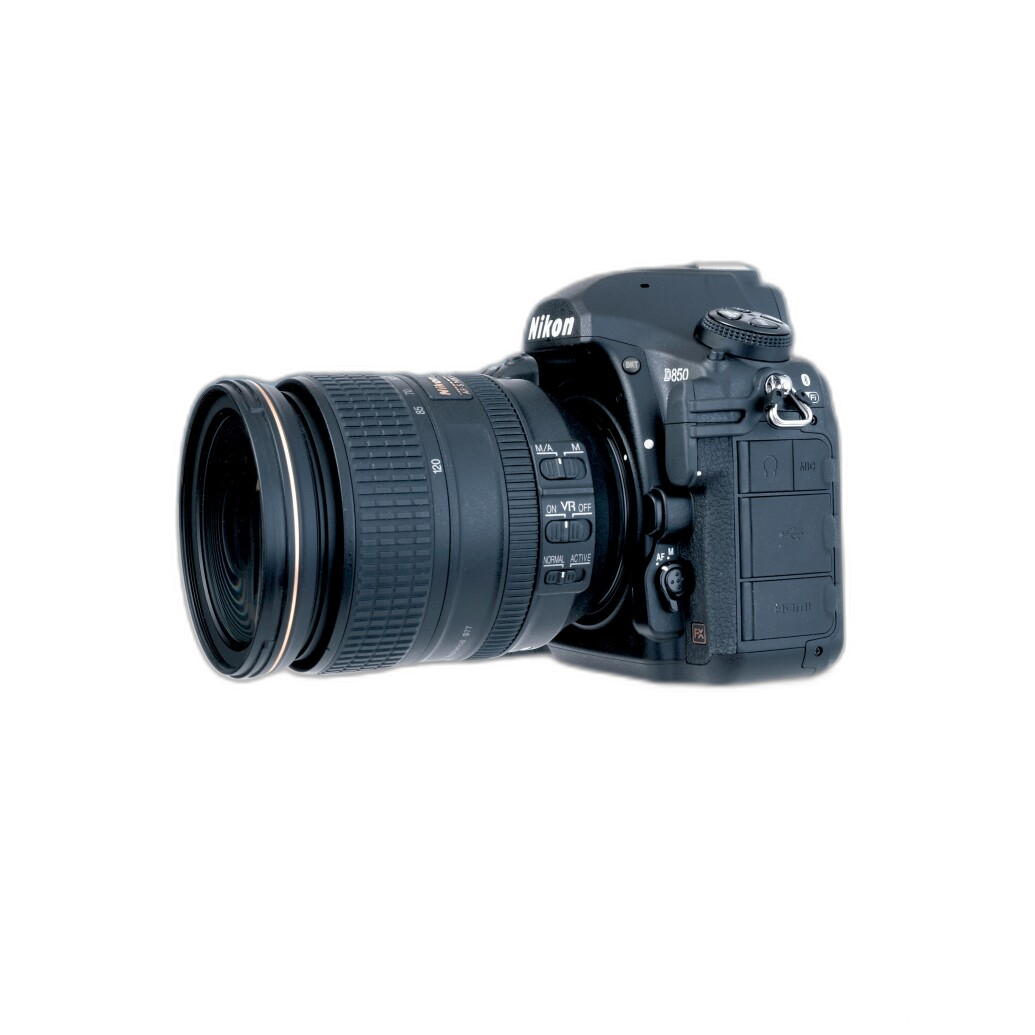
Best for: D850 users who want to maximize image quality at capture
Camera mastery is an underrated part of contest ethics. When photographers know their camera deeply, they can achieve better exposure, focus accuracy, dynamic range management, and image quality in-camera—reducing the temptation to “fix” major problems later with excessive manipulation.
If you shoot a Nikon D850, a dedicated camera guide can be a practical resource for improving technical consistency. That directly supports fairer contest submissions because stronger originals typically require less rescue work in post.
Why it supports fair contest participation:
- Improves technical competence at capture
- Helps reduce avoidable editing corrections
- Useful for photographers who want cleaner workflow discipline
- Supports a craft-first contest mindset
Who should choose it: Nikon D850 owners aiming to strengthen fundamentals and submit better source files.
Comparison Table
| Product | Best For | Ethics/Fairness Value | Ideal Contest Types |
|---|---|---|---|
| Editing and Enhancing Landscape and Nature Photography with Photoshop | Responsible post-processing | High | Landscape, Nature, Outdoor |
| EXPO: Stories from the Road - Photography Across Worlds | Ethical storytelling | High | Travel, Documentary, Cultural |
| Macro and Landscape Photography at Duke Farms with Michael Downey | In-camera technique | High | Landscape, Macro, Nature |
| UUOnline: Astrophotography 4-Part Series with Temu Nana | Genre-specific workflow standards | High | Astrophotography, Nightscape |
| Product Photography and Post Production Editing with Blake Taylor | Advanced retouching for appropriate categories | Medium-High | Commercial, Creative, Studio |
| Nikon D850 Guide to Digital SLR Photography by David Busch | Camera mastery | Medium | Any category shot on D850 |
How to Choose the Right Resource
To choose the best fit, start with the types of contests you enter most often:
- If you enter nature or landscape contests: prioritize editing education and field technique.
- If you enter documentary or travel contests: focus on storytelling ethics and truthful representation.
- If you enter astrophotography contests: learn the accepted workflow standards for stacking, blending, and disclosure.
- If you enter commercial or creative contests: choose post-production training, but make sure your submission matches the category rules.
- If you need stronger fundamentals: a camera-specific guide can help improve image quality before editing begins.
Final Recommendation
If you want one standout resource from this list, Editing and Enhancing Landscape and Nature Photography with Photoshop is our top recommendation because it addresses one of the biggest fairness issues in modern photography contests: ethical post-processing. Pair it with a field-based class like Macro and Landscape Photography at Duke Farms with Michael Downey if you also want to strengthen your in-camera technique.
For photographers in storytelling-driven categories, EXPO: Stories from the Road - Photography Across Worlds is an excellent companion choice. And if your contest work leans technical or niche, the astrophotography series offers especially relevant guidance.
Whichever path you choose, investing in education is one of the smartest ways to compete more confidently and more ethically. Explore these photography learning resources at Unique Photo to build contest-ready skills grounded in both quality and fairness.